
Smoothie King Revamps Stores and Menu for Next Growth
Smoothie King launches store redesigns, broader menu, and franchise support to fuel 2026 growth amid GLP-1 trends and rising protein demand.
news
May 17, 2026
Smoothie King launches store redesigns, broader menu, and franchise support to fuel 2026 growth amid GLP-1 trends and rising protein demand.
May 17, 2026
Amid rising beef costs, burger chains use R&D, LTOs, and co-creation to drive growth while keeping core menus steady and guest loyalty nourished.
May 17, 2026
Inside 449 mystery shops: how mobile order-ahead reshapes QSR speed, satisfaction, and revenue—and where operations still stumble.
May 17, 2026

SB 22 lifts cash-out to $15, squeezing breakage and raising compliance stakes. What retailers must fix before April 1, 2026.
May 17, 2026
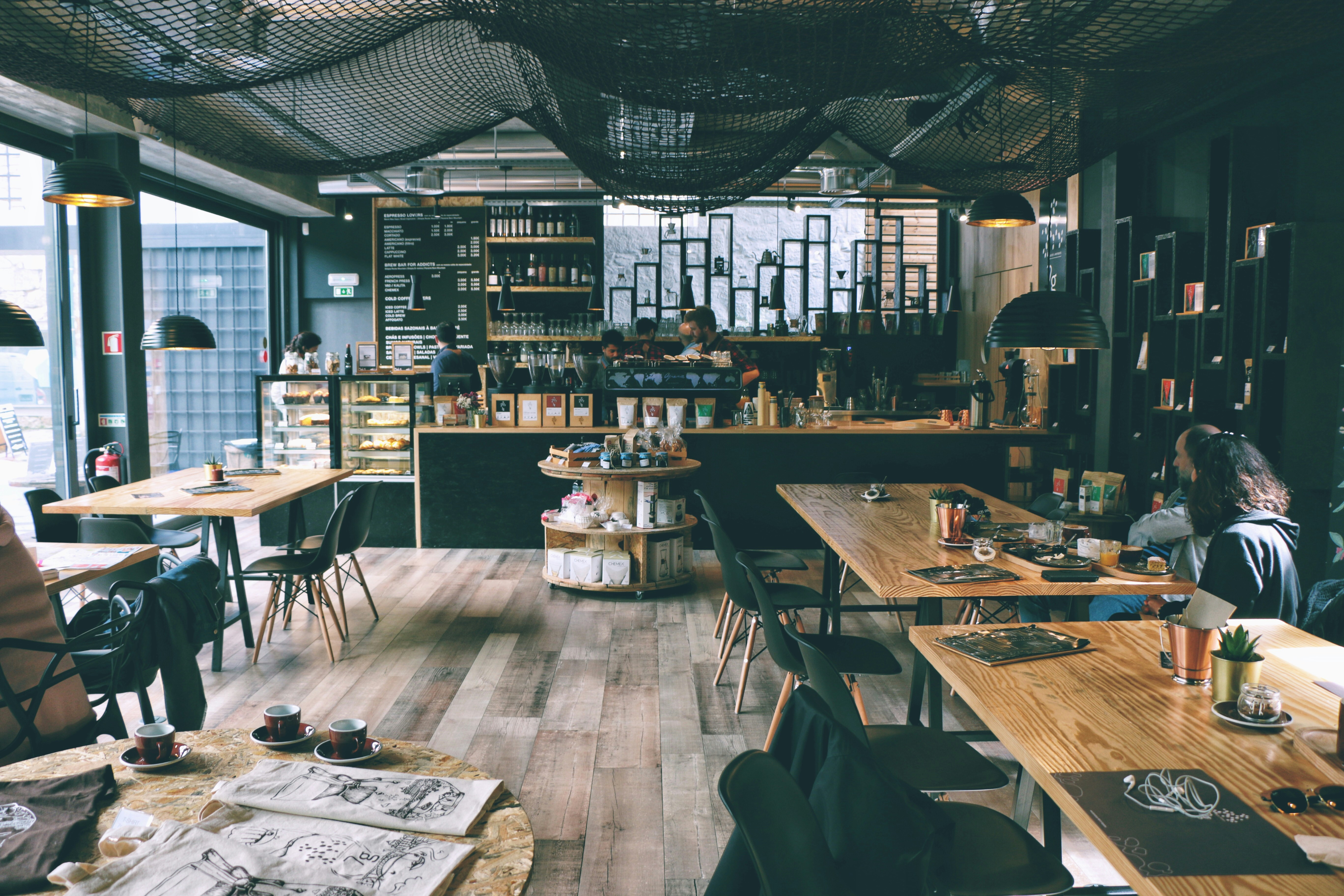
Starbucks trims 300 corporate roles, opens a Nashville hub, and doubles down on service and efficiency as sales improve. Inside the Back to Starbucks reset.
May 17, 2026
Interim CEO Mark King accelerates 'Jack on Track' with up to 200 closures, real estate sales, and a value-first menu amid sales declines.
May 17, 2026

QSR 50 invites U.S. quick-service brands to submit 2024 sales by May 15 for its August 2025 rankings, with data validated by Datassential.
May 17, 2026
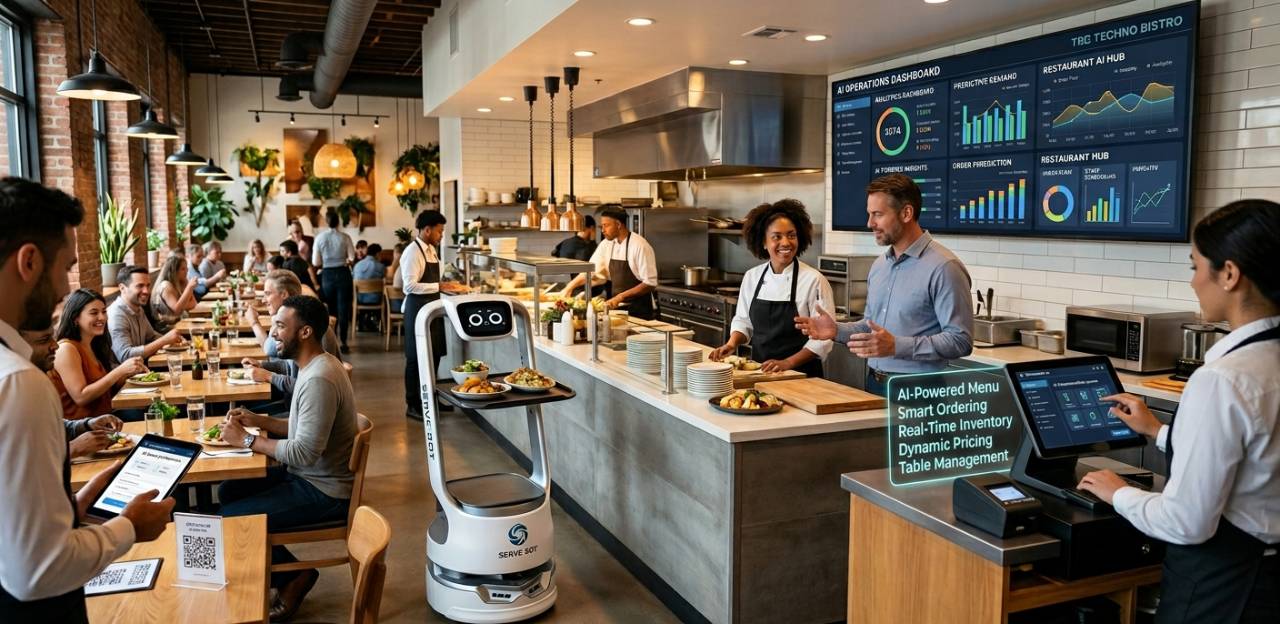
This AI playbook covers restaurant tools for voice ordering, staffing, compliance, menu pricing, inventory, marketing, ChatGPT prompts, and SEO.
May 15, 2026
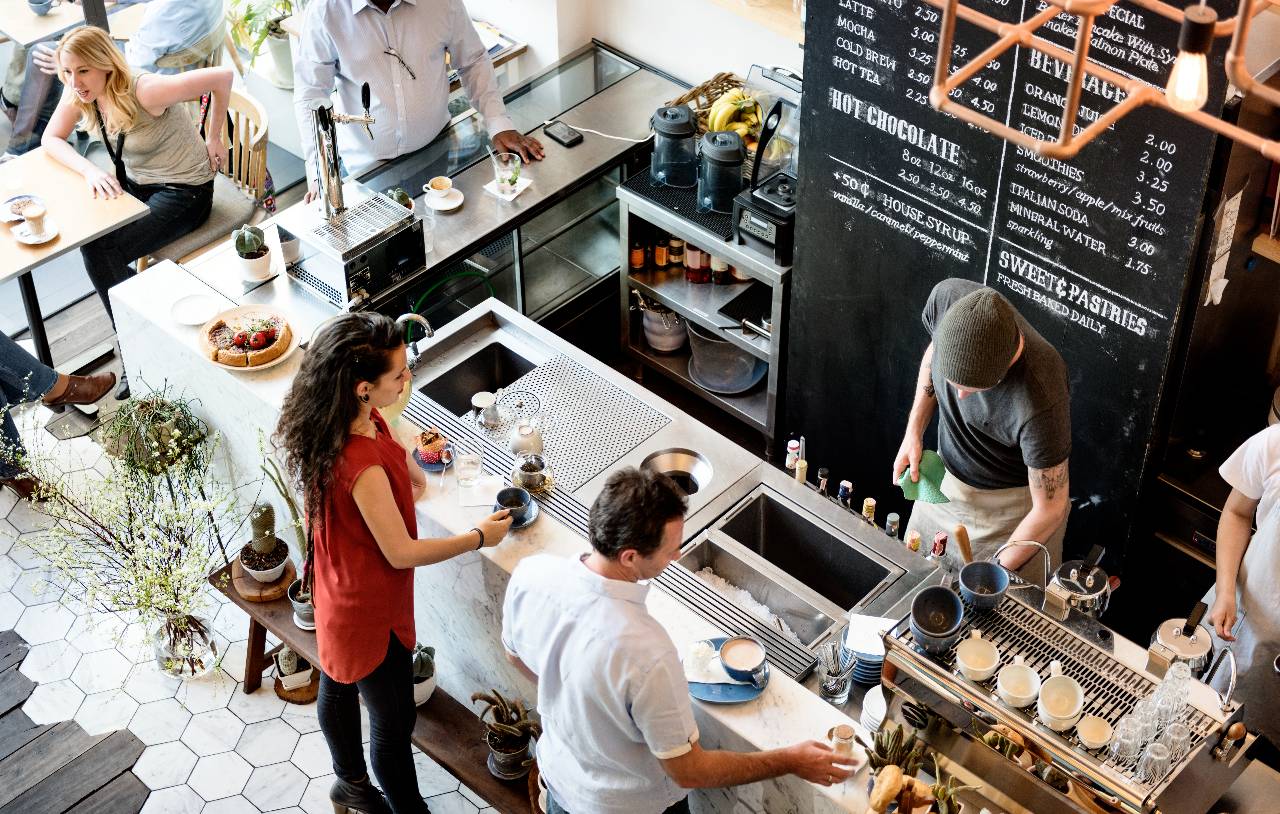
Opening a coffee shop in 2026 requires careful cost planning across rent, equipment, labor, technology, menu strategy, marketing, and sustainability.
May 15, 2026
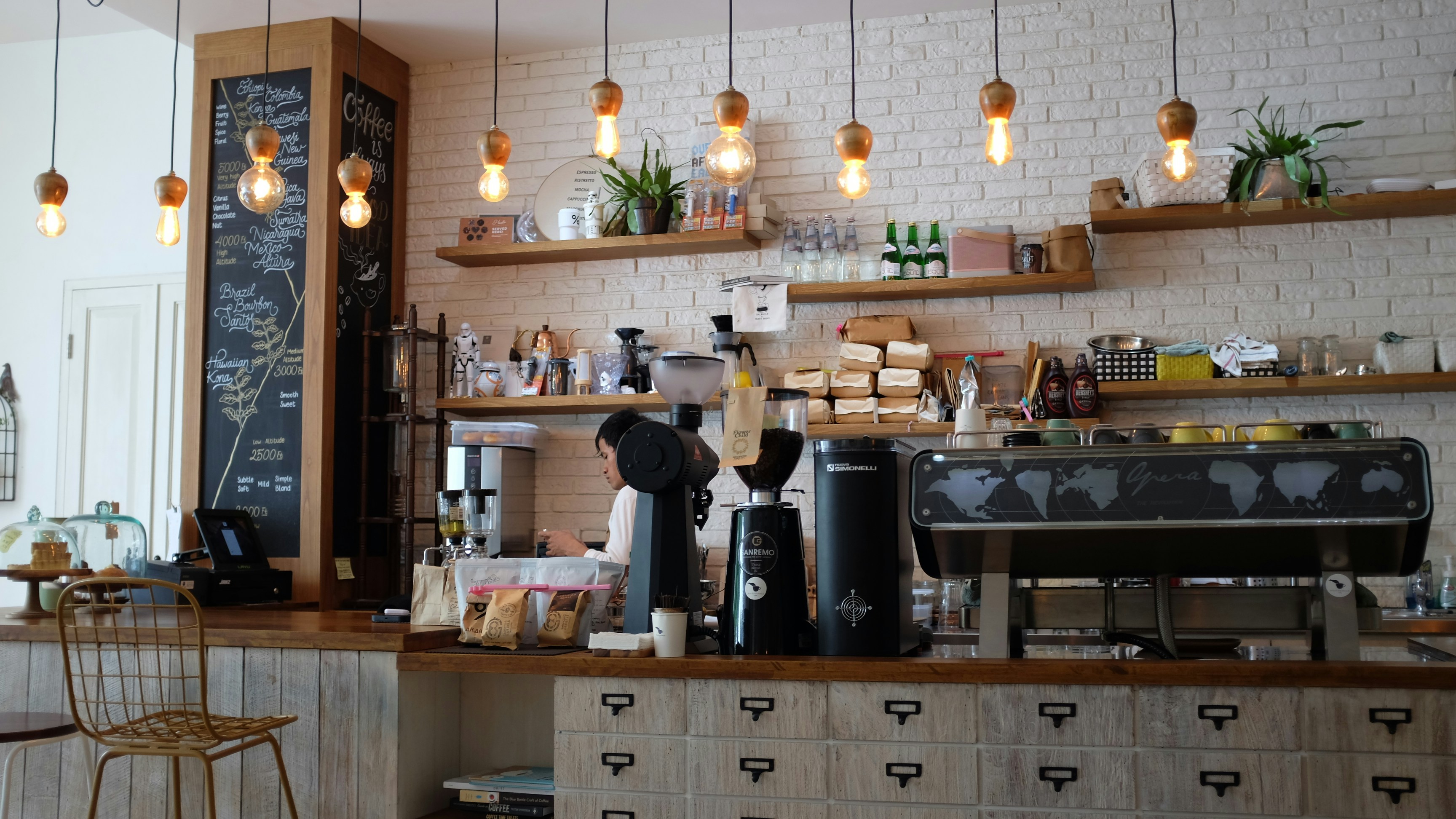
Hardee’s giant Boddie-Noell inks 31-unit Scooter’s Coffee deal for NC and VA, leveraging drive-thru growth and local roots with rollout over 12–18 months.
May 15, 2026

Unlock Exclusive Access To Webinars, Events, And The Latest News For Free!
Starbucks trims 300 corporate roles, opens a Nashville hub, and doubles down on service and efficiency as sales improve. Inside the Back to Starbucks reset.
Photo by Petr Sevcovic
The latest chapter in the reset at Starbucks reads like a careful pruning—firm cuts to encourage healthier growth. On May 15, the company said it will eliminate 300 U.S. corporate support roles, consolidate regional offices, and review its international support organization as part of CEO Brian Niccol’s Back to Starbucks strategy. The move is paired with a practical expansion: a new corporate office in Nashville to anchor growth in the Southeast and bring teams closer to key suppliers. The throughline is consistent and, yes, balanced: less complexity in the back office, more focus where guests feel it most. The question now is how this blend of trimming and targeted planting takes root:
This month’s announcement follows the earlier layoff of 61 technology positions at the company’s Seattle headquarters, and it sits squarely within a broader effort to simplify operations and speed decision-making. While the corporate roles are being reduced and regional sites consolidated, the planned Nashville hub is designed to enhance supplier proximity—a practical choice that treats logistics like an essential ingredient. In a period that demands thoughtful trade-offs, Starbucks is choosing a more nourishing balance between efficiency and frontline experience, signaling a reset that prioritizes what customers taste and teams can sustain day to day.
Hired in September 2024 to reverse a sales slide, Brian Niccol has layered organizational, geographic, and operational reforms since late last year. The results are visible in the cadence of restructuring: roughly 2,000 corporate jobs were cut last year, with $400 million charged to restructuring expenses. A mid-2025 wave eliminated about 900 non‑retail roles and closed more than 400 stores, all under a broader $1 billion transformation plan. Think of it as a mise en place for a vast operation: clear the clutter, re‑stage the line, and free resources for the moments that matter—where the barista, the cup, and the guest meet.
These moves weren’t just about subtraction. They were a way to fund in‑store service improvements while addressing what leadership has framed as a tangle of organizational, geographic, and operational friction points. The intent feels disciplined rather than drastic: reallocate energy to the counter, align support where it’s most useful, and shape a model that can deliver consistent, durable growth. In that sense, the reset aims to be both nourishing and sustainable—less flash, more function, with a steadier hand on everyday execution.
On the ground, the blueprint marries front‑of‑house fixes with back‑of‑house streamlining. Starbucks has added in‑store staff, tweaked technology to eliminate mobile order backups, and spruced up roughly 1,000 shops by year‑end, closing underperforming cafés where the math no longer balances. In parallel, the company is shuttering regional support offices in Atlanta, Burbank, Chicago, and Dallas. It’s a measured re‑composition: invest where the guest feels delight, trim where complexity slows the line. The aim is speed that still feels human, and design that supports a thoughtful rhythm of service.
Leadership is also evaluating international support teams to replicate U.S. efficiencies abroad, a cautious step meant to spread best practices without diluting local nuance. Closing underperforming cafés helps redirect capital toward bright spots, while the polished tech stack and incremental staffing suggest a hospitality‑first posture. The composition feels balanced: a cleaner backroom so that the counter can breathe, and a better prepared front line that can move with intention, not haste. If done well, it becomes a service ecosystem—streamlined, yes, but nourishing where it counts.
The planned corporate hub in Nashville reads as more than real estate—it’s proximity thinking. Anchoring growth in the Southeast while elevating supplier proximity is a practical way to shorten the distance between decision and delivery. A Starbucks spokesperson framed the moment succinctly: “We are taking further action under the Back to Starbucks strategy, building on our strong business momentum and working to return the company to durable, profitable growth. Leaders have taken a hard look at their respective functions to further sharpen focus, prioritize work, reduce complexity and lower costs.” It’s a corporate statement, yes, but it mirrors a culinary truth: when the pantry is organized, service flows.
Tennessee Governor Bill Lee called it “great to welcome Starbucks’ continued investment in TN,” as the state approved $30 million in incentives for the new hub. The Nashville office is expected to create up to 2,000 jobs over five years, with phased operations—temporary activity beginning in May 2026 and permanent offices at the Peabody Union complex in 2027. The structure is intentionally paced: grow where demand is rising, and collocate with partners who help keep the brand’s daily rituals on time. The result could be a more resilient supply chain—another step toward a steady, sustainable cadence.

Resets rarely arrive as a single stroke; they’re plated course by course. Starbucks has paced this one through financial charges, staffing shifts, and a sequenced hub rollout. The rhythm matters because momentum is fragile—too fast and you lose the room, too slow and you lose the plot. Here’s the cadence of what’s been set in motion so far, and how leadership has chosen to balance short‑term discomfort with a longer horizon for operational clarity:
- Initial restructuring charges: $400 million last year, including $280 million in non‑cash asset impairments and $120 million in separation benefits
- Seattle WARN filing: 61 technology layoffs effective May 7
- May 15 announcement: 300 U.S. corporate support roles eliminated and regional offices consolidated
- Nashville rollout: temporary operations starting May 2026; full occupancy at Peabody Union in 2027
Each marker signals a tightening of the back end so the front can move with more grace—a thoughtful, staged approach rather than a blunt reset.
Starbucks is not resetting in isolation. The National Restaurant Association projects just 1.3% sales growth in 2026, with food costs now more than 35% above pre‑pandemic levels. It warns that 10%–15% of outlets could close this year, while chains like Papa John’s and Applebee’s have also shuttered units and trimmed corporate roles. In a climate where consumer budgets feel tighter and menus must stay nimble, the brands that endure will be those that treat efficiency as table stakes and guest experience as the main course—a balanced, nourishing pairing rather than a zero‑sum trade.
Starbucks’ approach—consolidating roles to realign resources while investing in front‑of‑house fixes—mirrors how many operators are navigating rising labor costs and a careful consumer. The planned Nashville hub’s emphasis on supplier proximity also reflects a broader industry instinct: shorten supply lines where you can, and keep the guest experience intact while the back end tightens. It’s a thoughtful stance for a sector learning to do more with less, without letting the plate feel sparse.
Even a well‑seasoned plan carries unknowns. It remains uncertain which international support roles could be affected, and how changes will shape service quality in markets beyond North America. The interaction between a new Nashville hub and Seattle headquarters is also in play, as is whether supply‑chain efficiencies can offset the risks of talent migration. These are not footnotes; they’re the subtleties that determine whether a reset feels seamless or abrupt. The intent is clear—simplify, prioritize, and reduce complexity—but the execution must stay human, paced, and mindful.
Early performance offers encouragement. In its fiscal second quarter, U.S. same‑store sales rose 7.1%, global comparable sales climbed 6.2%, and non‑GAAP EPS jumped 22% to $0.50—its strongest showing in more than two years. Management lifted full‑year guidance to at least 5% comparable sales growth and $2.25–$2.45 in EPS, supported by improved transaction growth and operational leverage. Sustaining that balance—cost discipline matched with guest‑centric investment—will determine whether this reset becomes a durable, profitable growth story. Thoughtful steps now can make room for a service experience that feels genuinely nourishing, for both teams and guests.