How Much Does It Cost to Open a Coffee Shop in 2026?
Opening a coffee shop in 2026 requires careful cost planning across rent, equipment, labor, technology, menu strategy, marketing, and sustainability.
operations
May 15, 2026
Opening a coffee shop in 2026 requires careful cost planning across rent, equipment, labor, technology, menu strategy, marketing, and sustainability.
May 15, 2026

This AI playbook covers restaurant tools for voice ordering, staffing, compliance, menu pricing, inventory, marketing, ChatGPT prompts, and SEO.
May 15, 2026

Hardee’s giant Boddie-Noell inks 31-unit Scooter’s Coffee deal for NC and VA, leveraging drive-thru growth and local roots with rollout over 12–18 months.
May 15, 2026

Wingstop turns match weeks into a multi-sensory festival, aligning bold pop-ups with World Cup energy to build brand affinity and measurable momentum.
May 15, 2026

The parent company behind Dunkin', Buffalo Wild Wings, and Arby's has filed for an IPO a move that could reshape how Wall Street views the restaurant sector.
May 15, 2026

Learn how to develop a memorable restaurant brand identity that stands out in a crowded market, attracts loyal customers, and drives repeat business with actionable strategies and affordable tools.
May 15, 2026

Dirty soda chain Swig is expanding into Colorado through a 10-unit franchise deal, riding a consumer beverage trend that's catching the attention of major QSR players nationwide.
May 15, 2026

Papa Johns has teamed up with Alphabet's Wing for drone delivery of its new sandwich lineup in parts of Charlotte marking the first partnership of its kind between Wing and a national QSR brand.
May 15, 2026

A warm, expert-led look at McDonald’s Q1 results, menu makeover, and the refranchise question shaping its growth.
May 14, 2026

A reflective look at Habit Ranch, its immersive desert activation, and what it signals for brand loyalty and mindful, experiential dining.
May 14, 2026

Unlock Exclusive Access To Webinars, Events, And The Latest News For Free!
Opening a coffee shop in 2026 requires careful cost planning across rent, equipment, labor, technology, menu strategy, marketing, and sustainability.
Opening a coffee shop in 2026 is still a strong business opportunity, but the market is more competitive and expensive than it was a few years ago. Coffee remains part of many customers' daily routines, but successful shops are no longer built around basic brewed coffee alone. Growth is now driven by specialty drinks, cold beverages, functional ingredients, premium flavors, and coffee shops that serve as neighborhood gathering places.
The biggest change is cost. Construction, rent, equipment, labor, packaging, shipping, and technology have all become more expensive. Compared with 2022, many startup budgets are now estimated to be 20-30% higher, which means owners need more capital before opening. A kiosk or mobile cart may still be possible with a leaner budget, but a full brick-and-mortar cafe requires a stronger financial plan and enough working capital to cover the first several months of operations.
Customer expectations have also changed. Guests want speed, convenience, quality, loyalty rewards, mobile ordering, alternative milks, cold brew, and functional add-ins. They are not just buying caffeine; they are buying experience, routine, and value. For new owners, the opportunity is real, but success depends on building a business model that fits the financial and cultural reality of 2026.
The cost of opening a coffee shop in 2026 depends on the format, size, location, menu, and service model. Owners should not start with a general budget and work backward. They should first decide what type of coffee business they are building, then calculate the investment needed to support that model.
A brick-and-mortar cafe typically requires the largest investment because it includes rent, construction, seating, equipment, signage, permits, technology, initial inventory, and staffing. A standard cafe may cost $80,000 to $400,000 to open, depending on square footage, buildout needs, and menu complexity. If the concept includes a full culinary menu, brunch service, evening food items, or a larger kitchen, startup costs can rise to $755,000 or more.
A drive-thru-only coffee shop usually falls between $100,000 and $300,000. This model can be attractive because it focuses on speed, convenience, and high transaction volume. However, owners still need to budget carefully for site layout, traffic flow, ordering windows, equipment placement, signage, POS systems, and labor efficiency. In this model, small delays can directly affect revenue because every extra second in line can reduce the number of customers served during peak hours.
A kiosk or mobile coffee cart is usually the lowest-cost entry point, often ranging from $50,000 to $100,000. This format may require less rent and fewer employees, but it still needs professional equipment, licensing, insurance, storage, commissary space, and reliable supply management.
A lower startup cost can reduce risk, but it can also limit sales capacity, menu options, and customer reach. Owners should compare startup cost against expected sales volume, average order value, labor needs, and break-even timeline before choosing a format.
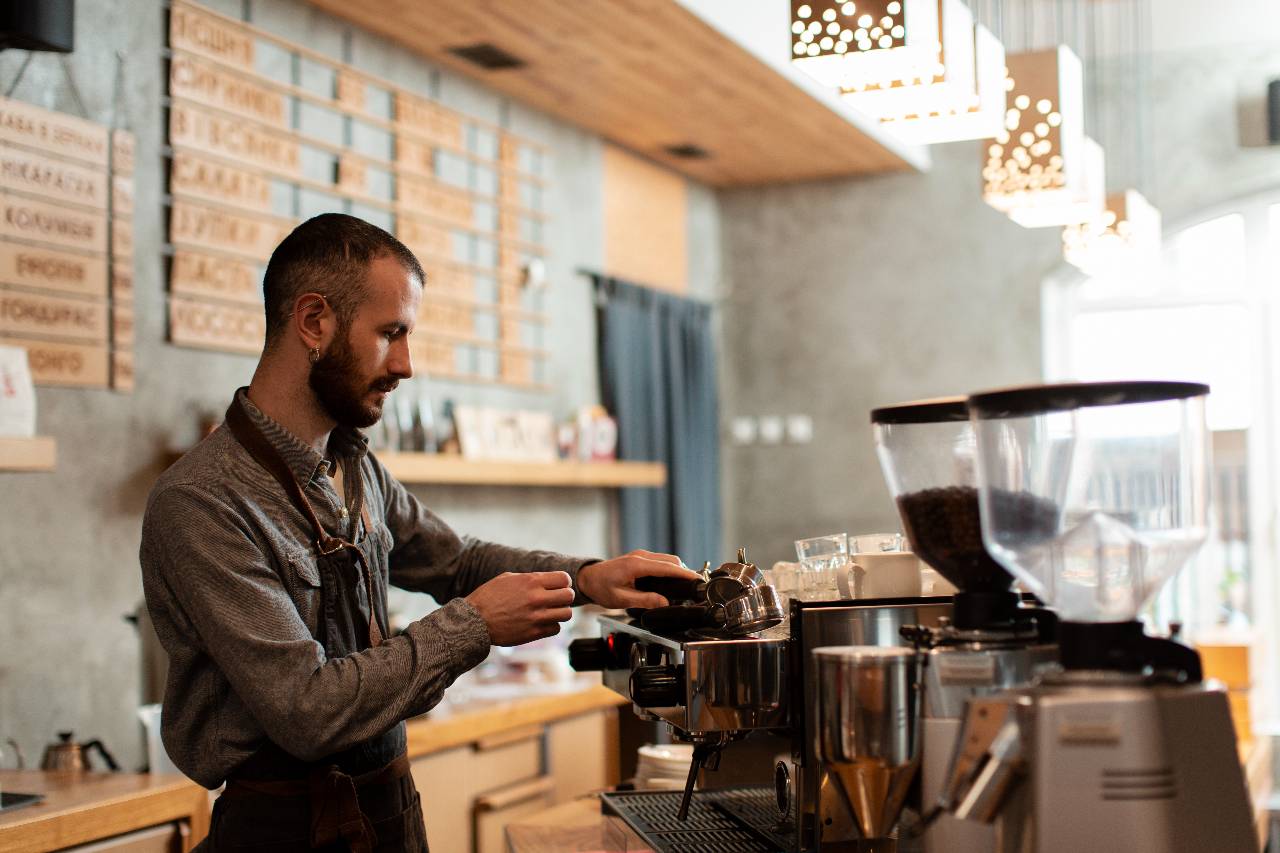
Opening a coffee shop in 2026 requires more than enough money to build the space and buy equipment. Owners also need enough cash to survive the first several months after opening, when sales are still growing but expenses are already due. This is where the three-month burn rule becomes important.
Most new coffee shops do not reach break-even immediately. Even if the location is strong, customers need time to discover the business, build habits, join loyalty programs, and return regularly. During that ramp-up period, the owner still has to cover payroll, rent, utilities, inventory, loan payments, marketing, insurance, repairs, and software costs.
1. Plan for Three to Six Months of Operating Expenses
Owners should budget for at least three months of cash reserves, and ideally closer to six months if the buildout is expensive or the market is competitive. This reserve protects the business if sales are slower than expected after opening.
2. Know Your Monthly Burn Rate
The burn rate is the amount of cash the business spends each month before it becomes profitable. For a coffee shop, this may include labor, rent, utilities, supplies, food and beverage inventory, packaging, marketing, insurance, and technology fees. If monthly expenses are $40,000, the owner should know how many months they can operate before cash runs low.
3. Separate Startup Costs from Operating Cash
A common mistake is using all available money on construction, equipment, furniture, and branding. That may get the shop open, but it leaves little money to operate. Owners should separate the budget into two categories - opening costs and working capital.
4. Build the Break-Even Target Before Opening
Owners should calculate how much revenue is needed each month to cover fixed and variable costs. For example, if monthly expenses are $50,000 and the average order value is $8, the shop needs roughly 6,250 orders per month just to cover expenses. That equals about 208 orders per day in a 30-day month.
5. Use AOV to Improve the Financial Model
Average order value matters. A coffee-only model may depend on high transaction volume, while a cafe with pastries, breakfast items, or brunch can raise the average ticket. Increasing AOV from $7 to $10 can significantly reduce the number of daily orders needed to break even.
6. Avoid Underfunding the Opening Period
If the business runs short on cash too early, owners may be forced to cut labor, reduce inventory, delay marketing, or lower service quality. These cuts can hurt the customer experience at the exact moment the shop needs to build repeat traffic.
A coffee shop should not be planned only around what it costs to open. It should be planned around what it costs to stay open long enough to become profitable.
Location is one of the biggest financial decisions when opening a coffee shop. A strong location can create steady traffic, higher sales, and better brand visibility. A weak location can force the business to overspend on marketing, discounting, or delivery just to bring customers in. In 2026, owners need to evaluate location based on rent, buildout cost, customer behavior, and daily traffic patterns.
1. Understand the True Cost of Rent
Rent should not be reviewed as a monthly number only. Owners should compare rent against projected sales. If rent is too high, the shop may need unrealistic sales volume just to break even. National commercial averages may sit around $9.00-$10.00 per square foot, but major markets like New York City and Los Angeles can see monthly rents between $8,000 and $12,000 or more. Before signing a lease, owners should calculate how many drinks, food items, and daily transactions are needed to support that rent.
2. Study the Micro-Market, Not Just the City
A good coffee shop location is not always in the busiest part of town. Owners should study the specific block, nearby apartments, office buildings, schools, gyms, hotels, parking access, and pedestrian flow. In 2026, "neighborhood hub" locations are becoming more important because many office workers are still on hybrid schedules. This creates demand in residential and mixed-use areas where customers want coffee close to home.
3. Plan for Higher Renovation Costs
Renovation is often one of the most underestimated startup expenses. Construction costs may average $100-$300 per square foot, depending on the condition of the space, plumbing, electrical work, ventilation, ADA requirements, and kitchen needs. A second-generation cafe space may reduce costs, while a raw space may require major investment before the first sale is made.
4. Check Utility and Infrastructure Needs Early
Coffee shops need more than attractive interiors. Owners must confirm that the space can support espresso machines, refrigeration, ice machines, dishwashing, water filtration, drainage, internet, security systems, and POS hardware. If electrical, plumbing, or HVAC upgrades are needed, the opening budget can increase quickly.
5. Negotiate Free Rent Before Opening
Owners should try to negotiate at least 90 days of free rent during the buildout period. Permits, inspections, equipment delivery, and construction delays can take longer than expected. Without free rent, the owner may be paying full rent before the shop is generating revenue.
6. Match Location to the Service Model
A sit-down cafe needs seating, atmosphere, dwell time, and strong neighborhood appeal. A drive-thru needs car visibility, easy entry and exit, and fast lane movement. A kiosk or cart needs foot traffic and simple ordering. The best location is the one that supports the business model, not just the one with the most people nearby.
A coffee shop should feel inviting to customers, but financially, the space must support enough daily transactions to cover fixed costs and leave room for profit.
Equipment is one of the largest startup costs for a coffee shop, and in 2026, owners need to plan beyond the basic espresso machine and grinder. The modern coffee shop depends on speed, consistency, cold beverage production, refrigeration, payment flow, and labor efficiency. Every equipment decision should support the menu, expected volume, and service model.
1. Budget for Professional Espresso Equipment
A professional espresso machine can cost $15,000 to $19,000, and that does not include grinders, water filtration, installation, maintenance, or training. Owners should not buy equipment based only on price. The machine needs to handle peak-hour demand without slowing down service. If the shop expects heavy morning traffic, the wrong machine can create long wait times, inconsistent drinks, and lost sales.
2. Plan for the Cold Drink Revenue Shift
Cold beverages are no longer a seasonal add-on. In 2026, cold drinks can represent a major share of coffee shop revenue. That means owners need to budget for cold brew systems, ice machines, refrigeration, nitro taps, storage, cups, lids, and flavor stations. These items add to startup costs, but they are important if the menu depends on iced lattes, cold brew, matcha, refreshers, protein coffee, or specialty cold drinks.
3. Invest in Ice and Refrigeration Early
Ice capacity is often underestimated. A shop that runs out of ice during a rush cannot properly sell iced drinks, blended drinks, or cold brew-based beverages. Refrigeration is also critical for milk, alternative milks, syrups, pastries, prepared foods, and functional ingredients. Owners should calculate storage needs based on daily sales volume, delivery schedules, and menu complexity.
3. Consider Automation to Control Labor Pressure
Super-automatic machines can cost $20,000 or more, but they may help reduce training time, improve consistency, and support faster service during peak periods. This can be especially useful when labor costs are high or when the shop depends on newer staff. Automation does not replace hospitality, but it can reduce drink errors and help teams move faster.
4. Match Equipment to the Menu Strategy
A simple coffee and pastry shop may not need the same equipment as a cafe offering brunch, sandwiches, protein drinks, nitro beverages, and evening food. The more complex the menu, the more equipment is needed for prep, storage, cooking, holding, and cleaning. Owners should build the menu first, then decide what equipment is required to execute it profitably.
5. Include Maintenance and Replacement Costs
Equipment costs do not stop after opening day. Espresso machines, grinders, refrigeration units, ice machines, and dishwashers need regular maintenance. Owners should budget for service contracts, emergency repairs, water filter replacements, and backup solutions. A broken espresso machine or ice machine can directly reduce revenue.
Cheap equipment can save money upfront, but unreliable equipment can cost more through downtime, slow service, poor drink quality, and lost customers.
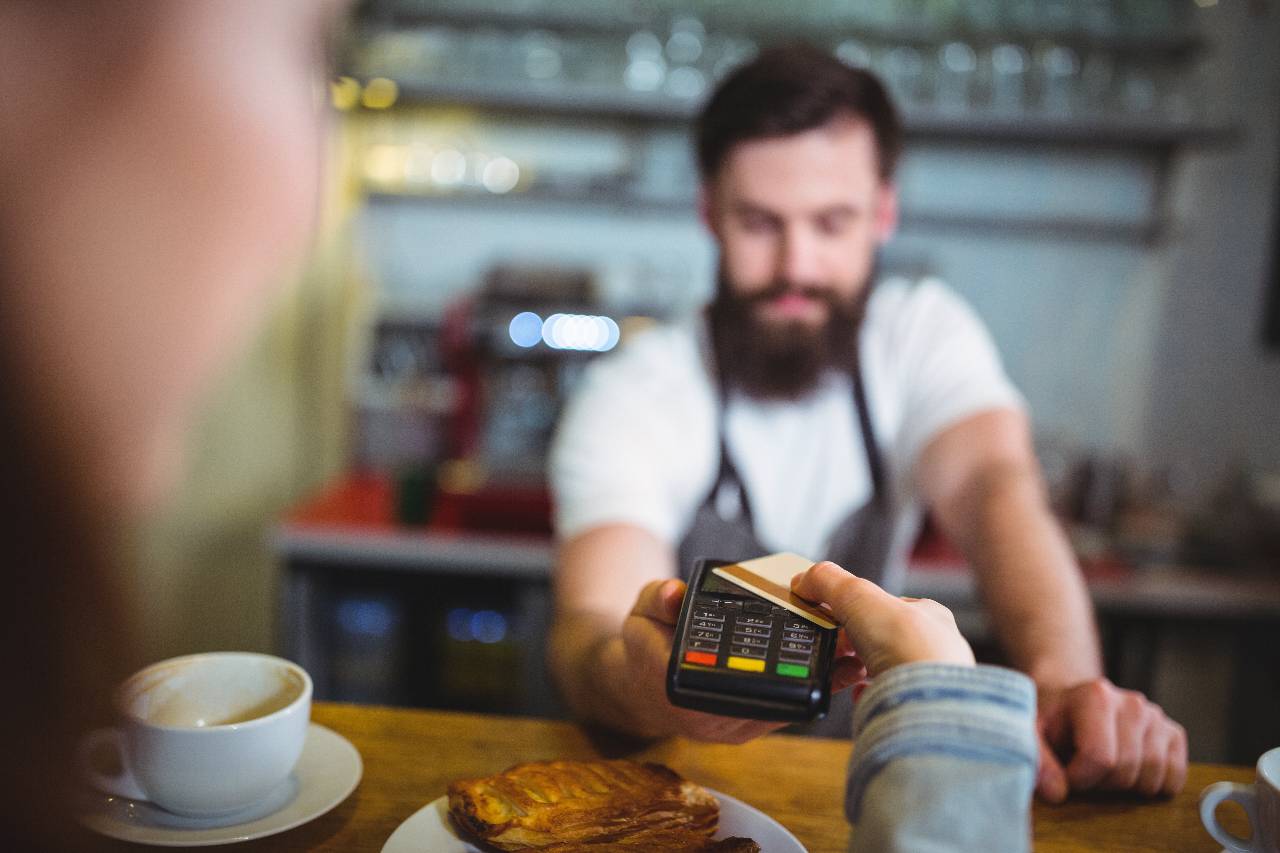
Technology is no longer just a back-office tool for coffee shops. In 2026, it directly affects revenue, labor efficiency, order accuracy, and customer retention. A slow ordering process can create long lines, abandoned purchases, frustrated employees, and missed peak-hour sales. For coffee shop owners, the goal is to make every transaction faster, easier, and more measurable.
1. Choose a POS System That Supports Speed
Modern POS systems may cost between $1,000 and $8,000, depending on hardware, software, payment processing, loyalty tools, and integrations. Owners should not choose a POS based only on monthly cost. They should evaluate how quickly employees can enter orders, customize drinks, process payments, apply loyalty rewards, and manage modifiers. In a high-volume coffee shop, even a few extra seconds per transaction can reduce the number of customers served during the morning rush.
2. Measure Transaction Time as a Revenue Metric
Speed should be tracked like sales, labor, and inventory. A practical 2026 goal is to process orders in under five seconds once the customer is ready to pay. Faster transactions help reduce queue abandonment, especially during peak hours when customers are on their way to work, school, or appointments. If the line looks too long or the payment process feels slow, customers may leave before ordering.
3. Build Around Mobile-First Customers
Customers now expect digital convenience. Mobile ordering, QR-code ordering, saved payment methods, digital receipts, and app-based loyalty programs are no longer optional for many coffee shop concepts. These tools help customers order ahead, skip the line, and reorder favorite drinks quickly. For owners, mobile ordering also creates cleaner data on customer habits, peak times, best-selling items, and repeat visits.
4. Use Loyalty Programs to Increase Repeat Sales
A strong loyalty program should do more than offer a free drink after several visits. It should help owners understand customer behavior. Data from loyalty programs can show visit frequency, average order value, preferred items, and inactive customers. This allows the shop to send targeted offers, promote new menu items, and encourage repeat traffic without relying only on broad discounts.
5. Connect POS Data to Labor and Inventory
The best technology decisions connect sales data to daily operations. If the POS shows that iced lattes, matcha, and protein coffee spike between 7 a.m. and 10 a.m., owners can adjust staffing, prep, milk orders, ice production, and ingredient levels. This reduces waste, improves service speed, and helps managers schedule based on real demand instead of guesswork.
6. Make Payments Simple and Flexible
Customers expect to pay with cards, mobile wallets, apps, gift cards, and contactless options. Payment friction can slow down the line and hurt the customer experience. Owners should make sure their payment setup is reliable, fast, and easy for staff to troubleshoot. Backup internet, offline payment capability, and clear closing procedures are also important for protecting revenue.
7. Track the Right Technology Metrics
Owners should review digital order volume, average transaction time, loyalty participation, mobile order percentage, refund rates, voids, discounts, and sales by channel. These numbers help show whether technology is improving the business or creating extra complexity.
A coffee shop does not need every new tool on the market, but it does need a fast POS, simple payments, reliable loyalty tracking, and clear data that helps owners make better decisions every day.
A coffee shop menu in 2026 needs to do more than list drinks. It should help drive revenue, increase average order value, support repeat visits, and separate the brand from competitors. Customers still want classic coffee options, but many also expect cold drinks, wellness-focused beverages, alternative milks, global flavors, and food items that fit different parts of the day.
1. Build the Menu Around Average Order Value
Average order value, or AOV, is one of the most important financial metrics for a coffee shop. If the average customer spends $6, the shop needs a high number of daily transactions to cover labor, rent, and equipment costs. If the average ticket increases to $9 or $10 through add-ons, food pairings, specialty drinks, and premium ingredients, the business can reach revenue goals with fewer transactions. Owners should design the menu to encourage profitable combinations, such as coffee with pastries, protein drinks with breakfast items, or cold brew with grab-and-go food.
2. Add Functional Beverages Carefully
Functional drinks are growing because customers are treating coffee as part of a wellness routine. Ingredients such as Lion's Mane, Reishi, adaptogens, protein, collagen, and other functional add-ins can create premium menu opportunities. However, owners should track ingredient costs closely. These items may support higher pricing, but they can also increase waste if demand is inconsistent. Start with a small number of functional drinks, monitor sales, and expand only when the data supports it.
3. Make Cold Drinks a Core Revenue Category
Cold beverages should not be treated as a seasonal menu section. Iced lattes, cold brew, nitro coffee, refreshers, matcha, protein coffee, and flavored cold drinks can drive a large share of sales. Owners should track cold drink sales by daypart, weather, and season to understand demand patterns. If cold beverages are a major revenue driver, the shop must also have enough ice, refrigeration, cups, lids, and prep capacity to support peak demand.
4. Use Global Flavors to Differentiate
Traditional vanilla, caramel, and mocha are still familiar, but many customers are looking for more interesting flavor profiles. Options like miso-caramel, salted pistachio, ube, cardamom, sesame, lavender, honey, and seasonal spice blends can help a coffee shop stand out. These flavors should be priced and tested carefully. A specialty flavor may attract attention, but it should also move enough volume to justify ingredient cost and prep time.
5. Treat Alternative Milks as Standard, Not Special
Oat milk, almond milk, and pea-protein milk are now expected by many customers. Instead of treating alternative milks as unusual add-ons, owners should decide how they fit into pricing and margin strategy. Some shops may still charge extra, while others may price alternative milk the same as dairy to increase order volume and simplify the customer experience. The right decision depends on ingredient cost, customer expectations, and local competition.
6. Use Food to Increase Ticket Size
A coffee-only model can work, but food can help raise AOV and create more sales opportunities throughout the day. Pastries, breakfast sandwiches, protein boxes, brunch items, salads, and light lunch options can increase customer spend and reduce dependence on morning drink traffic. A full culinary menu requires more labor, equipment, refrigeration, and food safety controls, so owners should compare the added revenue against the added complexity.
7. Track Menu Profitability, Not Just Popularity
A best-selling drink is not always the most profitable item. Owners should review ingredient cost, prep time, waste, price, and margin for each menu item. A drink with strong sales but expensive ingredients may produce less profit than a simpler item with lower cost and faster execution. Menu decisions should be based on contribution margin, order volume, and operational impact.
A strong 2026 coffee menu should support speed, margin, repeat visits, and higher average order value without becoming too complicated for the team to deliver consistently.
The final part of opening a coffee shop in 2026 is building a business that customers trust, employees can execute, and the market can recognize. Labor, marketing, and sustainability are not separate issues. They all affect profitability. A shop can have strong coffee and a good location, but if labor costs are uncontrolled, marketing is inconsistent, or sustainability claims feel weak, the business may struggle to build repeat traffic.
1. Plan for Labor as a Major Cost Driver
Labor is one of the most expensive line items in a coffee shop. In many markets, labor can account for 30-40% of operating costs. In major cities, a small shop may spend $14,000 to $25,000 per month on wages, payroll taxes, training, and scheduling coverage. Owners should build labor into the financial model before opening, not after sales begin.
2. Schedule Based on Demand
Coffee shops have clear demand patterns. Morning rush, lunch traffic, afternoon cold drink sales, weekends, weather changes, and local events can all affect staffing needs. Owners should use POS data to schedule by hour and day-part. Overstaffing reduces profit, while understaffing slows service and can push customers away during peak periods.
3. Train Staff as Brand Educators
Modern coffee shop employees are not just order takers. Customers may ask about origin, roast style, alternative milks, functional ingredients, regenerative sourcing, or flavor profiles. Staff should be trained to explain the menu clearly and confidently. This can improve upselling, customer trust, and repeat visits.
4. Use Marketing to Build Local Visibility
A coffee shop needs consistent local marketing before and after opening. Owners should focus on Google Business Profile optimization, local SEO, social media content, customer reviews, email lists, loyalty promotions, and community partnerships. The goal is to make the shop easy to find when customers search for coffee nearby.
5. Shift Away from Heavy Discounting
Discounting can bring in short-term traffic, but it can also train customers to wait for deals. In 2026, many coffee shops are moving away from constant discounts and focusing instead on loyalty value, limited-time drinks, bundled food pairings, and premium experiences. This helps protect margin while still giving customers a reason to return.
6. Build Sustainability Into Pricing
Sustainability is no longer just a marketing message. Compostable packaging, ethical sourcing, regenerative coffee, waste reduction, and responsible supply chains all affect costs. Some shops are phasing out small "bring your own cup" discounts and building sustainability expenses into the overall pricing model. This creates a cleaner financial structure and avoids depending on small behavior-based discounts.
7. Highlight Regenerative Sourcing Carefully
Customers are becoming more aware of the difference between basic labels and deeper sourcing practices. Regenerative sourcing focuses on soil health, biodiversity, and long-term farming impact. If a shop makes these claims, owners should make sure suppliers can support them with clear information. Strong sourcing stories can support premium pricing, but vague claims can hurt trust.
8. Use Digital PR and Micro-Influencers Strategically
AI-driven marketing tools, micro-influencer partnerships, and local creator campaigns can help drive awareness without requiring a large advertising budget. Owners should prioritize creators who reach the shop's actual neighborhood or target customer base. The best campaigns should be measured by traffic, new customer visits, loyalty signups, online reviews, and repeat orders.
Labor must be managed with data. Marketing must create steady local demand. Sustainability must be built into the business model, not treated as an afterthought. In 2026, successful coffee shops are not just selling coffee; they are selling speed, experience, values, and consistency.