
Smoothie King Revamps Stores and Menu for Next Growth
Smoothie King launches store redesigns, broader menu, and franchise support to fuel 2026 growth amid GLP-1 trends and rising protein demand.
news
May 17, 2026
Smoothie King launches store redesigns, broader menu, and franchise support to fuel 2026 growth amid GLP-1 trends and rising protein demand.
May 17, 2026
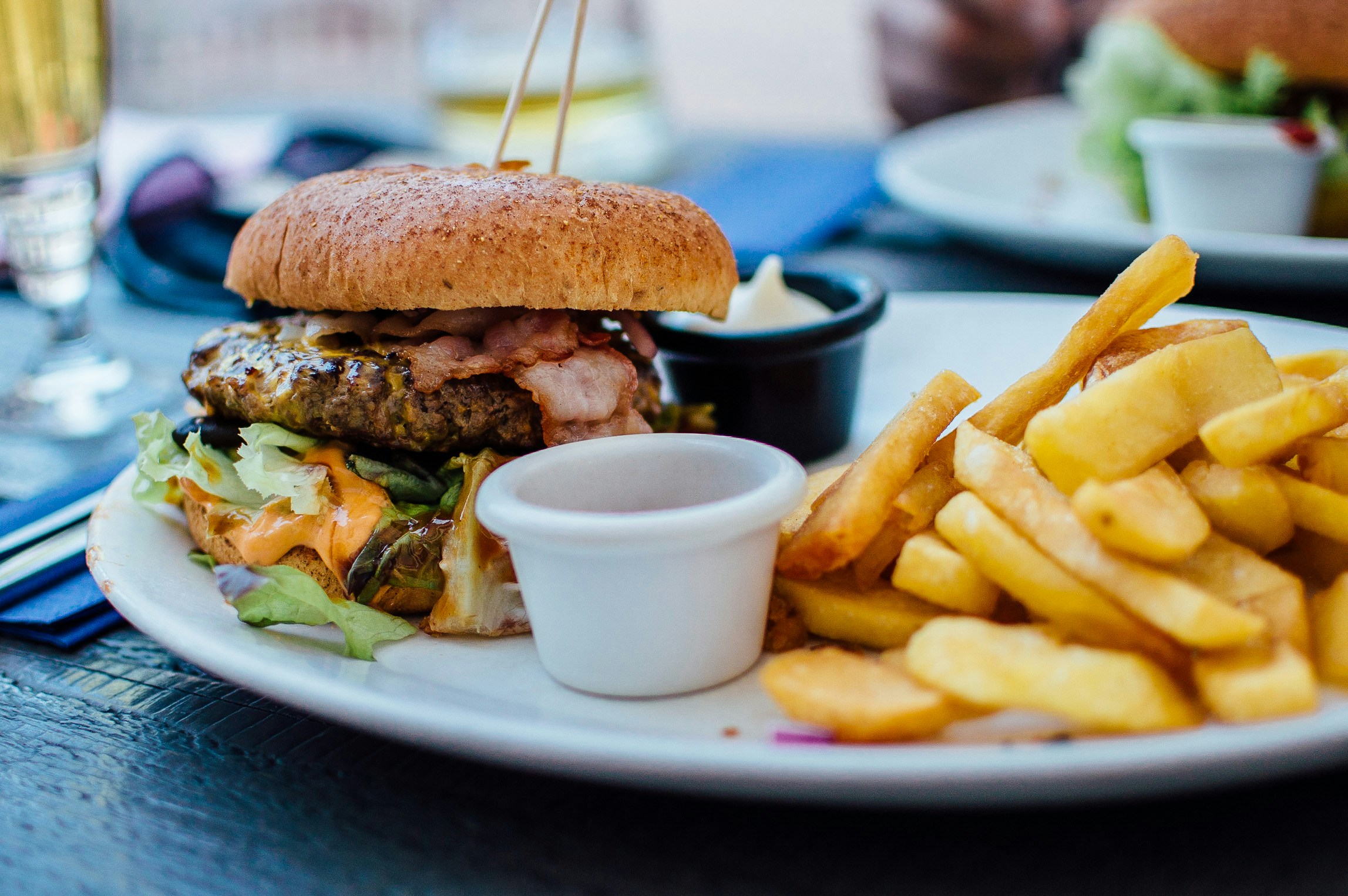
Amid rising beef costs, burger chains use R&D, LTOs, and co-creation to drive growth while keeping core menus steady and guest loyalty nourished.
May 17, 2026
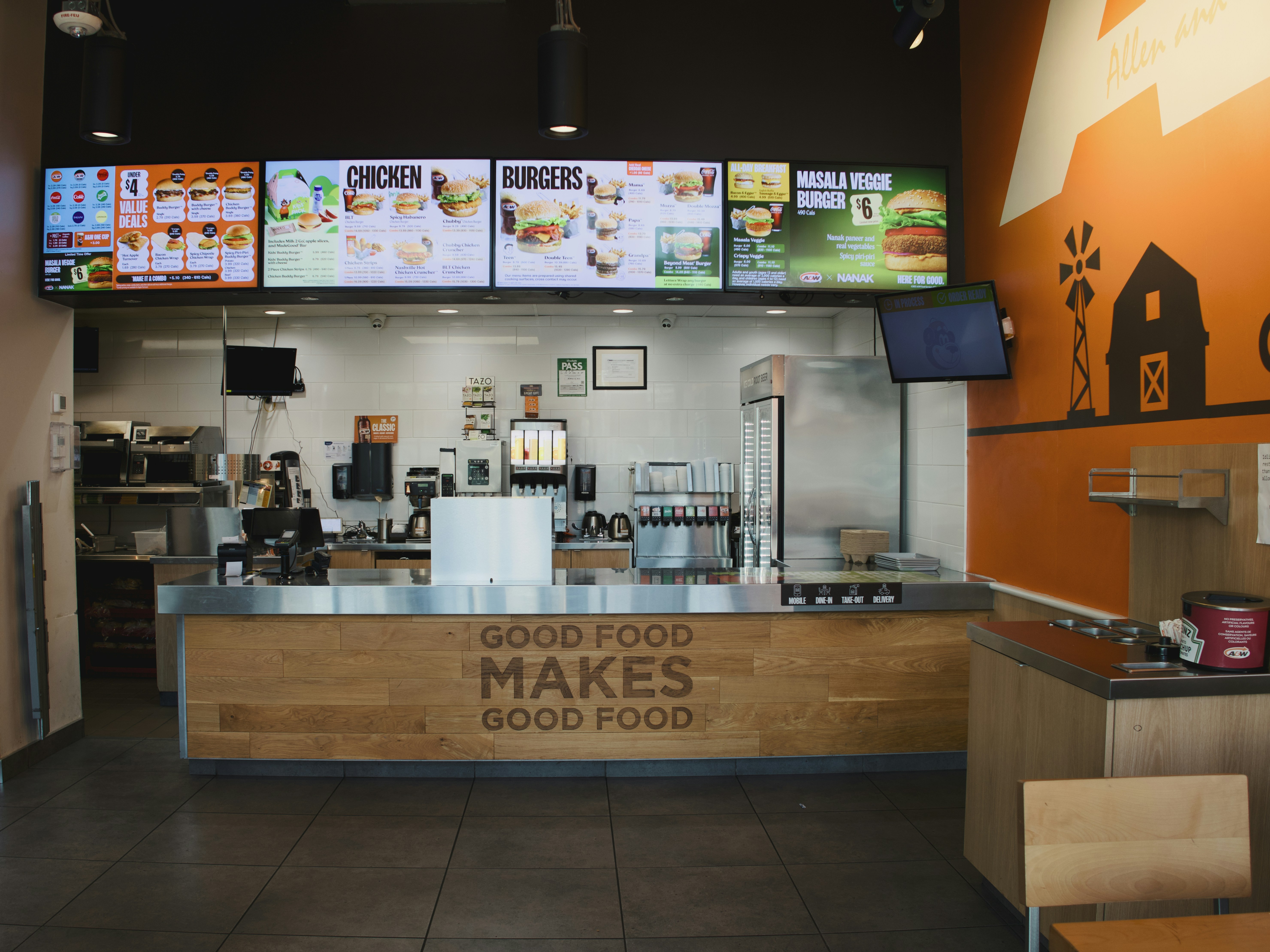
Inside 449 mystery shops: how mobile order-ahead reshapes QSR speed, satisfaction, and revenue—and where operations still stumble.
May 17, 2026

SB 22 lifts cash-out to $15, squeezing breakage and raising compliance stakes. What retailers must fix before April 1, 2026.
May 17, 2026

Starbucks trims 300 corporate roles, opens a Nashville hub, and doubles down on service and efficiency as sales improve. Inside the Back to Starbucks reset.
May 17, 2026
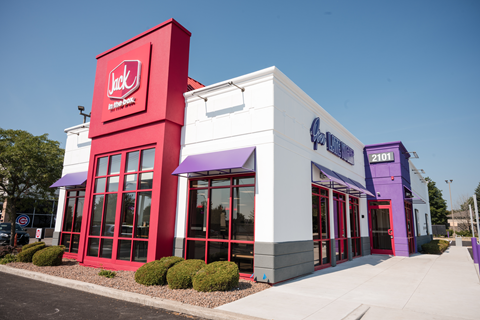
Interim CEO Mark King accelerates 'Jack on Track' with up to 200 closures, real estate sales, and a value-first menu amid sales declines.
May 17, 2026

QSR 50 invites U.S. quick-service brands to submit 2024 sales by May 15 for its August 2025 rankings, with data validated by Datassential.
May 17, 2026

This AI playbook covers restaurant tools for voice ordering, staffing, compliance, menu pricing, inventory, marketing, ChatGPT prompts, and SEO.
May 15, 2026

Opening a coffee shop in 2026 requires careful cost planning across rent, equipment, labor, technology, menu strategy, marketing, and sustainability.
May 15, 2026

Hardee’s giant Boddie-Noell inks 31-unit Scooter’s Coffee deal for NC and VA, leveraging drive-thru growth and local roots with rollout over 12–18 months.
May 15, 2026

Unlock Exclusive Access To Webinars, Events, And The Latest News For Free!
QSR 50 invites U.S. quick-service brands to submit 2024 sales by May 15 for its August 2025 rankings, with data validated by Datassential.
Photo by Heidi Kaden
The annual heartbeat of quick service returns with intention: the QSR 50 has opened submissions for its August 2025 showcase, inviting U.S. quick-service brands to step into the industry’s most-read, sales-ranked leaderboard. Framed as a clear, data-first portrait of performance, the report offers a balanced snapshot of where operators are excelling—and where momentum is building. For growth-minded teams, this is a nourishing kind of visibility: focused, comparable, and nationally recognized. The invitation from QSR magazine is straightforward, and the path to participation is cleanly marked. What does it take to enter, and what happens next:
Operators are asked to submit year-end 2024 U.S. system-wide sales, average unit volume, and unit counts by May 15 via the form provided by QSR. Data are collected between March and May and validated with analytics from Datassential to ensure accuracy and consistency across submissions. The publication keeps communications centralized: QSR Managing Editor Ben Coley invites operators directly—“Think your brand will make the cut this year? Fill out the form below.”—and channels all questions to a single inbox for clarity. The result is a thoughtful, streamlined process that keeps the focus on clean numbers and comparable results—an approach that feels both rigorous and accessible.
Since its early charts in the mid-2000s, the QSR 50 has grown into a definitive benchmark. The 2025 cycle introduces the first-ever QSR 50 Ten-Year Report, a retrospective that considers how America’s leading quick-service concepts navigated a decade marked by digital delivery booms, menu experimentation, and the rise of loyalty ecosystems. That sweep of time matters: it balances quarter-to-quarter hustle with a longer view of what sticks, offering operators a more nourishing lens on durable progress versus fleeting momentum. The Ten-Year Report promises a carefully composed throughline across years of innovation and operational pivots.
QSR magazine maintains an archive that traces the program’s cadence and methodology through the 2019–2024 editions, underscoring methodological continuity year over year. That consistency helps ground the Ten-Year Report’s reflections in comparable, sales-driven reality. For brands, it adds a thoughtful backdrop to today’s decisions: how do recent wins align with a decade of change, and where does disciplined execution show up on the scorecard? The retrospective becomes less of a look back and more of a guide rail—context that supports measured growth and practical strategy in a category that rarely stands still.
Ranking is based solely on U.S. system-wide sales, with the top 50 companies published in the August 2025 issue alongside additional contenders. The clarity of that single metric brings traction: it’s a common yardstick that keeps comparison clean. In last year’s report, McDonald’s led with $53,135 million in U.S. sales, followed by Starbucks at $28,700 million and Chick-fil-A at $21,586 million. These figures do more than crown winners—they anchor the spectrum against which fast-rising players can gauge distance and pace. For operators and teams, it’s a straightforward, balanced way to measure progress relative to the market.
A clean submission keeps you in the flow of this nationally recognized snapshot.
- Core financials: Gather 2024 U.S. system-wide sales, average unit volume, and unit counts in final form.
- Internal verification: Align timing and accounting practices for consistency before sending.
- Timely handoff: Meet the May 15 deadline to ensure review and inclusion.
- Visibility planning: Prepare for the August 2025 publication window and potential digital previews to subscribers.
That readiness supports a thoughtful submission and a smooth path through the Datassential validation that follows.
Growth in quick service rarely arrives in a straight line; it accrues through a series of thoughtful shifts—new channels, smarter engagement, focused product moves. The Ten-Year Report highlights a marketplace that has been rapidly rewired, and the QSR 50 offers a clear way to see how those changes translate to sales. For leaders balancing short-term gains with long-term health, the leaderboard becomes practical context: a balanced, evidence-led lens on where digital bets and loyalty playbooks have truly paid off, and where the work continues in search of sustainable traction across formats and dayparts.
According to QSR’s decade-spanning view, mobile orders have grown to account for more than 40 percent of total transactions across leading quick-service brands, while loyalty program adoption has doubled since 2015. The global fast-food market is projected to reach $813.9 billion by 2028, growing at a 4.6 percent compound annual rate. Inclusion in the QSR 50 offers a way to benchmark performance against this fast-changing backdrop, giving operators and investors a clear, sales-driven read on where momentum is building and how channel mixes are reshaping baselines across the category’s biggest players.
When transactions shift and programs scale, a validated ranking helps ground decision-making. The QSR 50 becomes a shared reference point—a nourishing context for capital planning, franchisee interest, and operational focus—so teams can pursue growth with clarity rather than guesswork, and celebrate progress that stands up to scrutiny.
Transparency sits at the center of the methodology. The QSR 50 relies on self-reported sales and unit counts, which can vary in timing and accounting practices across franchised operations. The focus on U.S. system-wide sales excludes international performance, and brands that opt out of submission risk omission despite strong growth. While the core framework has remained consistent, emerging models—such as virtual kitchens or delivery-only concepts—may require future adjustments to keep comparisons balanced. The premise is clear: keep the lens tight, keep the math aligned, and maintain a level field that reflects how the category actually performs in the U.S.
Operators have from early March until the firm May 15 deadline to submit data. After the cutoff, editorial and Datassential teams reconcile figures and compile the leaderboard. Final rankings will be published in the August 2025 issue of QSR magazine, with advance digital previews distributed to subscribers. Companies that miss the deadline remain eligible for the 2026 cycle but forgo this year’s high-visibility August showcase. The timeline favors prepared brands: those who organize early can step confidently into the spotlight, while late movers accept a longer wait for the same stage.
Placement in the QSR 50 signals market leadership in a data-driven, nationally recognized forum. For quick-service operators, a ranking can catalyze franchisee interest, inform capital-allocation choices, and elevate brand prestige. With the new Ten-Year Report adding long-view context and a fast-approaching deadline, submission becomes a balanced act of ambition and discipline—a chance to show where the work is landing today, and how thoughtfully it’s been built to last.