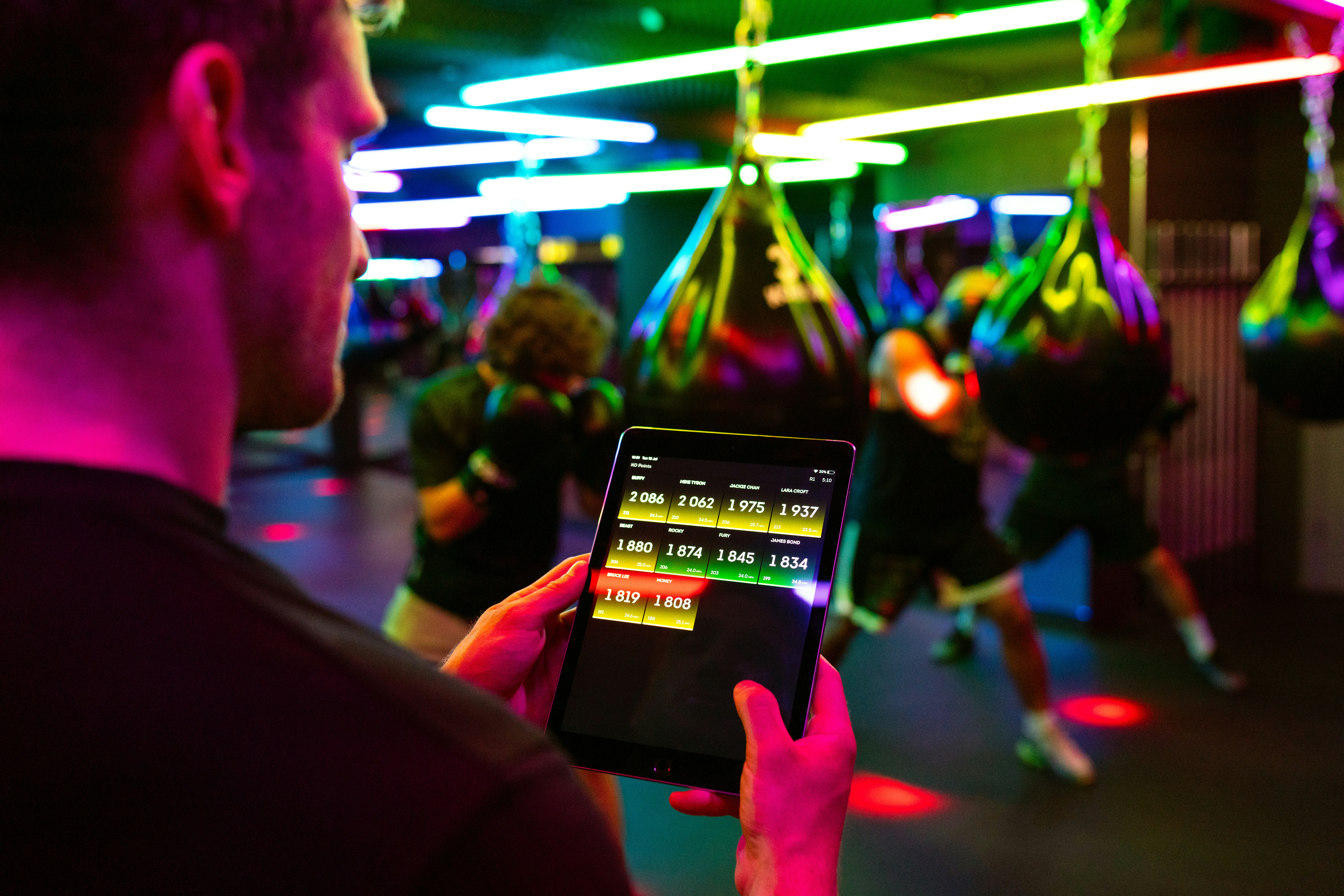
FT Undercover: Hotworx, YogaSix, Barre3 in Twin Cities
FT Undercover tests Hotworx, YogaSix and Barre3 in the Twin Cities, highlighting heat, coaching, pricing, and the FTC action involving Xponential Fitness.
franchising
Jun 4, 2026
FT Undercover tests Hotworx, YogaSix and Barre3 in the Twin Cities, highlighting heat, coaching, pricing, and the FTC action involving Xponential Fitness.
Jun 4, 2026

Qdoba secures $435M via whole business securitization to refinance debt, fund remodels and digital makelines, and fuel its push to ~2,000 units.
Jun 4, 2026
To file a clean, on-deadline restaurant trade piece, I need structured facts: names, dates, quotes, numbers, locations, timing, metrics, constraints, and verification.
Jun 4, 2026

Arts-first preschool chain Building Kidz continues U.S. expansion while facing a wrongful death suit and appealing a California penalty.
Jun 4, 2026

How to choose and configure equipment for consistent, scalable restaurant operations, with market data, AI trends, and energy-efficiency considerations.
Jun 4, 2026

Ice cream brand Salt & Straw explores a sale valuing it at $200M, tapping Piper Sandler as advisor while emphasizing culture, growth, and majority ownership.
Jun 4, 2026

Five Iron Golf launches cash simulator tournaments with a live app leaderboard, varied formats, and a $20,000 prize pool, backed by a Series E as national rollout accelerates.
Jun 4, 2026
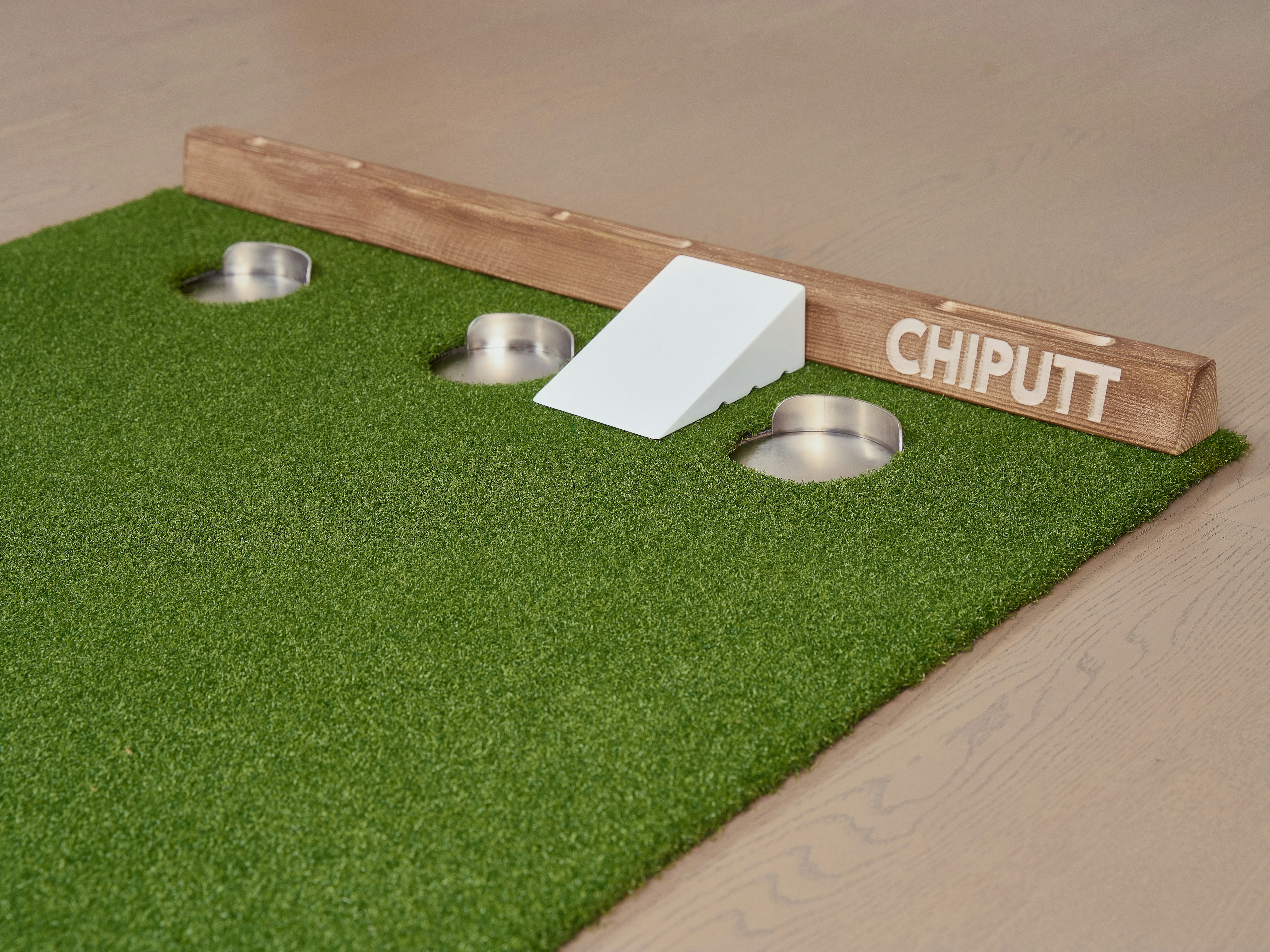
Indoor golf franchises scale as Callaway trims Topgolf, automation boosts margins, and demand accelerates across U.S. simulator chains.
Jun 4, 2026
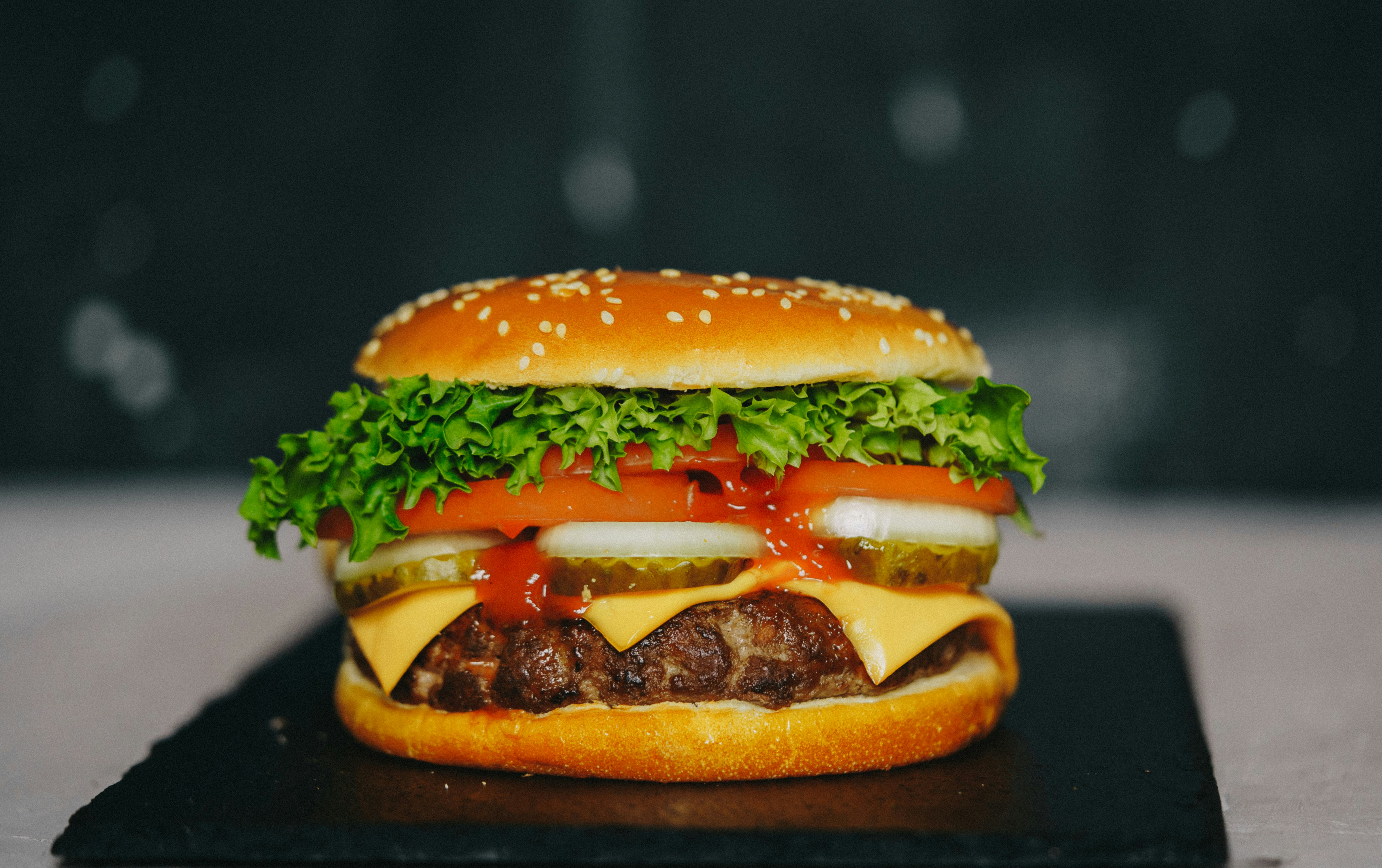
Big chains blend global flavors with familiar formats to drive traffic. Case studies from Shake Shack, Bobby’s, and Rōti, plus trend and performance data.
Jun 4, 2026
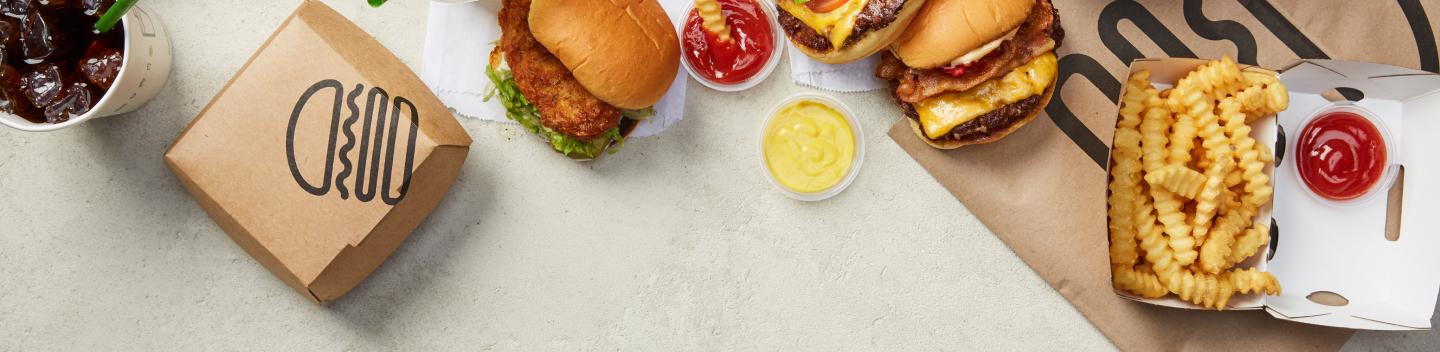
Shake Shack lowered Q2 and full-year guidance amid a value war and macro headwinds; shares fell 9% as analysts cut targets and the company tightened openings.
Jun 4, 2026

Unlock Exclusive Access To Webinars, Events, And The Latest News For Free!
Discover the key features of restaurant inventory management software, how to monitor food costs, as well as the importance of automation in inventory monitoring.
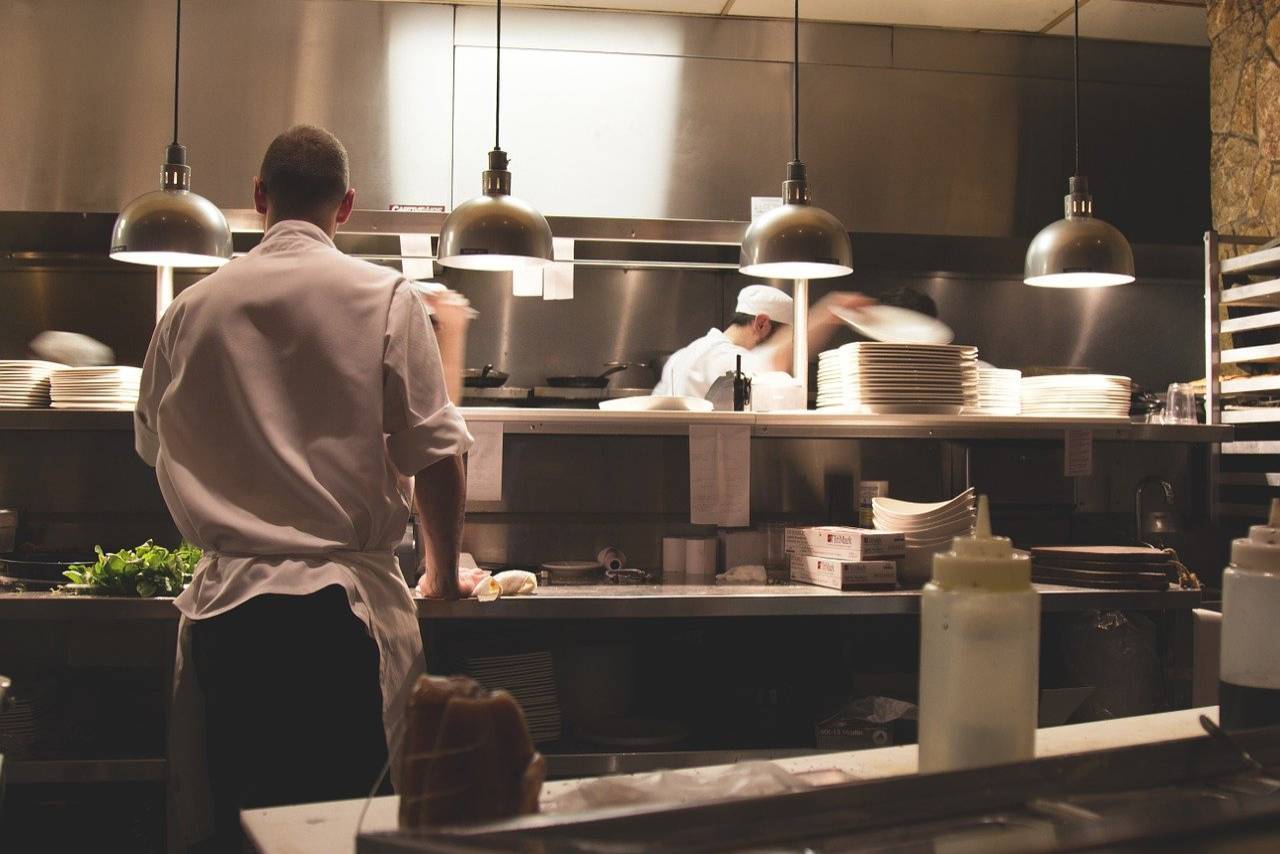
Having a successful restaurant takes a vision, a great chef, and the right inventory management procedures. Customers may love the location, the menu, and the wine list, but without effective stock management, the restaurant will not be profitable or sustainable.
Restaurant inventory management software is a comprehensive monitoring tool that tracks each ingredient, supply order, and meal that goes into or out of the kitchen. Inventory management increases efficiency in the kitchen, reduces inventory loss such as food spoilage or waste, and drives up profitability by cutting food costs.
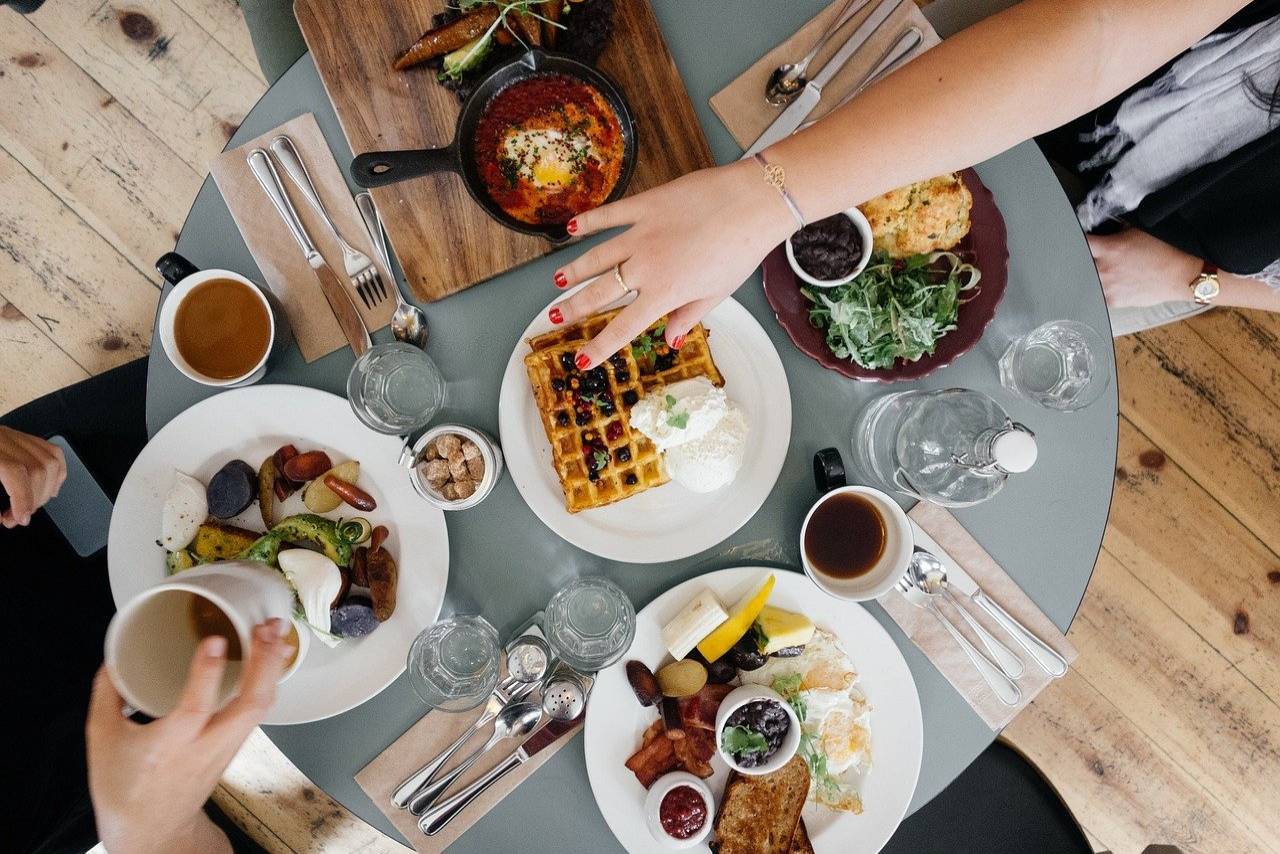
Restaurant inventory management includes monitoring all stock, standardizing recipes, and planning the menu based on current inventory. It calculates usage (or the number of days the inventory will last), as well as depletion ( the inventory used in a day or a week).
This allows for accurate tracking of both inventory and profit margins. Inventory management
will accurately predict restaurant ingredient needs to prevent over or understocking. It also notifies of any surpluses or shortages before it's too late.
Automation of inventory management using software will simplify this process, reduce errors, and engage more staff in minimizing food waste. Some restaurants may lose as much as 10% of their inventory due to poor inventory management, and these errors can be avoided with the right restaurant inventory management software.

Taking accurate inventory is the key to running a successful business. Stock counts should be taken at the beginning and end of each day, and include all ingredients ordered throughout the day, as well as food left on the shelf.
Software tools will make it easy to manage stock, minimize food waste, and maximize efficiency. It will also automatically calculate the food cost percentages or the percentage of operational costs that are spent on food. This is vital information for inventory budget planning and should be tracked to avoid overspending on unnecessary ingredients.
The food cost percentage is the difference between the money spent on inventory and the revenue that inventory brought in when sold to customers. To calculate the food cost percentage, start with the value of inventory received in a week, both at the beginning of the week and throughout the week. Subtract the ending inventory from the total inventory purchased, then divide it by the total food sales for the same week.
On average, the food cost percentage for casual restaurants is about 25%, while fine dining restaurants have an average food cost percentage of around 35%. Monitoring inventory usage with inventory management software makes it easy to calculate the food cost percentages and track revenue. If your food cost percentage is too high, look for ways to reduce waste, avoid surpluses, and manage staff error.
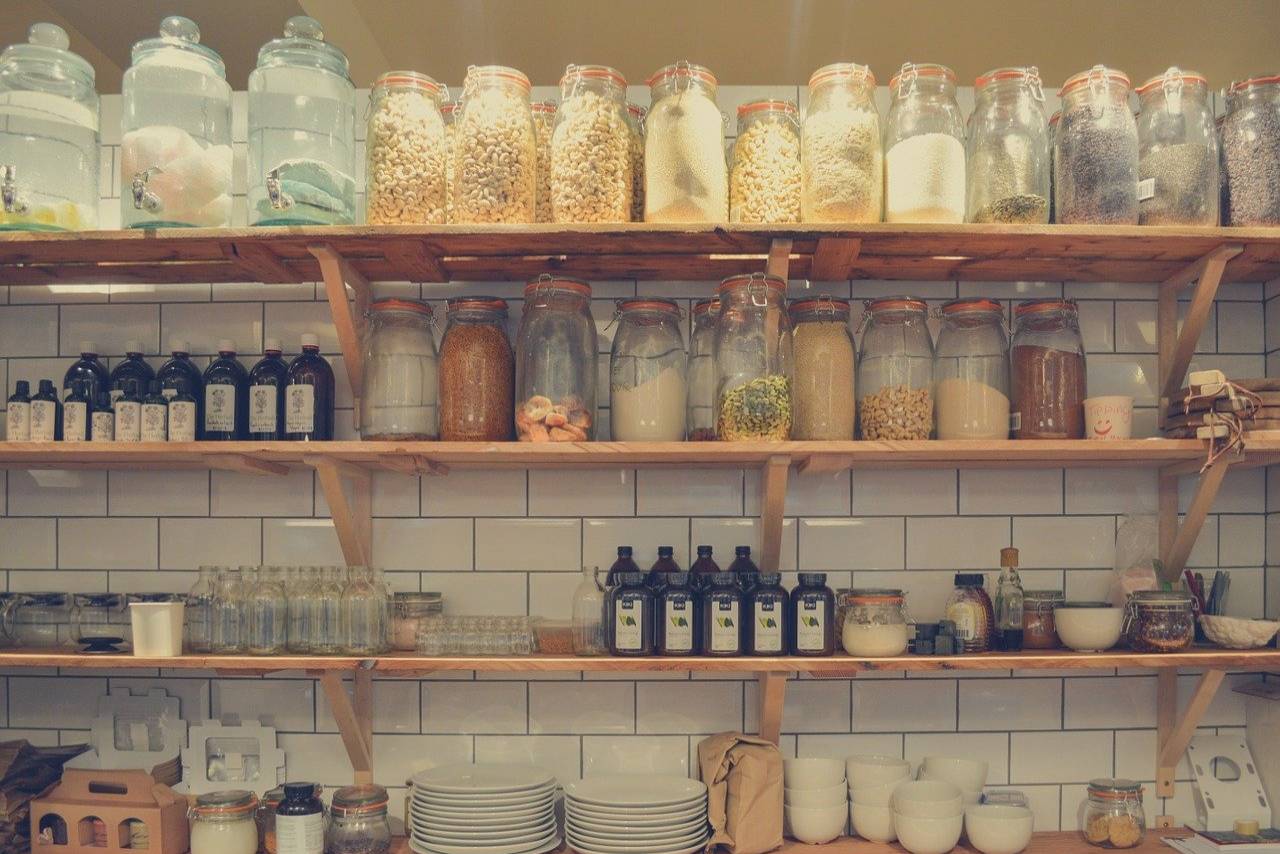
There are many different inventory management systems to choose from, so take some time to understand what the business needs. When researching restaurant inventory management software, make sure it includes these key features-
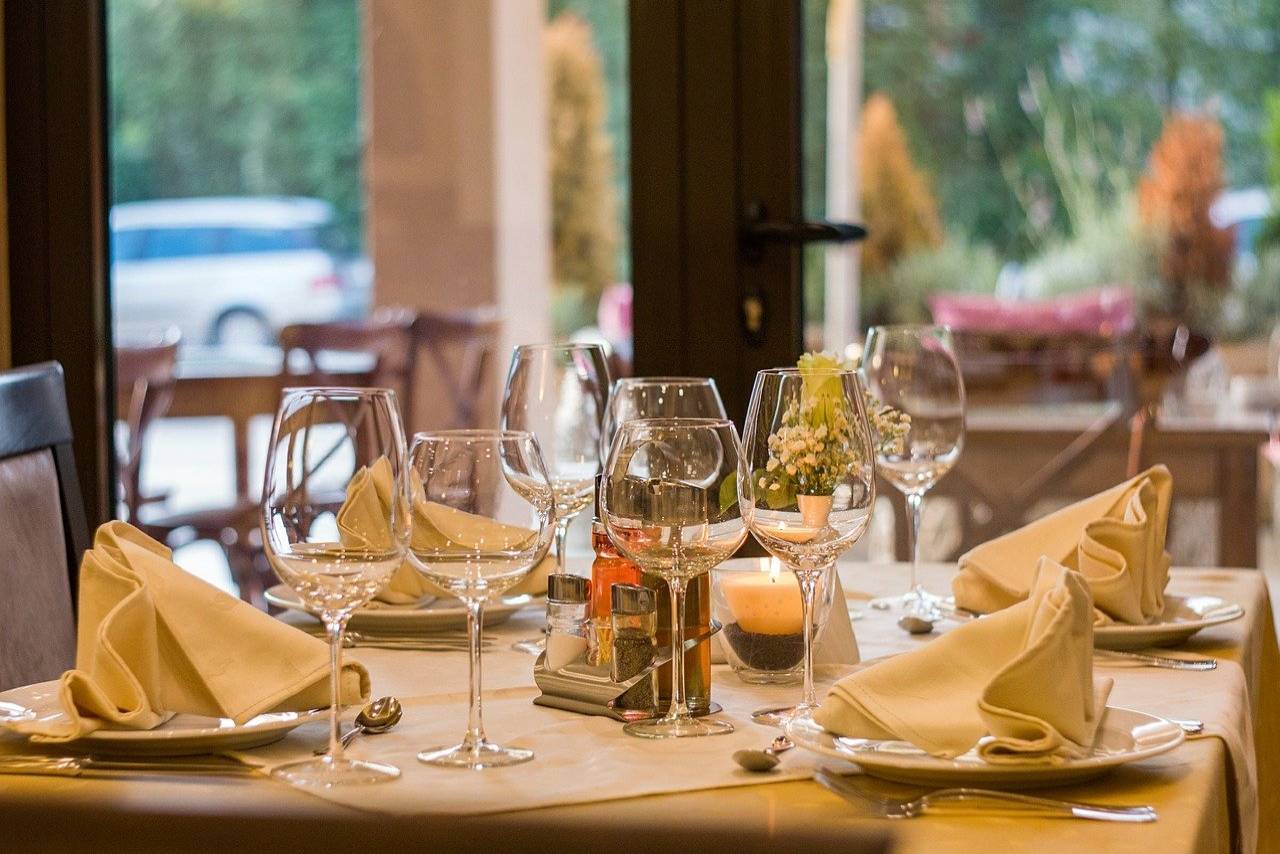
Restaurant inventory management software takes the stress out of managing stock. It reduces common sources of shrinkage by tracking products as they come into the kitchen and as they leave.
Understanding exactly what inventory is being used and what is being lost optimizes operations.
Having up-to-date information about both inventory and sales allows the software to protect users against food spoilage and food waste to increase restaurant efficiency.
When purchasing restaurant inventory management software, make sure it can integrate all locations, communicate with all vendors, and generate reports to take the stress out of inventory management and increase profitability.