
FT Undercover: Hotworx, YogaSix, Barre3 in Twin Cities
FT Undercover tests Hotworx, YogaSix and Barre3 in the Twin Cities, highlighting heat, coaching, pricing, and the FTC action involving Xponential Fitness.
franchising
Jun 4, 2026
FT Undercover tests Hotworx, YogaSix and Barre3 in the Twin Cities, highlighting heat, coaching, pricing, and the FTC action involving Xponential Fitness.
Jun 4, 2026
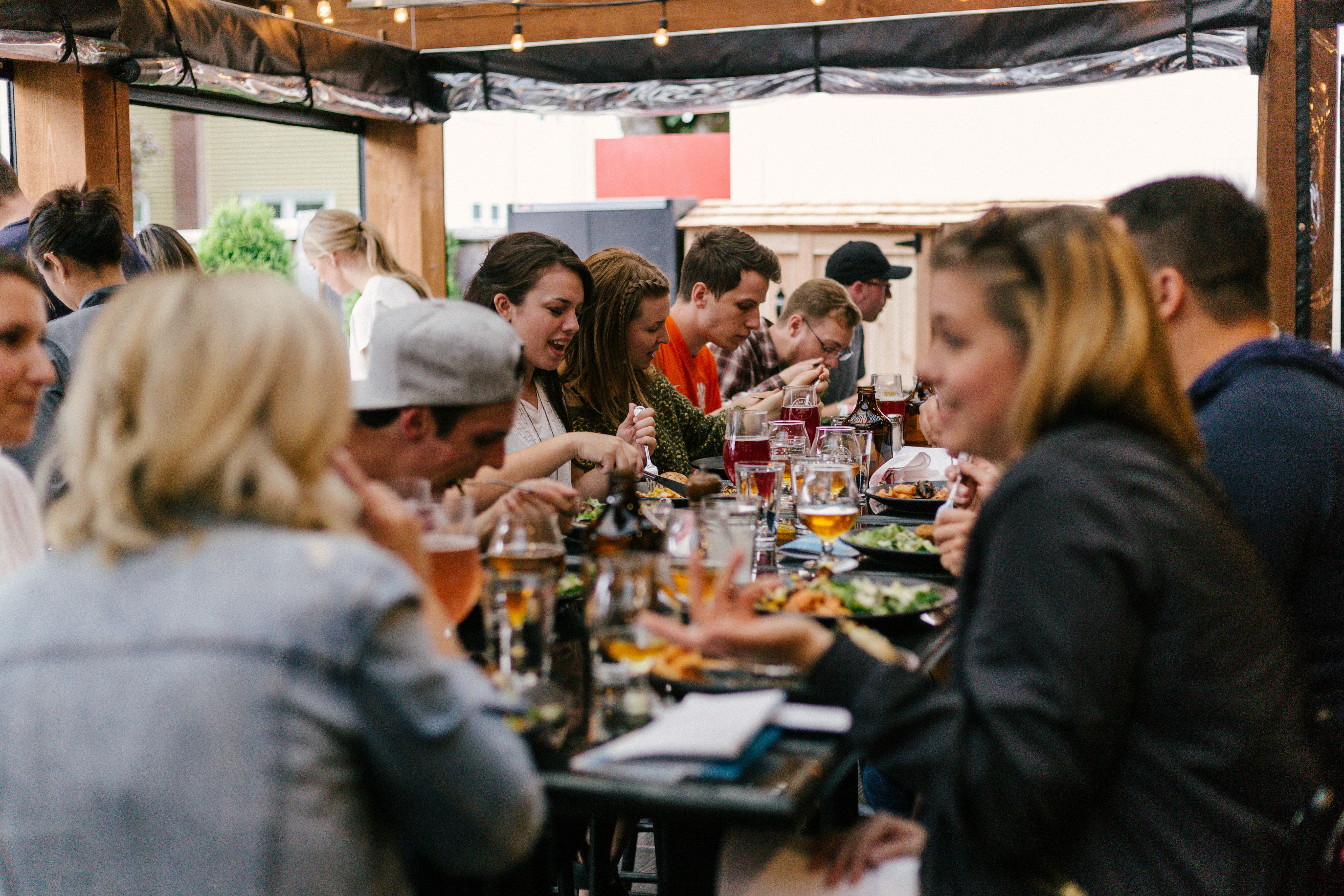
Qdoba secures $435M via whole business securitization to refinance debt, fund remodels and digital makelines, and fuel its push to ~2,000 units.
Jun 4, 2026
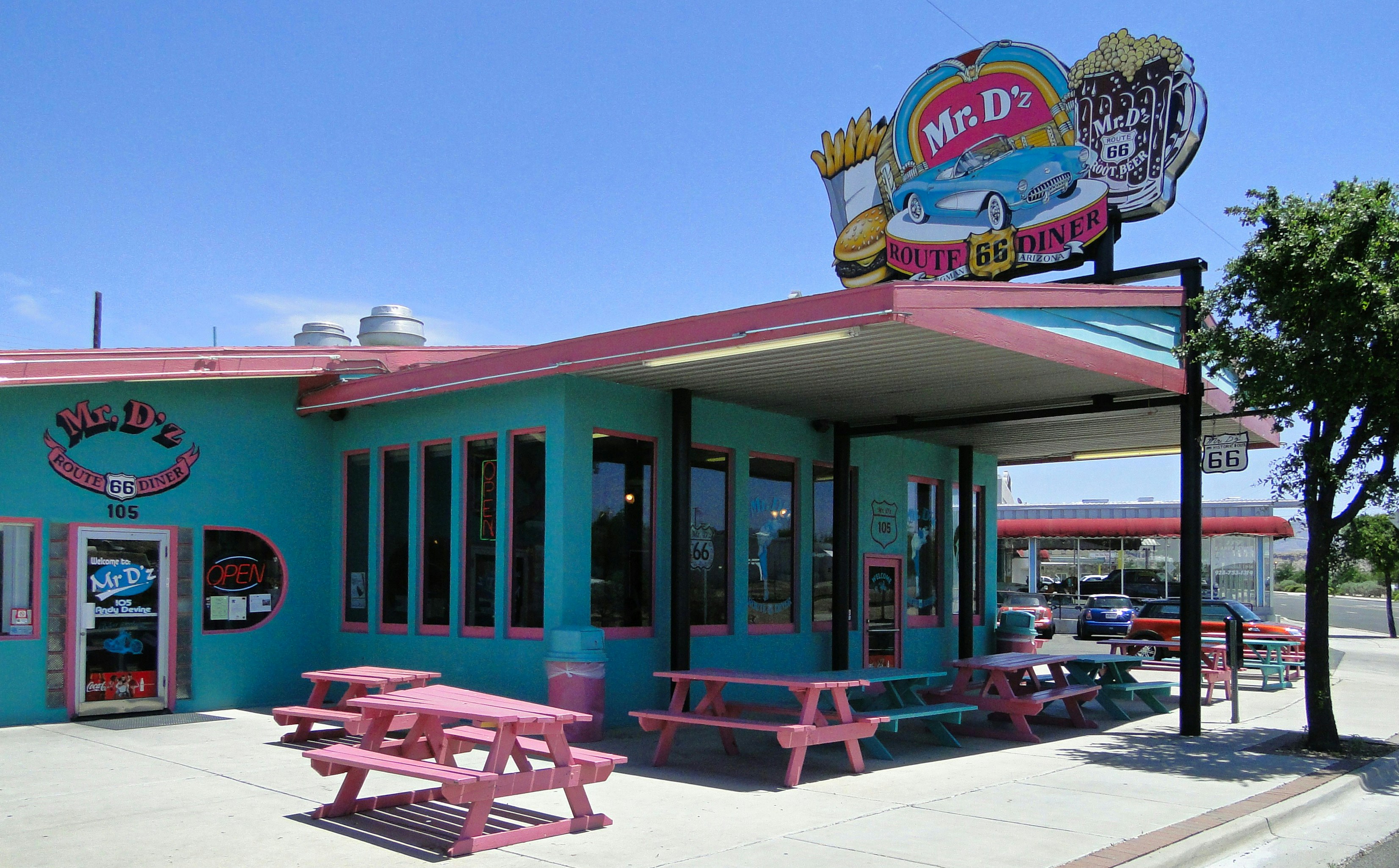
To file a clean, on-deadline restaurant trade piece, I need structured facts: names, dates, quotes, numbers, locations, timing, metrics, constraints, and verification.
Jun 4, 2026

Arts-first preschool chain Building Kidz continues U.S. expansion while facing a wrongful death suit and appealing a California penalty.
Jun 4, 2026

How to choose and configure equipment for consistent, scalable restaurant operations, with market data, AI trends, and energy-efficiency considerations.
Jun 4, 2026

Ice cream brand Salt & Straw explores a sale valuing it at $200M, tapping Piper Sandler as advisor while emphasizing culture, growth, and majority ownership.
Jun 4, 2026

Five Iron Golf launches cash simulator tournaments with a live app leaderboard, varied formats, and a $20,000 prize pool, backed by a Series E as national rollout accelerates.
Jun 4, 2026
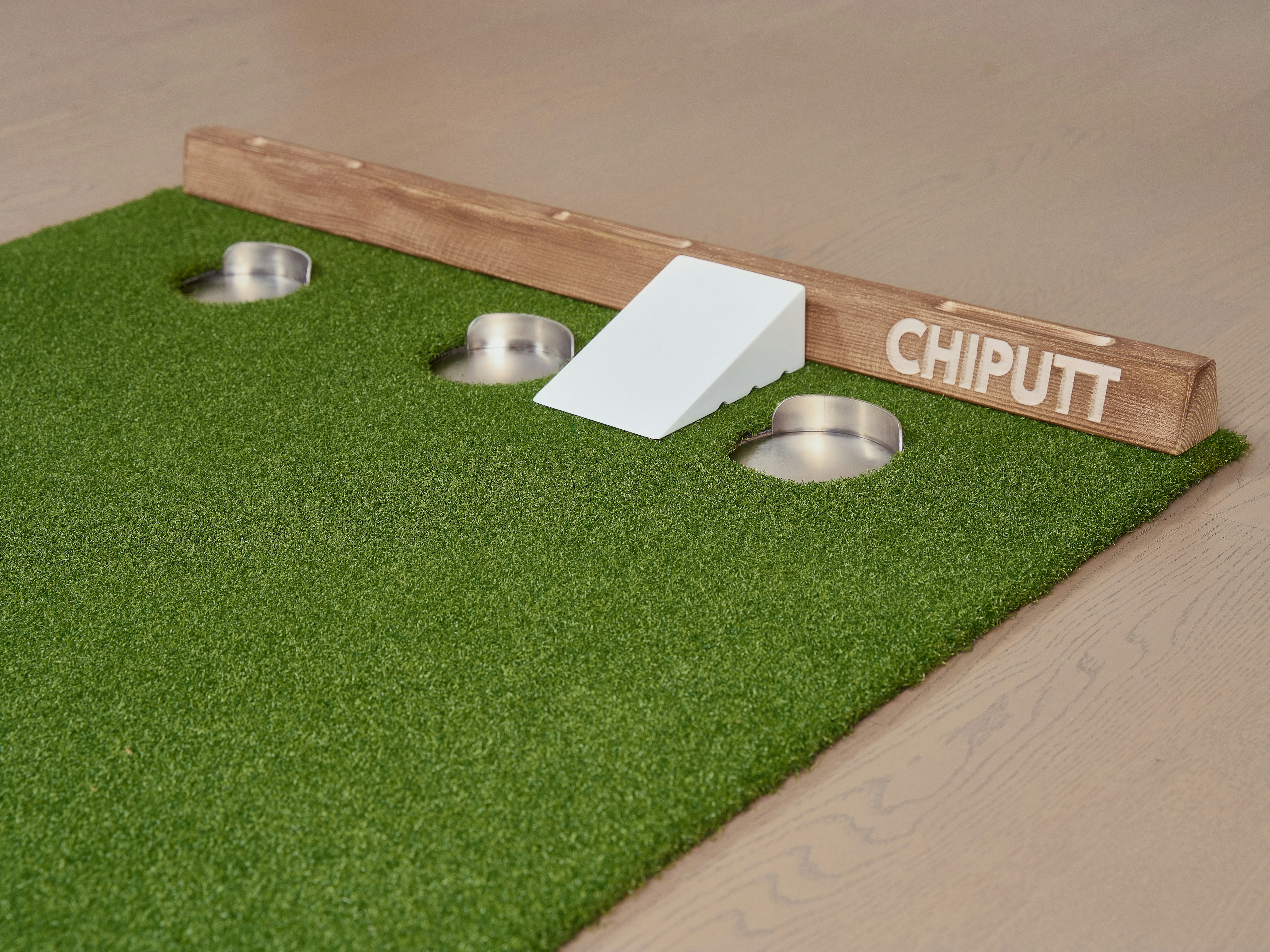
Indoor golf franchises scale as Callaway trims Topgolf, automation boosts margins, and demand accelerates across U.S. simulator chains.
Jun 4, 2026

Big chains blend global flavors with familiar formats to drive traffic. Case studies from Shake Shack, Bobby’s, and Rōti, plus trend and performance data.
Jun 4, 2026
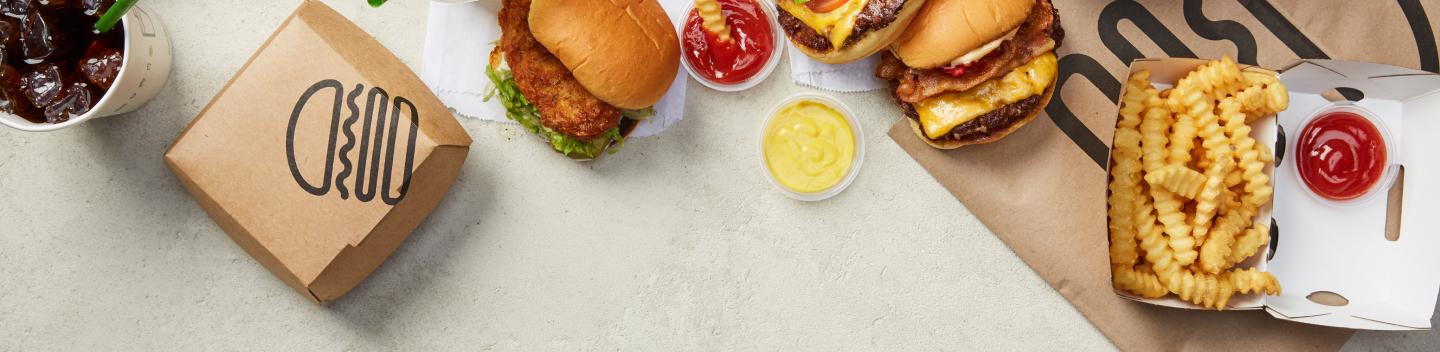
Shake Shack lowered Q2 and full-year guidance amid a value war and macro headwinds; shares fell 9% as analysts cut targets and the company tightened openings.
Jun 4, 2026

Unlock Exclusive Access To Webinars, Events, And The Latest News For Free!
Indoor golf franchises scale as Callaway trims Topgolf, automation boosts margins, and demand accelerates across U.S. simulator chains.
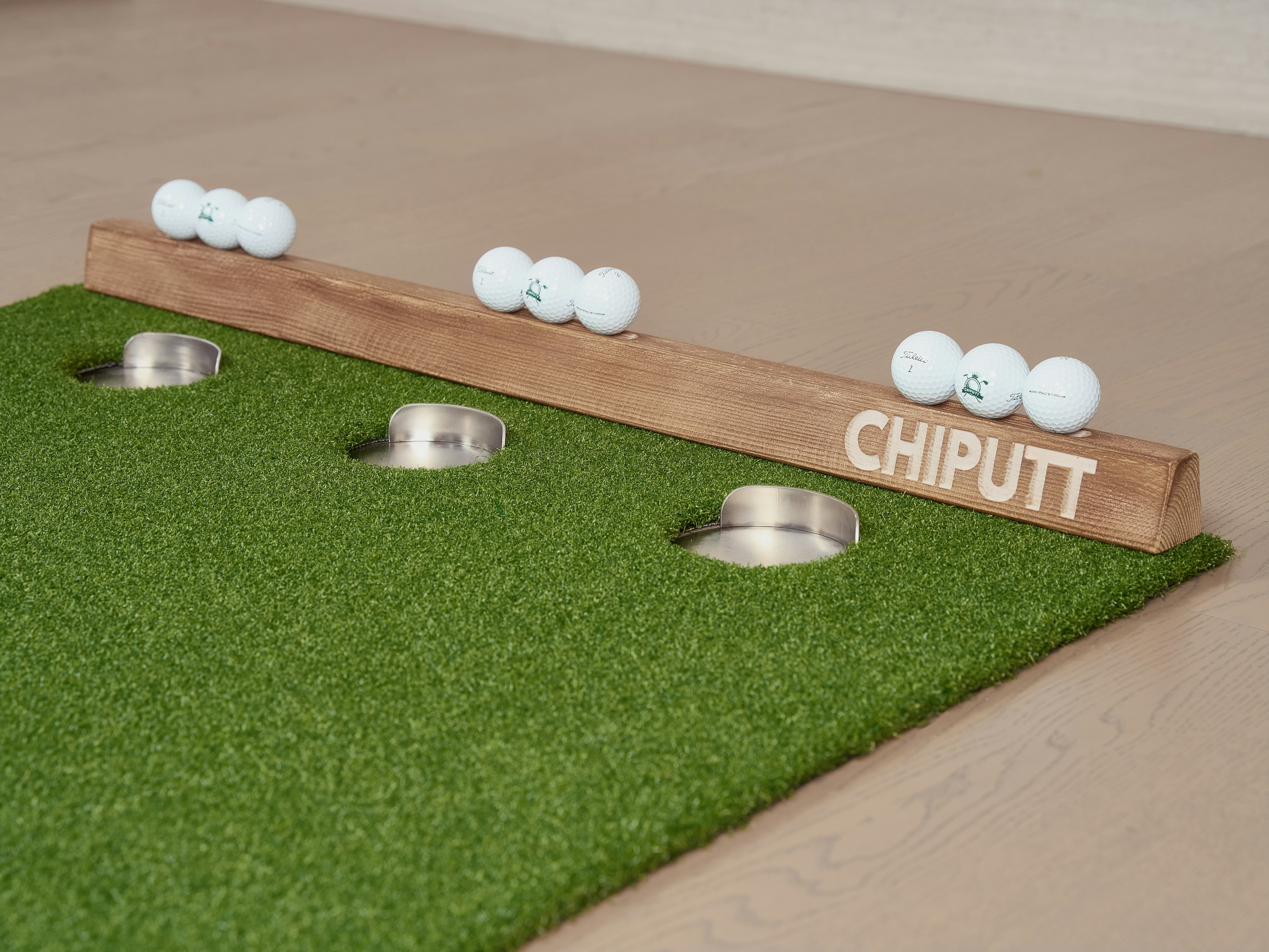
Photo by Chiputt Golf
Indoor golf’s quiet hum has given way to a full-throated chorus of growth. The Swing Bays has tapped Fransmart to take its simulator network nationwide, a clear sign that simulators now court families, league night diehards, and data-obsessed players in equal measure. Callaway Golf Company will add fresh oxygen to the category’s next act, having completed the sale of a 60 percent stake in its Topgolf and Toptracer businesses to funds managed by Leonard Green & Partners for approximately $1.1 billion, effective January 1, 2026, while repaying $1 billion in debt, according to SGI Europe.
New formats from Golf Crypt, TruGolf Links, The Back Nine Golf, X-Golf, and Five Iron Golf are pressing the accelerator with models that range from unmanned 24/7 bays to training-first layouts with hospitality wrapped around the tech. The modern playbook owes much to Topgolf’s original breakthrough: climate-controlled bays, golf-based games, and full food and beverage service that swapped course hush for a lively atmosphere.
In 2020, Callaway Golf announced plans to acquire a majority interest in Topgolf at a $2 billion valuation, closing the merger in March 2021. Net revenue for Topgolf Callaway Brands was down 1.4 percent year over year for the nine months ended September 30, 2025, while same-venue sales rose 2.7 percent from 2023 to 2024 amid integration challenges and the departure of several top executives. The unwind came quickly.
The transaction between Callaway Golf Company and Leonard Green & Partners was executed under an Equity Purchase Agreement on November 17, 2025, and became effective January 1, 2026. It valued Topgolf and Toptracer at approximately $1.1 billion, generating roughly $800 million in net proceeds, and allowed the company to repay about $1 billion in debt, according to SEC filings. Immediately after closing, Callaway announced it would revert its corporate name to Callaway Golf Company and transition its New York Stock Exchange ticker from MODG back to CALY on January 15, 2026.
Franchise operators are now tuning formats to capture both the Saturday skills session and the birthday crowd. The Swing Bays, founded by PGA teaching professional Dustin Miller, pairs life-like data and PGA instruction with a curated food and drink menu. Initial franchise investments run $246,000 to $999,000, and its first location grossed over $1 million from July 2024 through June 2025. Multi-unit agreements are set for Raleigh, North Carolina, Birmingham, Alabama, and Denver, with two more openings planned in 2026.
Miller sums up the brief succinctly: “I wanted to create a one-stop shop for everybody, a place where you could be a serious golfer,” and “But I also wanted to create something that the recreational person could come into and still feel unintimidated.”
TruGolf Links leans on a software lineage dating to 1983 to render more than 10,000 courses. The chain runs an Executive model focused on swing practice without food service and traditional units with sports-bar-style hospitality.
As Ben Litalien put it, customers can “literally type” in a local course name and see it rendered in minutes to “play your local course—which is the No. 1 most-requested course … because you want to go out and beat your buddies on Saturday.”
Automation is reshaping the unit economics. Golf Crypt’s unmanned Trackman-powered bays run 24/7 with profit margins in the mid-40 percent range and require minimal staffing, which lets franchisees keep other jobs.
Still, Frank Drago cautioned, “This isn’t ‘Field of Dreams.’ Open it, and they don’t necessarily just roll in the door,” a reminder that marketing does the heavy lifting even when the lights stay on all night.

The Back Nine Golf operates about 150 automated locations, most with three to six simulators in 2,000- to 4,000-square-foot spaces. Franchise fees range from $307,050 to $688,500, and average monthly revenue reached $19,770 for units open more than six months, up 33 percent year over year.
Off-hours are not dead hours, said Wil Bangerter, citing late-night and early-morning demand from factories and hospitals: “It’s pretty much around the clock.” Category scale is coming fast elsewhere too. X-Golf has grown to 133 U.S. sites since 2023, while Five Iron Golf counts 38 domestic locations and has received $30 million from Callaway Golf and $20 million from Danny Meyer’s firm to fuel its international growth.
The market signals are bright. Fortune Business Insights projects the global golf simulator market will expand from USD 1.92 billion in 2025 to USD 4.7 billion by 2034, a compound annual growth rate of 10.10 percent. The US segment reached USD 1.2 billion in 2024 and is projected to climb to USD 3.5 billion by 2034 at an 11.5 percent CAGR.
The National Golf Foundation tallied 8.1 million simulator users in 2024, up 126 percent over five years. Average session fees sit near $55, with another $40 in food and beverage per visit, putting the typical ticket close to $100. Only 7 percent of U.S. golf facilities had simulators installed as of late 2024. Another 4 percent definitively plan to add them and 9 percent are probable within two years. Operators report an average $45,000 per bay to install and 80 percent say they reach profitability within the first year.
Risks have not stepped off the tee box. Space remains a stubborn constraint, with 72 percent of facilities without simulators citing layout limitations and 53 percent pointing to initial investment. Seasonality cuts two ways, since northern markets surge in winter while southern units tend to steady out across the calendar.
Topgolf’s integration costs and management reshuffles contributed to the brand losing nearly $1 billion in valuation between March 2021 and January 2026 even as same-venue sales grew, a reminder that demand does not forgive execution missteps.
What happens next will be written bay by bay. The category is poised to redefine where and how people engage with the sport, yet the winners will be those that pair software fidelity and smart hospitality with savvy site selection and relentless outreach.
As The Swing Bays and peers ramp multi-unit deals with capital partners like Fransmart, investors and operators will watch whether these rooms can deliver consistent returns, maintain customer excitement, and fulfill the promises of convenience, data-driven progress, and year-round play. A clean strike could elevate simulators from a side hustle to a central driver of golf participation. A mis-hit could leave undercapitalized operators stranded in a crowded field.