FT Undercover: Hotworx, YogaSix, Barre3 in Twin Cities
FT Undercover tests Hotworx, YogaSix and Barre3 in the Twin Cities, highlighting heat, coaching, pricing, and the FTC action involving Xponential Fitness.
franchising
Jun 4, 2026
FT Undercover tests Hotworx, YogaSix and Barre3 in the Twin Cities, highlighting heat, coaching, pricing, and the FTC action involving Xponential Fitness.
Jun 4, 2026
Qdoba secures $435M via whole business securitization to refinance debt, fund remodels and digital makelines, and fuel its push to ~2,000 units.
Jun 4, 2026
To file a clean, on-deadline restaurant trade piece, I need structured facts: names, dates, quotes, numbers, locations, timing, metrics, constraints, and verification.
Jun 4, 2026

Arts-first preschool chain Building Kidz continues U.S. expansion while facing a wrongful death suit and appealing a California penalty.
Jun 4, 2026

How to choose and configure equipment for consistent, scalable restaurant operations, with market data, AI trends, and energy-efficiency considerations.
Jun 4, 2026

Ice cream brand Salt & Straw explores a sale valuing it at $200M, tapping Piper Sandler as advisor while emphasizing culture, growth, and majority ownership.
Jun 4, 2026

Five Iron Golf launches cash simulator tournaments with a live app leaderboard, varied formats, and a $20,000 prize pool, backed by a Series E as national rollout accelerates.
Jun 4, 2026
Indoor golf franchises scale as Callaway trims Topgolf, automation boosts margins, and demand accelerates across U.S. simulator chains.
Jun 4, 2026
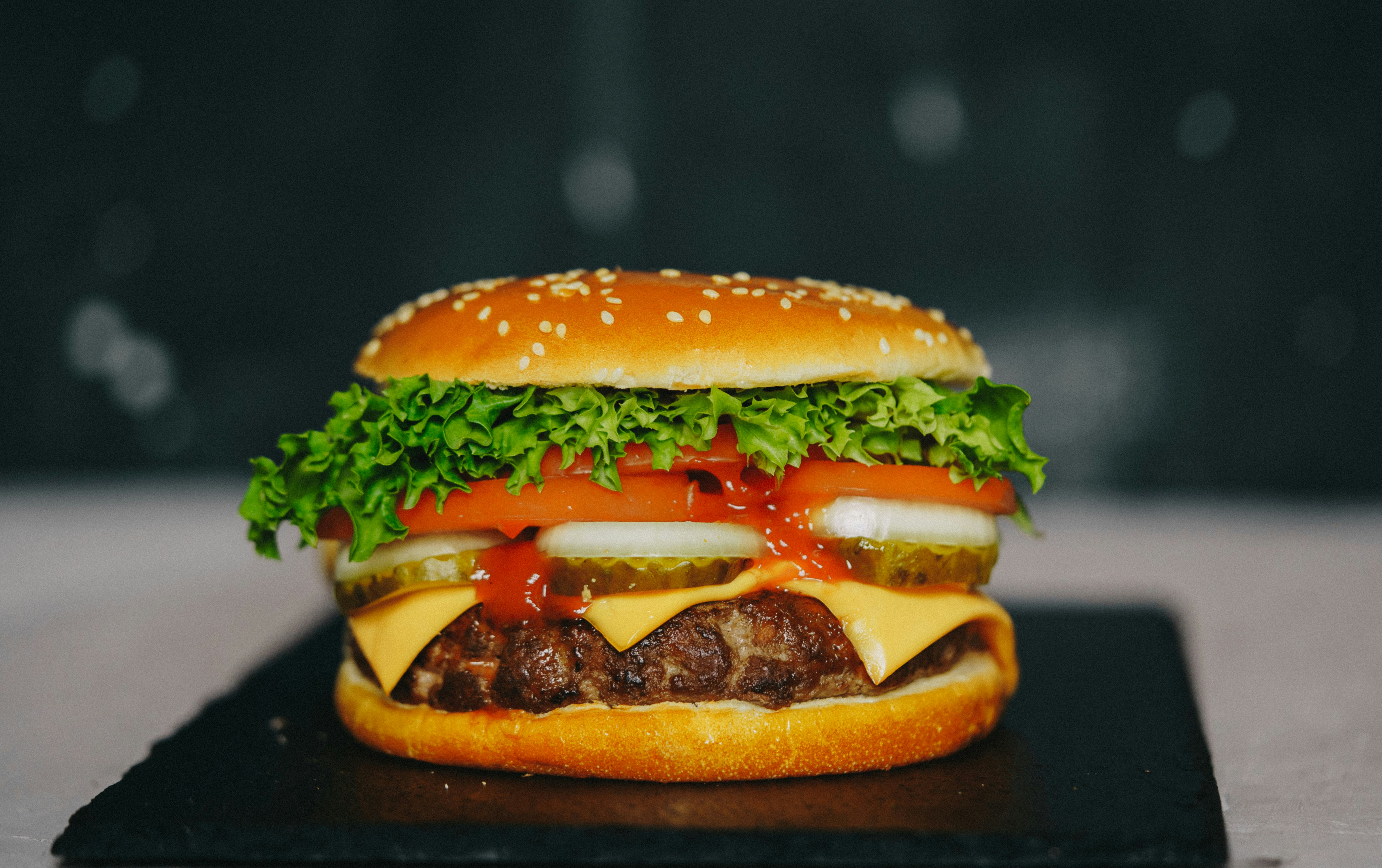
Big chains blend global flavors with familiar formats to drive traffic. Case studies from Shake Shack, Bobby’s, and Rōti, plus trend and performance data.
Jun 4, 2026
Shake Shack lowered Q2 and full-year guidance amid a value war and macro headwinds; shares fell 9% as analysts cut targets and the company tightened openings.
Jun 4, 2026

Unlock Exclusive Access To Webinars, Events, And The Latest News For Free!
Five Iron Golf launches cash simulator tournaments with a live app leaderboard, varied formats, and a $20,000 prize pool, backed by a Series E as national rollout accelerates.
Photo by Waldemar Brandt
On June 3, Five Iron Golf switched on a cash tournament system across its U.S. locations, inviting guests to compete for real money while they swing, eat, and drink. The program layers almost a dozen formats on top of the chain’s simulator bays, from nine- and 18-hole rounds to skill challenges, with buy-ins that range from free to a $100 cap.
A live, national leaderboard inside the Five Iron app ties venues together and updates as players finish their sessions. Time windows vary, from one-hour contests to month-long slates, including an ongoing closest-to-the-pin series with a $20,000 prize pool that pays the top 10 to 15 percent of finishers.
Co-founder and CEO Jared Solomon framed the move as an engagement play, not a rake.

The company charges a small entry fee, yet, as he put it, “success for us is more people playing, staying longer and having fun,” noting that direct revenue from buy-ins is expected to be minimal. The bet lands in a fast-growing category. Indoor golf was valued at $1.3 billion as of 2025 and is projected to reach $3.3 billion by 2030.
Since debuting in 2017 in New York City, Five Iron has passed 100 venues globally, with systemwide sales up 30.5 percent year over year in 2024 and unit count rising more than 27 percent, per Technomic data. The mechanics are built for repeat play. Guests reserve a simulator bay, opt into free or paid tournaments in the app, then track their progress on the leaderboard while they play 30- to 60-minute sessions.
Formats are familiar to golfers, yet tuned for speed. Under the hood, the bays run on TrackMan’s dual-radar plus camera system, which captures more than 40 club and ball data parameters, including launch angle, spin rate, and impact location, via Optically Enhanced Radar Tracking.
Those inputs feed Five Iron’s proprietary scoring and handicapping software to model realistic course conditions and group participants by skill level, an attempt to keep contests fair and competitive. Early readouts show promise. Since testing began last October, more than 1,000 players have logged nearly 20,000 entries, and 65 percent returned within the same month to compete again.
Patrons report sharper focus during practice and deeper immersion in each swing. Solomon said this month’s closest-to-the-pin challenge, featuring 20 concurrent tournaments and a $20,000 prize pool, has pulled in casual players and members alike by pairing hour-long play windows with meaningful rewards.
Fuel for the rollout arrived on March 17, 2026, when Five Iron closed a Series E led by Coral Tree Partners of Los Angeles, and Coral Tree founding partner Alan Resnikoff joined the board of directors. Coral Tree manages over $470 million from its inaugural fund closed in April 2022 and backs growth-stage companies in sports, media, entertainment, technology, and gaming.
The investor roster also includes North Castle Partners, Callaway Golf Company, and Danny Meyer’s Enlightened Hospitality Investments. Tournaments are live in 15 markets across 11 states and Washington, D.C., with a full U.S. launch expected later this summer. The push lands amid a broader tilt toward experiential, gamified dining.
The global quick-service restaurant sector topped $1 trillion in sales in 2025, and 42.1 percent of loyalty professionals now identify gamification and game-based mechanics as the highest-impact growth lever over the next two to three years. Dave & Buster’s is bringing back its Summer Season Pass, on sale May 19 with unlimited gameplay, food and beverage discounts, and tiered pricing as low as $1 per day, after reporting a 3.3 percent same-store sales decline in games revenue last quarter.
Time-bound, engagement-heavy offers are setting new expectations across restaurant entertainment. Questions remain. The tournaments’ revenue contribution is modest today, and the long-term financial impact is unproven. The size of the Series E was not disclosed, which clouds visibility into runway and return expectations.
There is also a regulatory thread to watch. Cash contests that rely on skill can operate legally in roughly 40 U.S. states if they meet criteria such as predominant skill outcomes and prize caps, yet certain jurisdictions prohibit such play.
As Five Iron pushes to a full U.S. rollout later this summer, the markers to track are simple: monthly return rates, dwell time, and market-by-market compliance. If those stay on course, the format could inform how membership-driven, gamified revenue streams take shape across eatertainment, and even how casual-dining and quick-service brands tune their loyalty mechanics.