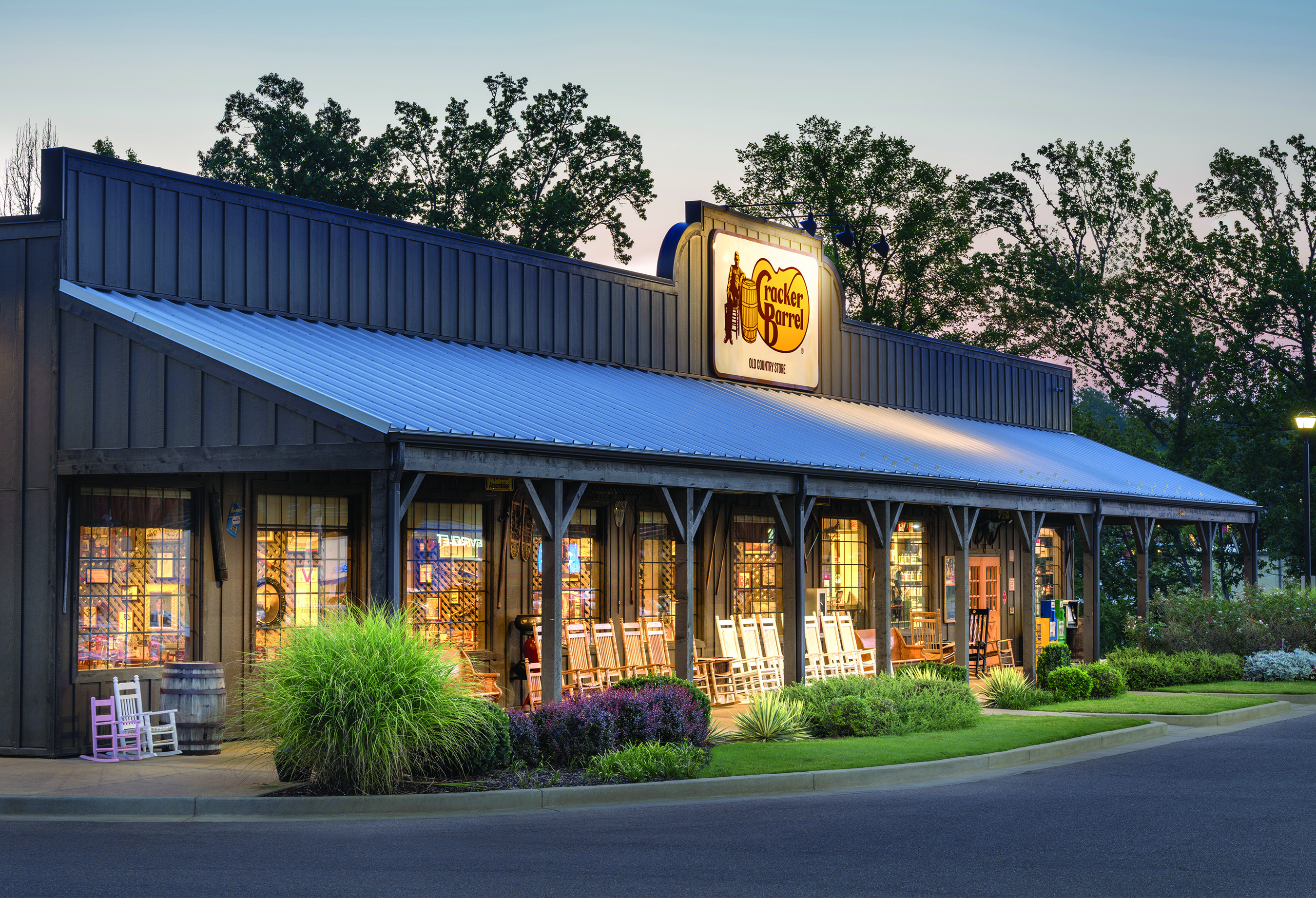
Cracker Barrel’s Proxy Battle and Turnaround
Cracker Barrel faces an activist proxy contest as it advances a multi-year transformation, defending its board and plan against Sardar Biglari's slate.
News
Apr 27, 2026
Cracker Barrel faces an activist proxy contest as it advances a multi-year transformation, defending its board and plan against Sardar Biglari's slate.
Apr 27, 2026
Taco Bell scales its proprietary Voice AI across U.S. drive-thrus, aiming for faster service, better accuracy, and a warmer guest experience.
Apr 26, 2026
Photo by Jafetbyrne Photos on Unsplash
Nostalgia-driven promotions, digital ordering, and flavor experiments reshape growth strategies for fast-casual brands in 2026.
Apr 26, 2026

Photo by Jacob Skowronek on Unsplash
Via 313 names Kip Welsch president to drive multi-market growth with Savory Fund backing.
Apr 26, 2026

Photo by John Torcasio on Unsplash
A warm, journalistic look at CosMc’s San Antonio launch, its beverage-forward pilot, and the learnings from a bold McDonald’s test-and-learn concept
Apr 26, 2026
Photo by Raoul Croes on Unsplash
Two promotions anchor Mr Gatti’s Walmart expansion, blending Texas heritage with a disciplined, retailer-led growth plan.
Apr 26, 2026
Photo by Adhitya Sibikumar on Unsplash
Explores automated meal-break deductions in quick-service restaurants, balancing efficiency with wage-and-hour compliance.
Apr 26, 2026
Photo by Sangria Señorial on Unsplash
Sun Holdings acquires Freebirds World Burrito, adding 64 Texas sites to its portfolio of 1,500+ restaurants, signaling a strategic, Texas-focused expansion.
Apr 26, 2026
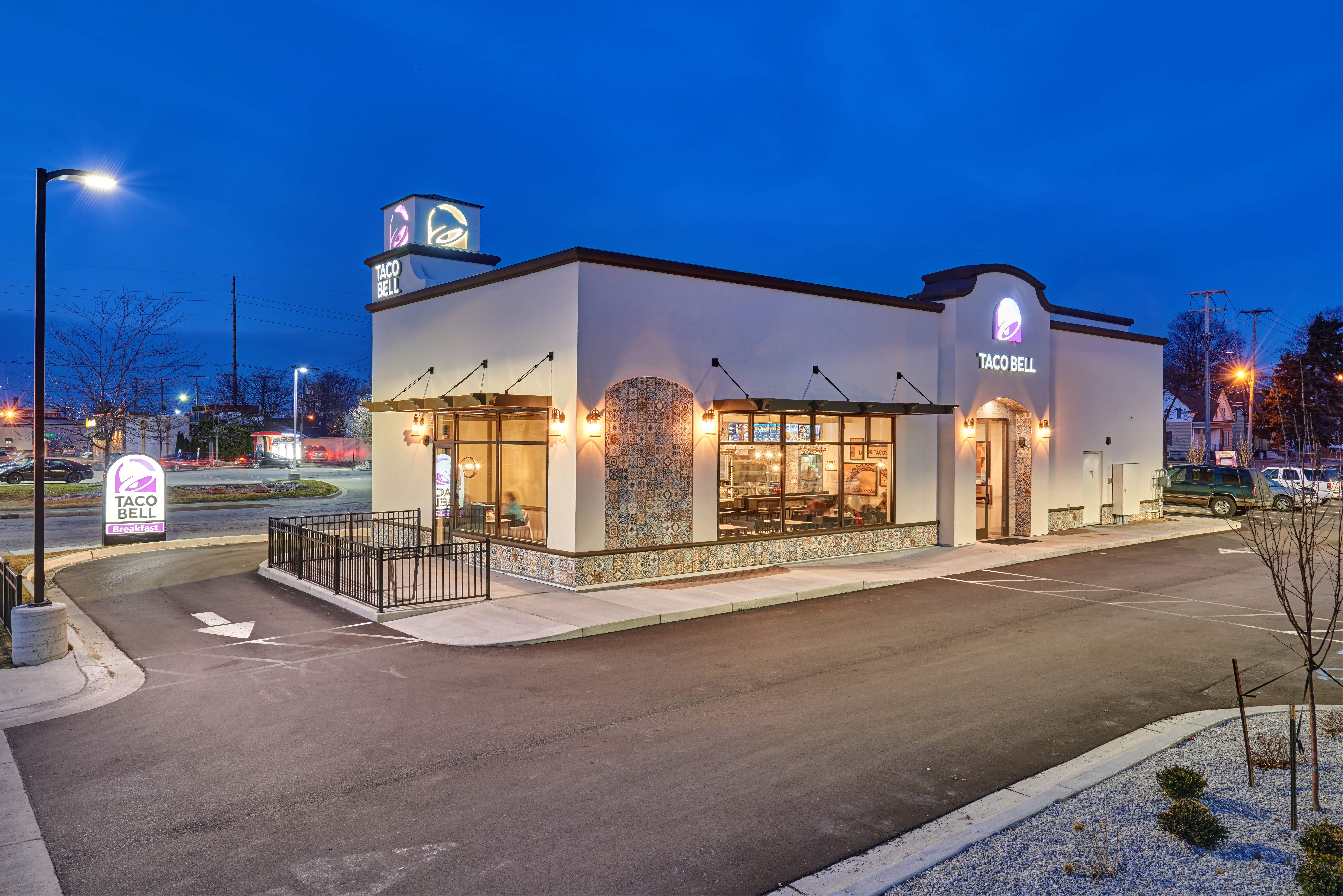
Taco Bell lets franchisees opt out of breakfast, boosting Cantina Chicken and digital momentum to fuel local growth.
Apr 26, 2026
Chicago icon Rainbow Cone partners with Buona Beef to extend its five-flavor legacy across the U.S., blending heritage with scalable growth.
Apr 25, 2026
Taco Bell scales its proprietary Voice AI across U.S. drive-thrus, aiming for faster service, better accuracy, and a warmer guest experience.

Photo by Pedro Gil on Unsplash
At the corner of comfort and technology, the drive-thru becomes a small theatre where customers place meals while the soft hum of the kitchen keeps tempo. In this space, a quiet voice assistant slides into everyday routine, whispering orders with the warmth of a familiar server. For the past two years, Taco Bell has been tinkering with Voice AI in the fray of busy lanes, learning how people speak, ask for substitutions, and smile at simple conveniences. The idea is simple and coaxing: let the machine listen so staff can better listen to guests. It’s a design that respects pace, mood, and memory, a gentle evolution of hospitality. The aim now is to bring this voice to hundreds more windows, without losing the human touch.
After a two-year operational test, leaders describe steadier order accuracy, faster service, and a more cohesive experience for both crew and guests. Today the technology is already live in more than 100 Taco Bell restaurants across 13 states, and the plan calls for hundreds of additional drive-thru lanes by the end of 2024. The system is designed to fit into the Poseidon POS platform so that front-of-house rhythms stay in sync with orders, payments, and menus. Integration with the Taco Bell Rewards loyalty program is slated for later this year, promising a smoother path from spoken request to points earned. 'innovation is ingrained in our DNA at Taco Bell, and we view voice AI as a means to improve the team member and consumer experiences.' said Dane Mathews, the Chief Digital and Technology Officer. The goal, he notes, is to ease workloads for crew and free them to focus more on hospitality and conversations at the window.
That gentle shift in the drive-thru ritual hints at a future where technology and hospitality blend, not replace. The rollout is a quiet promise that staff can attend more closely to guests, and guests can feel heard even when the menu is spoken aloud. It is a soft revolution, designed to be felt more than announced.
From pilot to scale, the narrative unfolds like a careful recipe: two years of testing, notes archived in meeting rooms, and a swift path toward more lanes. The company credits improvements in order accuracy and faster service as proof the approach works at speed and scale. With a base of more than 100 locations across 13 states, leadership says the rollout will extend to hundreds of additional drive-thru lanes by year-end 2024. The implication is clear: a proven model can be replicated without erasing the human touch that customers expect.
Beyond the pilot’s initial metrics, leadership frames the expansion as both a practical upgrade and a gentle cultural shift. The program’s design aims to sustain order accuracy, speed, and the dignity of workers by offloading repetitive tasks to AI so team members can focus on hospitality. The scale is ambitious: by year-end 2024, the technology is expected to proliferate across hundreds of additional drive-thru lanes, building on >100 locations already live in 13 states. The cadence is deliberate, paired with ongoing refinements and feedback from stores and guests. The result, officials say, is a more consistent experience that supports profitable growth and a steadier workforce.
What this means for the guest is a calmer moment at the window: fewer repeat orders, more confidence in substitutions, and a sense that the voice at the speaker is part of a seamless, comforting routine rather than a single screenlit transaction.
Technology and strategy at Yum Brands feel like a careful dance, where AI steps in to complement human skill rather than overshadow it. In the broader arc of Yum Brands’ digital ambitions, “Yum Brands is integrating digital and technology into all aspects of our business with exciting new capabilities, and AI is a core piece of that strategy.” The momentum extends beyond the U.S., with five KFC locations in Australia testing the voice AI approach. Acquisitions like Kvantum and Dragontail have been fronts of this evolution, positioning the group to weave AI into every corner of operations.
As part of a multiyear technology roadmap, Yum has pursued acquisitions since 2021 that stretch across front- and back-of-house. Kvantum, an AI consumer insights firm, and Dragontail, which automates kitchen workflows, are central to a broader platform. Earlier this year, Yum affirmed plans to roll out its Automated Inventory Management (AIM) system across the KFC U.S. network by year-end, using in-house AI to predict and suggest product ordering quantities for managers. Joe Park, the Chief Digital and Technology Officer, has noted that the company nearly doubled its investments in digital, technology, and innovation capabilities in 2023, underscoring a deliberate push toward scalable, data-driven operations.
The thread is clear: technology is being woven into daily practice so teams can stay hospitable while handling more complex, data-informed decisions at speed.

Yum Brands’ ambitions are framed as a global, multi-brand architecture that blends AI with front- and back-of-house innovations. Dragontail’s acquisition, completed in September 2021, positioned Yum to optimize kitchen sequencing and delivery workflows across brands; Kvantum’s acquisition added AI-powered consumer insights to the mix. These moves laid the groundwork for an integrated platform—AIM—in which in-house AI informs inventory decisions across multiple brands. The strategic intent, as outlined in corporate communications, is to drive efficiency and consistency across a diversified restaurant portfolio while enabling rapid scale.
This is complemented by a broader investment cadence that included a notable uptick in digital, technology, and innovation spending in 2023, reinforcing a path toward scalable, data-driven operations across a global portfolio.
The result is a framework that aims for consistency across brands while allowing rapid expansion of AI-enabled capabilities, a balance many teams are watching as a template for the future.
Yum Brands’ push to embed Voice AI places it among a competitive set of quick-service operators testing new ordering technologies. According to industry coverage, Wendy’s has partnered with Google Cloud for FreshAI, White Castle is piloting voice AI with SoundHound AI, and other brands such as Panera, Arby’s, and Popeyes have deployed related voice assistants. McDonald’s, a longtime benchmark, ended its IBM partnership in mid-2024 after a multi-year pilot, signaling that even leaders weigh reliability and guest satisfaction as they explore the future of ordering.
This broader shift toward automated ordering and personalized guest experiences illustrates a sector-wide dialogue about speed, accuracy, and labor productivity. The conversation continues as pilots expand, integrations deepen, and loyalty and inventory systems become part of the same evolving platform.

Evidence of momentum has accrued quickly. As of 2024, orders processed through voice AI exceeded 2 million, with Taco Bell stores implementing the technology in more than 300 U.S. locations, making Taco Bell one of the largest adopters of drive-thru AI in the quick-service sector. By March 2025, independent case studies and vendor disclosures indicated the technology had been deployed in 650+ Taco Bell U.S. stores, underscoring rapid acceleration and scale. This expansion aligns with Yum Brands’ broader digital sales trajectory, which had already seen digital channels capture a substantial share of system-wide sales. In 2025, a collaboration with NVIDIA aims to accelerate AI innovation, with plans to roll out AI-enabled ordering across hundreds of restaurants, including multiple brands, following a successful pilot.
Taken together, these data points reflect momentum and the ongoing refinement needed to deliver consistent AI-driven drive-thru results. The path forward invites continued testing, broader integration with loyalty and inventory tools, and a patient, human-centered approach to hospitality at the window.
In short, the drive-thru is evolving into a more data-informed, scalable, and warmly efficient space—an evolution designed to keep guests at ease and staff supported as the road ahead unfolds.
Despite momentum, observers warn that automated drive-thru systems still contend with accuracy and nuance in voice understanding, particularly across dialects and menus. Reports have highlighted miscommunications in AI-driven orders at other brands, prompting ongoing refinement and human oversight in many locations. The McDonald’s experience—ending its IBM partnership in mid-2024 after a long-running pilot—illustrates that even market leaders must balance innovation with reliability and guest satisfaction. Yet the ecosystem continues to evolve, with trials across Australia and ongoing integration with loyalty programs and AIM across inventories, signaling a cautious but accelerating path toward scaled, AI-assisted ordering.
The industry is learning to balance speed and trust, and the drive-thru may become a gentler stage for AI-assisted conversations—where technology quietly supports hospitality rather than shouting for attention.
For guests and crews alike, the future promises more humane, efficient, and welcoming windows—where a familiar voice helps the moment feel slower and warmer, even in the busiest lane.