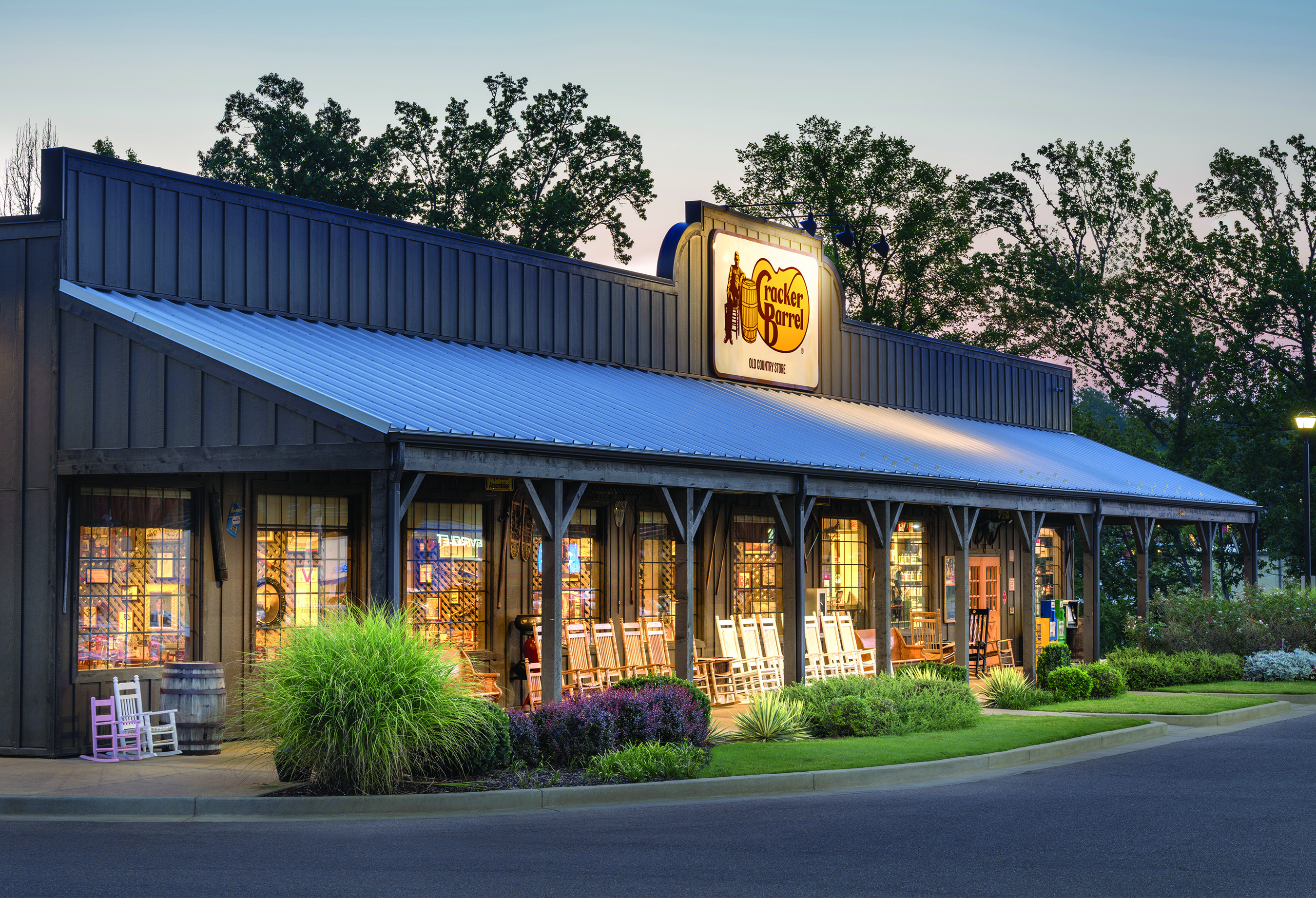
Cracker Barrel’s Proxy Battle and Turnaround
Cracker Barrel faces an activist proxy contest as it advances a multi-year transformation, defending its board and plan against Sardar Biglari's slate.
News
Apr 27, 2026
Cracker Barrel faces an activist proxy contest as it advances a multi-year transformation, defending its board and plan against Sardar Biglari's slate.
Apr 27, 2026
Taco Bell scales its proprietary Voice AI across U.S. drive-thrus, aiming for faster service, better accuracy, and a warmer guest experience.
Apr 26, 2026
Photo by Jafetbyrne Photos on Unsplash
Nostalgia-driven promotions, digital ordering, and flavor experiments reshape growth strategies for fast-casual brands in 2026.
Apr 26, 2026

Photo by Jacob Skowronek on Unsplash
Via 313 names Kip Welsch president to drive multi-market growth with Savory Fund backing.
Apr 26, 2026

Photo by John Torcasio on Unsplash
A warm, journalistic look at CosMc’s San Antonio launch, its beverage-forward pilot, and the learnings from a bold McDonald’s test-and-learn concept
Apr 26, 2026
Photo by Raoul Croes on Unsplash
Two promotions anchor Mr Gatti’s Walmart expansion, blending Texas heritage with a disciplined, retailer-led growth plan.
Apr 26, 2026
Photo by Adhitya Sibikumar on Unsplash
Explores automated meal-break deductions in quick-service restaurants, balancing efficiency with wage-and-hour compliance.
Apr 26, 2026
Photo by Sangria Señorial on Unsplash
Sun Holdings acquires Freebirds World Burrito, adding 64 Texas sites to its portfolio of 1,500+ restaurants, signaling a strategic, Texas-focused expansion.
Apr 26, 2026
Taco Bell lets franchisees opt out of breakfast, boosting Cantina Chicken and digital momentum to fuel local growth.
Apr 26, 2026
Chicago icon Rainbow Cone partners with Buona Beef to extend its five-flavor legacy across the U.S., blending heritage with scalable growth.
Apr 25, 2026
Cracker Barrel faces an activist proxy contest as it advances a multi-year transformation, defending its board and plan against Sardar Biglari's slate.
Opening act Cracker Barrel’s boardroom has become a stage for a high-stakes showdown that’s stretched over years. Sardar Biglari keeps pressing for seats, while the company leans into a broad transformation. The upcoming 2025 annual meeting looms, scheduled for November 20, 2025, and Cracker Barrel has circulated a 55-page investor presentation urging shareholders to vote against Biglari’s nominees. This isn’t merely personalities in a room; it’s a test of governance versus execution, a choice between preserving a heritage and accelerating a turn. The end goal remains clear—long-term shareholder value. So what’s driving this clash, and who’s steering the compass?
Core details The campaign centers on voting against Biglari’s slate, while he counters with his own plan to appoint Sardar Biglari and Milena Alberti-Perez to the board. Cracker Barrel labels Alberti-Perez unqualified and notes she has never visited a Cracker Barrel restaurant, a point the company argues matters for governance fit. The company casts Biglari’s motives as self-interest, including a dividend plan it calls self-serving. Through it all, the work of a multi-year transformation—brand modernization, menu upgrades, digital and off-premises investments, and upgrades to guest and employee experiences—remains the through line. The November 2025 vote is framed as a test of governance and strategic direction aligned with long-term value.
So what’s at stake If the dissident slate gains traction, Cracker Barrel warns that disruption could derail momentum. If the company defends its slate, it argues the path to renewed growth remains intact and the transformation stays on course. The clash is presented as a test of execution discipline against external governance pressure, with the balance of costs and focus weighing on shareholders as the cycle advances toward the fall vote.
Context matters This contest isn’t a one-off burst. It’s the culmination of a multi-decade engagement with Sardar Biglari, who has repeatedly sought seats on Cracker Barrel’s board. The company notes it has engaged extensively over the years, including in 2022 when a Biglari-backed nominee joined the board to preempt another proxy fight. In parallel, leadership under CEO Julie Massino has put forward a transformation plan built on brand modernization, improved menu items, digital and off-premises investments, and stronger guest and employee experiences. The showdown illustrates a broader tension between external pressure and internal execution as the chain doubles down on long-term goals.
Three-year horizon Cracker Barrel stresses a disciplined path toward renewed growth, anchored by brand modernization, menu upgrades, and robust investments in digital and off-premises experiences. The leadership argues these moves aren’t cosmetic—they’re designed to align with evolving guest expectations while preserving the brand’s heritage. The back-and-forth with Biglari sits atop this strategic canvas, highlighting how governance choices can shape the pace and scope of execution as the company pushes through a challenging reset.
So what matters now The board’s composition is part of a bigger question: can Cracker Barrel sustain its transformation while fending off activist scrutiny and repeated proxy campaigns? The answer, Cracker Barrel implies, lies in steady execution and credible long-term plans that win broad support from a diversified shareholder base.
The proxy playbook At the heart of the clash are competing director slates and the mechanics of how votes are counted. Cracker Barrel urges shareholders to vote for its nominees via the WHITE proxy card, while Biglari rallies for his own slate carried on a GOLD proxy card. The setup has attracted attention from proxy-advisory firms, notably ISS and Glass Lewis, which hover over governance implications as they weigh in on dissident nominees and board fit. Cracker Barrel has repeatedly defended Alberti-Perez’s candidacy, signaling ongoing debates about which directors are best equipped to oversee the plan’s execution.
Advisors’ impact The advisory voices reflect broader questions about governance quality and alignment with a multi-year transformation. ISS and Glass Lewis have issued opinions that shape how shareholders view the two slates, and Cracker Barrel points to these debates as evidence that the right directors are crucial to execution. The company frames the discussions as essential guardrails around an ambitious plan rather than as noise around a routine ballot.
Implication The ongoing dialogue about governance choices—who sits on the board and how they oversee strategy—will influence not just a vote, but the speed and credibility of Cracker Barrel’s transformation as it moves through 2025 and beyond.

Points from Cracker Barrel Cracker Barrel frames Biglari’s campaign as self-serving and discordant with shareholder interests. The company emphasizes that the dissident push could disrupt a turning point in its trajectory and distract from ongoing modernization efforts. Reassurances about execution momentum are a recurring theme as the firm argues for staying the course and defending the current strategic direction. Coverage of the cycle reinforces the sense that this is more than a routine governance dispute—it’s a test of how a family-dining brand balances heritage with a bold modernization agenda.
Biglari’s framing Biglari casts governance changes and strategic flexibility as essential corrections. He argues the current plan has not delivered the expected returns for investors and points to governance and strategic moves as keys to turning the business around. Although public statements and letters illustrate his case, Cracker Barrel highlights the costs and distraction of ongoing campaigns and keeps the spotlight on the transformation’s milestones and milestones deliverables.
What readers take away The narrative in public coverage mirrors the tension inside the chain: a long-running three-year transformation against the pull of an activist cycle. The way this unfolds will depend on execution clarity, credible data, and the buy-in of a broad group of shareholders who seek durable growth without destabilizing the brand’s core.

Industry backdrop The Cracker Barrel episode sits inside a broader wave of activist campaigns in the casual-dining space. Analysts note these battles often center on strategic direction, capital allocation, and whether management’s transformation plans can unlock shareholder value. The tension between a heritage brand and a modern guest experience is a familiar script in governance debates as the sector navigates more digital, price-conscious demand. Coverage from 2024 and 2025 frames Cracker Barrel’s cycle as emblematic of governance challenges faced by mature consumer brands in a competitive, tech-enabled market.
Uncertainties ahead Even with votes, advisory opinions, and filings, several unknowns remain. The long-run effects of branding, menu modernization, and digital upgrades will play out over quarters and years. The barbell pricing strategy, regional dynamics, and macro volatility all influence profitability. And the precise impact of activist campaigns on capital allocation and investor sentiment remains debated. The ultimate resolution may hinge on institutional investor stances and the perceived credibility of the transformation plan.
Takeaway For Cracker Barrel and peers, the story isn’t just about a vote. It’s about governance resilience, transparent, data-driven investor communication, and a credible long-term plan that can withstand activist scrutiny without derailing execution.