Photo by Robert Bye on Unsplash
Niccol Leads Starbucks Toward Turnaround
Amira Hassan analyzes how Brian Niccol’s leadership aims to reset growth, sharpen execution, and refresh Starbucks amid industry disruption.
News
Apr 19, 2026
Photo by Robert Bye on Unsplash
Amira Hassan analyzes how Brian Niccol’s leadership aims to reset growth, sharpen execution, and refresh Starbucks amid industry disruption.
Apr 19, 2026

Photo by Branislav Rodman on Unsplash
A refined narrative of how AI and leadership shape resilience in the post‑COVID restaurant era.
Apr 19, 2026
Photo by Sargent Seal on Unsplash
Cantina Chicken lifts Taco Bell's momentum in Yum Brands' Q2, pairing new menu with digital engagement and AI-driven operations to fuel growth across brands.
Apr 19, 2026

Photo by Nwar Igbariah on Unsplash
WOWorks appoints two veterans to lead marketing and growth, aiming to accelerate expansion across six brands and non-traditional channels like ghost kitchens and grocery retail.
Apr 19, 2026
Photo by Patrick Tomasso on Unsplash
A wave of leadership changes across major restaurant brands signals governance-driven growth and nimble execution in a volatile market.
Apr 19, 2026
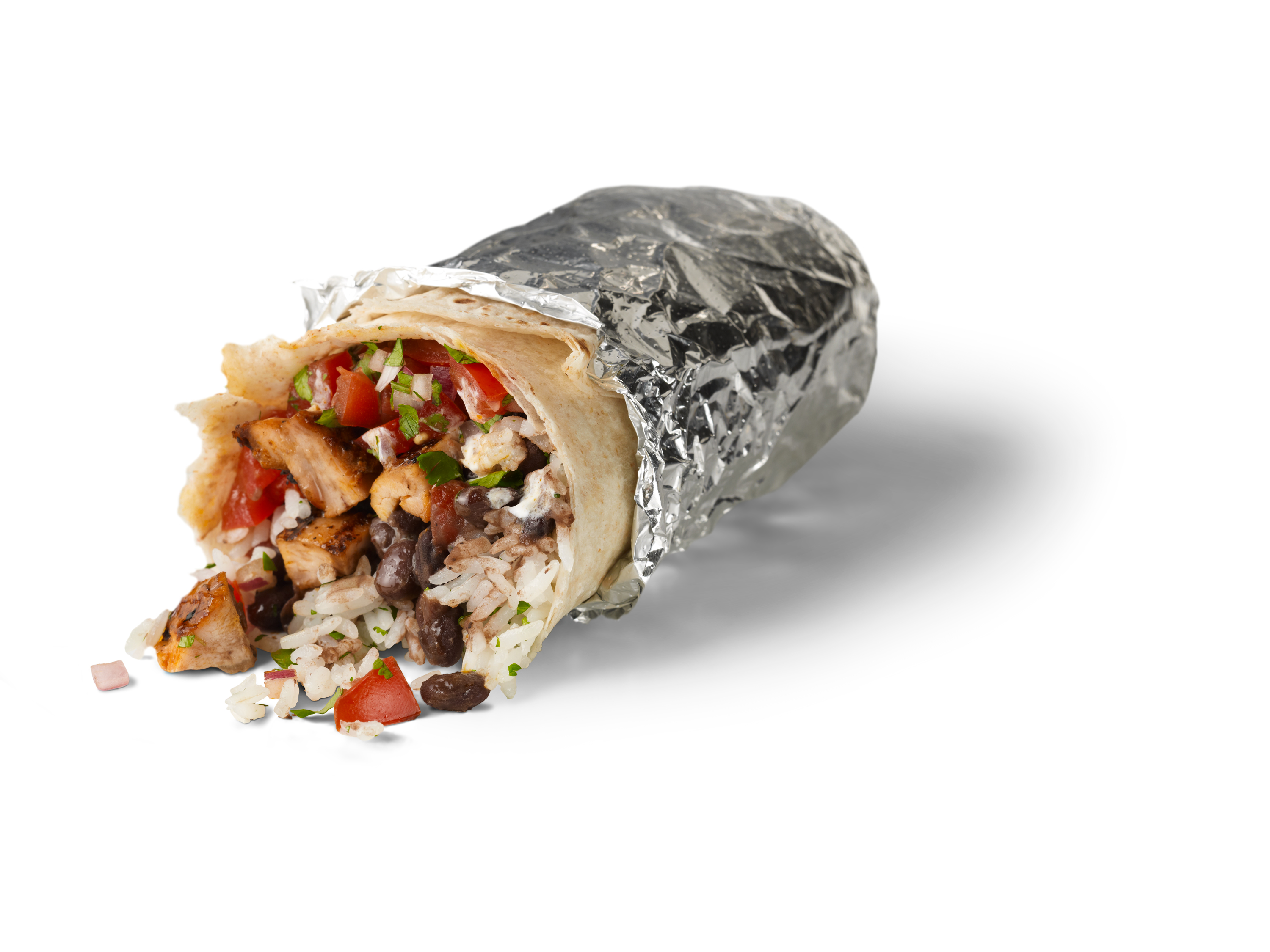
Chipotle teams with Wonderskin to launch Lipotle, a two-step guac-proof lip stain kit timed for National Avocado Day, blending food culture with beauty tech.
Apr 19, 2026

Photo by Monika Guzikowska on Unsplash
Hawkers Asian Street Food files Chapter 11 to stabilize operations, rework debt terms, and pursue growth with Savory Fund investment while preserving brand and staff.
Apr 19, 2026
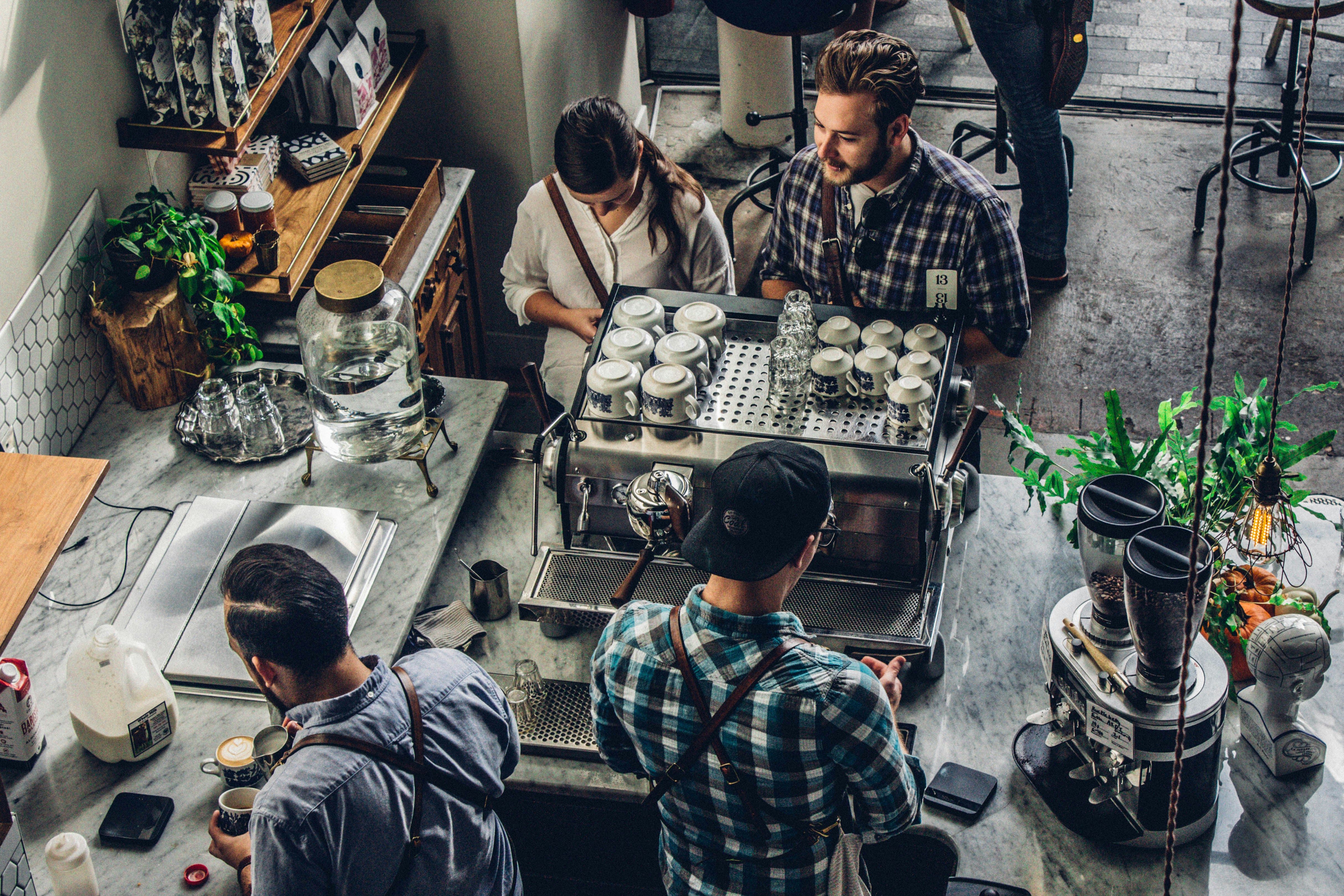
Photo by Joshua Rodriguez on Unsplash
Starbucks accelerates sustainability with cups, EV chargers, and Illinois solar projects, weaving renewables into daily operations and community life.
Apr 19, 2026
A profile of Angry Chickz’s bold heat, culture-led growth, and disciplined franchise model expanding from California to Texas and Arizona.
Apr 18, 2026
Photo by Maria Orlova on Unsplash
NRN's Investment Summit connects emerging restaurant brands with investors in Nashville, blending education, pitches, and deal-making to accelerate growth.
Apr 18, 2026
A wave of leadership changes across major restaurant brands signals governance-driven growth and nimble execution in a volatile market.
Photo by Patrick Tomasso on Unsplash
The industry is resetting governance across the dining table and the boardroom. September set the pace for a decisive leadership reset that touched both household names and rising brands. Five CEO changes surfaced in short order, a signal that brands are recalibrating governance to meet evolving guest expectations in a post pandemic landscape. The biggest move came at Whataburger, where the retirement of its chief executive triggers a top to top transition: Debbie Stroud, previously EVP and Chief Operating Officer, will assume the President and CEO roles effective January 1, 2025. The company highlights a rapid expansion arc—16 new states and more than 250 stores opened over the past five years—framing Stroud as the proven operator to push that trajectory forward.
Across the map, the realignment goes global. Starbucks signaled a broad reorganization of its North America and China divisions to sharpen execution in two critical growth engines and simplify accountability at the regional level. The geographic leadership framework pairs regional authority with global functions, accelerating reinvention while keeping brand experience consistent. In late 2024, the company also signaled a shift for China toward a licensed model while preserving strategic partnerships. The North American region is positioned to take on broader development and supply chain responsibilities, reinforcing a plan to push expansion without losing control of guest experience.
Bottom line This is leadership as strategy in motion—an effort to thread governance with execution in a marketplace defined by inflation, shifting demand, and a crowded field. Brands that align geographies with their growth playbooks will set the pace as the industry moves into a new era of speed and accountability.
A Gallery Of Executive Moves September is the latest chapter in a broader gallery of leadership turnover that has become a defining feature of the space. The press of late summer and early fall brought rapid changes at household names and rising brands alike, echoing August’s marquee transitions at Starbucks, Chipotle, and Papa Johns. Analysts note the volume, breadth, and timing reflect a strategic push to align leadership with brand values, market fit, and the ability to negotiate evolving supply chains and digitally enabled guest engagement. The result is a scramble to lock in executives who can scale, steward, and move with urgency across markets.
Wider movement across brands extended from corporate HQ to regional offices and brand presidents. The wave touched brands such as First Watch, Nothing Bundt Cakes, Papa Johns, Noodles & Company, Smalls Sliders, Walk On’s Sports Bistreaux, Mo’Bettahs Hawaiian Style Food, Artistry Restaurants, and Bloomin’ Brands, each reshaping senior teams as they chase renewed growth and sharper brand focus. In parallel, IHOP, Arby’s, and 7 Brew joined the roster of appointed presidents, with Arby’s elevating its marketing leadership in tandem. The moves reflect a search for seasoned, agile leaders who can navigate inflation, labor dynamics, and a digitally enabled guest journey.
So what the question is whether these leadership shifts translate into stronger guest experiences and faster go to market cycles. Early signals are mixed, but the industry is betting that depth in governance and a clear mandate on execution will separate winners from the pack.
The Global Leadership Overhaul The leadership reset has a distinctly global flavor as restaurant groups recalibrate around geography, growth markets, and cross functional capabilities. Starbucks publicly frames the shift as a reinvention program: a new global leadership structure that pairs geographic leadership with global functions to speed decisions and accelerate growth in North America and China. In late 2024, the company signaled that China would shift toward a licensed model while keeping strategic partnerships. Across the Atlantic and beyond, North America is empowered to lead development and supply chain optimization, mirroring a broader plan to scale without sacrificing brand experience.
Posture change is designed to simplify governance while preserving accountability at the market level. The moves signal a push to shorten decision cycles, align capital allocation with growth markets, and deploy technology more aggressively to support guest engagement and delivery. It is a concerted effort to turn global reach into faster execution on the ground.
Takeaway The global overhaul isn’t cosmetic. It’s a blueprint to match leadership depth with where the growth is, especially in digital guest journeys, store openings, and resilient supply chains.
Reactions From the Front Lines The reshuffle is inherently cross functional, affecting operations, marketing, and legal oversight as brands reposition for growth. A telling example comes from Arby’s, where David Graves joined as brand president and Jeff Baker rejoined as chief marketing officer. Commentators say the pairing could sharpen guest engagement and drive sales momentum in a crowded category. Graves brings a track record of transformational leadership from Pizza Hut U.S. and other brands, and a senior executive at Arby’s notes his servant leadership and focus on growing people and delivering exceptional guest experiences.
IHOP's transition drew attention for its implications on menu strategy, guest experience, and international expansion as Lawrence Kim takes the helm in a step that could influence innovation and digital initiatives across the brand.
Takeaway The cross‑functional reshuffle is a test of whether new leadership can translate governance shifts into tangible menu innovations and guest experiences. Early signs are hopeful, but the proof will come from execution across stores, apps, and loyalty channels.
Timelines And Governance Outcomes A set of explicit start dates will shape governance and performance in the near term. Whataburger formalized Debbie Stroud as President and CEO with an effective date of January 1, 2025, marking a clean handoff from the prior chief executive. IHOP announced Jay Johns’ retirement on January 6, 2025, with Lawrence Kim advancing to President Designee on October 21, 2024 and assuming the role on January 6, 2025. Wendy’s formalized governance changes in September 2024 naming Arthur Winkleblack as Chairman of the Board and appointing John Min as Chief Legal Officer and Secretary along with Mary Greenlee as Senior Vice President, U.S. Operations, all effective in 2024. BJ’s Restaurants, after appointing Lyle D. Tick as President and Chief Concept Officer in September 2024, advanced to CEO and President in 2025, subsequent to Tick’s board appointment in June 2025. Starbucks organizational updates in 2025 carried forward a program of leadership realignment. Taken together, these dates establish a pattern of deliberate leadership handovers designed to drive execution across markets and functions.
Implementation window The start dates create a scaffold for governance realignment and execution discipline: store openings, digital initiatives, and franchise relations. The cadence across Whataburger, IHOP, Wendy’s, BJ’s and Starbucks is not coincidental; it’s meant to push accountability from boardroom to storefront.
Bottom line The industry will be watching whether governance changes translate into durable gains in growth, guest satisfaction, and execution speed.