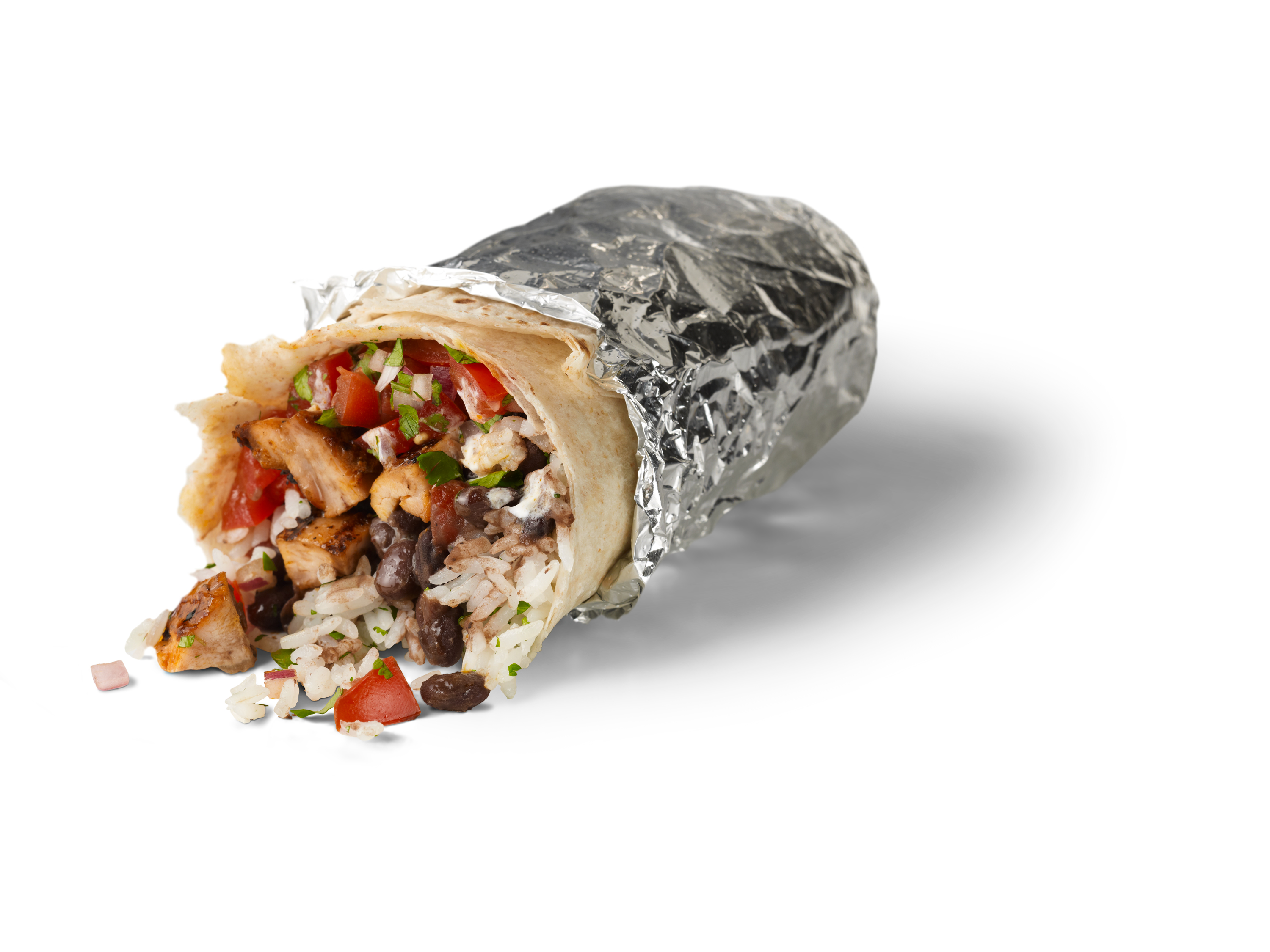
Lipotle Debuts: Guac-Proof Lip Stain
Chipotle teams with Wonderskin to launch Lipotle, a two-step guac-proof lip stain kit timed for National Avocado Day, blending food culture with beauty tech.
Marketing Ideas
Apr 19, 2026
Chipotle teams with Wonderskin to launch Lipotle, a two-step guac-proof lip stain kit timed for National Avocado Day, blending food culture with beauty tech.
Apr 19, 2026
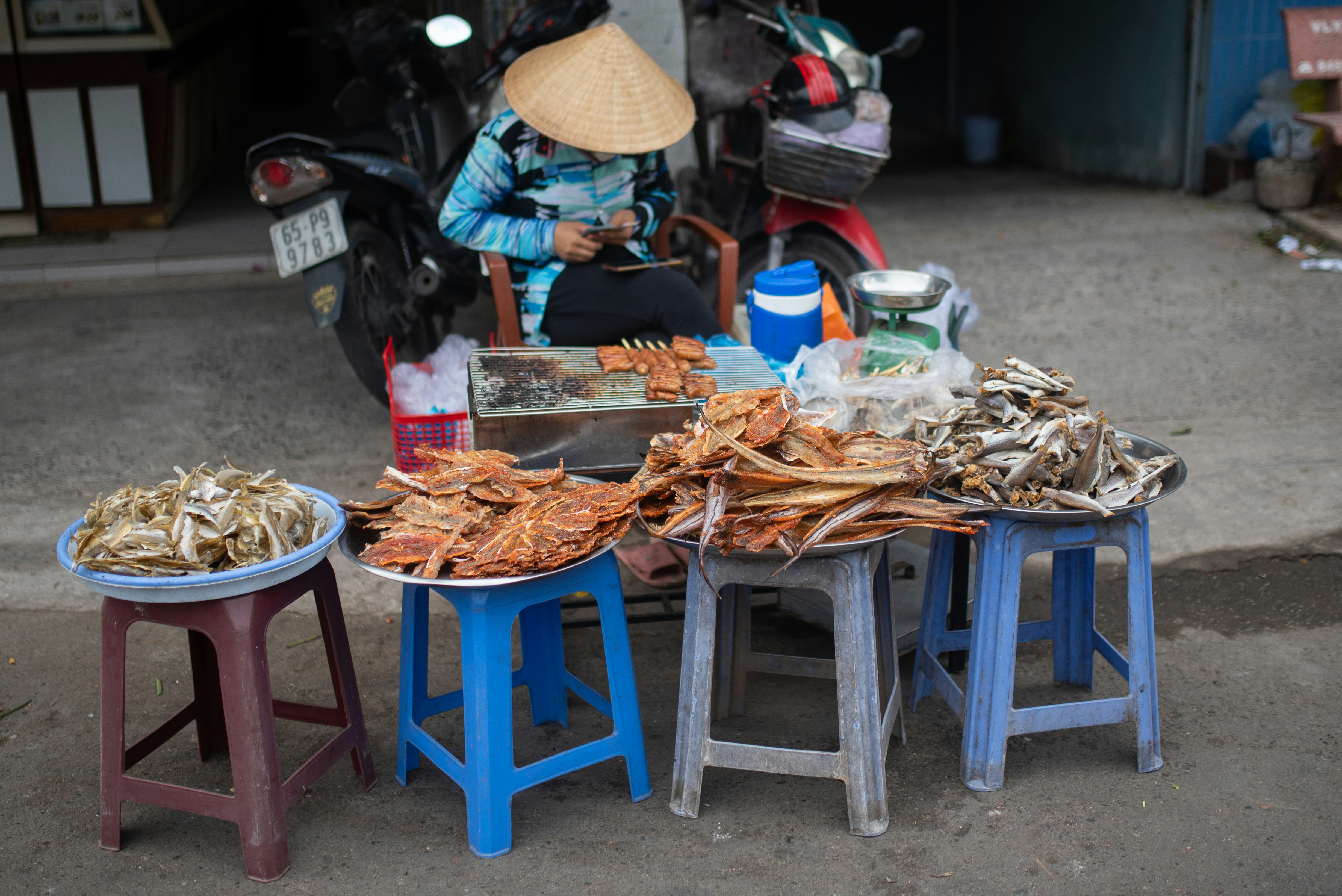
Photo by Monika Guzikowska on Unsplash
Hawkers Asian Street Food files Chapter 11 to stabilize operations, rework debt terms, and pursue growth with Savory Fund investment while preserving brand and staff.
Apr 19, 2026

Photo by Joshua Rodriguez on Unsplash
Starbucks accelerates sustainability with cups, EV chargers, and Illinois solar projects, weaving renewables into daily operations and community life.
Apr 19, 2026
A profile of Angry Chickz’s bold heat, culture-led growth, and disciplined franchise model expanding from California to Texas and Arizona.
Apr 18, 2026

Photo by Maria Orlova on Unsplash
NRN's Investment Summit connects emerging restaurant brands with investors in Nashville, blending education, pitches, and deal-making to accelerate growth.
Apr 18, 2026
RaceTrac acquires Potbelly to accelerate a franchising-led expansion, backed by new leadership and an expanded development playbook.
Apr 18, 2026
Photo by Adrien Olichon on Unsplash
Chili’s brings back Ziosk for pay-at-table, loyalty, and AI insights across 1,100+ locations, signaling a thoughtful, guest-focused digital restart.
Apr 18, 2026
Photo by The 77 Human Needs System on Unsplash
Scottsdale welcomes a compact, all-day market from True Food Kitchen blending wellness-forward meals with grab-and-go convenience, signaling broader growth into market formats.
Apr 18, 2026
The Melting Pot blends modernization with conversions to grow, inviting brighter guest experiences while honoring its fondue heritage.
Apr 18, 2026
Photo by Matt Benson on Unsplash
South Block grows along the East Coast with Savory Fund, preserving neighborhood-first ethos and people-on-the-block philosophy.
Apr 18, 2026
Hawkers Asian Street Food files Chapter 11 to stabilize operations, rework debt terms, and pursue growth with Savory Fund investment while preserving brand and staff.
Photo by Monika Guzikowska on Unsplash
From the glow of Central Florida’s dining scene, Hawkers launched a calculated pivot rather than a retreat. The decision to file for Chapter 11 was presented as a shield, a disciplined pause designed to protect the brand against external leverage while the team steadies operations and preserves what makes the concept memorable. With counsel led by R. Scott Shuker of Shuker & Dorris, Hawkers framed the move as a precise act of governance aimed at safeguarding guest experience and staff morale. The rhetoric carried a quiet resolve: stability now, growth with clarity later; this opening act signals the path forward rather than signaling surrender.
In a press release issued through counsel, Hawkers stressed that the Chapter 11 filing would permit normal operations and vendor payments to proceed under a controlled process while ownership and debt terms are rebalanced. The company insisted it had never missed a payment, a claim meant to frame the situation as governance-related rather than liquidity-challenged. The objective, Hawkers noted, is to preserve the brand’s character and protect the team as leadership realigns strategy; the aim is to safeguard the guest experience while the debt is renegotiated in orderly fashion.
This moment foreshadows a broader debate about how growth-stage brands defend autonomy when capital becomes contentious, a topic that will thread through Hawkers’ coming chapters.
Long before the Chapter 11 moment, Hawkers enlisted a debt capital agreement to accelerate the dream of becoming a household name across the United States. The founders—Kaleb Harrell, Allen Lo, Wayne Yung, and Kin Ho—saw debt as a lever to scale a community-driven concept from a single storefront to a national presence. The partnership with a lender was pitched as a sustainable engine for growth, with the shared belief that capital should enable thoughtful expansion—never at the expense of the people who build the brand.
Technom ic’s Top 500 data for 2023 records systemwide sales growth of 18.5% and unit growth of 7.7%, underscoring rapid momentum. Hawkers stood at 15 locations across Florida, Georgia, Maryland, North Carolina, Tennessee, Texas, and Virginia, with a menu anchored by dim sum, noodles, rice dishes, wings, skewers, and cocktails. The lender’s appetite to scale through new markets sharpened the tension between aggressive growth and governance, prompting a period of reflection on how to balance risk, control, and opportunity.
Within this tension lies a familiar industry question: how to grow with capital while preserving the autonomy that makes a concept distinctive.

Chapter 11 emerges here as a strategy, not a surrender. Hawkers framed the filing as a tactical mechanism to preserve operational continuity while the debt is restructured and ownership dynamics re-stabilized.
Hawkers stated the process would allow day-to-day operations and vendor relationships to continue under a controlled framework, with the aim of safeguarding the guest experience and team stability as it charts a path forward. The approach mirrors how operators typically use Chapter 11 to maintain service levels and supplier terms while negotiating new terms with lenders. Nation’s Restaurant News has highlighted that the objective is to continue normal operations and vendor payments during this period while control is re-stabilized.
In this framing, the goal is clear: protect the brand and its people from external interference during a moment of strategic realignment.
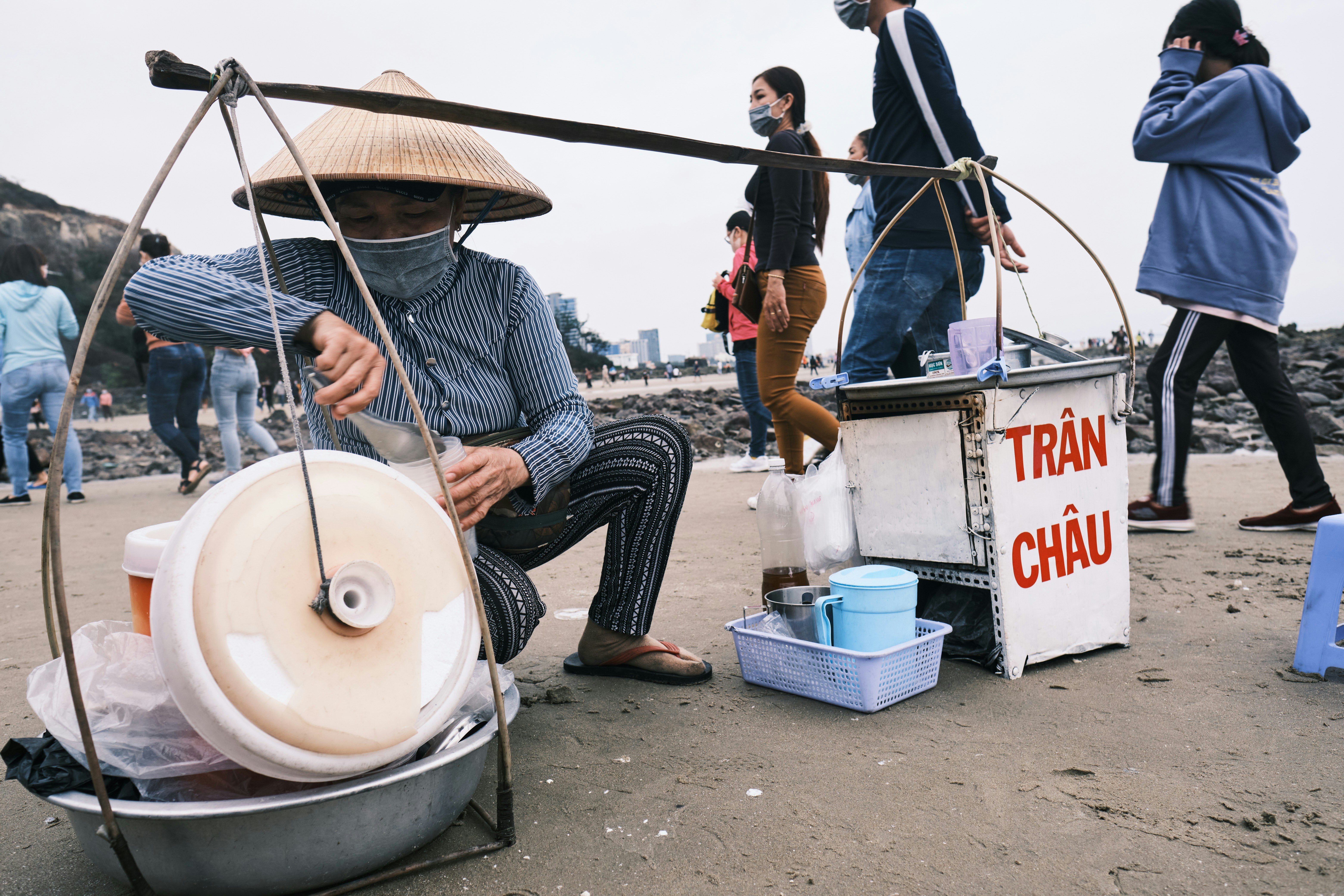
The Hawkers leadership has framed the restructuring as orderly realignment rather than retreat. The founders—Kaleb Harrell, Allen Lo, Wayne Yung, Kin Ho—built Hawkers on heart, hustle, and community, and their public comments emphasize patient, sustainable expansion even amid financial realignment. The ethos underlines stewardship and a belief that growth must be deliberate as markets shift.
Harrell has spoken of the brand’s potential and the importance of partnering with a collaborator who shares that long-term vision. The emphasis on thoughtful governance and shared purpose aligns with the understanding that lenders, operators, and guests all benefit when stability and continuity anchor growth during restructurings.
This is a quiet ode to responsible expansion—a narrative that resonates as much within boardrooms as at the dining room door.
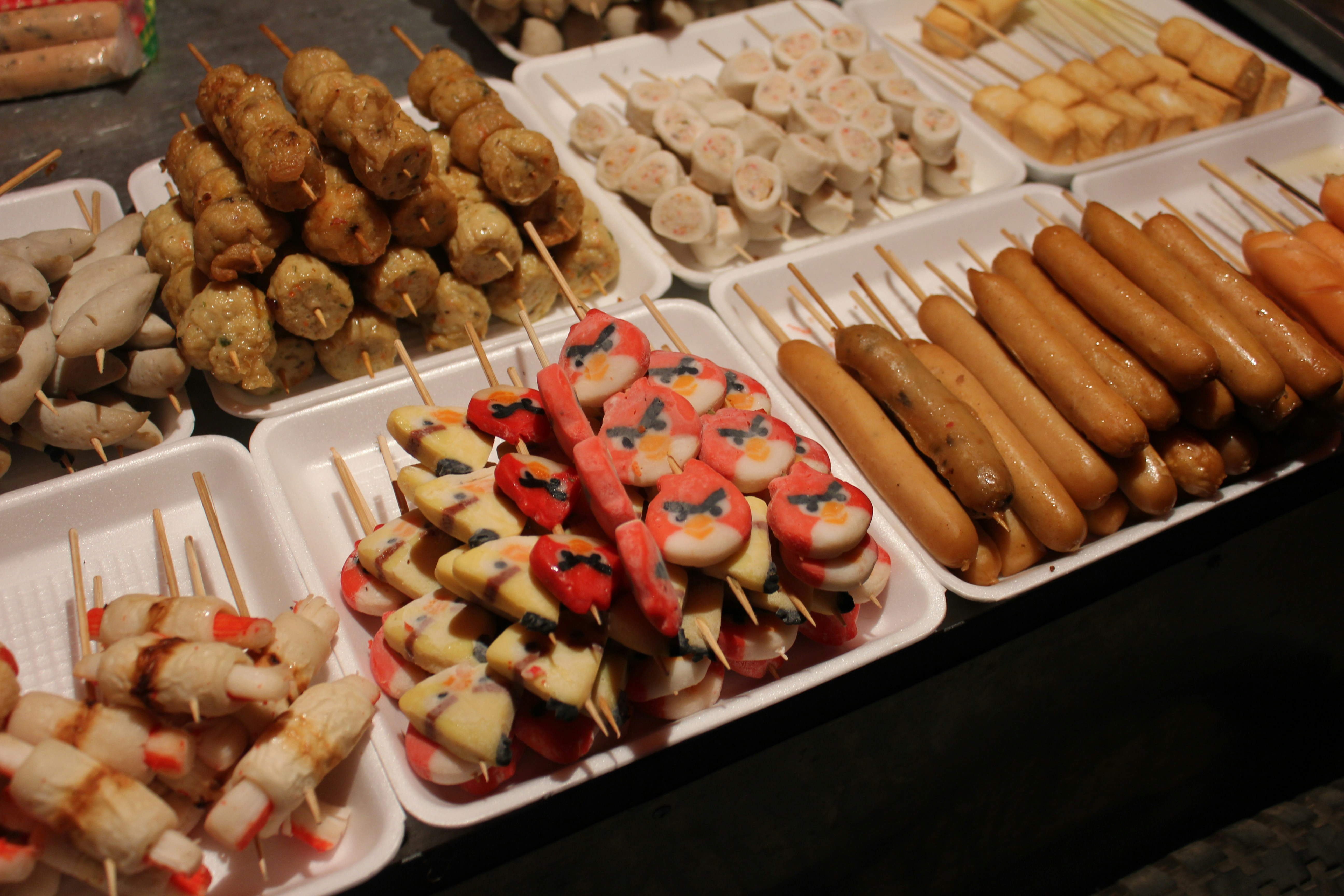
Hawkers’ timeline unfolds like a precise menu: September 2024 the Chapter 11 filing to shield the brand from an overbearing lender; February 2025 voluntary withdrawal after restructuring the loan; June 2025 a strategic infusion from Savory Fund announced to accelerate expansion and address remaining debts. The chain had grown to 15 locations, with average unit volumes around $4.6 million and a footprint spanning Florida, Georgia, Maryland, North Carolina, Tennessee, Texas, and Virginia. The leadership team described the move as a disciplined continuation, not a retreat.
The investment from Savory Fund marks a milestone in Hawkers’ evolution, pairing capital with operational guidance to scale the concept while preserving its street-food heart. The public record frames the partnership as a means to address debt head-on and accelerate growth across markets, signaling a new era of collaborative governance.
Taken together, Hawkers’ experience offers a case study in how Chapter 11 can be deployed strategically to protect brand integrity and continuity as debt capital reshapes the restaurant landscape.