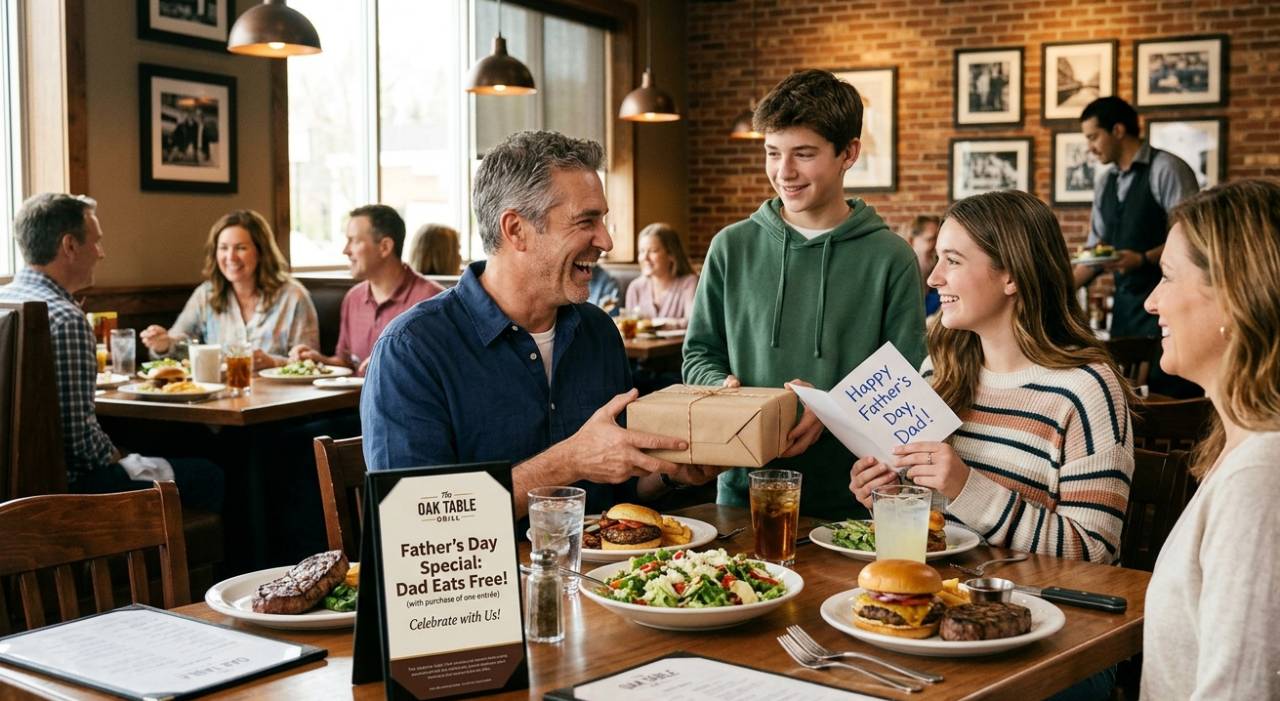
How to Increase Restaurant Sales on Father's Day
Learn how Father's Day promotions, menus, reservations, marketing, and staff training increase restaurant sales while protecting margins and improving performance.
Learn how Father's Day promotions, menus, reservations, marketing, and staff training increase restaurant sales while protecting margins and improving performance.
Learn how to franchise a restaurant by building systems, protecting your brand, choosing franchisees, and supporting consistent long-term growth successfully.
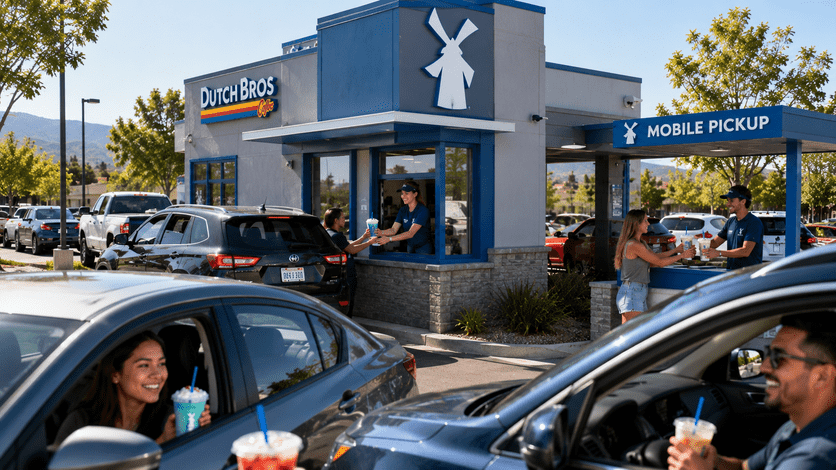
Dutch Bros delivered one of the strongest quarterly performances in its history during Q1 2026, with a 31% revenue increase, 8.3% same-store sales growth, and unaided brand awareness that has more than doubled in 18 months driven by mobile ordering, food menu expansion, loyalty upgrades, and aggressive market density building.
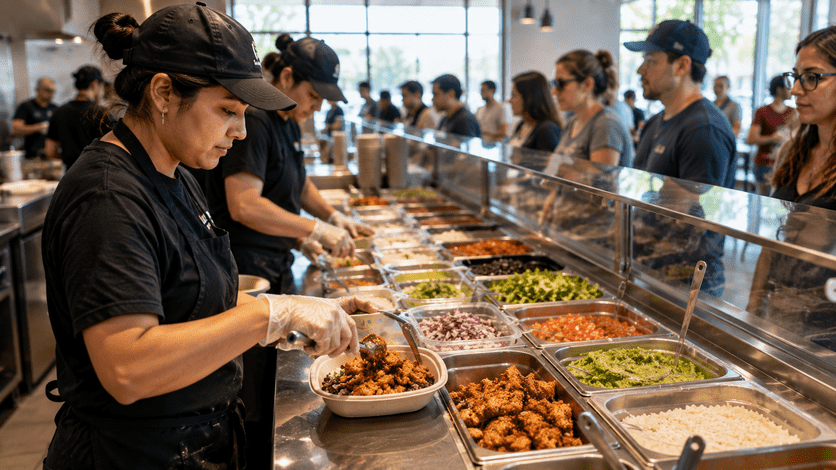
Chipotle is quietly testing a new Crispy Chicken protein option in select California restaurants, marking a potential shift in the chain's menu strategy as it looks to accelerate innovation and tap into one of the fastest-growing food categories in the restaurant industry.
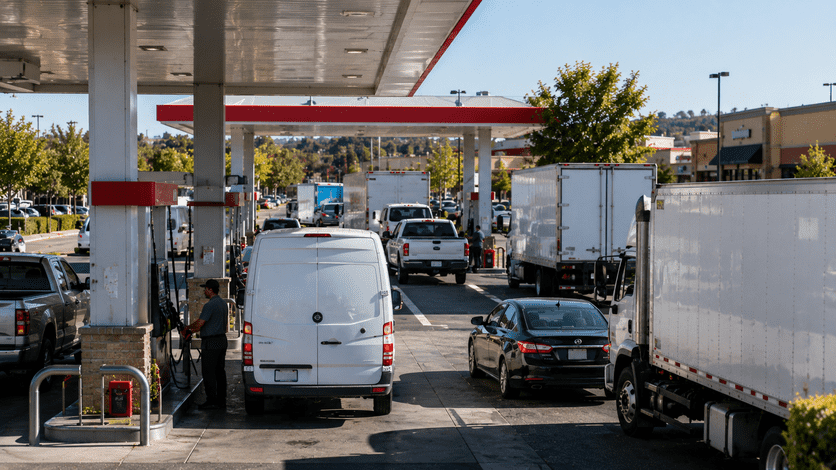
Fuel costs are emerging as one of the more unpredictable financial pressures facing quick-service restaurant operators running through supply chains, delivery economics, and consumer spending behavior in ways that are harder to anticipate and manage than traditional cost inputs like food and labor.
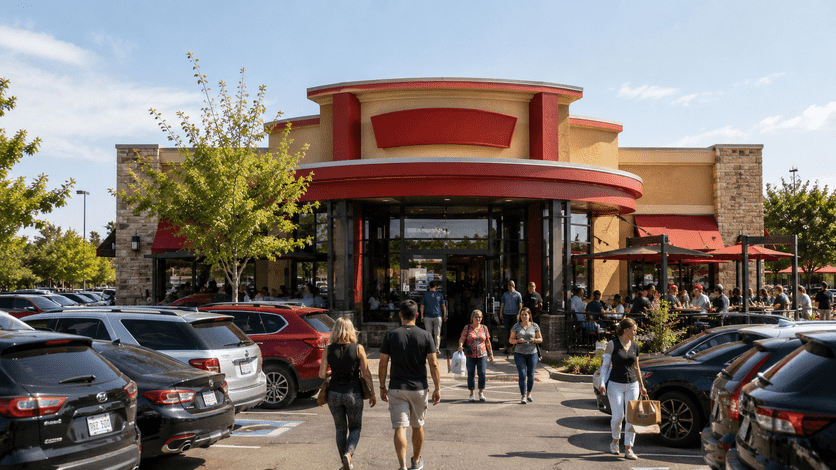
Red Robin has sold 30 company-owned restaurants in Washington and Western Idaho to multi-unit operator Evergreen Dining for $23.5 million in cash, using the proceeds to pay down debt and fund its First Choice turnaround plan as the chain continues to reshape its ownership structure.

Operators share how to scale: trust the brand’s playbook, plan people, invest early, and navigate the Hell Zone as multi-unit growth accelerates into 2026.
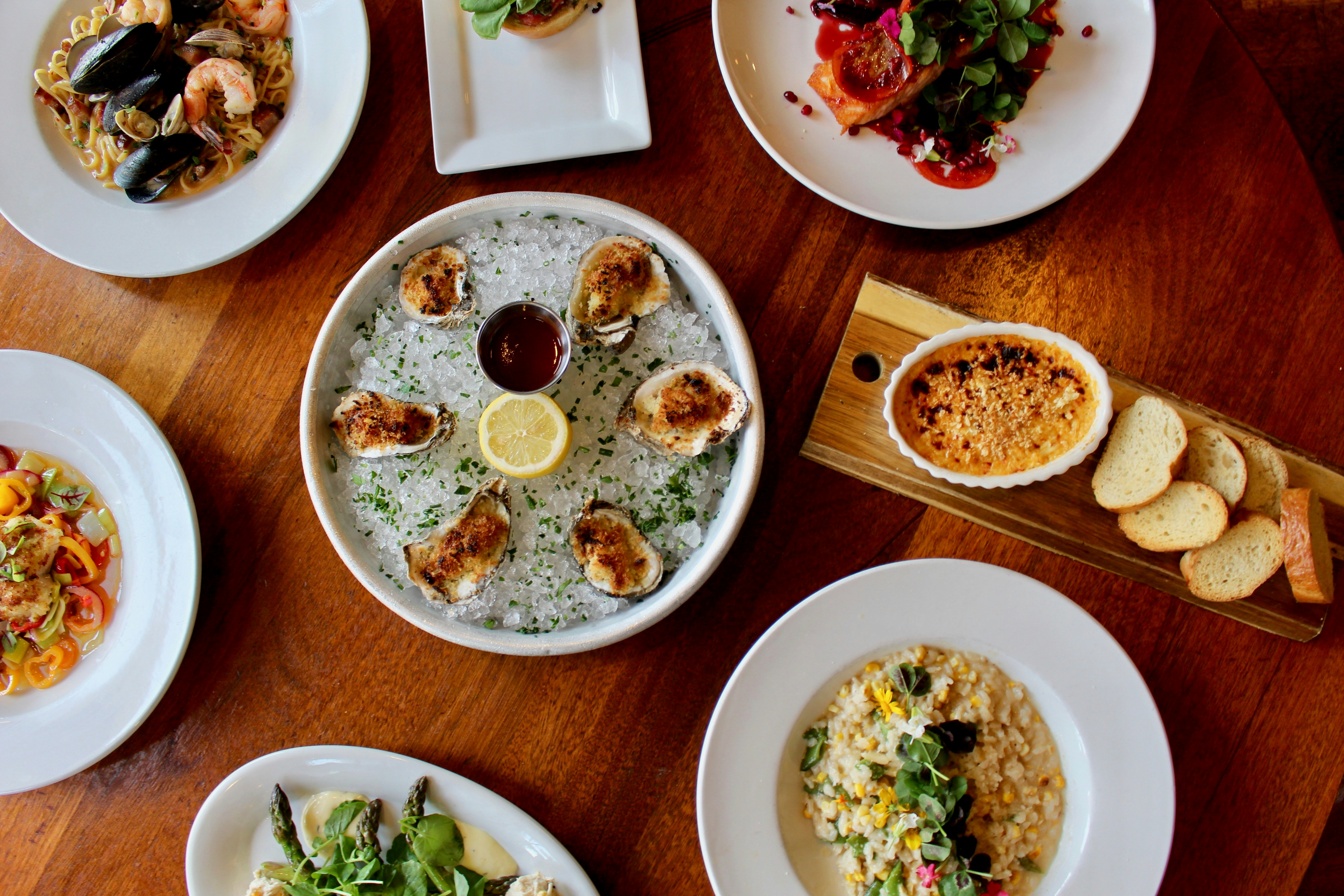
Red Lobster will close its 5 Times Square flagship on June 14, 2026, citing construction and office-to-residential conversion; staff offered transfers and pay.
New CMO Tim Hackbardt outlines bets on AI, automation and GLP-1 impacts, as operators weigh costs, ROI and changing demand.
WOWorks has appointed James Walker, former CEO of Lunchbox and longtime franchise industry leader, as its new Chief Growth Officer, while promoting three-year company veteran Nolan Woods to Chief Operations Officer a pair of leadership moves designed to accelerate franchise expansion across its six health-focused restaurant brands.

Unlock Exclusive Access To Webinars, Events, And The Latest News For Free!
Dutch Bros delivered one of the strongest quarterly performances in its history during Q1 2026, with a 31% revenue increase, 8.3% same-store sales growth, and unaided brand awareness that has more than doubled in 18 months driven by mobile ordering, food menu expansion, loyalty upgrades, and aggressive market density building.
Dutch Bros turned in a standout first quarter in 2026, posting a 31% increase in revenue on the back of 8.3% same-store sales growth and a 5.1% rise in transactions. For a chain that has been growing rapidly for several years, the numbers suggest Dutch Bros isn't just expanding it's building genuine consumer habits that are driving repeat visits at a pace that outpaces most of the restaurant industry right now.
The performance was particularly strong at company-operated shops, which make up roughly 72% of the brand's 1,177-store system. Those locations grew sales by 10.6%, led by a 6.9% increase in transactions a metric that matters more than price-driven revenue gains because it reflects real people coming back more often rather than simply paying more for the same visit.
Perhaps the most striking data point from Dutch Bros' Q1 story isn't a financial metric it's a brand metric. William Blair analyst Sharon Zackfia noted in a research report that Dutch Bros' unaided brand awareness has more than doubled over the past 18 months. That kind of shift in consumer recognition, at the speed it's happened, is unusual for a chain of any size and reflects a multi-channel effort that has clearly taken hold.
President and CEO Christine Barone attributed the awareness surge to a combination of community events, paid advertising, and social media engagement all of which have raised the brand's visibility beyond the markets where it already has a physical presence. Infill development, where the chain opens additional locations in markets it already operates in, has also contributed by increasing ambient exposure for nearby residents who might not have discovered the brand through a single location.
The clearest example of what density-plus-awareness can produce is Texas, where Dutch Bros has spent considerable time and resources building up both. In that market, comparable sales increased by 20% a result that reflects what happens when a brand reaches the critical mass needed for consumers to make it a genuine routine rather than an occasional stop.
Two specific operational developments are playing a meaningful role in Dutch Bros' sales growth - the rollout of food items and the expansion of mobile ordering. As of Q1, the food menu had been deployed in approximately 485 shops, with attachment rates the frequency with which customers add food to a drink order coming in above what the company initially projected.
Barone described both food and mobile ordering as critical to building the routinized morning behavior that drives consistent traffic in the coffee category. When a customer can open an app, place an order, and pick up a drink and a breakfast item without breaking stride in their morning, the brand becomes part of a habit rather than a deliberate choice. That's the kind of consumer behavior that sustains same-store sales growth over time, not just in a strong quarter.
Dutch Bros' loyalty program is showing an intensity of engagement that is difficult to replicate. Rewards members currently account for 74% of all transactions a figure that puts the chain ahead of even Starbucks, where rewards members account for approximately 60% of company-operated revenue. The comparison isn't perfectly apples-to-apples, but the gap is large enough to be meaningful.
Barone acknowledged that the brand is still in the early stages of what its loyalty infrastructure can do. The program has evolved from broad promotional offers to win-back campaigns targeting lapsed customers, and more recently to frequency-level campaigns designed to nudge occasional visitors into becoming regulars. Personalized segmentation tailoring offers and communications to individual customer behavior is the next frontier, and Barone indicated the brand has significant room to grow there.
Building loyalty at this depth means Dutch Bros isn't just winning new customers it's converting them into habitual visitors whose spending is predictable and whose relationship with the brand is harder for competitors to disrupt.
Limited-time offers have become a significant sales driver for Dutch Bros, and the chain has leaned into them aggressively increasing the velocity of its LTO launches by 30%. Recent examples include the Brown Butter Chocolate Chip, Fruit Punch with a Sour Candy Straw, and Kool Blue beverages launched in February, all of which reflect the brand's ability to spot cultural trends and bring accessible, visually distinctive products to market quickly.
The strategy is working on multiple levels simultaneously. LTOs create urgency that drives incremental visits from existing customers who don't want to miss a flavor. They generate organic social media content as customers share photos and reactions online. And they reinforce the brand's identity as an innovative, trend-aware company the kind of place that feels current rather than formulaic.
In a broader QSR environment where consumer price sensitivity has made it harder to drive traffic through traditional promotional mechanics, Dutch Bros' LTO approach offers a different kind of lever one built on excitement and exclusivity rather than discounting.
Dutch Bros' performance, considered alongside continued growth at Starbucks, points to something important about where consumer spending is holding up even as pressure mounts across other restaurant segments. The coffee and energy drink category is proving more resilient than casual dining, pizza, or even some fast-casual formats likely because the products involved are tied to daily habits that consumers are reluctant to cut even when budgets tighten.
For the broader restaurant industry, Dutch Bros' Q1 is a case study in what sustained investment in brand awareness, loyalty infrastructure, product innovation, and market density can produce over time. None of the individual elements food rollout, mobile ordering, LTOs, community marketing is uniquely novel. What's notable is how effectively Dutch Bros has executed all of them simultaneously and how clearly the results are showing up in the numbers.