Your Franchising Playbook: Trust the System, Plan the People
Operators share how to scale: trust the brand’s playbook, plan people, invest early, and navigate the Hell Zone as multi-unit growth accelerates into 2026.
Operators share how to scale: trust the brand’s playbook, plan people, invest early, and navigate the Hell Zone as multi-unit growth accelerates into 2026.
Red Lobster will close its 5 Times Square flagship on June 14, 2026, citing construction and office-to-residential conversion; staff offered transfers and pay.
New CMO Tim Hackbardt outlines bets on AI, automation and GLP-1 impacts, as operators weigh costs, ROI and changing demand.
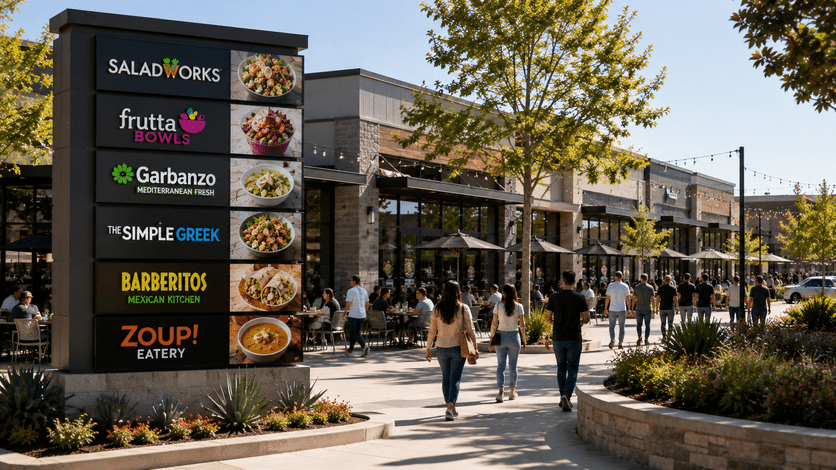
WOWorks has appointed James Walker, former CEO of Lunchbox and longtime franchise industry leader, as its new Chief Growth Officer, while promoting three-year company veteran Nolan Woods to Chief Operations Officer a pair of leadership moves designed to accelerate franchise expansion across its six health-focused restaurant brands.
Record multi-unit franchise deals cluster territories coast to coast as brands chase scale amid inflation and QSR operators control 58% of units.

Savory Fund CEO Clay Dover details how AI speeds openings, training, and prep—powered by voice and tempered with human checkpoints across operations.
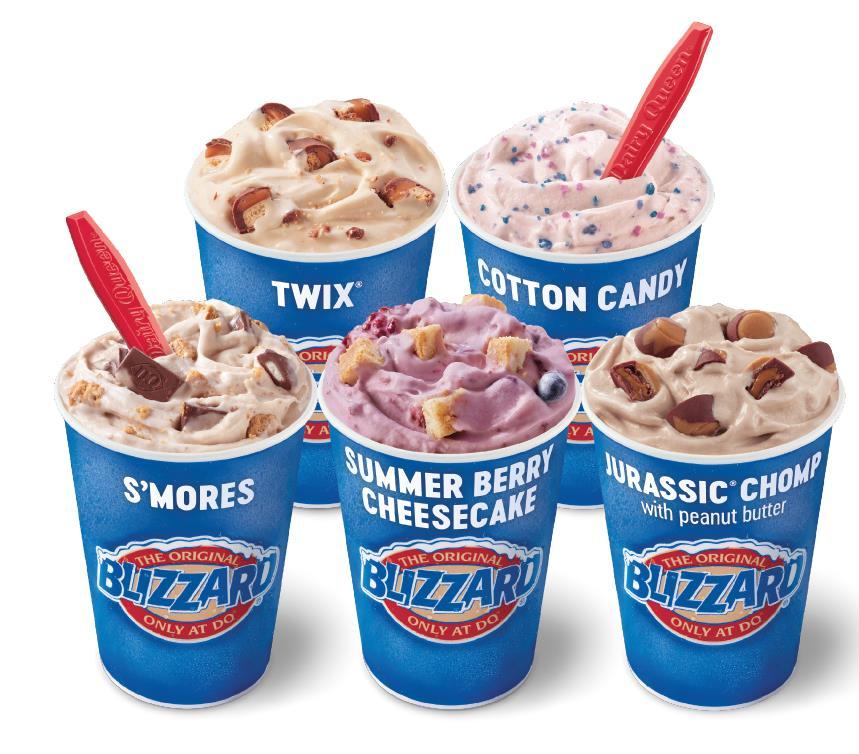
Cash incentives: $150K for the first Grill & Chill on schedule, then $200K per unit within 18 months, as Dairy Queen targets U.S. and Canada expansion.
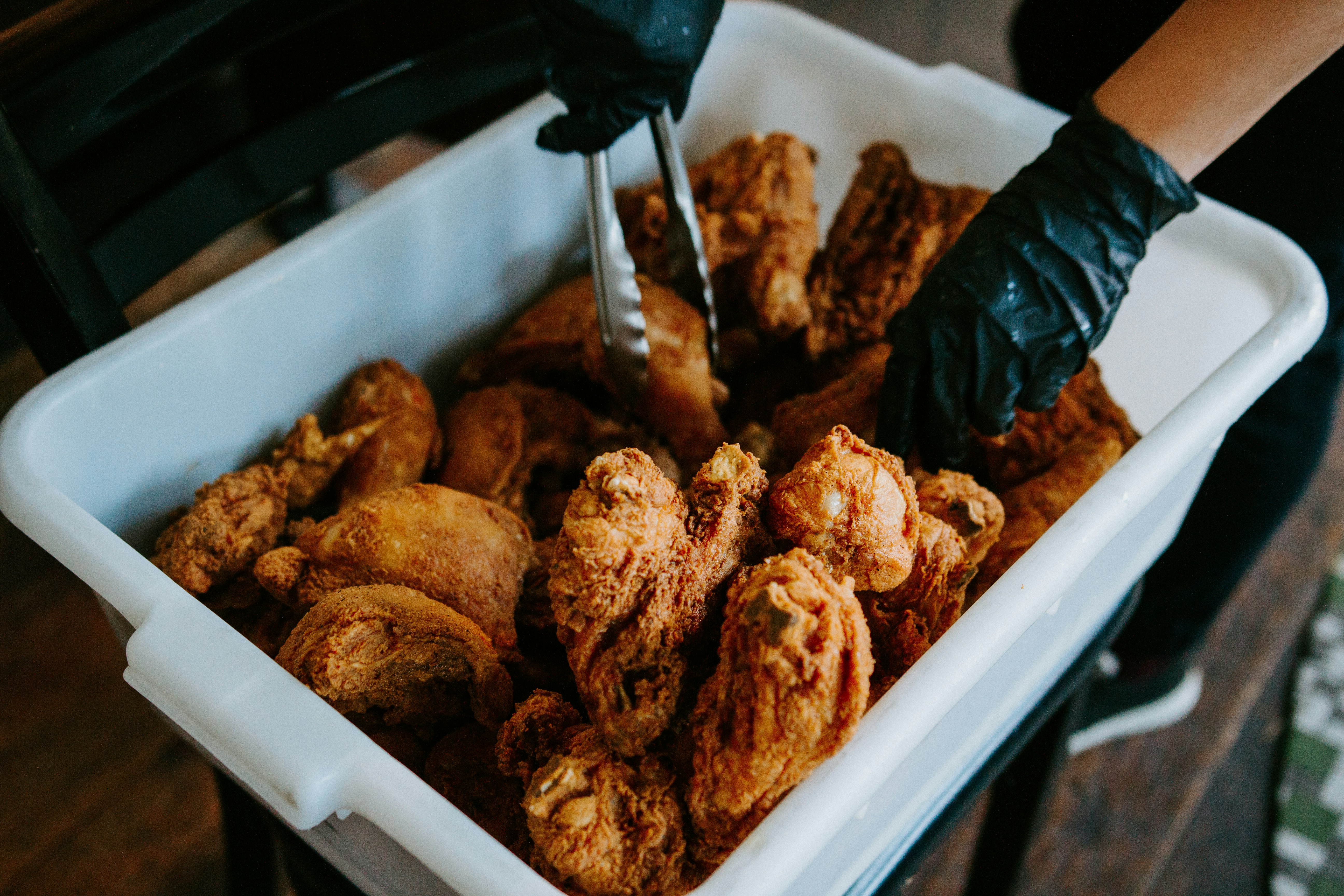
Esperto Hospitality Group acquires Daddy’s Chicken Shack and plans a 2026 relaunch, starting with company-owned stores in New Jersey and expanding along the East Coast.

Plant-based chain Clover Food Lab will close all 11 restaurants on May 28, 2026, citing 30–50% ingredient inflation and mounting operating costs.
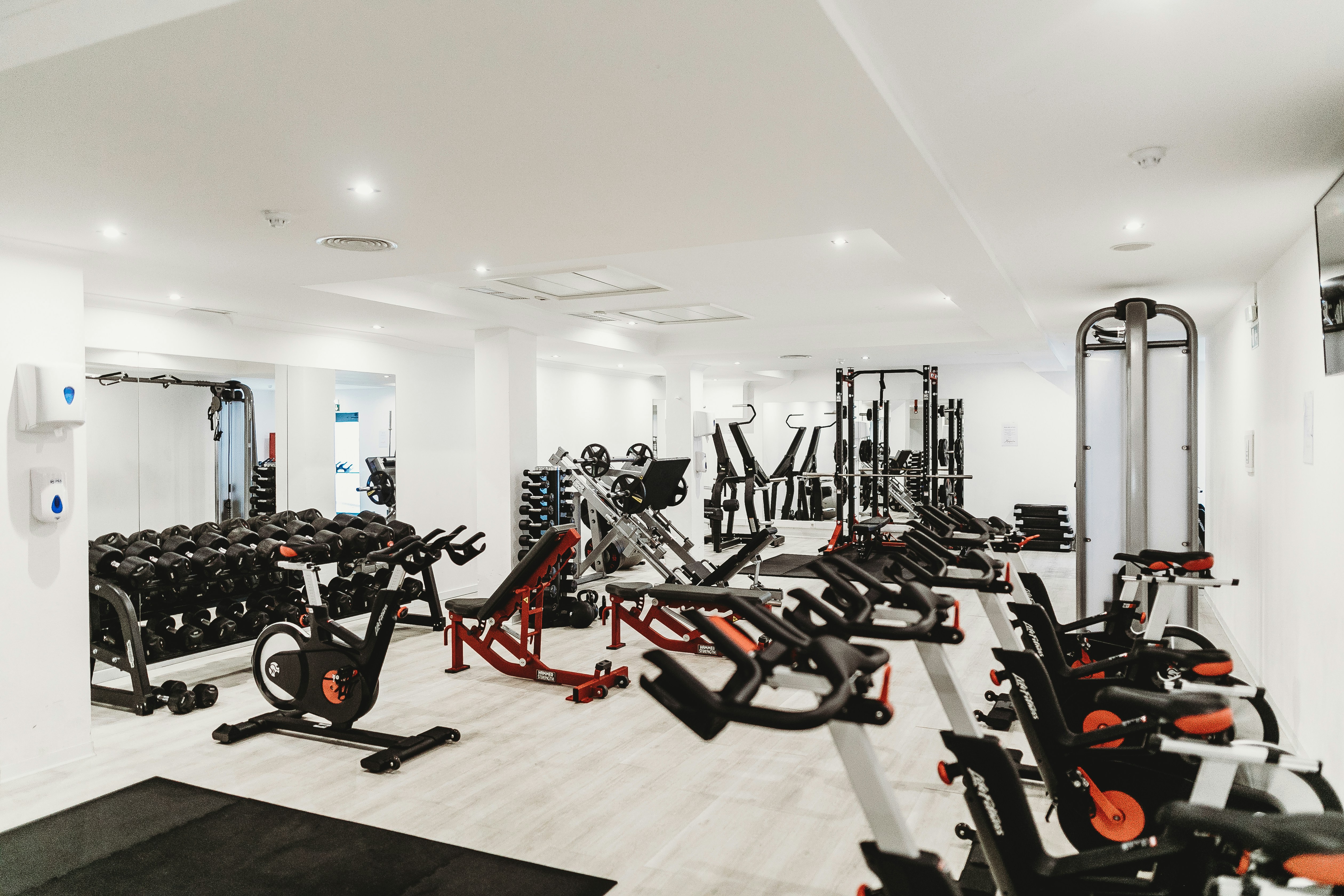
Crunch, Bodybar Pilates, and UFC Gym share disciplined playbooks: strong presales, premium upsells, and capital-backed operators fueling rapid, profitable growth.

Unlock Exclusive Access To Webinars, Events, And The Latest News For Free!
Operators share how to scale: trust the brand’s playbook, plan people, invest early, and navigate the Hell Zone as multi-unit growth accelerates into 2026.
Photo by Don Cangrejo
Franchising is swelling again, adding over 20,000 units for a total of 851,000 operating locations in 2025. The operators propelling that growth keep pointing to the same anchors: lean on the brand’s playbook and line up the right people before you add keys to the ring.
Sid Weigand, a Smoothie King franchisee since 1998, puts the relationship plainly: “They want us to succeed; they want the company to succeed,” he says.
He frames the franchisor-franchisee dynamic as a shared climb, not a tug of war. Burn Boot Camp partners Allison Bradley and Erica Ames echo that spirit with a gentle reminder to keep the first shop strong while you prepare for the second: “You can’t do it alone” and clear accountability charts matter, as does time that is split with intention across sites. Scale also needs a plan that fits the owner.

Husband-and-wife team Hunter and Mallory Mitchem stress that ambition sets the blueprint before a lease is ever signed, because “A 100-unit versus 250-unit business strategy is different,” he notes. First-time franchisees Katie and Chase Vettese of the Sip Fresh smoothie concept show what early credibility looks like when you are new to the brand: sleeves rolled up, learning in the store. The International Franchise Association’s 2026 Franchising Economic Outlook points to a rising share of single-unit operators reinvesting in more sites, a signal that multi-unit expansion is defining this cycle.
The mechanics are not glamorous, but they are repeatable. Weigand urges peers to “trust your brand” rather than freelance the model, and he leans into operator networks to speed learning and dodge rookie mistakes. Bradley and Ames describe an accountability chart that spells out who owns what, from partner duties to staff roles, so each gym keeps its footing as the portfolio grows. The Mitchems advise a hard look at a brand’s growth plan before you commit, with special attention to execution cadence, leadership layering, and capital deployment timelines.

Operators at the 2026 Multi-Unit Franchising Conference summed up the messy middle as the “Hell Zone,” when you are too big to do everything yourself but not yet big enough to carry full infrastructure. The way through requires early investment in back-office systems, training platforms, and regional support teams.
Voices from the field give that scaffolding a human touch. Weigand says, “They look at us like partners, and they have a partnership mindset, so we have to trust that they’re looking out for our best interest.”
Bradley adds a quiet checklist that reads like muscle memory for multi-unit life: “You have to have the right people in the right seats to keep that first gym successful…then make sure you’re splitting your time evenly when you go into that second location.” Katie Vettese describes her routine with the steadiness of someone earning trust shift by shift: “I’m in the store five days a week. I help open it up. I want to make sure that our [employees] are fully trained.”

Iowa teenager Lily Wilford, who became Papa Murphy’s youngest franchisee in 2023 at age 17, credits the field bench behind her: “I could not have done it without him.” The financial markers come with patience. Weigand’s path from a single unit in 1998 to 13 stores shows how steady reinvestment builds scale. The IFA’s 2025 Franchisor Survey reports that 85% of franchisors see positive relationships with their franchisees, and 54% plan to leverage internal franchise sales teams to drive growth this year, reinforcing how alignment and support shape contract negotiations, royalty structures, and territory development agreements.
Industry momentum is not just a feeling. The IFA projects franchise output at $936.4 billion in 2025, with a 2.4% sector rise that year compared with the U.S. economy’s expected 1.9% GDP growth. Brand stories mirror that climb. Fully Promoted signed 57 new agreements and launched 34 locations worldwide in 2025, bringing its network to over 1,800 units across 80 countries.
IMAGE Studios added 16 new salon suites and expects one-third of its 2025 agreements to be multi-unit. The throughline is consistent: franchisors and franchisees see multi-unit portfolios as engines for revenue diversification and operational leverage.
There are still knots to untie. The IFA’s 2025 survey flags labor shortages and sales volatility as top challenges, which can delay openings or squeeze unit economics.
The “Hell Zone” stays risky for operators who try to stretch without infrastructure or leadership depth. Emerging concepts with thinner playbooks can show their seams on supply chain or marketing once you move past the first location. That is why humility, constant process testing, and healthy cash reserves matter as much as a ribbon-cutting plan.
For operators eyeing 2026, the playbook is refreshingly simple to say and demanding to live: anchor growth in a brand’s proven systems, then plan people across every rung of the ladder. Pair rigorous due diligence on scale ambitions with honest assessments of capacity and market fit. Draw close to peers, area supervisors, and franchisor field teams. With multi-unit expansion continuing at a steady clip, the owners who follow those habits will be ready to handle complexity, seize openings, and build portfolios that feel as sound as they look.