Your Franchising Playbook: Trust the System, Plan the People
Operators share how to scale: trust the brand’s playbook, plan people, invest early, and navigate the Hell Zone as multi-unit growth accelerates into 2026.
Operators share how to scale: trust the brand’s playbook, plan people, invest early, and navigate the Hell Zone as multi-unit growth accelerates into 2026.
Red Lobster will close its 5 Times Square flagship on June 14, 2026, citing construction and office-to-residential conversion; staff offered transfers and pay.

New CMO Tim Hackbardt outlines bets on AI, automation and GLP-1 impacts, as operators weigh costs, ROI and changing demand.
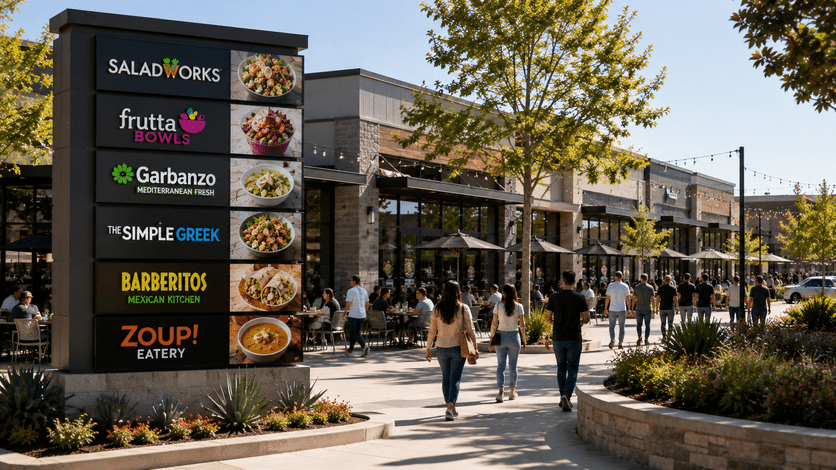
WOWorks has appointed James Walker, former CEO of Lunchbox and longtime franchise industry leader, as its new Chief Growth Officer, while promoting three-year company veteran Nolan Woods to Chief Operations Officer a pair of leadership moves designed to accelerate franchise expansion across its six health-focused restaurant brands.
Record multi-unit franchise deals cluster territories coast to coast as brands chase scale amid inflation and QSR operators control 58% of units.

Savory Fund CEO Clay Dover details how AI speeds openings, training, and prep—powered by voice and tempered with human checkpoints across operations.
Cash incentives: $150K for the first Grill & Chill on schedule, then $200K per unit within 18 months, as Dairy Queen targets U.S. and Canada expansion.
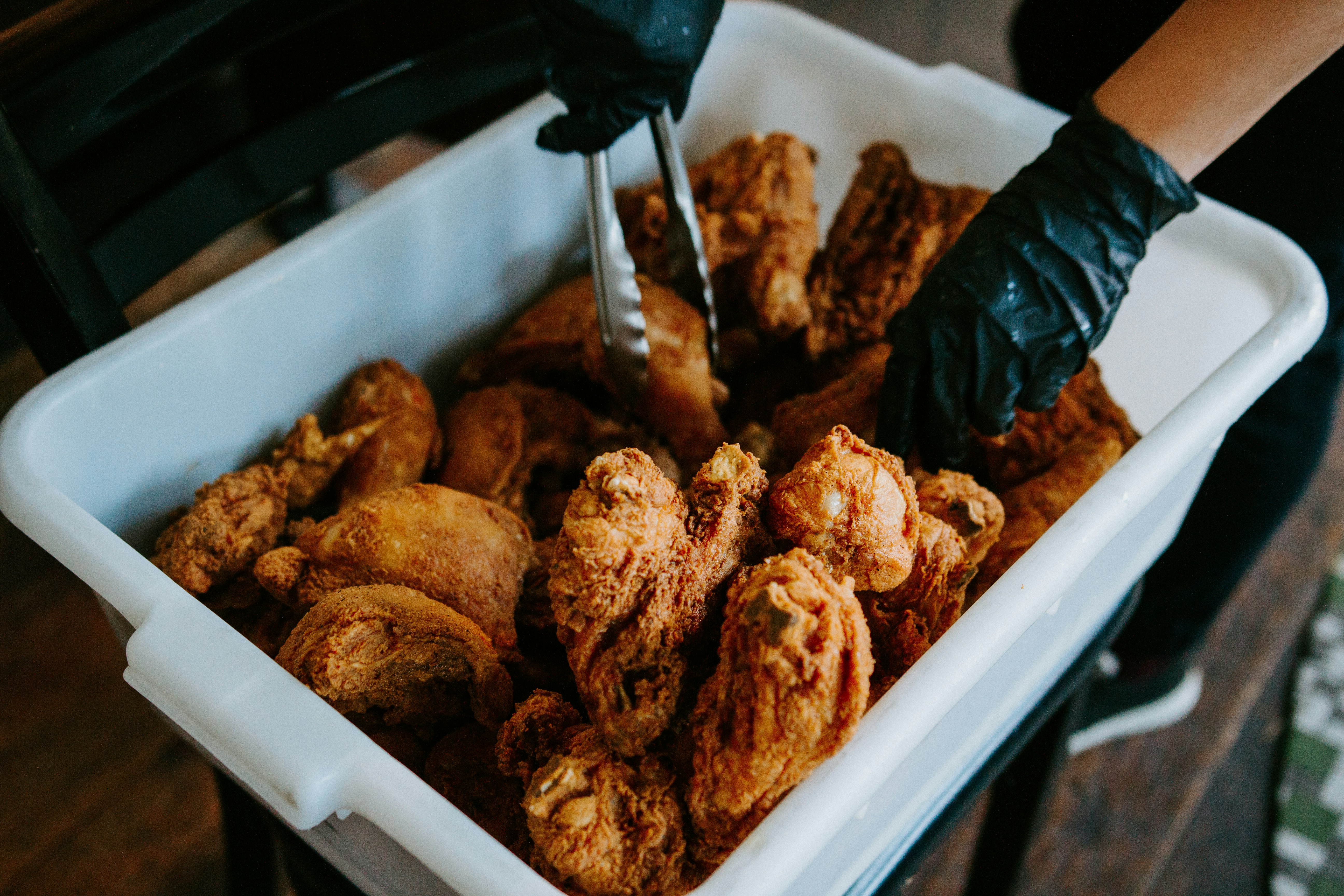
Esperto Hospitality Group acquires Daddy’s Chicken Shack and plans a 2026 relaunch, starting with company-owned stores in New Jersey and expanding along the East Coast.
Plant-based chain Clover Food Lab will close all 11 restaurants on May 28, 2026, citing 30–50% ingredient inflation and mounting operating costs.

Crunch, Bodybar Pilates, and UFC Gym share disciplined playbooks: strong presales, premium upsells, and capital-backed operators fueling rapid, profitable growth.

Unlock Exclusive Access To Webinars, Events, And The Latest News For Free!
Red Lobster will close its 5 Times Square flagship on June 14, 2026, citing construction and office-to-residential conversion; staff offered transfers and pay.
Photo by Scott Greer
Red Lobster will shutter its flagship at 5 Times Square on Sunday, June 14, 2026, ending a 23-year run in one of the world’s busiest tourist corridors. The Orlando-based chain called the site “economically unsustainable,” pointing to prolonged building work and a planned conversion of the property to residential use. The exit carries extra weight because this has been Red Lobster’s only New York City outpost.
The three-story restaurant opened in July 2003 and quickly became a high-visibility stage in the theater district. The brand leaned into spectacle, from frequent promotions to headline-grabbing stunts. On March 28, 2023, it hosted a one-day Endless Lobster event at the flagship, offering guests free Live Maine lobster as part of a broader experiential marketing push. Over two decades, the location became a hub for activations designed to spike foot traffic and land national media.
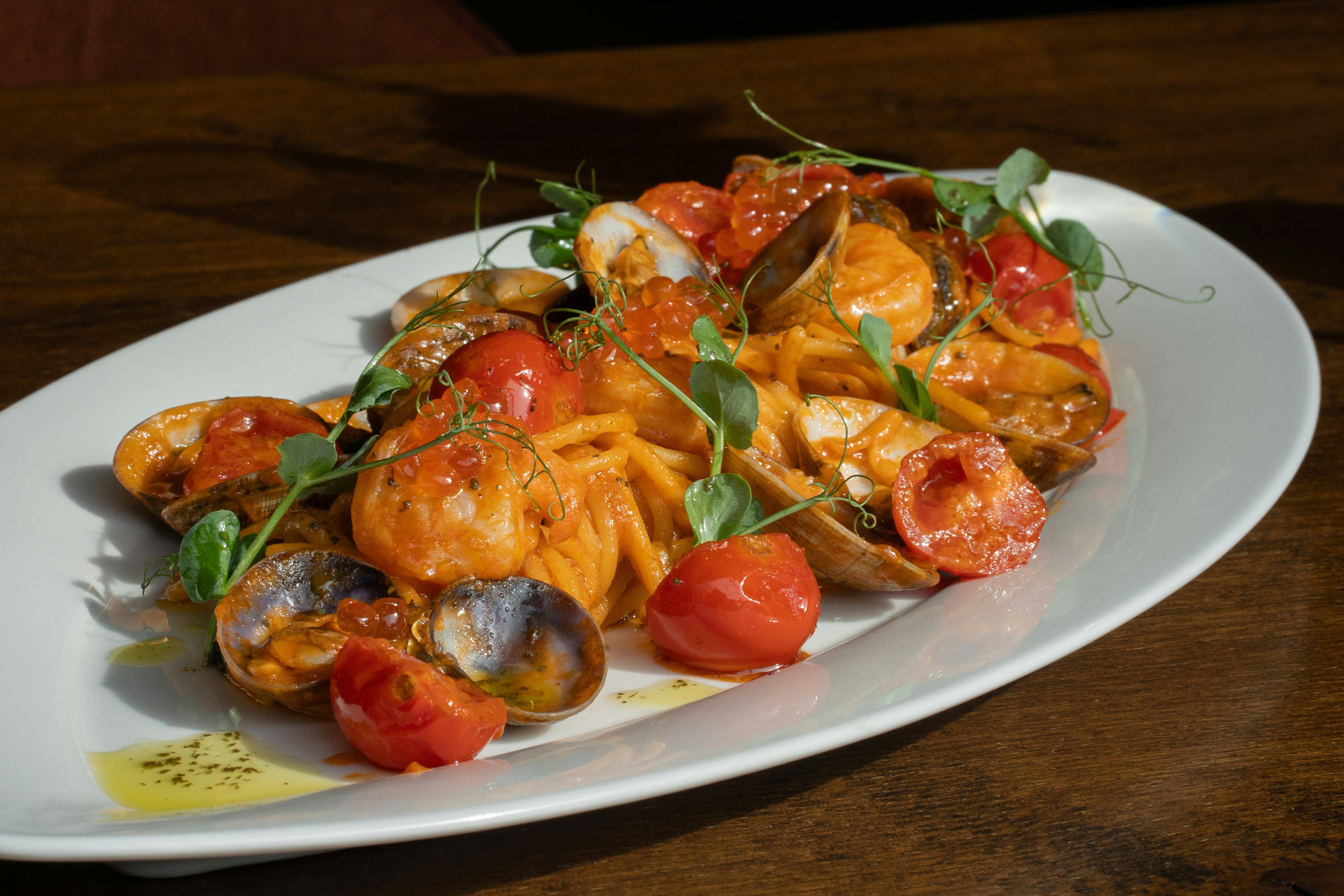
The ground shifted. Extensive construction at 5 Times Square impaired visibility and discouraged foot traffic, and the building’s owners won approval in May 2025 to convert underused office space into 1,250 residential units, including 313 permanently affordable homes, under a public-private partnership led by Empire State Development and New York City officials. Developers began interior work in early 2026, with completion of the first residential phase scheduled for 2027.
Management concluded that a move away from office tenants would not restore the high-visibility, office-driven customer base that once supported the restaurant’s economics. Uncertainties remain over whether the residential conversion will revitalize pedestrian flows or simply replace daytime office traffic with residents who dine differently, and there is no clear timeline for when the entire building will stabilize as a mixed-use development.
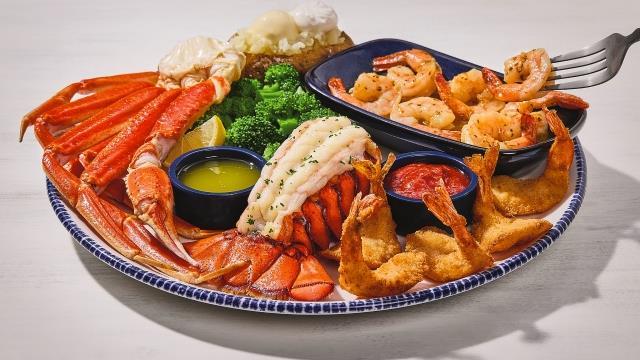
Staff will not be left to twist in the wind. In announcing the closure, the company said, “Times Square has been an important chapter in Red Lobster’s history, and this was a difficult decision.” All team members at the location are being offered the opportunity to transfer to another Red Lobster of their choice and will receive additional pay to ease the transition.
The brand’s larger reality is more stubborn. “Even in the best of times, turning around a chain like Red Lobster isn’t easy,” said David Henkes, senior principal at Technomic.
The Times Square exit fits a broader retrenchment before and after bankruptcy. Red Lobster filed for Chapter 11 on May 20, 2024, after closing at least 99 restaurants amid over $1 billion in debt.
Even before emerging from bankruptcy, the Times Square site appeared on a list of more than 100 restaurants at risk of closure. As of year-end 2025, the chain operated over 500 U.S. locations, with systemwide sales of $1.56 billion, a 6.2% decline from the prior year, according to Technomic estimates.
Management has warned that further closures of loss-making units remain a lever to stabilize the enterprise. Pressure across the seafood segment is real: in 2024, sales at major seafood chains fell by more than $500 million, and 21 seafood brands in the Top 500 posted a combined $63 million decline, a 1.6% drop year over year.
Promotional muscle has thinned too, with seafood limited-time offers sliding from pre-pandemic highs above 200 annually to just 88 in 2025. Broader chain growth cooled to 3% in 2025, signaling tighter consumer spending.
What comes next is a tighter, leaner playbook. CEO Damola Adamolekun has signaled a commitment to “reviewing restaurant leases, and streamlining operations to speed turnaround,” calling the closure of underperforming locations a necessary step toward profitability.
Conversion work at 5 Times Square is underway, with the first residential phase targeted for 2027, but Red Lobster has not disclosed plans to re-establish any New York City presence once construction concludes. The brand’s next moves will be defined by lease math, unit economics, and whether marquee addresses can actually deliver the traffic to justify their rent.