
FT Undercover: Hotworx, YogaSix, Barre3 in Twin Cities
FT Undercover tests Hotworx, YogaSix and Barre3 in the Twin Cities, highlighting heat, coaching, pricing, and the FTC action involving Xponential Fitness.
franchising
Jun 4, 2026
FT Undercover tests Hotworx, YogaSix and Barre3 in the Twin Cities, highlighting heat, coaching, pricing, and the FTC action involving Xponential Fitness.
Jun 4, 2026

Qdoba secures $435M via whole business securitization to refinance debt, fund remodels and digital makelines, and fuel its push to ~2,000 units.
Jun 4, 2026
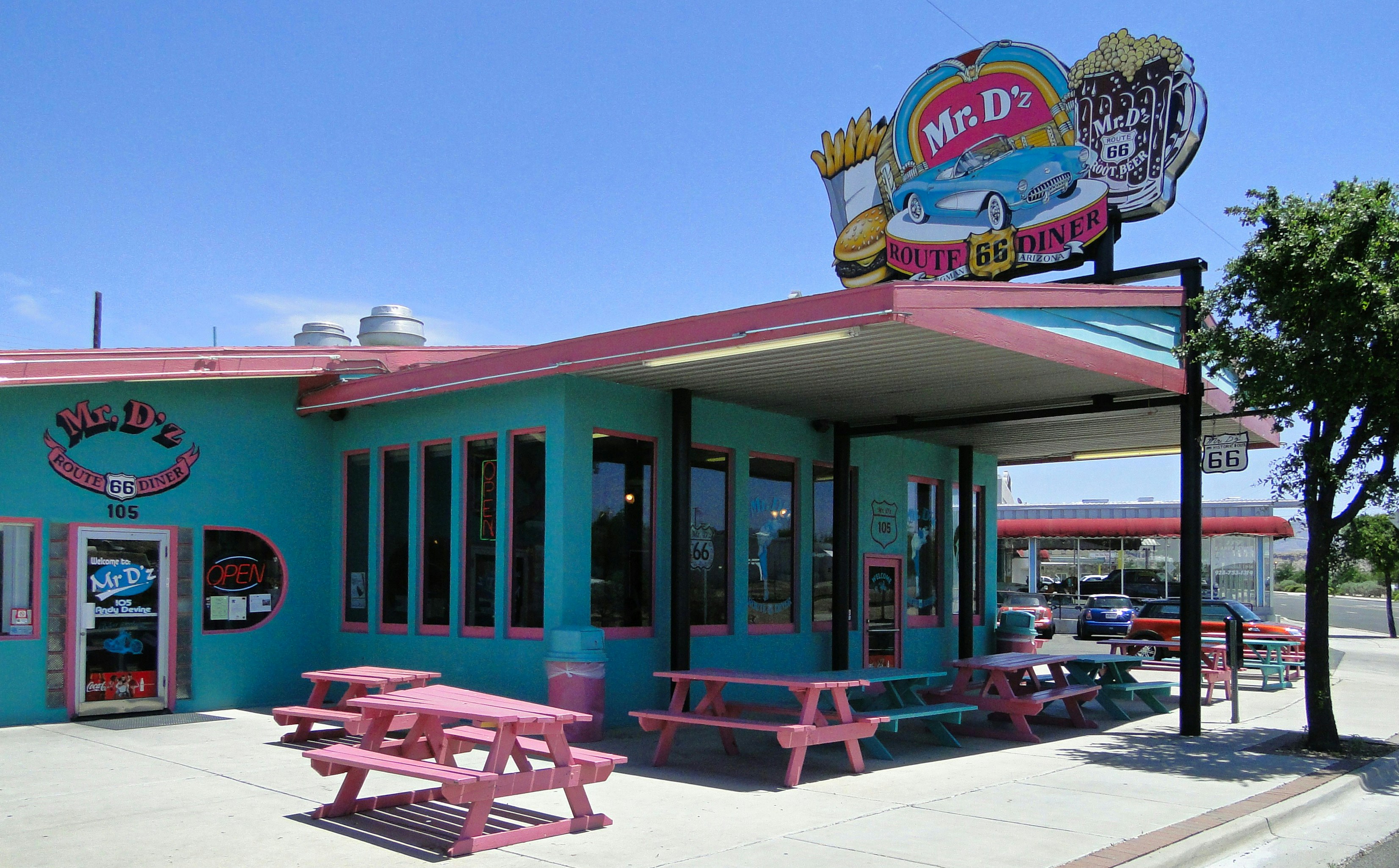
To file a clean, on-deadline restaurant trade piece, I need structured facts: names, dates, quotes, numbers, locations, timing, metrics, constraints, and verification.
Jun 4, 2026

Arts-first preschool chain Building Kidz continues U.S. expansion while facing a wrongful death suit and appealing a California penalty.
Jun 4, 2026

How to choose and configure equipment for consistent, scalable restaurant operations, with market data, AI trends, and energy-efficiency considerations.
Jun 4, 2026

Ice cream brand Salt & Straw explores a sale valuing it at $200M, tapping Piper Sandler as advisor while emphasizing culture, growth, and majority ownership.
Jun 4, 2026

Five Iron Golf launches cash simulator tournaments with a live app leaderboard, varied formats, and a $20,000 prize pool, backed by a Series E as national rollout accelerates.
Jun 4, 2026

Indoor golf franchises scale as Callaway trims Topgolf, automation boosts margins, and demand accelerates across U.S. simulator chains.
Jun 4, 2026

Big chains blend global flavors with familiar formats to drive traffic. Case studies from Shake Shack, Bobby’s, and Rōti, plus trend and performance data.
Jun 4, 2026
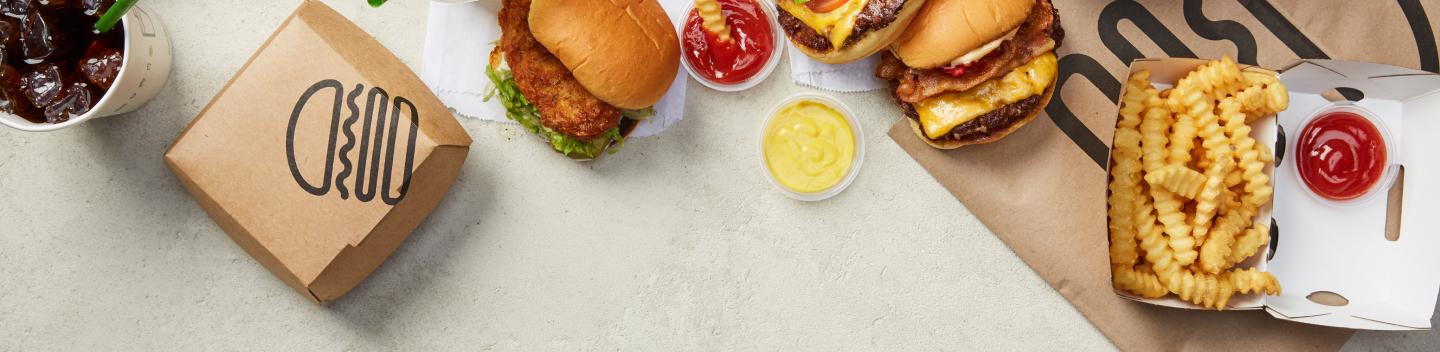
Shake Shack lowered Q2 and full-year guidance amid a value war and macro headwinds; shares fell 9% as analysts cut targets and the company tightened openings.
Jun 4, 2026

Unlock Exclusive Access To Webinars, Events, And The Latest News For Free!
Utilizing technology solutions and data analysis to improve Supply Chain Management In Food Industry will prevent illness, streamline supply chain processes, and increase customer satisfaction. Here are the top 3 practices to utilize.
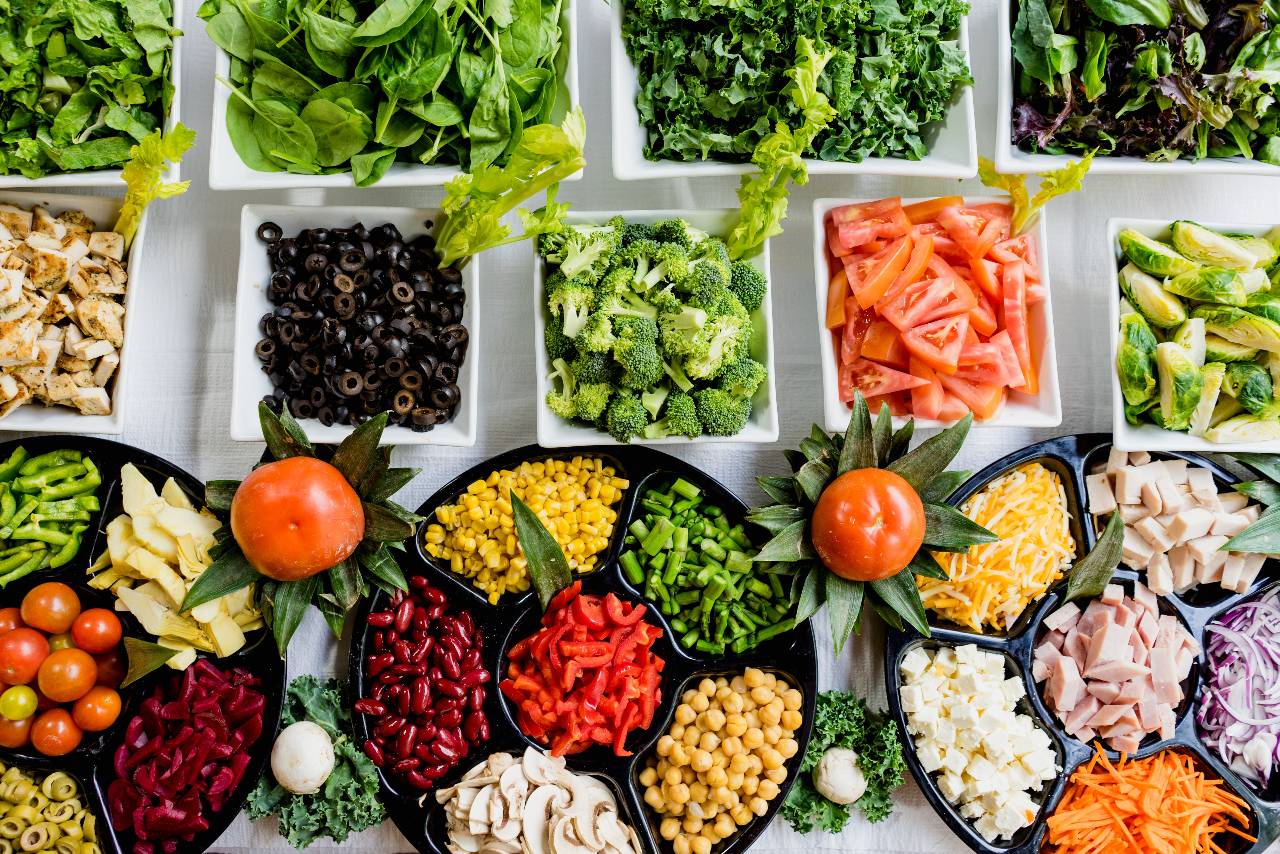

The supply chain has grown more complicated due to globalization, the coronavirus, and an increase in consumer demand for traceability. Managing a worldwide operation from one location can be nearly impossible without an optimized technology solution and policies in place to improve communication among participants.
Thankfully, modern society has provided options for restaurants and grocers who aren't sure how to comply with growing regulations and an increasingly fragmented global chain. Improving collaboration and implementing health-based programs with suppliers can also help grocers and restaurants optimize supply chain management.
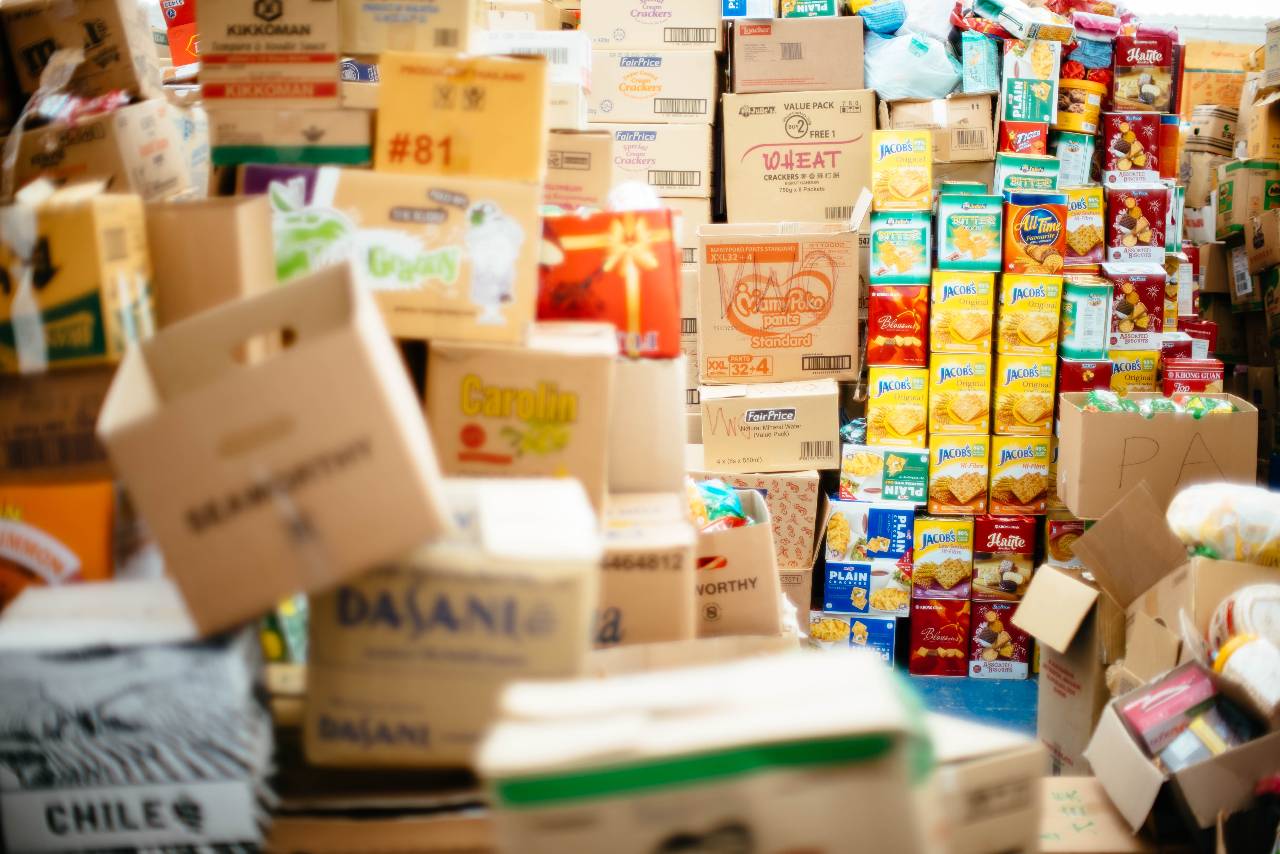
Supply chain management refers to the tracking, streamlining, and monitoring of all of the processes that transform food on a farm to a product eaten by consumers. As the food industry continues to evolve due to an increase in regulations, globalization, and COVID-19, efficient supply chain management has become more essential.
Consumers are more invested in knowing the details regarding the quality and safety of their food items. Sustainability is also a growing concern among governments, consumers, and interest groups. To satisfy these customers and meet sustainability requirements, restaurants and grocers have no choice but to improve their management of the supply chain.
Proper supply chain management ensures quality food arrives safely for the right people at the right time. It also helps pinpoint foodborne illnesses, contamination, and potential outbreaks before they ever reach the consumer.
Furthermore, a streamlined supply chain depends on collaboration and communication among all participants. Food needs to be packaged properly, in a sterile environment and stored at the correct temperature to prevent spoilage. Utilizing technology systems to optimize tracking and manage quality control during logistics has helped to improve supply chain management, but operators still need to take more ownership of the process.
Here are the top 3 best practices for improving supply chain management in the food industry-
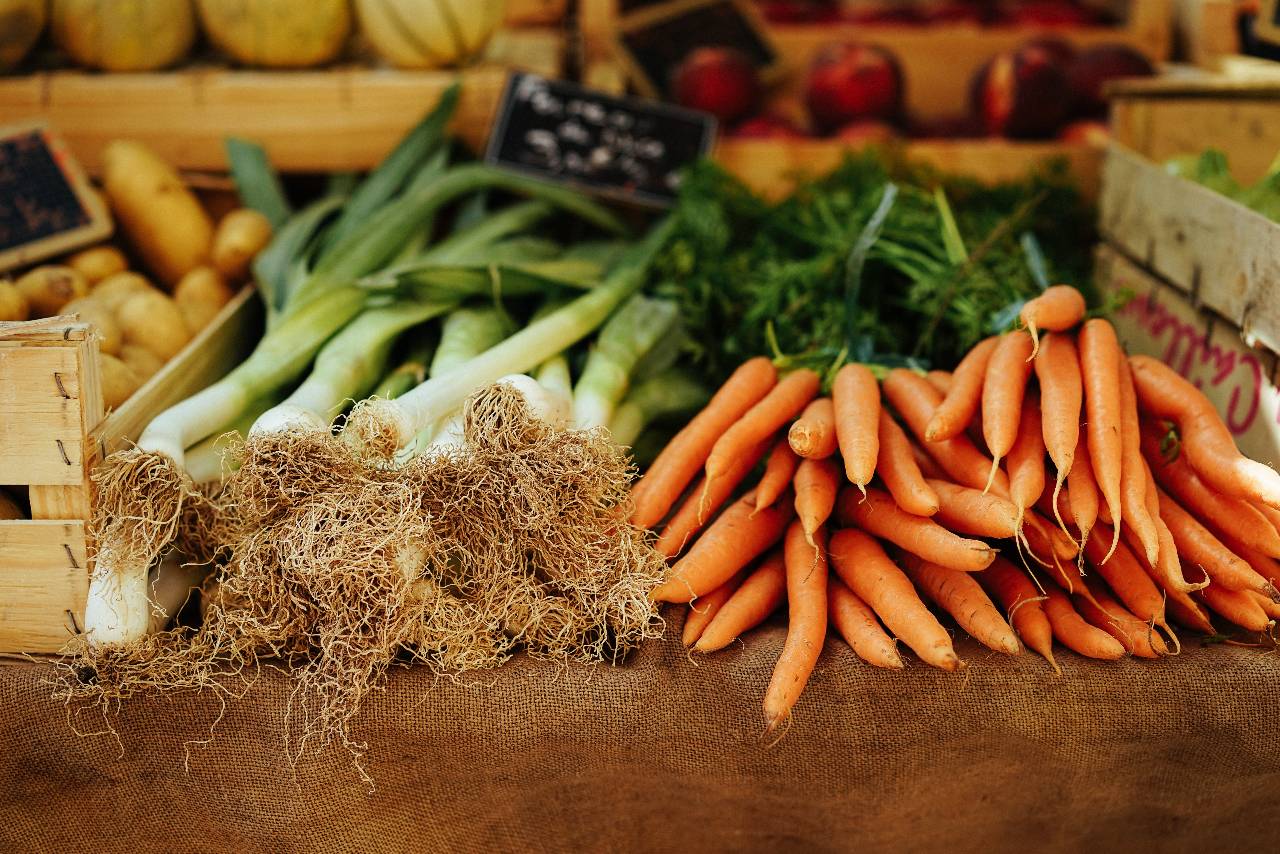
1. Improve Demand Forecasts
Predicting future consumer demand can help optimize inventory management, particularly when it comes to re-ordering. Streamlining the re-ordering process based on collected data that shows past demand and sales can help to know how much to order in the future. However, utilizing past data to predict future demand isn't always entirely accurate due to-
In conclusion, here are the key takeaways to remember about supply chain management in the food industry-