How Much Does It Cost to Open a Coffee Shop in 2026?
Opening a coffee shop in 2026 requires careful cost planning across rent, equipment, labor, technology, menu strategy, marketing, and sustainability.
operations
May 15, 2026
Opening a coffee shop in 2026 requires careful cost planning across rent, equipment, labor, technology, menu strategy, marketing, and sustainability.
May 15, 2026
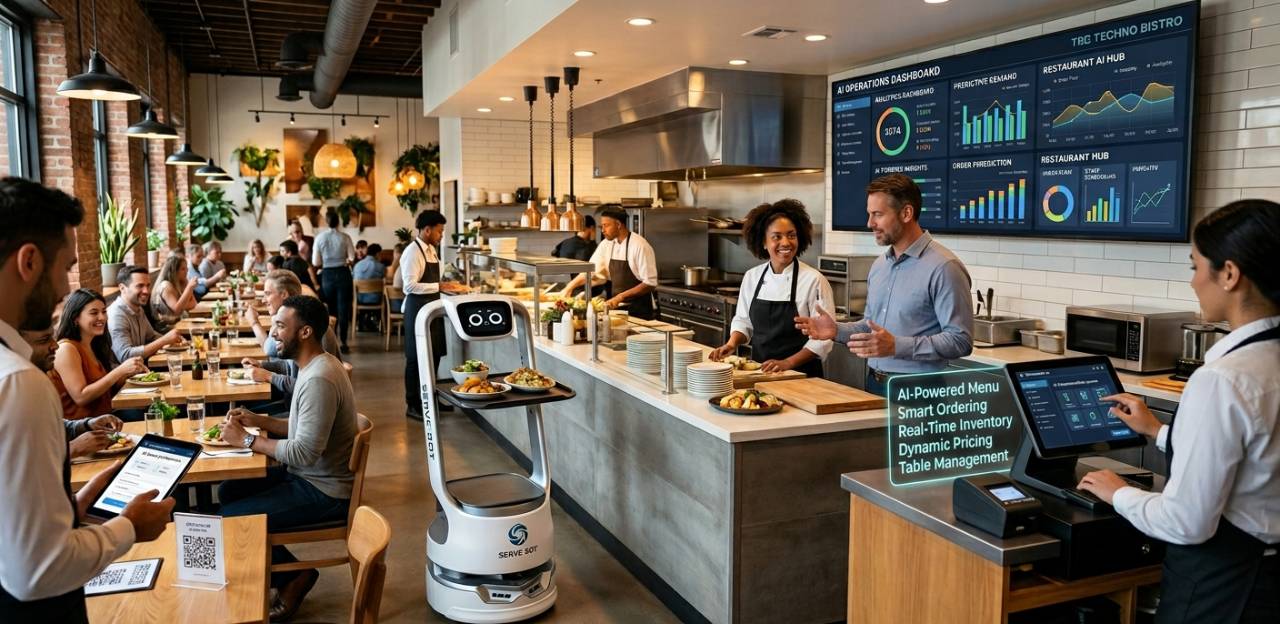
This AI playbook covers restaurant tools for voice ordering, staffing, compliance, menu pricing, inventory, marketing, ChatGPT prompts, and SEO.
May 15, 2026
Hardee’s giant Boddie-Noell inks 31-unit Scooter’s Coffee deal for NC and VA, leveraging drive-thru growth and local roots with rollout over 12–18 months.
May 15, 2026
Wingstop turns match weeks into a multi-sensory festival, aligning bold pop-ups with World Cup energy to build brand affinity and measurable momentum.
May 15, 2026
The parent company behind Dunkin', Buffalo Wild Wings, and Arby's has filed for an IPO a move that could reshape how Wall Street views the restaurant sector.
May 15, 2026

Learn how to develop a memorable restaurant brand identity that stands out in a crowded market, attracts loyal customers, and drives repeat business with actionable strategies and affordable tools.
May 15, 2026
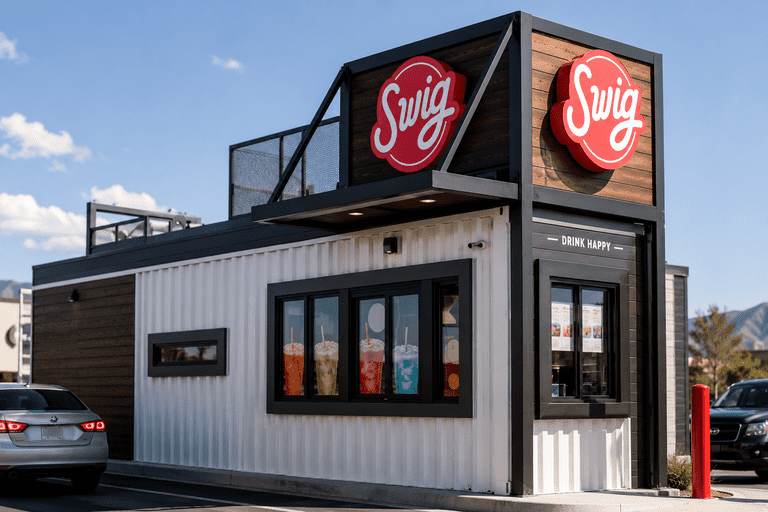
Dirty soda chain Swig is expanding into Colorado through a 10-unit franchise deal, riding a consumer beverage trend that's catching the attention of major QSR players nationwide.
May 15, 2026
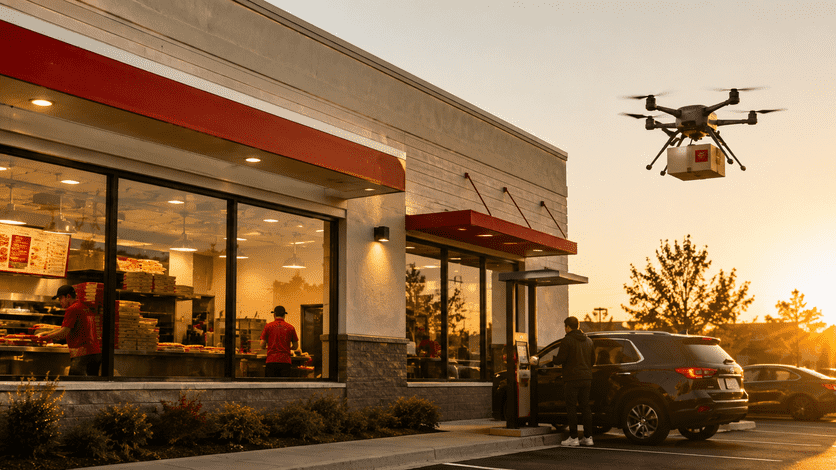
Papa Johns has teamed up with Alphabet's Wing for drone delivery of its new sandwich lineup in parts of Charlotte marking the first partnership of its kind between Wing and a national QSR brand.
May 15, 2026
A warm, expert-led look at McDonald’s Q1 results, menu makeover, and the refranchise question shaping its growth.
May 14, 2026
A reflective look at Habit Ranch, its immersive desert activation, and what it signals for brand loyalty and mindful, experiential dining.
May 14, 2026

Unlock Exclusive Access To Webinars, Events, And The Latest News For Free!
A Florida lawsuit against Zaxby’s tests PWFA protections and the interactive process in hospitality workplaces, with implications for workers and operators.
Photo by Hybrid Storytellers
Zaxby’s, the fast-casual chicken chain, faces a federal lawsuit that tests pregnancy protections on the front lines. In Lynn Haven, Florida, a 17-year-old employee says she fainted while working a hot kitchen shift and asked to return to cashier duties as an accommodation. A front-counter coworker reportedly offered to swap shifts to support her request, but the manager allegedly told her to stay in the back and dismissed the risks of heat exposure. The filing portrays a hostile work environment based on gender and pregnancy, culminating in alleged retaliation after the accommodation discussion stalled.
The core details center on how the accommodation request was treated. The employee sought to shift duties from the back to cashier as a pregnancy-related safeguard, while a coworker reportedly proposed swapping shifts to facilitate the request. The manager did not engage in a meaningful interactive discussion about accommodations, and the teen was told to stay in the back while concerns about fainting were downplayed. The filing emphasizes a breakdown in the interactive process and frames the termination as retaliation for seeking accommodation. The operator, St. Clair Restaurant Management, has declined to comment.
These allegations spotlight the friction between operational demands and federal duties. If proven, they would illustrate a failure to uphold PWFA and PDA standards in a high-heat, high-turnover setting. The case thus becomes a testing ground for how fast-service employers translate protections into daily practice.
Title VII of the Civil Rights Act, as amended by the Pregnancy Discrimination Act of 1978, bars discrimination based on pregnancy and rejects decisions rooted in stereotypes about pregnant workers. The broader framework also includes the Pregnant Workers Fairness Act (PWFA), which requires reasonable accommodations unless doing so would impose undue hardship. The EEOC explains that avoiding decisions driven by misconceptions about a pregnant employee’s fitness is a practical safeguard for employers.
PWFA’s reach rests on dialogue: employers should engage in an interactive process with employees to identify reasonable adjustments — such as seating, extra breaks, or modified duties — without demanding unnecessary upfront documentation. Accommodations may include a chair or stool, additional restroom breaks, time for medications, or relief from hazardous tasks. In fast-service settings, these adjustments are typically low-disruption measures aimed at protecting health while preserving service standards. The rule, finalized in April 2024 by the EEOC, becomes effective 60 days after Federal Register publication. Regulators emphasize avoiding unnecessary documentation when a request is made.
The Zaxby’s case sits amid a broader enforcement landscape where PWFA guidance shapes restaurant practice and employee rights. Observers expect the framework to push operations toward clearer accommodation procedures and earlier dialogue, potentially reducing litigation risk and improving morale in a tight labor market.
Reactions and Allegations in the filing reveal how the parties framed the accommodation debate. The coworker’s offer to swap shifts is described as a potential support, while management’s response is characterized as a refusal to discuss workable options. The narrative centers on the interactive process and whether the environment became hostile toward a pregnant worker.
Quotations from the filing illustrate the dispute’s tenor: the manager directing the employee to stay in the back, and the moment described as termination when the shift was changed toward drive-through before she was sent home. The phrase This is not going to work marks the termination point in the account, underscoring the alleged gap between accommodation discussions and decisive action. St. Clair Restaurant Management remains quiet on specifics.
The case remains pending, with the defendant avoiding public comment beyond not addressing media inquiries. The narrative underscores the importance of PWFA and PDA compliance in hospitality, and the outcome could influence how similar workplaces handle accommodation requests and retaliation claims.
Broader Industry Context shows the Zaxby’s dispute as part of a rising tide of pregnancy-discrimination concerns under PDA and PWFA. The PWFA final rule, issued in April 2024 by the EEOC, clarifies compliance and emphasizes early interactive dialogue. The rule becomes effective 60 days after publication, and enforcement actions like the BestBet Jacksonville case in 2026 demonstrate ongoing regulatory attention in hospitality.
Industry observers say PWFA compliance can drive operational adjustments, including seating, breaks, task assignments, and overall worker well-being. Restaurants that embed explicit accommodation procedures and manager training can improve retention and morale, while reducing litigious risk. The framework pushes operators to balance safety, productivity, and staff welfare without sacrificing service standards.
Going forward, watching Moody v. St. Clair and other PWFA cases in hospitality will reveal how courts interpret accommodations and retaliation claims in fast-food contexts. The industry’s reputation and resilience depend on translating policy into practice at the unit level.