
FT Undercover: Hotworx, YogaSix, Barre3 in Twin Cities
FT Undercover tests Hotworx, YogaSix and Barre3 in the Twin Cities, highlighting heat, coaching, pricing, and the FTC action involving Xponential Fitness.
franchising
Jun 4, 2026
FT Undercover tests Hotworx, YogaSix and Barre3 in the Twin Cities, highlighting heat, coaching, pricing, and the FTC action involving Xponential Fitness.
Jun 4, 2026
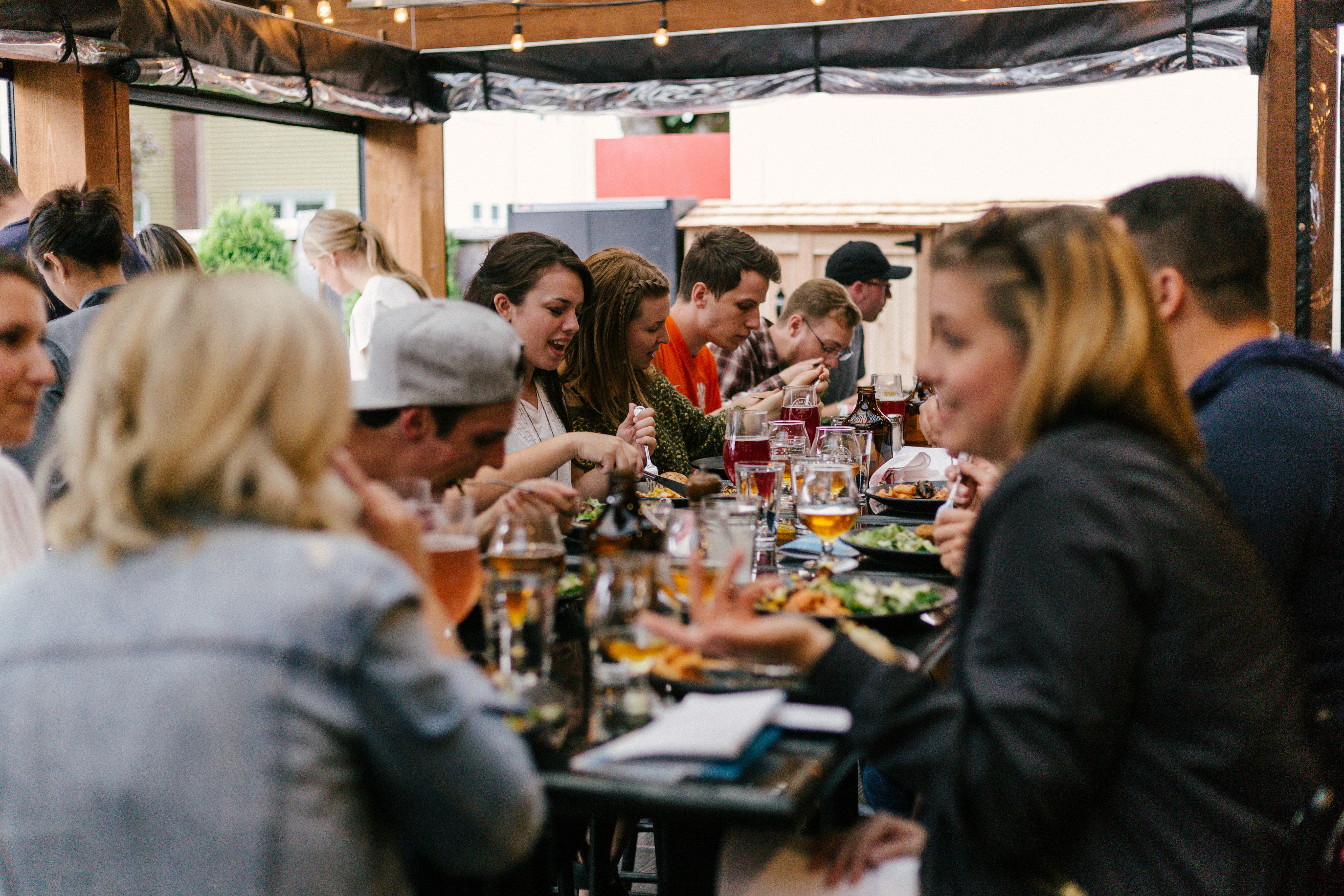
Qdoba secures $435M via whole business securitization to refinance debt, fund remodels and digital makelines, and fuel its push to ~2,000 units.
Jun 4, 2026
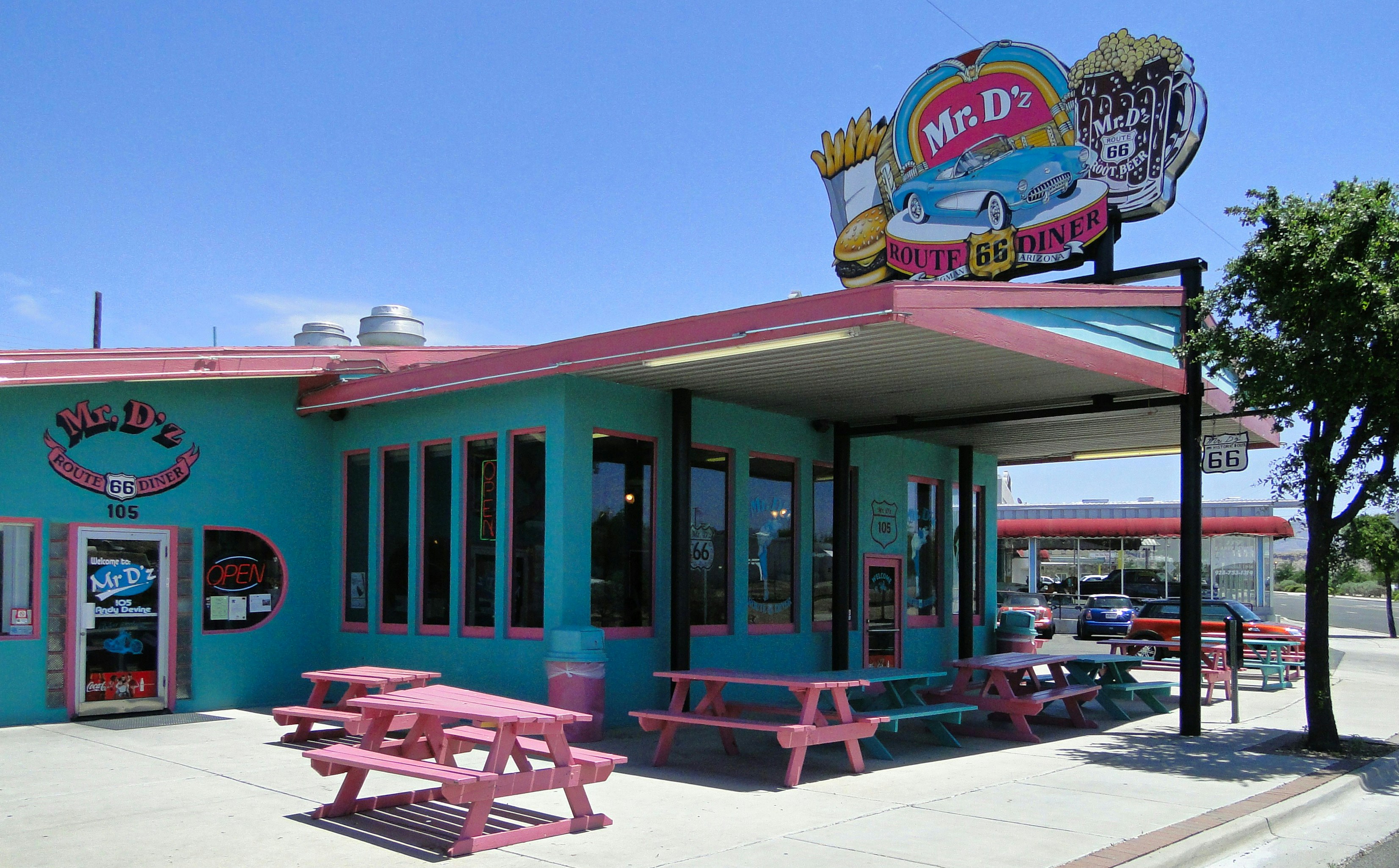
To file a clean, on-deadline restaurant trade piece, I need structured facts: names, dates, quotes, numbers, locations, timing, metrics, constraints, and verification.
Jun 4, 2026

Arts-first preschool chain Building Kidz continues U.S. expansion while facing a wrongful death suit and appealing a California penalty.
Jun 4, 2026

How to choose and configure equipment for consistent, scalable restaurant operations, with market data, AI trends, and energy-efficiency considerations.
Jun 4, 2026
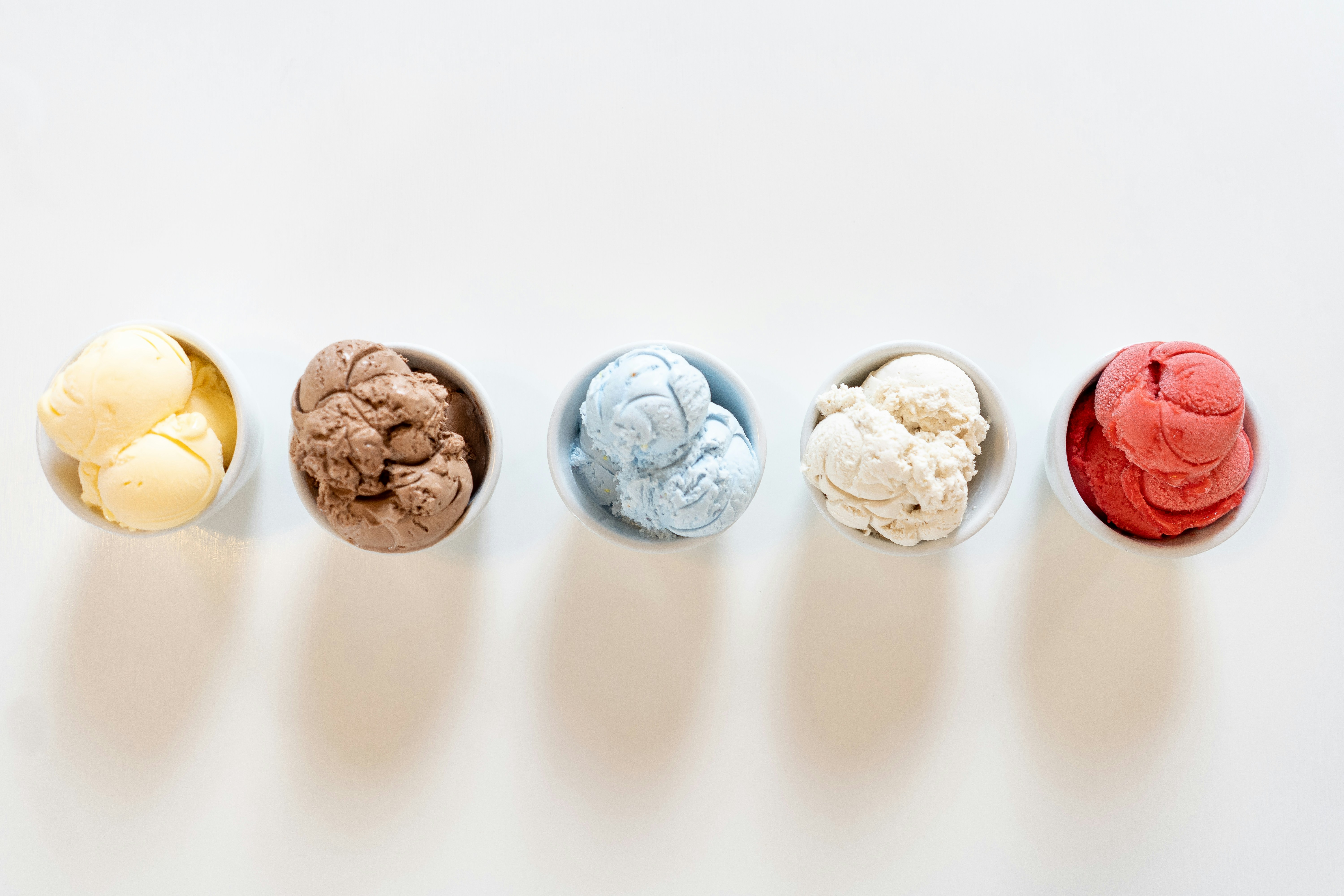
Ice cream brand Salt & Straw explores a sale valuing it at $200M, tapping Piper Sandler as advisor while emphasizing culture, growth, and majority ownership.
Jun 4, 2026

Five Iron Golf launches cash simulator tournaments with a live app leaderboard, varied formats, and a $20,000 prize pool, backed by a Series E as national rollout accelerates.
Jun 4, 2026
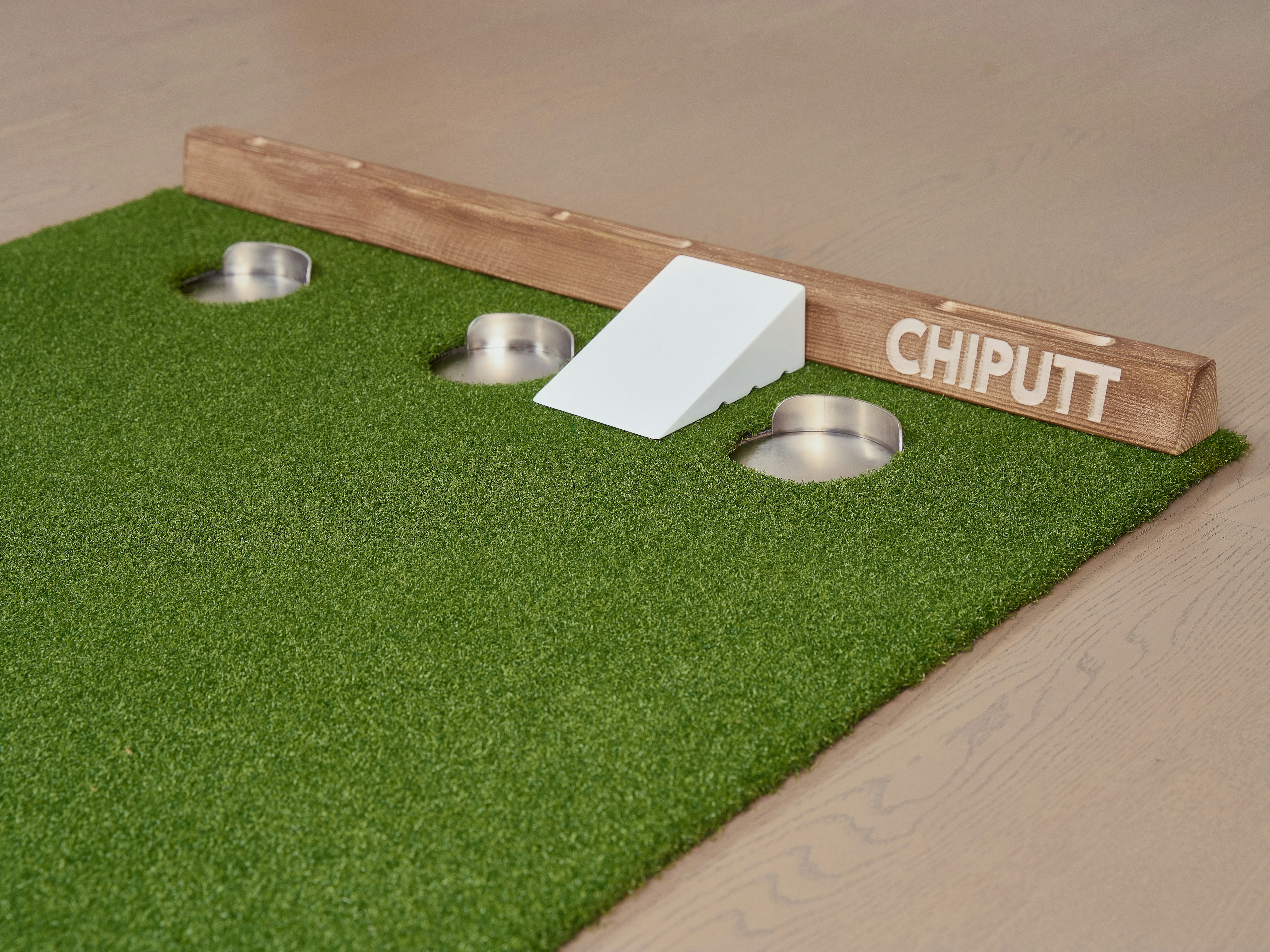
Indoor golf franchises scale as Callaway trims Topgolf, automation boosts margins, and demand accelerates across U.S. simulator chains.
Jun 4, 2026
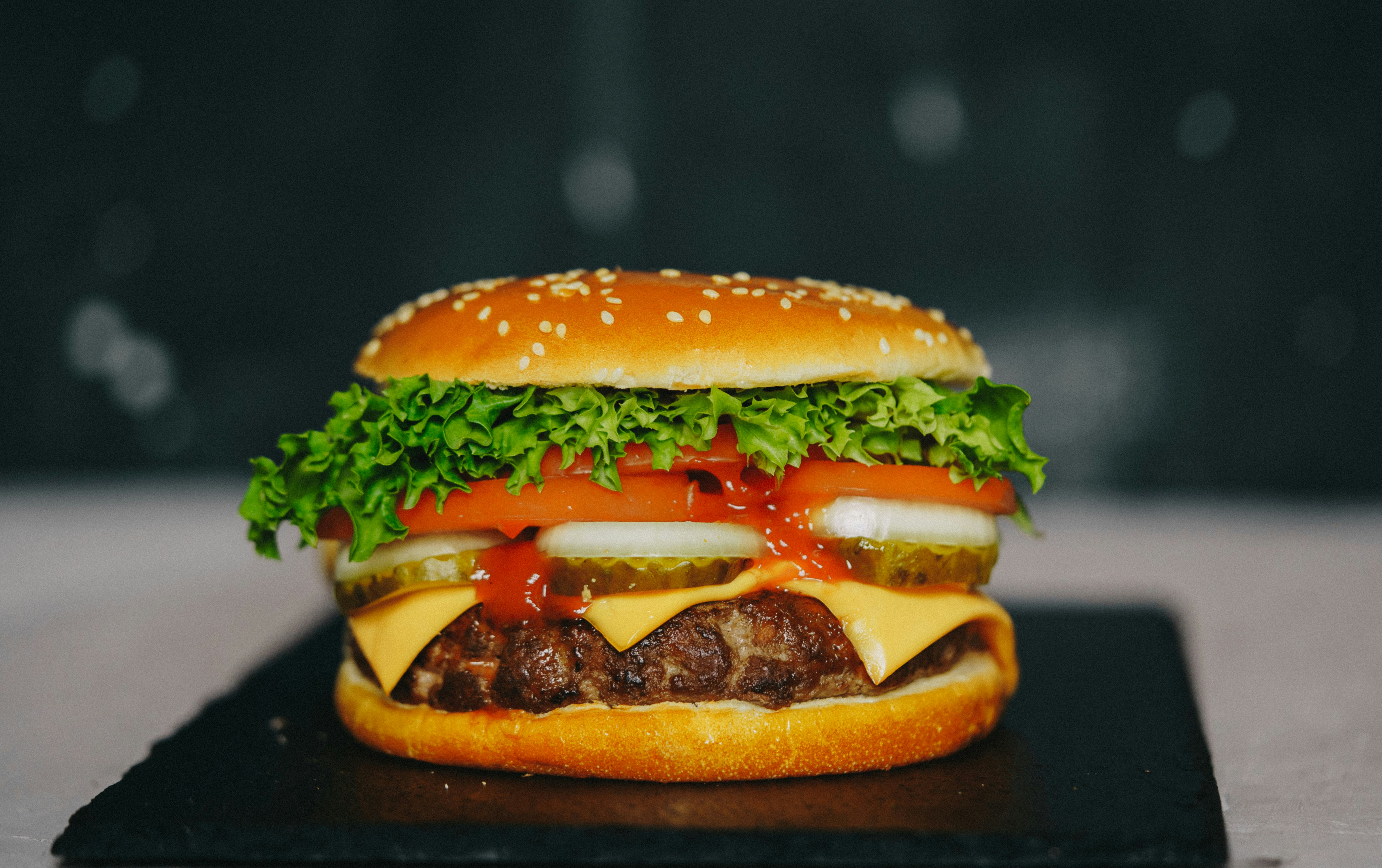
Big chains blend global flavors with familiar formats to drive traffic. Case studies from Shake Shack, Bobby’s, and Rōti, plus trend and performance data.
Jun 4, 2026
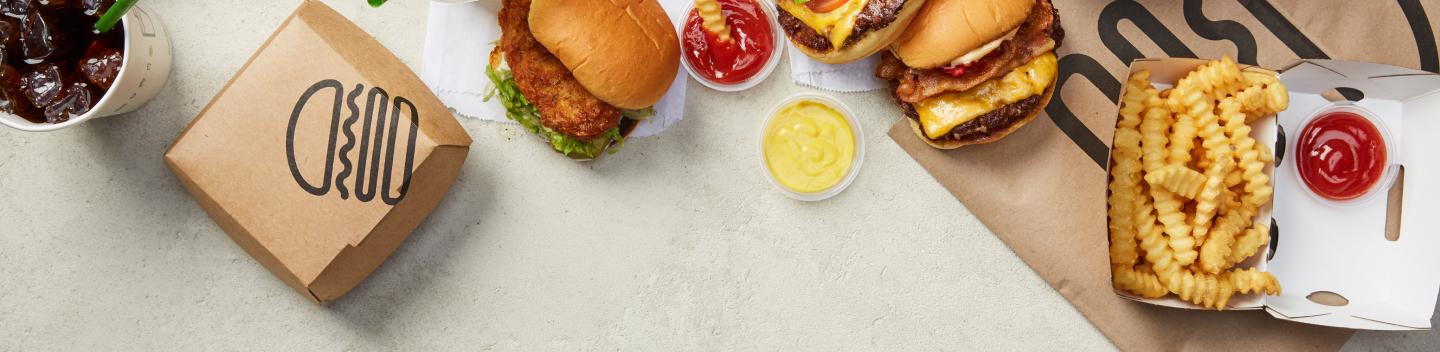
Shake Shack lowered Q2 and full-year guidance amid a value war and macro headwinds; shares fell 9% as analysts cut targets and the company tightened openings.
Jun 4, 2026

Unlock Exclusive Access To Webinars, Events, And The Latest News For Free!
The food we eat is a crucial part of our daily lives. The quality of the food we consume has a direct impact on our health and well-being. That's why it's important to be aware of safe food handling labels. There are a variety of different food labels that can be found on products these days. Some of these labels indicate that the food is organic, while others may show that the food is GMO-free. However, one type of label that is often overlooked is the safe food handling label. The safe food handling label is a voluntary label that is placed on food products by the manufacturer. This label indicates that the food has been prepared in a way that minimizes the risk of foodborne illness
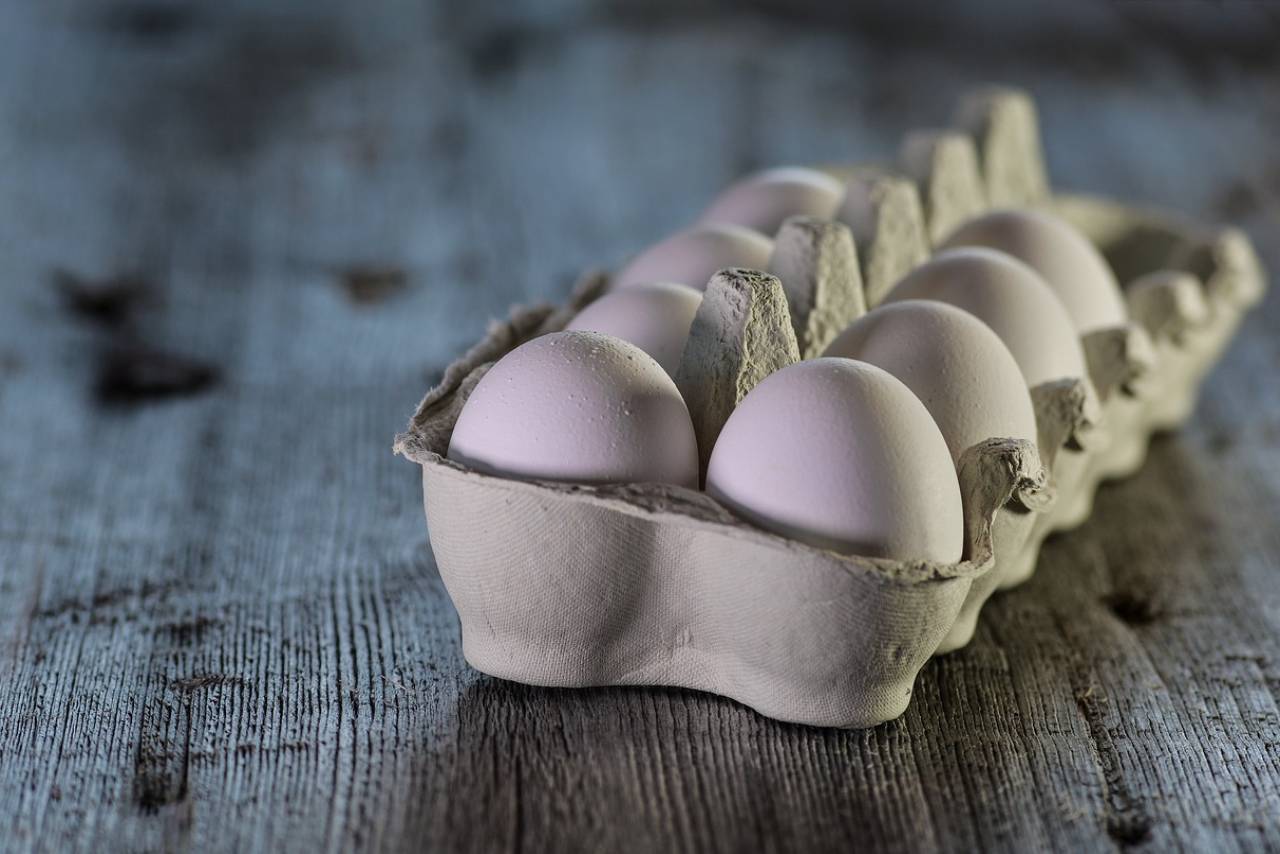
There are a variety of different types of food labels. The most common type is the nutrition facts label, which is required by the FDA to be on all packaged foods. This label provides information on the calories, fat, cholesterol, sodium, fiber, and protein content of the food. Other types of food labels include ingredient lists, allergens, country of origin, and expiration dates.
There are a few different types of food labels that you might see when you're grocery shopping. Here's a quick guide to what they mean-
"Organic"- This means that the food was produced without synthetic pesticides, herbicides, or fertilizers. Organic foods may also be free of genetic modifications, antibiotics, and growth hormones.
"Natural"- This label is somewhat misleading, as it doesn't necessarily have any strict definition. In general, though, it implies that the food is minimally processed and doesn't contain any artificial ingredients.
"GMO-free"- GMOs (genetically modified organisms) are created in a lab by altering the genes of a plant or animal. These ingredients are controversial, as some people believe they may be harmful to human health. If you want to avoid them, look for this label.
"Fairtrade"- Fairtrade Certified products come from farmers and workers who are paid fairly for their work and given good working conditions. Buying Fairtrade products helps to support these growers and workers around the world.
If you're not sure if a food is safe to eat, there are a few things you can do to check. First, make sure that the food is not expired and that it has been stored properly. If the food looks or smells strange, it's probably best to avoid eating it. You can also ask someone who knows about food safety for their opinion.
There are a few common food safety hazards to be aware of-
- Cross contamination- This is when harmful bacteria or other contaminants are transferred from one food item to another. This can happen if, for example, you use the same cutting board to prepare raw meat and then cut up some veggies without washing it in between.
- Food poisoning- This is caused by eating food that contains harmful bacteria or other toxins. Symptoms can include nausea, vomiting, and diarrhea. Food poisoning can be very serious, and in some cases even fatal.
- Allergens- These are substances that can cause an allergic reaction in some people. Common allergens include certain foods (like nuts and shellfish), dust, and pollen.
The best way to prevent food poisoning is by following these simple tips-
-Wash your hands with soap and water for at least 20 seconds before handling food. This is especially important if you have been in contact with any potentially contaminated surfaces.
-Wash all fruits and vegetables thoroughly under running water, even if you plan to peel them.
-Cook meat, poultry, and seafood thoroughly before eating. Use a food thermometer to make sure that they have reached a safe internal temperature.
-Avoid cross contamination by keeping raw meat, poultry, seafood, and eggs separate from other foods while cooking and preparing them.
-Do not use the same cutting board for different types of food unless you wash it in between uses.
-Refrigerate perishable food items as soon as possible and do not leave them out at room temperature for more than two hours (or one hour if the temperature is above 90 degrees Fahrenheit).
