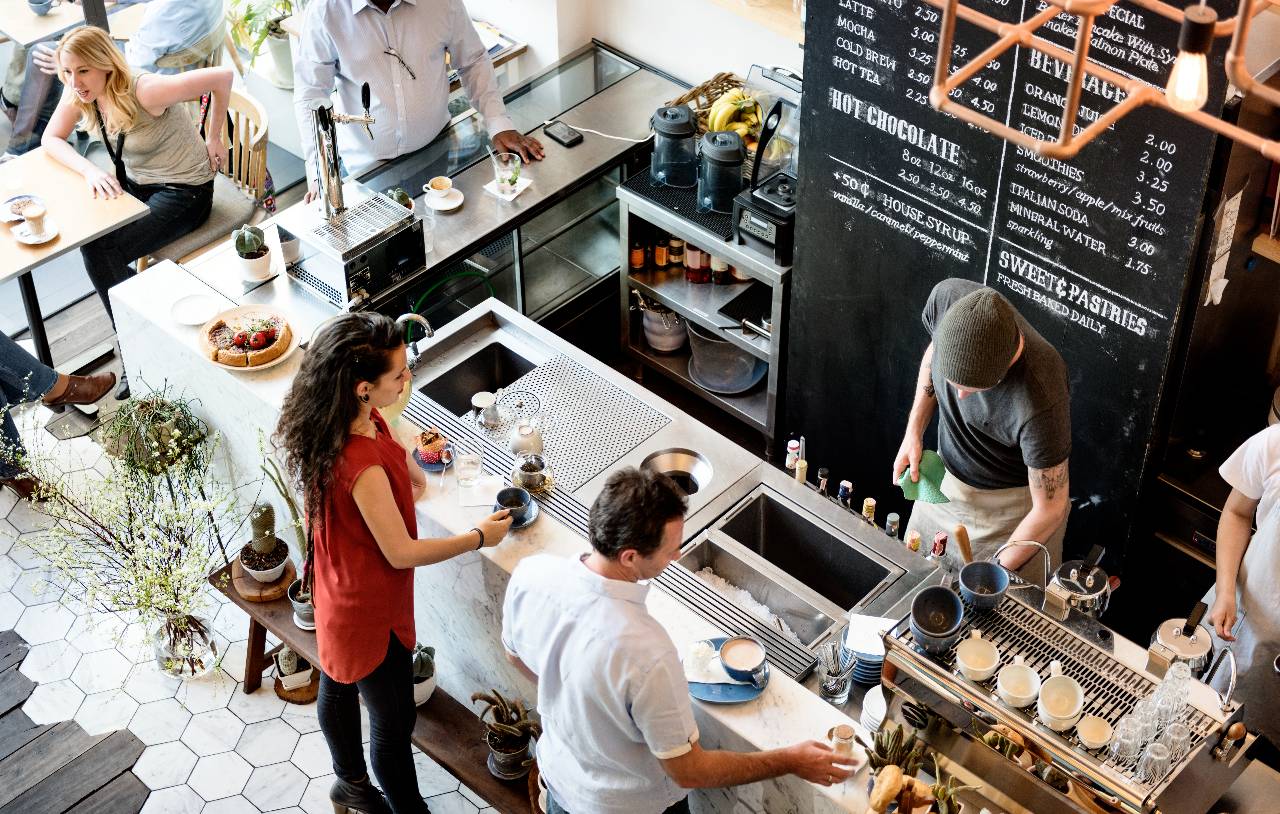
How Much Does It Cost to Open a Coffee Shop in 2026?
Opening a coffee shop in 2026 requires careful cost planning across rent, equipment, labor, technology, menu strategy, marketing, and sustainability.
operations
May 15, 2026
Opening a coffee shop in 2026 requires careful cost planning across rent, equipment, labor, technology, menu strategy, marketing, and sustainability.
May 15, 2026
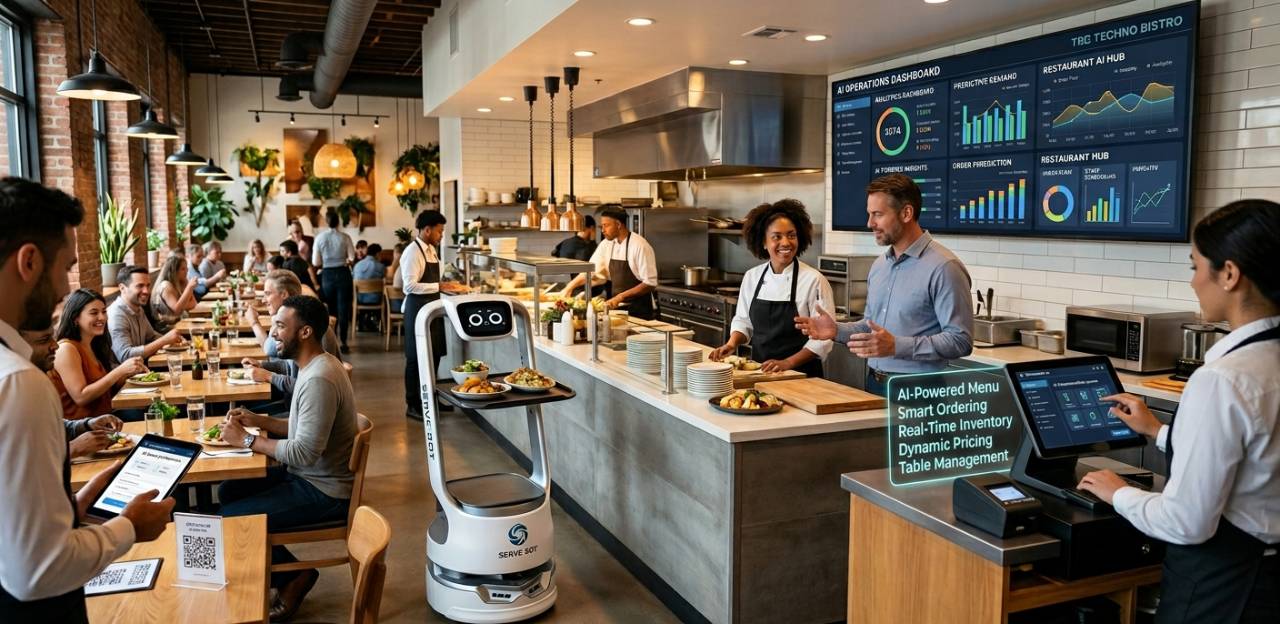
This AI playbook covers restaurant tools for voice ordering, staffing, compliance, menu pricing, inventory, marketing, ChatGPT prompts, and SEO.
May 15, 2026
Hardee’s giant Boddie-Noell inks 31-unit Scooter’s Coffee deal for NC and VA, leveraging drive-thru growth and local roots with rollout over 12–18 months.
May 15, 2026
Wingstop turns match weeks into a multi-sensory festival, aligning bold pop-ups with World Cup energy to build brand affinity and measurable momentum.
May 15, 2026
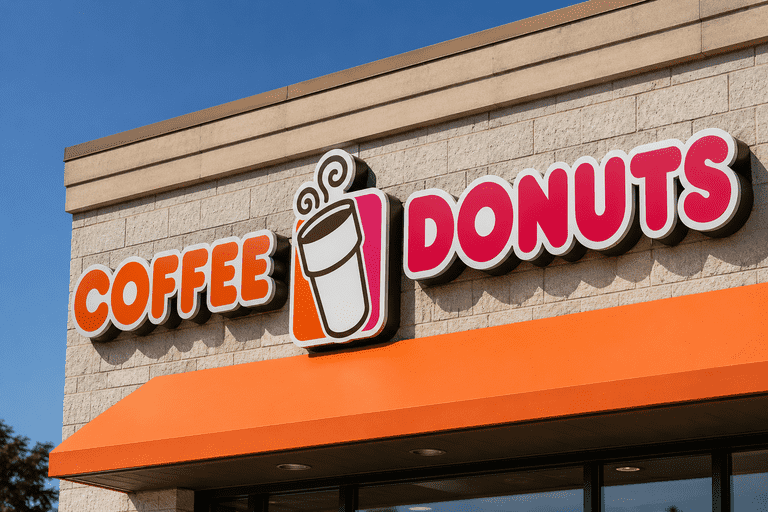
The parent company behind Dunkin', Buffalo Wild Wings, and Arby's has filed for an IPO a move that could reshape how Wall Street views the restaurant sector.
May 15, 2026

Learn how to develop a memorable restaurant brand identity that stands out in a crowded market, attracts loyal customers, and drives repeat business with actionable strategies and affordable tools.
May 15, 2026
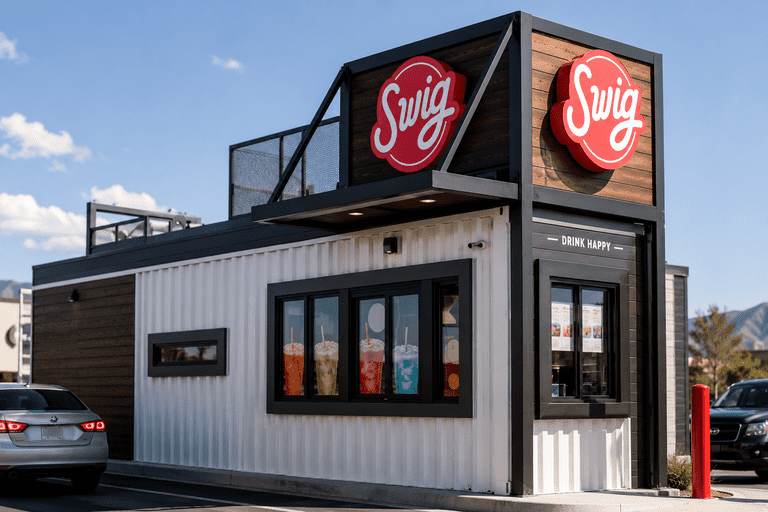
Dirty soda chain Swig is expanding into Colorado through a 10-unit franchise deal, riding a consumer beverage trend that's catching the attention of major QSR players nationwide.
May 15, 2026
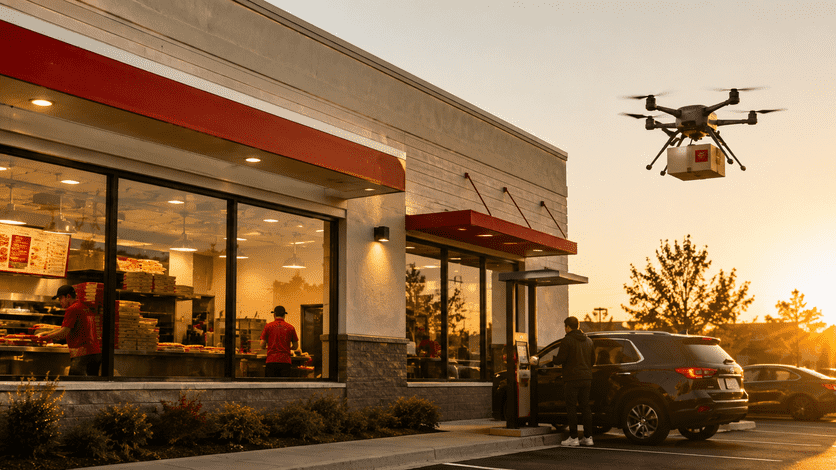
Papa Johns has teamed up with Alphabet's Wing for drone delivery of its new sandwich lineup in parts of Charlotte marking the first partnership of its kind between Wing and a national QSR brand.
May 15, 2026
A warm, expert-led look at McDonald’s Q1 results, menu makeover, and the refranchise question shaping its growth.
May 14, 2026
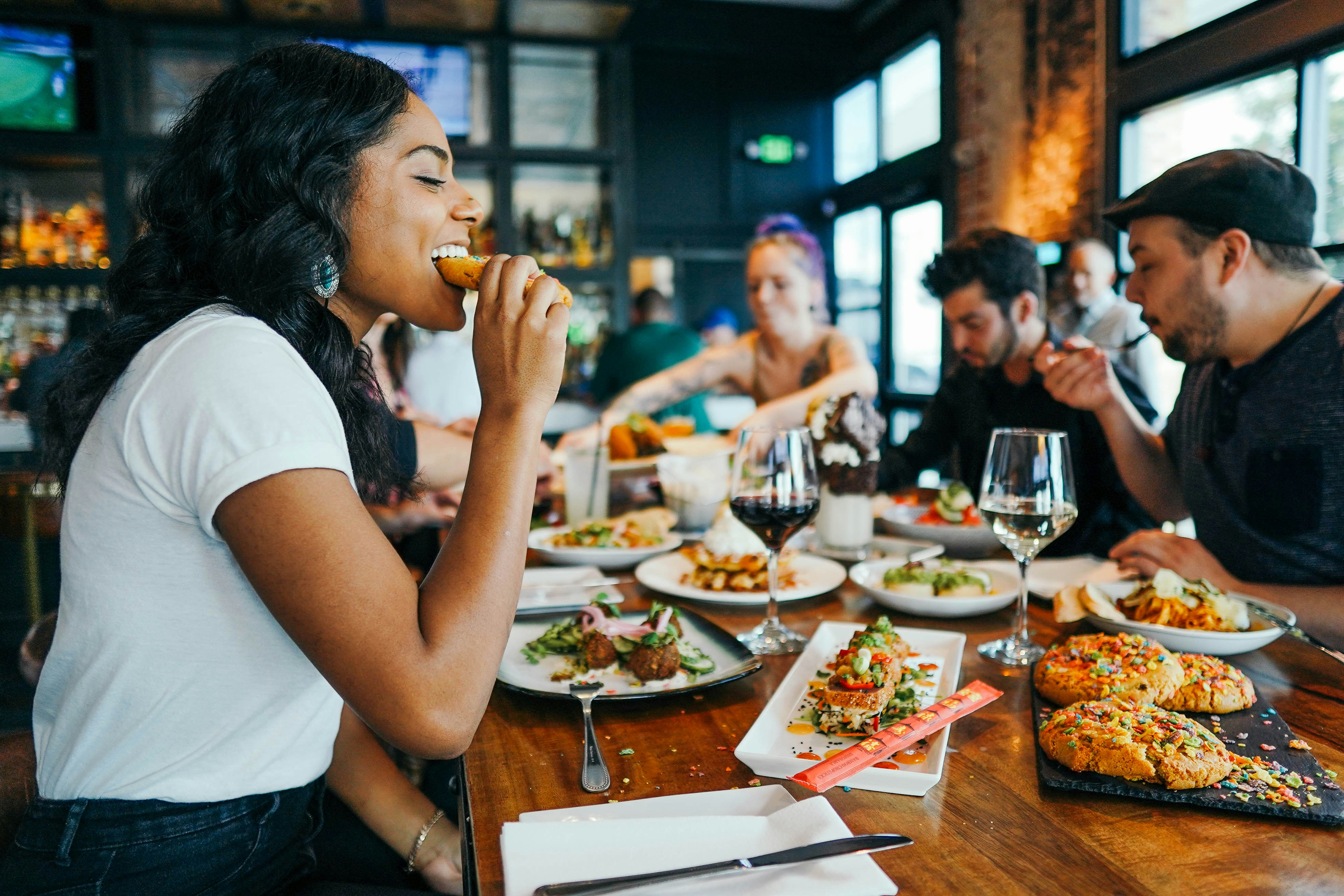
A reflective look at Habit Ranch, its immersive desert activation, and what it signals for brand loyalty and mindful, experiential dining.
May 14, 2026

Unlock Exclusive Access To Webinars, Events, And The Latest News For Free!
Water stewardship shifts from perk to resilience in restaurants, delivering cost savings, guest trust, and stronger brand positioning.
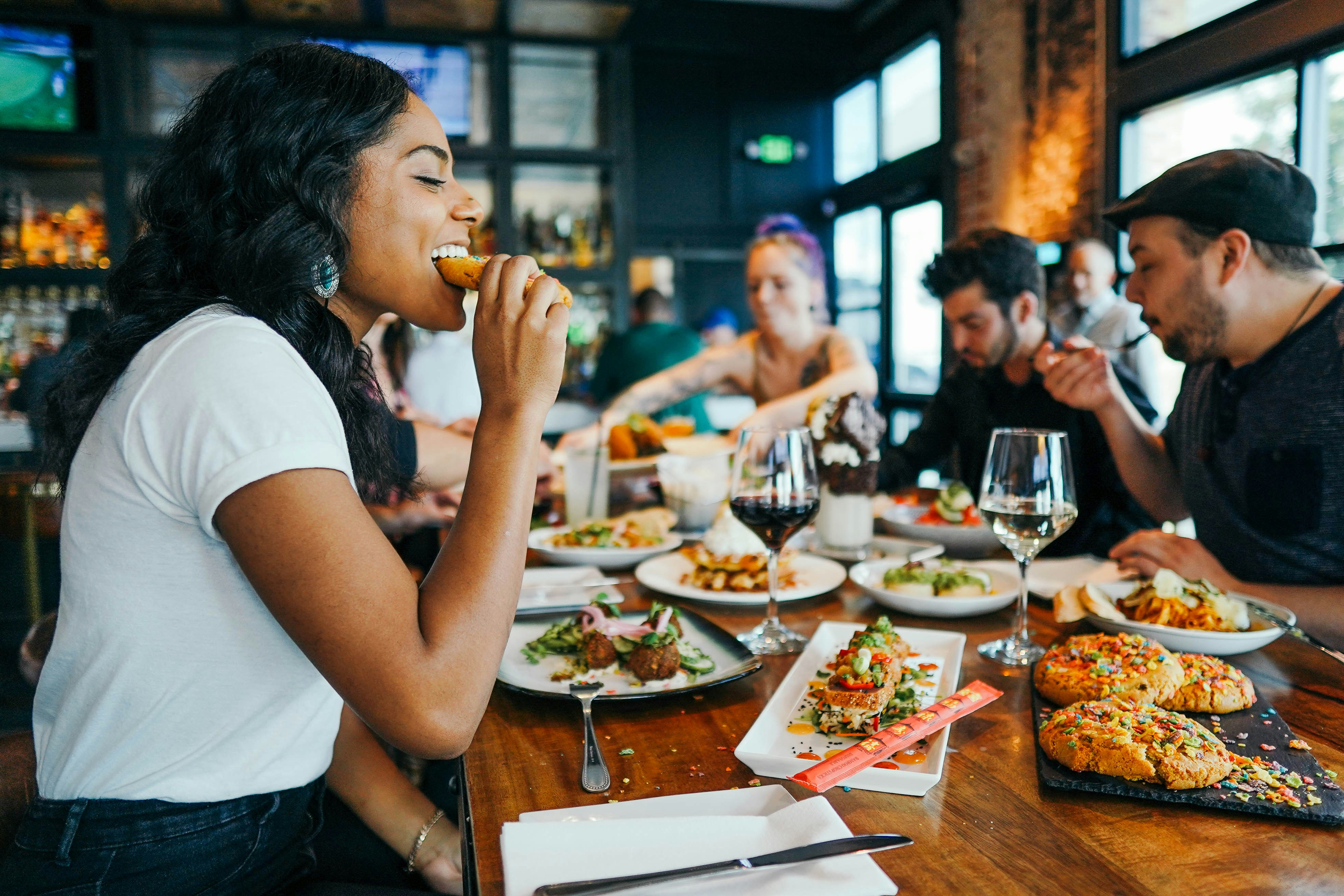
Photo by Alex Haney
From the map of global headlines to the quiet hum of a dining room, water has moved from a backstage concern to the center of operational craft in hospitality. The World Resources Institute warns that by 2050, a new wave of arid regions will stretch life and menus, a reminder that abundance can be fragile. The U.S. Environmental Protection Agency reinforces the footprint of hospitality: water use in hospitality and food-service settings accounts for about 15 percent of water use in commercial spaces. In this climate, water stewardship isn’t an afterthought — it is a straight path to resilience that touches margins, guest trust, and daily routines. This is the moment to move water from the back room to the front of the conversation:
Beyond immediate costs, sustainable water management has become a proxy for resilience. As hospitality rebuilds from the pandemic and faces volatile supply chains and energy costs, water efficiency acts as a hedge against future shocks. The emphasis is not only on reducing environmental impact but on preserving margins and guest experience as expectations evolve toward transparent, responsible sourcing. Industry observers highlight that water stewardship aligns with broader organizational goals—brand reputation, staff engagement, and regulatory readiness—creating a compelling business case for investing in water-saving technologies and processes today. Guidance from federal and vendor resources points to scale from back-of-house upgrades to guest-facing amenities, with the Lean Water Toolkit anchoring the approach. Together, these signals outline a practical path for kitchens and dining rooms to begin.
On the kitchen floor, water stewardship takes shape in the choices of equipment and workflow. Upgrading dishwashers, ice machines, and steam cookers can shrink daily water use, while tuning pre-rinse spray valves, disposal systems, and boiler settings multiplies the effect. The literature notes that reducing high-waste points — like dipper wells and certain wok stoves — or turning them off when idle, is a straightforward lever for savings. The kitchen becomes a laboratory where small, steady choices compound into measurable relief.
For service areas, the shift is equally practical: replacing single-use bottles with refill stations and dispensers offering still and sparkling water reduces plastic waste and gives guests flexible access. End-of-life handling matters, too: removing refrigerants and separating components for recycling ties into a broader mandate of responsible disposal. On the monitoring front, regular meter checks help detect leaks, and aligning air-conditioner blowdown with manufacturer guidance prevents hidden losses. The EPA’s Lean Water Toolkit anchors this approach as a framework that rewards process improvements in cleaning and equipment maintenance.
A future-forward model in hospitality emerges where leadership sits at the table with technology. In this story, Tom Spillane, Vice President of Technical Excellence at Vivreau, embodies a lineage that blends culinary know-how with rigorous systems thinking. With more than fifteen years at the company and a background as a Culinary Institute of America graduate, Spillane has focused on research, development, and water service innovations that cut plastic waste while keeping kitchens humming. This leadership translates big goals into small, repeatable actions on the floor, helping restaurateurs see sustainability as a daily operational decision, not a distant initiative.
This leadership model makes sustainability tangible: chefs understand flavor and flow, engineers understand pumps and meters, and together they translate high-level aims into practical changes that guests notice and regulators track. As restaurateurs navigate cost pressures and evolving expectations, this blend helps align a brand’s promise with daily routines — from how water is delivered at the table to how waste is handled in the back of the house. The result is not a green badge but a durable operating principle that withstands supply shocks and keeps guests confident about where their water comes from.
These ideas move from plan to practical proof. In Boston, one restaurant reports that adopting on-site bottling and water-dispenser programs yielded about $7,000 in annual savings and eliminated more than 10,000 single-use bottles, a dual win for wallets and waste lines. In Quebec, the shift was similarly decisive: 60,000 single-use bottles avoided and reductions in more than 60 truck deliveries related to water distribution. Contemporary vendor summaries also cite a Boston Harbor Hotel figure of $6,481 in annual savings with about 10,000 bottles saved. Taken together, these numbers show bottling systems can pivot water service into a value center.
Beyond the numbers, the story points to momentum: large venues and premium brands view water programs as scalable engines for performance, with local and regional initiatives maturing alongside national supply chains. Atlantis Casino Resort Spa publicly highlighted that switching to a sustainable water solution can save more than one million single-use bottles per year and reduce related truck deliveries, a model resonant for hotels and venues seeking tighter, greener operations. Montreal and other North American markets have seen locally bottled water initiatives designed to serve high-end restaurants and hotels with sustainability at the core. BE WTR’s North American rollout and Montreal site, for example, is positioned as a regional milestone in local, premium still and sparkling water, capable of supporting high-volume hospitality partners while minimizing plastic waste.
Yet the path isn’t fully charted. As with any sector-wide effort, measurement and apples-to-apples comparisons remain challenging. End-use analyses vary by facility type, climate, and program design, and some figures depend on vendor-specific assumptions or local utility incentives. Independent verification and long-term data are critical to understanding true lifetime savings and payback. Research and guidance from federal resources emphasize that cleaning processes and equipment operations represent major opportunities for water savings, but the precise impact will depend on local practices, maintenance regimes, and ongoing training. The overall trajectory toward water stewardship is positive, yet pace and scale will hinge on investment priorities, labor constraints, and regulatory signals.
Taken together, the convergence of regulatory emphasis, supplier leadership, and demonstrated case-study success signals a shift toward water-conscious hospitality as a standard operating principle. The leadership shown by figures like Spillane and the practical, on-site solutions described across North America suggest that water stewardship can be an engine of operational resilience, guest satisfaction, and brand differentiation. In an industry where guests increasingly seek businesses that reflect their values, sustainable water programs offer a clear path to competitive advantage, cost savings, and a strengthened license to operate. As the sector continues to experiment, measure, and scale, the next wave of hydration will center on transparent reporting, circular disposal practices, and broader integration with energy and waste-reduction efforts to realize a truly resilient hospitality ecosystem.