How Much Does It Cost to Open a Coffee Shop in 2026?
Opening a coffee shop in 2026 requires careful cost planning across rent, equipment, labor, technology, menu strategy, marketing, and sustainability.
operations
May 15, 2026
Opening a coffee shop in 2026 requires careful cost planning across rent, equipment, labor, technology, menu strategy, marketing, and sustainability.
May 15, 2026

This AI playbook covers restaurant tools for voice ordering, staffing, compliance, menu pricing, inventory, marketing, ChatGPT prompts, and SEO.
May 15, 2026

Hardee’s giant Boddie-Noell inks 31-unit Scooter’s Coffee deal for NC and VA, leveraging drive-thru growth and local roots with rollout over 12–18 months.
May 15, 2026

Wingstop turns match weeks into a multi-sensory festival, aligning bold pop-ups with World Cup energy to build brand affinity and measurable momentum.
May 15, 2026

The parent company behind Dunkin', Buffalo Wild Wings, and Arby's has filed for an IPO a move that could reshape how Wall Street views the restaurant sector.
May 15, 2026

Learn how to develop a memorable restaurant brand identity that stands out in a crowded market, attracts loyal customers, and drives repeat business with actionable strategies and affordable tools.
May 15, 2026

Dirty soda chain Swig is expanding into Colorado through a 10-unit franchise deal, riding a consumer beverage trend that's catching the attention of major QSR players nationwide.
May 15, 2026

Papa Johns has teamed up with Alphabet's Wing for drone delivery of its new sandwich lineup in parts of Charlotte marking the first partnership of its kind between Wing and a national QSR brand.
May 15, 2026

A warm, expert-led look at McDonald’s Q1 results, menu makeover, and the refranchise question shaping its growth.
May 14, 2026

A reflective look at Habit Ranch, its immersive desert activation, and what it signals for brand loyalty and mindful, experiential dining.
May 14, 2026

Unlock Exclusive Access To Webinars, Events, And The Latest News For Free!
Value-driven bundles reshape traffic and margins as QSRs and c-stores compete with time-bound offers that feel exclusive and convenient.
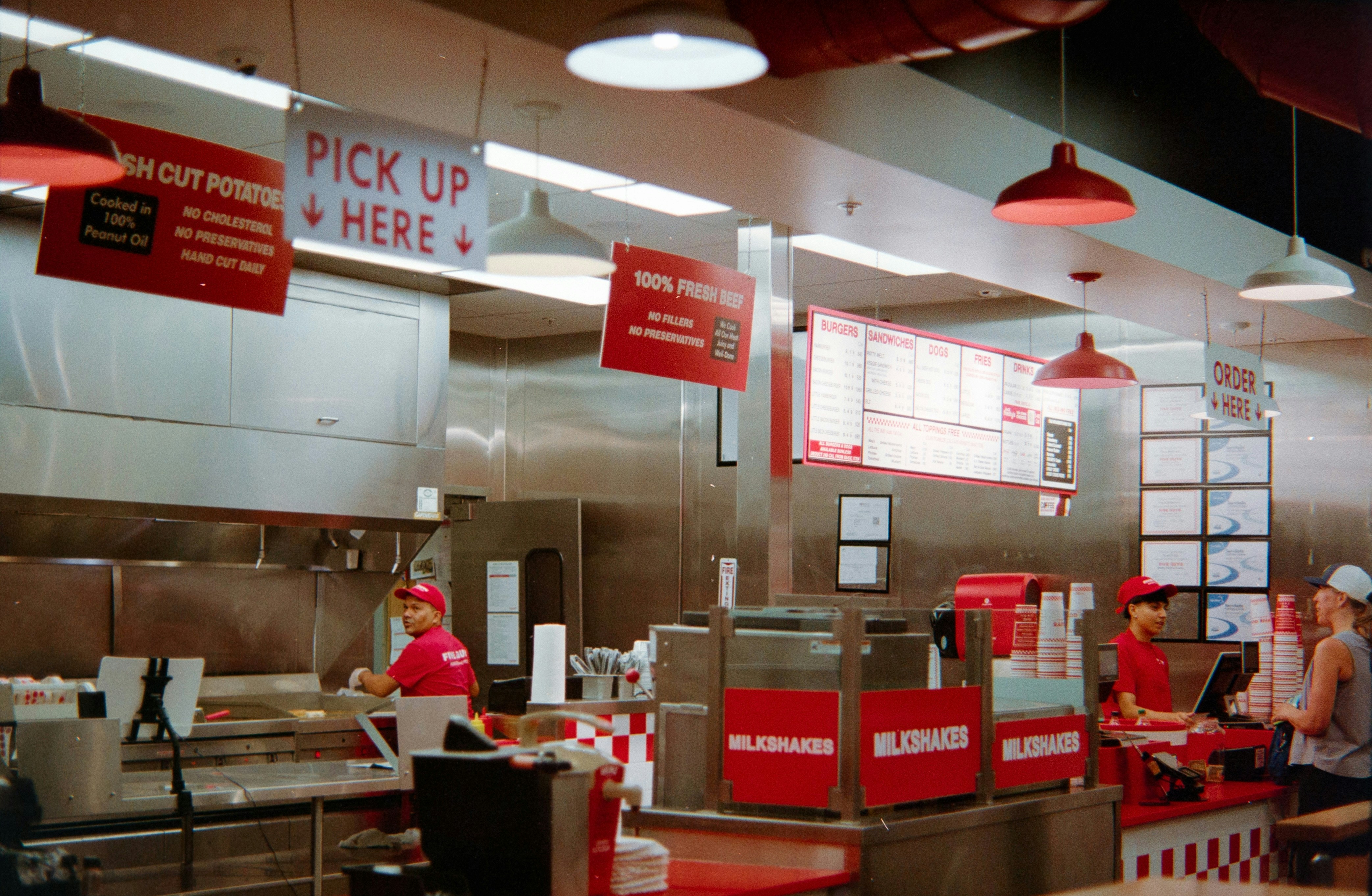
Photo by Harrison Plouzek
On the dining landscape, price-driven promotions have grown from seasonal tactics into a steady hum beneath every menu. It’s a quiet kind of comfort: deals that feel designed for everyday meals, not grand gestures. Across c-stores and quick-service restaurants, operators are leaning into a shared instinct—to offer more than a lower price, to offer a moment. When a family plans a week’s meals, these promotions become part of the ritual: value that feels thoughtful, time-bound choices that fit a busy afternoon, and a sense that accessibility is a promise kept. In this 2026 arc, the mood softens from discounting toward invitations—every meal a little more comforting, a little easier.
McDonald’s launched a $5 Meal Deal on June 25, a move that immediately drew attention and, according to Placer.ai, produced the busiest Tuesday of the year with visits up 8% over the average Tuesday. Starbucks answered with two $5 combos—one pairing a tall iced or hot coffee or tea with a butter croissant or breakfast sandwich—and traffic rose 3.4% during the week of June 24. Taco Bell introduced a $7 Luxe Cravings Box featuring items like the Chalupa Supreme and Beefy 5-Layer Burrito, contributing to a lift in U.S. same-store sales. In the c-store world, QuickChek offered two-for-$5 breakfast sandwiches, Wawa promoted Hoagiefest at $6, and EG America and GPM Investments rolled out more $5 meals. Across channels, these moves are reshaping menus and drawing traffic in more deliberate, value-aware ways.
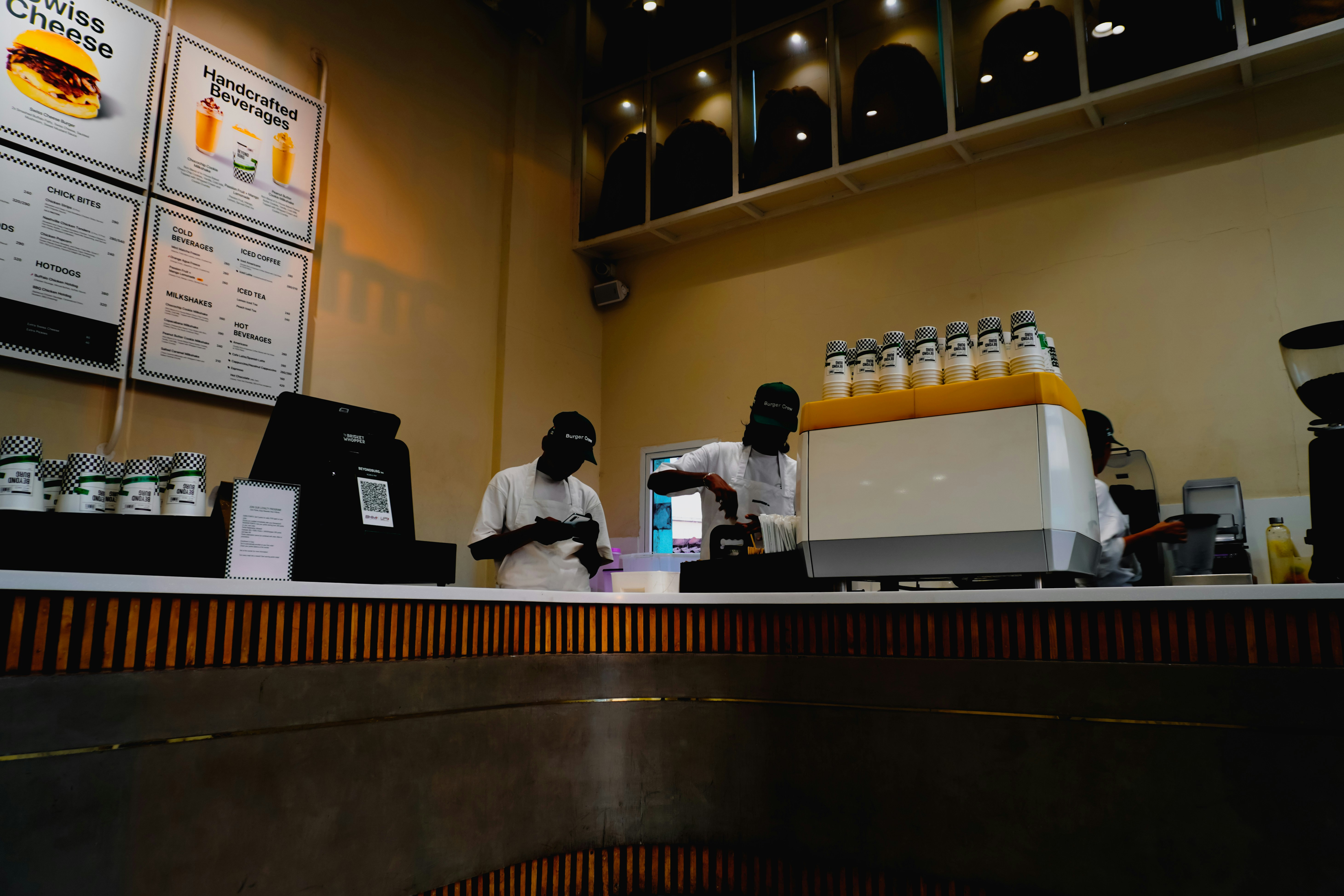
The takeaway is simple: promotions work best when they feel distinctive, time-limited, or hard to replicate. They invite a moment of choice rather than a rush to the bottom, and they respond to the everyday mood of the eater: a busy day, a craving, a quick conversation over coffee. The aroma of a café that makes it easy to opt in—without pressure—becomes the quiet engine behind a shopper’s confidence to return. In this year of steady change, value becomes a gentle invitation rather than a demanding mandate.
The moment is less about a single discount and more about creating a routine—bundles that align with daily patterns, and deals that feel as if they were crafted for a specific hour or mood. It’s a subtle art of hospitality in a budget world, where ease and familiarity invite a linger rather than a quick checkout. The hotel-like comfort of choosing a thoughtfully composed meal becomes the brand promise that keeps customers coming back.
Voices from the market speak with warmth and caution, reminding us that customers weigh both price and purpose. The shift isn’t a single banner but a new routine—promotions that feel thoughtful rather than reckless, and that honor the time people spend deciding what to eat. The care in the message is what makes a bundle feel personal, almost like a small hospitality gesture in the middle of a busy day.
“The big trend that retailers are all facing is customers cutting back on spending and trending down,” said Jeff Lenard, vice president of strategic industry initiatives at NACS. “Value offers are incredibly important as customers are trading down from deluxe sandwiches to standard offers, as well as cutting back on sides.” Lenard adds that consumers don’t think in channels when seeking meals; they ask for a sandwich or pizza and see each retailer as a source. “Think creatively about putting together promotions,” urged David Portalatin, senior vice president and food industry advisor at Circana, and to capitalize on trends like higher snack consumption. “Time will tell if these bundles are going to work…it is absolutely giving consumer choices and a lifeline,” cautioned Sally Lyons Wyatt, global executive vice president at Circana.
Outcomes, Prices, and Timelines show a nuanced picture. In 2026, promotions remain a core lever, but the balance of effect versus margin is watched closely. In the c-store world, 7-Eleven’s North American operator disclosed a plan to close 645 stores in the 2026 fiscal year, reflecting ongoing asset optimization in a crowded landscape. Casey’s Promotional Calendar and Rewards updates continue to emphasize loyalty and bundle incentives as a traffic-defender. In QSR, Taco Bell’s Luxe Cravings Box anchors visits with sustained growth, even as overall momentum moderates. The picture across brands is one of continued experimentation with bundling and cross-channel offers.
2 key patterns emerge: some brands post traffic gains in 2025, others feel the pressure of price deflation, and analysts expect this mix to persist into 2026. The common thread is clear: value-driven moves will continue to test margins while trying to sustain visits. The market is watching how bundles perform across dayparts, income segments, and channels, with the summer travel wave acting as a volatile backdrop.
The conclusion is measured: bundled, time-bound value remains a defining feature of 2026, but success will hinge on relevance, scarcity, and a hospitality-forward approach that invites customers to choose with confidence rather than fear of missing out on price cuts.
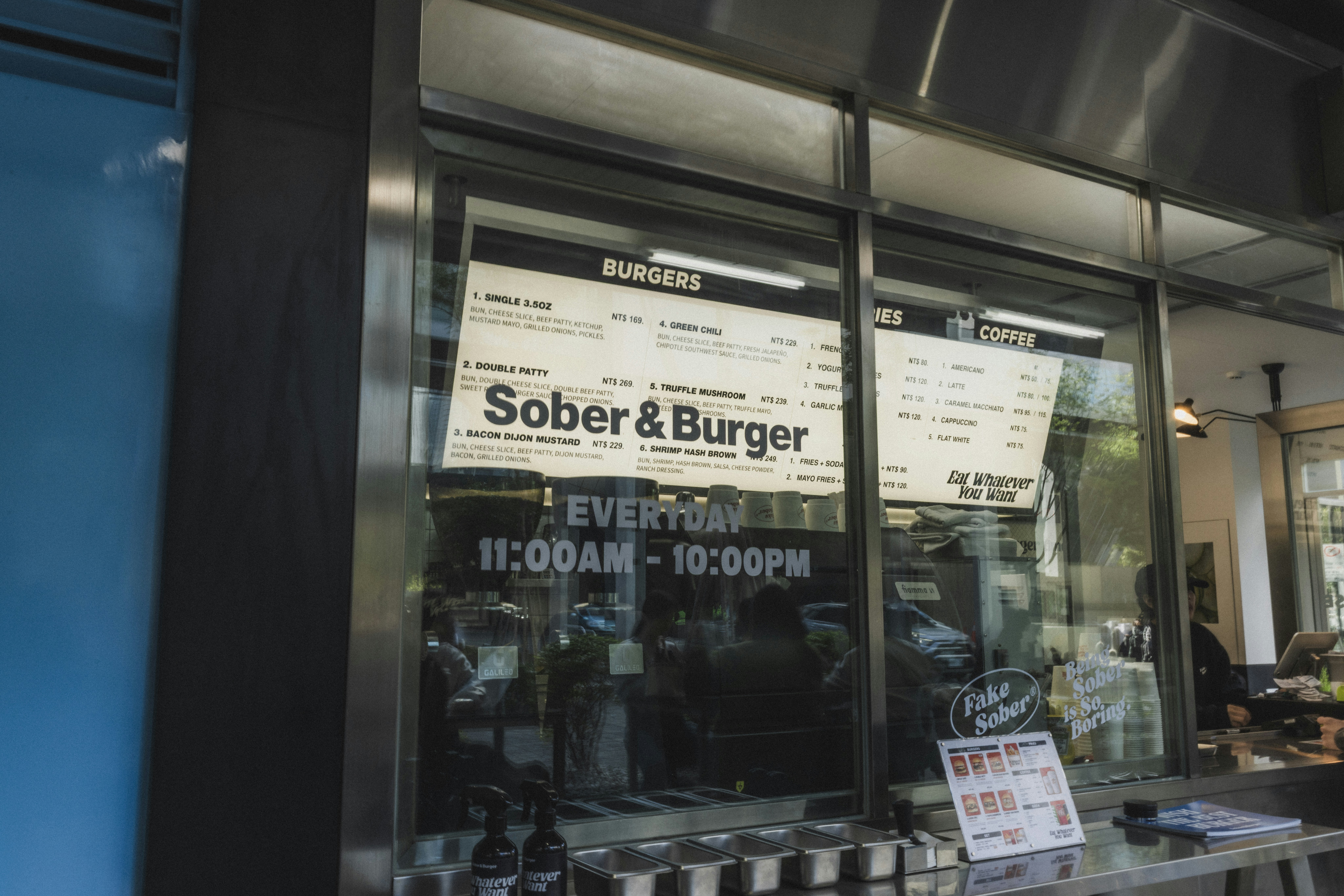
Broader Industry Context shows a cross-channel evolution: consumers seek value not only in QSRs but across c-stores, groceries, and ready-to-eat aisles. The acceleration of value-driven promotions in 2025 and early 2026 hints at a longer arc toward integrated, multi-channel strategies that blend price, convenience, and experience. The trend toward cross-channel bundles and channel-agnostic marketing suggests a future where meals are flexible consumption occasions, not fixed lunch or dinner slots.
Implications for 2026 and beyond point to a steady, human-centered approach: diversified bundle deals, cross-category promotions, and promotions that feel time-bound and context-aware. The mix of QSRs invading snack-and-beverage formats and c-stores expanding prepared foods signals a future where price is only part of the decision. The hospitality mindset—convenience, choice, and a touch of experience—will be the quiet engine that sustains traffic and protects margins as the year unfolds.
Personally, I picture a café moment where a customer chooses a comforting bundle and the staff sense the ease in their eyes. Value becomes mood, not merely cost—a warm, lingering certainty in a budget-aware world.