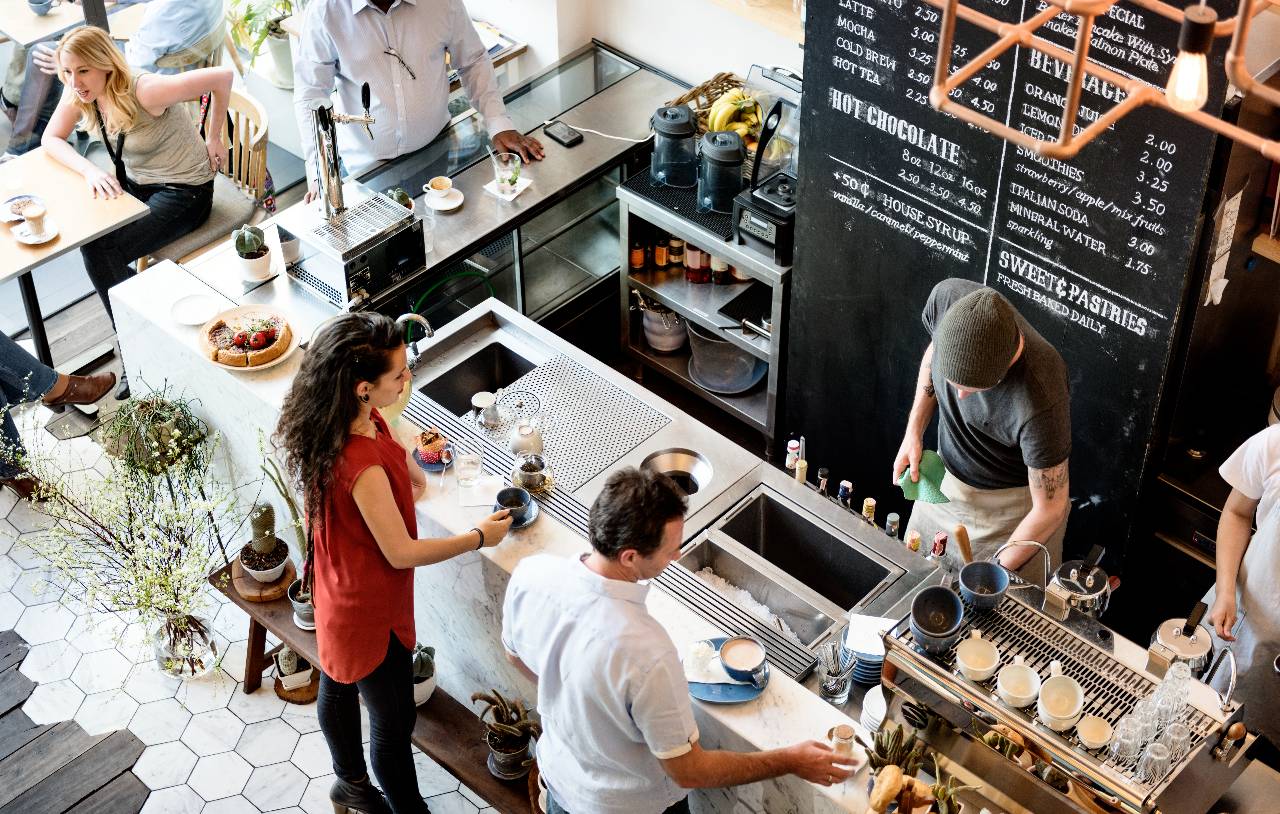
How Much Does It Cost to Open a Coffee Shop in 2026?
Opening a coffee shop in 2026 requires careful cost planning across rent, equipment, labor, technology, menu strategy, marketing, and sustainability.
operations
May 15, 2026
Opening a coffee shop in 2026 requires careful cost planning across rent, equipment, labor, technology, menu strategy, marketing, and sustainability.
May 15, 2026
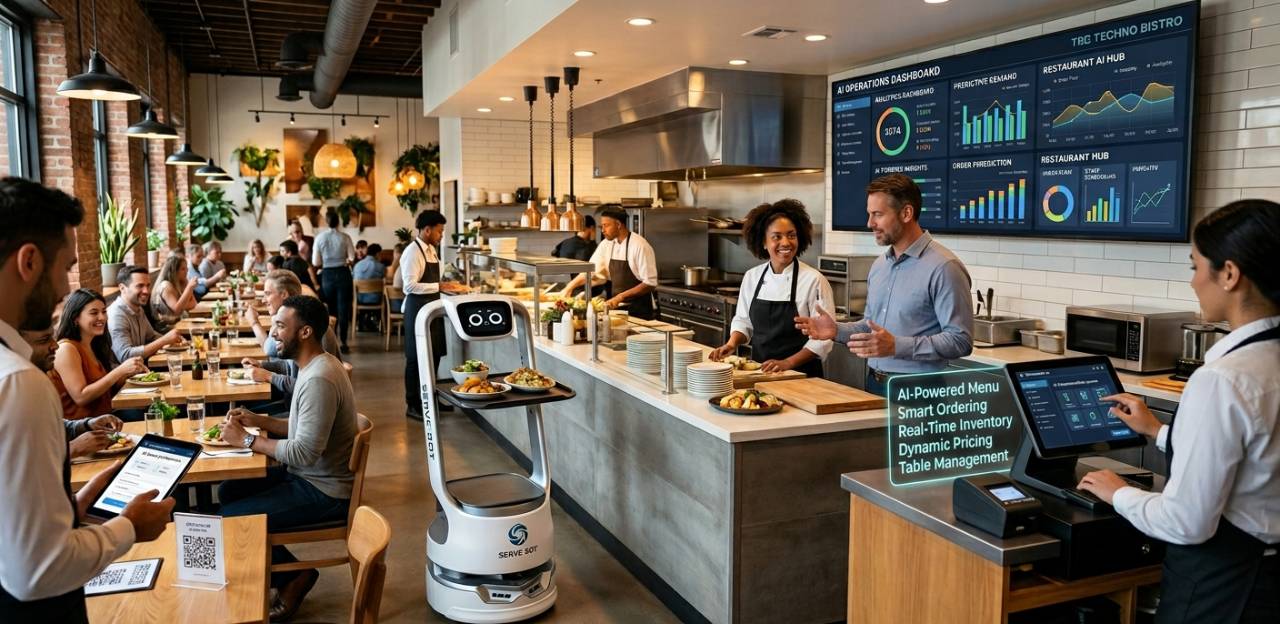
This AI playbook covers restaurant tools for voice ordering, staffing, compliance, menu pricing, inventory, marketing, ChatGPT prompts, and SEO.
May 15, 2026
Hardee’s giant Boddie-Noell inks 31-unit Scooter’s Coffee deal for NC and VA, leveraging drive-thru growth and local roots with rollout over 12–18 months.
May 15, 2026
Wingstop turns match weeks into a multi-sensory festival, aligning bold pop-ups with World Cup energy to build brand affinity and measurable momentum.
May 15, 2026
The parent company behind Dunkin', Buffalo Wild Wings, and Arby's has filed for an IPO a move that could reshape how Wall Street views the restaurant sector.
May 15, 2026
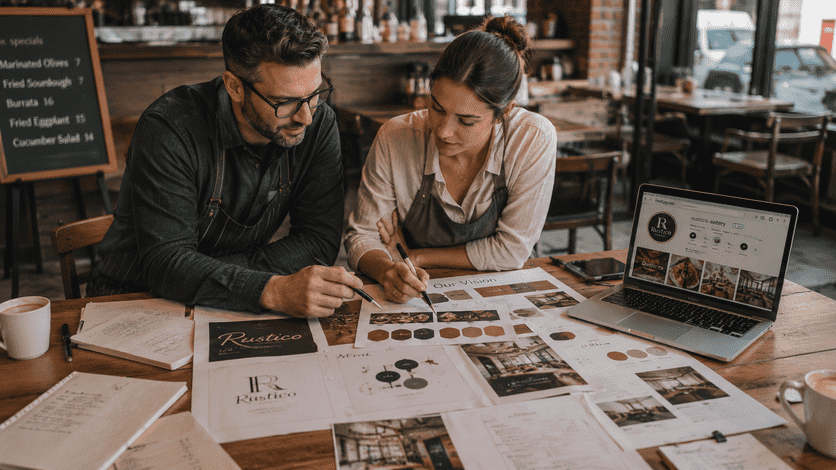
Learn how to develop a memorable restaurant brand identity that stands out in a crowded market, attracts loyal customers, and drives repeat business with actionable strategies and affordable tools.
May 15, 2026
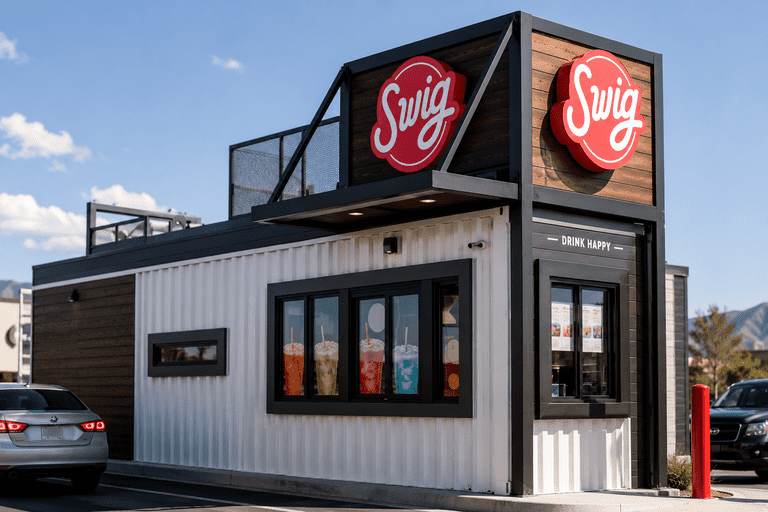
Dirty soda chain Swig is expanding into Colorado through a 10-unit franchise deal, riding a consumer beverage trend that's catching the attention of major QSR players nationwide.
May 15, 2026
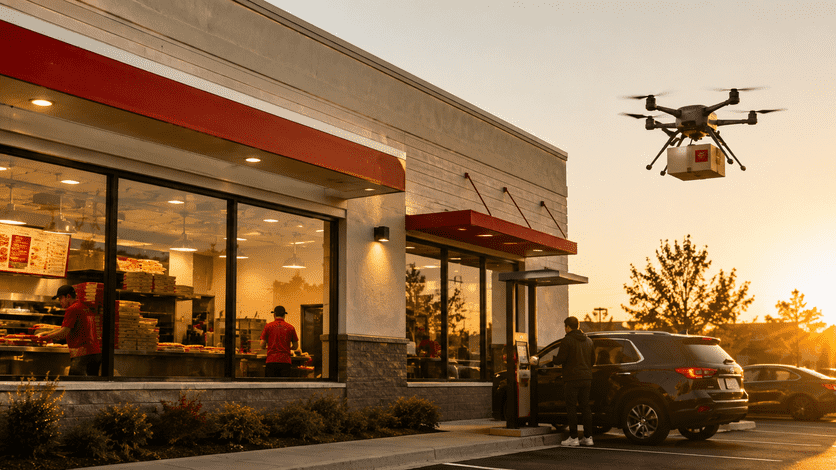
Papa Johns has teamed up with Alphabet's Wing for drone delivery of its new sandwich lineup in parts of Charlotte marking the first partnership of its kind between Wing and a national QSR brand.
May 15, 2026
A warm, expert-led look at McDonald’s Q1 results, menu makeover, and the refranchise question shaping its growth.
May 14, 2026
A reflective look at Habit Ranch, its immersive desert activation, and what it signals for brand loyalty and mindful, experiential dining.
May 14, 2026

Unlock Exclusive Access To Webinars, Events, And The Latest News For Free!
A warm look at how Jack in the Box blends value, technology, and thoughtful expansion to reconnect with price-conscious guests while protecting margins.
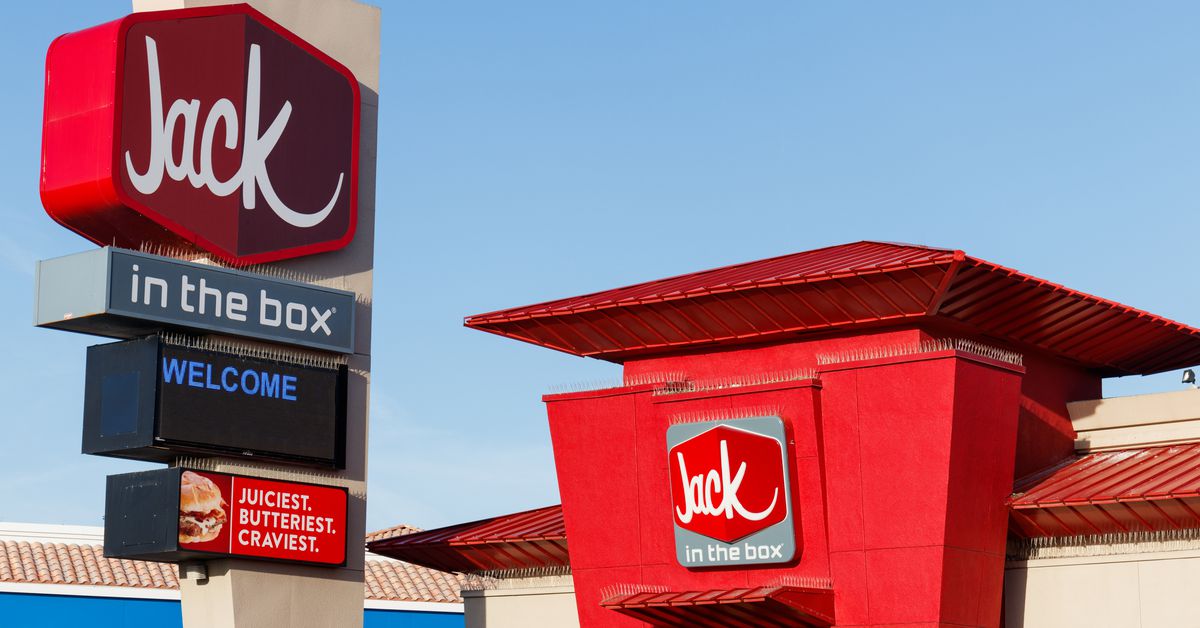
On a quiet morning, the mood in the air feels softer, almost like the first sip of coffee after a long week. Jack in the Box is leaning into value as a living strategy, not a price drop you chase with bold headlines. The aim is to design a pace guests can lean into—from app banner to counter—where pricing is transparent and easy to follow, and where loyalty feels like a familiar welcome. Value becomes a mood you can carry through a busy day, a memory you return to when the day needs comforting, not just a discount. It’s hospitality translated into numbers and menus, a feeling you can trust across every visit.
To reinforce that mood, the company reintroduced and expanded affordable options, turning everyday value into a recurring hook. The Munchies Under $4 platform became a touchstone, evolving to add snack-sized items that support upsell without eroding margins. Seasonal and film tie-ins—like the $5 Jack’s Big Deal Meal—were deployed to energize traffic during windows when guests are most price-sensitive. Late-night value returned with the Chicken Tater Melt, and a digital rollout of wings plus the permanent addition of French Toast Sticks broadened the menu’s reach. Yet the third-quarter earnings laid bare the headwinds: same-store sales declined, systemwide sales softened, and congested dayparts reminded leadership that speed must be paired with smarter promotions.
All these moves point to a deliberate pivot toward value-driven entry points and price-aware promotions designed to reconnect with price-conscious guests while preserving brand equity. The kitchen stays focused on consistency and speed, but the atmosphere—an easy, hospitable rhythm—remains the centerpiece of the plan.
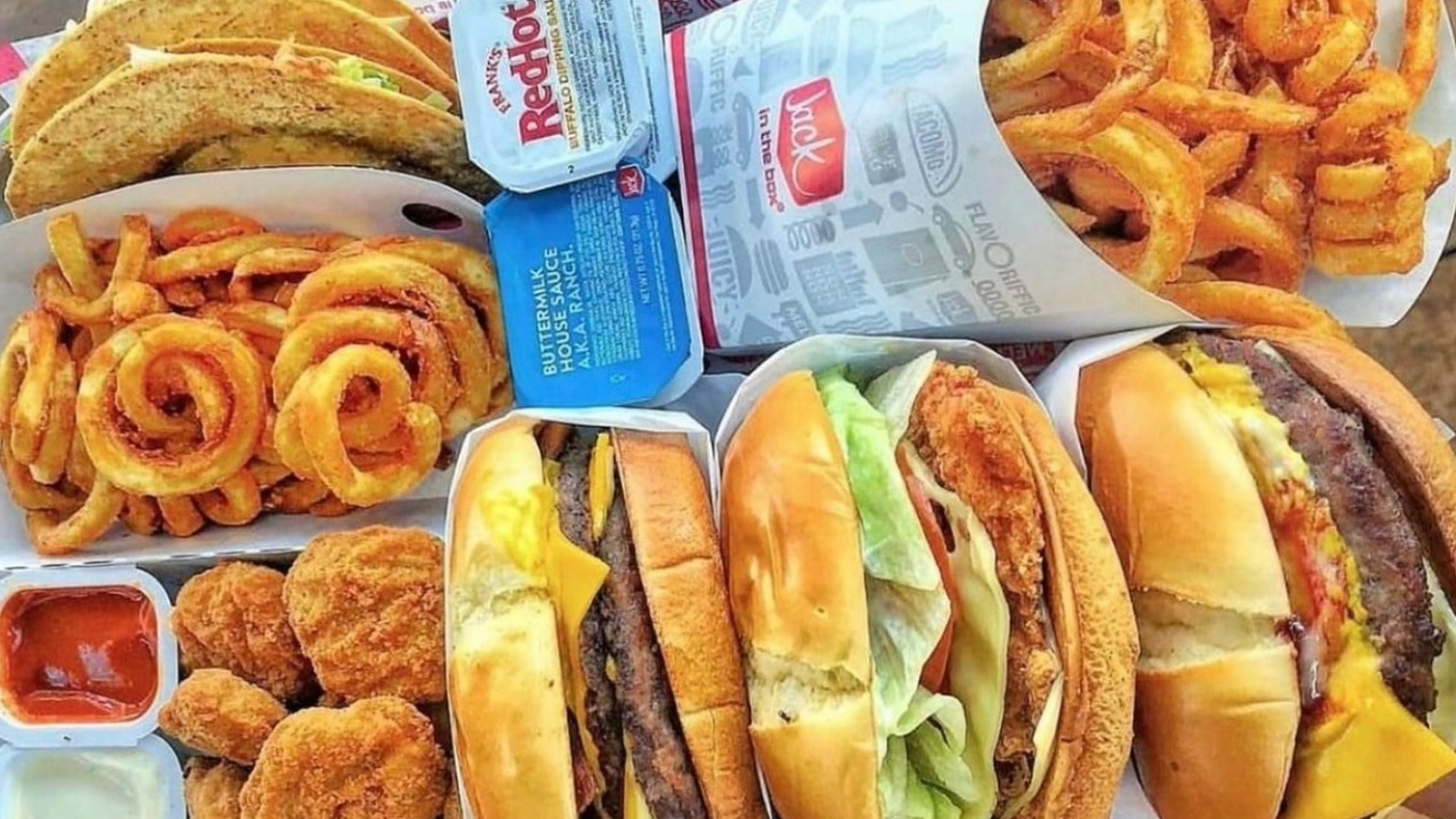
The leadership frames the current climate as unusual, a moment to re-center on guests who have felt squeezed. The value narrative is paired with a regional regulatory backdrop that reshapes cost structures, especially in core markets. A broader strategy emerges: reconnect with lower-income, value-oriented guests while pursuing productivity improvements that guard margins. The result is a restaurant experience that feels calm and familiar, a place where a family can plan a simple, nourishing meal without the friction of complex pricing. It’s hospitality as a bridge between budget and comfort.
AB 1228—the FAST Act—raised the fast-food minimum wage to $20 per hour, effective April 1, 2024, and introduced a fast-food council to oversee wages and standards. Labor costs in California contributed to higher operating expenses, shaping pricing, staffing, and scheduling decisions across the system. Public records and industry analyses document the wage increase and its ripple effects, underscoring why store-level pricing discipline and productivity improvements are now central to sustaining margins as Jack on Track advances.
What this backdrop means for the business is a careful blend: value at the shelf, efficiency behind the scenes, and a patient, watchful eye on margins. Leaders connect the unusual macro with a precise, store-by-store playbook, a reminder that resilience is built one location at a time—even as the brand experiments with new ways to serve and delight.
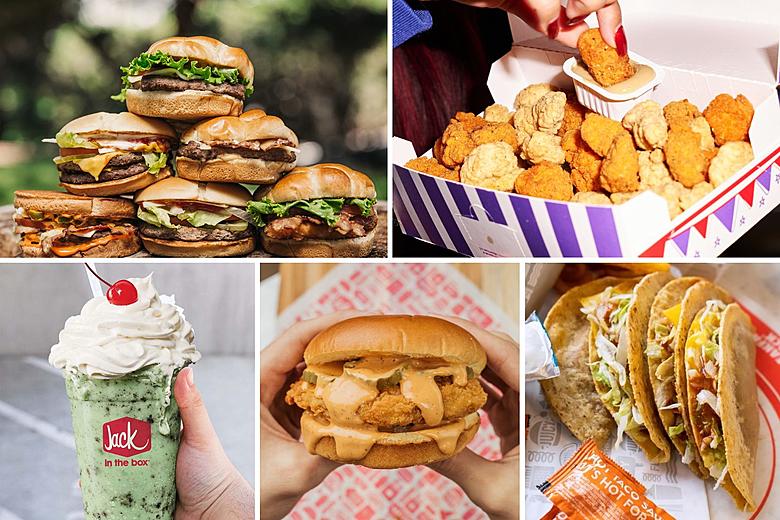
Beyond price tags, the menu becomes a living lab for patient growth. The Munchies Under $4 framework anchors everyday value, while late-night value finds renewed energy through things like the Chicken Tater Melt. The wings make a broader digital splash, and French Toast Sticks arrive as a familiar, comforting addition. The brand also leans into entertainment-driven tie-ins—Deadpool and Wolverine partnerships—to invite new guests while keeping regulars curious.
Promotional momentum is paired with a digital backbone to capture guest data and enable smarter upsells. The result is a cohesive strategy where value, product cadence, and entertainment align to lift frequency and attachment, not just ticket size. The approach feels intimate: a menu that invites sampling, a brand that invites staying, and a promise that every visit can feel effortless.
So what this means is a deliberate pivot that treats value as a measurable engine—one that blends affordability with discovery and a gentler, more welcoming atmosphere for guests at every turn.
Digital channels are treated as a growth engine rather than an afterthought. The plan centers on a redesigned app and a faster, more capable POS system across the network, aiming to lift digital order share from 14 percent to 20 percent. The promise is clear: loyalty-driven personalization and tighter integration between sales, inventory, and labor—powered by automation and AI-powered features that speed service while trimming costs.
May 2025 updates highlighted progress: 1,500 restaurants equipped with flip kiosks, contributing to an 18% digital sales mix systemwide and setting a clear path to the 20% target. The redesigned app is expected to enable more personalized offers for loyalty members, while the POS modernization promises improved loyalty integration, inventory visibility, and labor management. This is the backbone of omnichannel engagement and a more efficient, guest-centric experience.
The kiosk rollout not only expands access but also accelerates data collection and service speed. The aim is to keep guests engaged across channels—from app to curb to dine-in—while enabling operators to run tighter, more productive days. In a world of rising costs, technology becomes a gentle partner in preserving margin and inviting repeat visits.
A remodeling program anchors the product and brand evolution, with a corporate commitment of $50 million to support reimages and store updates. The plan has sparked strong franchisee interest—more than 1,000 remodeling requests have been received—alongside incentives to share in remodel costs. Leadership notes that the remodels, paired with wage dynamics like AB 1228, weigh on near-term margins but offer a multi-year path to stabilize and expand margins as the transformations mature. It’s a patient, coordinated bet that the brand can grow topline through refreshed spaces while safeguarding profitability.
Expansion and scope remain central to growth. Salt Lake City and Louisville show early demand, with Chicago planned as a phased push toward corporate-operated units before franchising, and a Florida entry anticipated later. Net restaurant counts have stabilized, even as openings and closures occur, underscoring a measured approach that pairs remodeling with market expansion to drive efficiency and guest access.
Del Taco, the second brand in the portfolio, faced its own headwinds. Third-quarter 2025 results showed a decline in fourth-quarter same-store sales, with higher costs and a contraction in restaurant-level profitability partly offset by pricing. A kiosk-based test and other efficiency measures informed broader technology deployments across both brands, while the footprint hovered around 597 units with modest new openings. The combined story suggests lessons in moderation and the power of digital to offset margin pressure across a multi-brand platform.

Taken together, the sequence of value-driven menu moves, digital enhancements, remodeling incentives, and disciplined expansion positions Jack in the Box to weather a volatile macro environment while rebuilding guest trust. The multi-year plan emphasizes steady market entry, store footprint modernization, and a sharper price-value economics that can sustain traffic and check growth even when transactions soften. With Q4 2025 signaling ongoing pressure but a path to sequential improvement, the era of reimagining the brand feels less like a sprint and more like a welcoming, long-term invitation that aligns comfort with clear milestones for 2026 in digital mix, store modernization, and franchisee collaboration.
The takeaway is a rhythm of ease: value that respects margins, technology that speeds service, and expansion that remains prudent. As guests settle into a more predictable experience, the brand’s hospitality—quiet, patient, and welcoming—extends beyond the counter and into a future where growth feels like a shared moment of comfort.