How Much Does It Cost to Open a Coffee Shop in 2026?
Opening a coffee shop in 2026 requires careful cost planning across rent, equipment, labor, technology, menu strategy, marketing, and sustainability.
operations
May 15, 2026
Opening a coffee shop in 2026 requires careful cost planning across rent, equipment, labor, technology, menu strategy, marketing, and sustainability.
May 15, 2026
This AI playbook covers restaurant tools for voice ordering, staffing, compliance, menu pricing, inventory, marketing, ChatGPT prompts, and SEO.
May 15, 2026
Hardee’s giant Boddie-Noell inks 31-unit Scooter’s Coffee deal for NC and VA, leveraging drive-thru growth and local roots with rollout over 12–18 months.
May 15, 2026
Wingstop turns match weeks into a multi-sensory festival, aligning bold pop-ups with World Cup energy to build brand affinity and measurable momentum.
May 15, 2026
The parent company behind Dunkin', Buffalo Wild Wings, and Arby's has filed for an IPO a move that could reshape how Wall Street views the restaurant sector.
May 15, 2026
Learn how to develop a memorable restaurant brand identity that stands out in a crowded market, attracts loyal customers, and drives repeat business with actionable strategies and affordable tools.
May 15, 2026
Dirty soda chain Swig is expanding into Colorado through a 10-unit franchise deal, riding a consumer beverage trend that's catching the attention of major QSR players nationwide.
May 15, 2026
Papa Johns has teamed up with Alphabet's Wing for drone delivery of its new sandwich lineup in parts of Charlotte marking the first partnership of its kind between Wing and a national QSR brand.
May 15, 2026
A warm, expert-led look at McDonald’s Q1 results, menu makeover, and the refranchise question shaping its growth.
May 14, 2026
A reflective look at Habit Ranch, its immersive desert activation, and what it signals for brand loyalty and mindful, experiential dining.
May 14, 2026

Unlock Exclusive Access To Webinars, Events, And The Latest News For Free!
A thoughtful, expert-led look at Toast and Square as they shape restaurant operations in 2026, weighing depth against speed and the cost of growth.
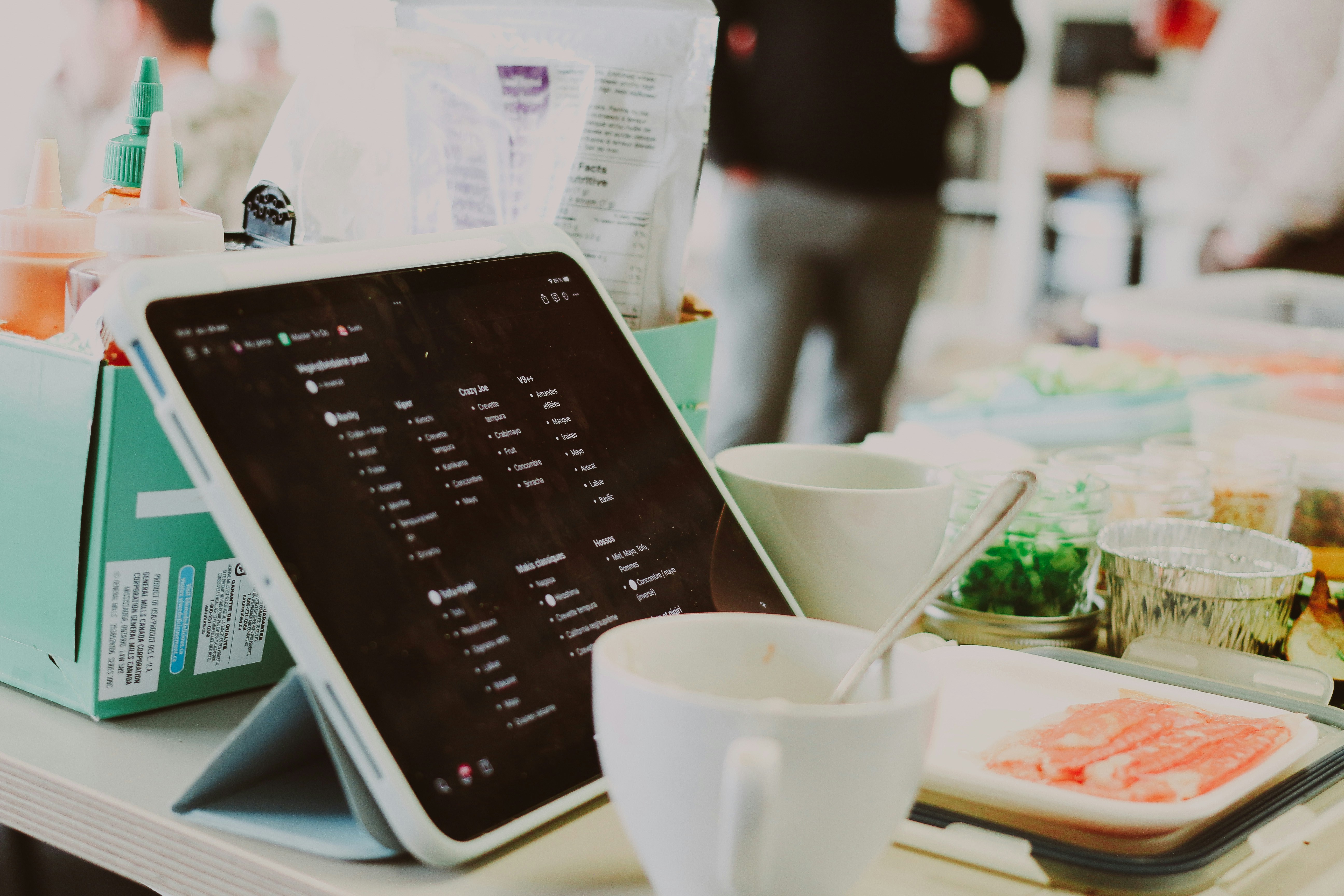
Photo by Compagnons
Restaurants increasingly trade standalone point solutions for operating platforms that manage orders, inventory, labor, and delivery in one place. In 2026, two leaders map distinct paths for the industry: Toast, which positions itself as a restaurant-first, all‑in‑one platform, and Square, which emphasizes a lean, fast onboarding experience and scalable, per-location pricing. The choice isn’t only about feature lists; it’s about how a concept intends to work day to day—how quickly teams can align data, how guests perceive consistency, and how budgets hold steady as volumes rise. It is a thoughtful exercise in balancing speed, reliability, and long-term impact on service excellence.
At a high level, the difference is clear. Toast stitches loyalty, online ordering, inventory, staff scheduling, and analytics into the base platform, with add‑ons such as Toast IQ for AI‑driven upselling and predictive inventory. It also directly integrates with major delivery channels—DoorDash, Uber Eats, and Grubhub—to extend the ecosystem beyond the four walls of the dining room. In contrast, Square preserves a modular, software‑first approach: the core software runs across devices, with per-location pricing that scales as operators grow, and a hardware catalog geared toward iPad‑based configurations. These deployment choices shape every roadmap for tech stack, training, and planning.
How a system is built determines the day‑to‑day rhythm of a restaurant. Toast places core tools inside a single POS, so loyalty, online ordering, inventory, staff scheduling, and analytics share one data stream. The upside is cohesion and visibility across departments; the trade‑off is cost and a longer runway to realize total value. A kitchen that relies on a single, integrated stack can move faster on guest experiences but must weigh ongoing commitments against future needs. In practice, every install becomes a choice about how deeply the platform will govern order flow and inventory discipline.
Beyond the base software, two roads diverge. Toast emphasizes rugged, kitchen‑ready hardware designed for high‑volume environments, while Square leans into affordability and speed of setup with a flexible hardware catalog and iPad‑based configurations. The pricing narrative follows two tracks: a Starter Kit with hardware included and a pay‑as‑you‑go option on one side, and a per‑location plan with ongoing updates on the other. In short, the architecture you pick often tastes like upfront investment and long‑term flexibility, not just the monthly bill.
User voices reflect a measured trade‑off: Toast is praised for reliability and a design built for restaurants, yet some flag higher costs and longer commitments for small venues. Square earns kudos for ease of use and contract‑free access to core software, even as others report limits in feature depth and durability in high‑volume contexts. In independent guides and reviews, Toast often appears as the more powerful option for large, multi‑unit or full‑service operations, while Square is celebrated for quick start and lower entry costs that suit cafes, food trucks, and fast‑service formats. The takeaway: there is no one‑size‑fits‑all—operators must balance depth, support, and scalability against upfront and ongoing costs.
The practical path forward is deliberate: align the platform with growth plans, test early data flows, and decide whether to lean into depth or speed. This is how operators preserve guest experience while controlling risk.
Toast offers a Starter Kit with hardware included and a pay‑as‑you‑go hardware option, with pricing for new customers and single locations updated as of April 2, 2026. In parallel, Square has shifted to a unified per-location plan structure, with Square Plus priced at 49 per location per month and a reduced in‑person processing rate tied to that tier. For in‑person card payments, the rate sits at 2.6% + 15¢ per swipe, a figure that has governed the model since 2025. Taken together, these terms illuminate how total cost of ownership shifts as restaurants grow from a single site to a multi‑unit operation.
Budgeting becomes a narrative of growth and risk: plan for onboarding, hardware spend, and ongoing support, and you begin to see where the true value lies. A staged approach—pilot, measure, refine—helps ensure the chosen platform scales gracefully without quashing margins.
As the market evolves—especially around AI capabilities, inventory optimization, and multi‑channel ordering—operators should approach decisions with a staged lens. A thoughtful, balanced path may begin with a pilot at a single location, testing core features and data flows before expanding. The bigger truth is that unified depth and agile onboarding both have a place, depending on the operation’s scale, service style, and budget realities. The 2026 landscape invites ongoing vendor diligence and a calm, nourishing strategy for growth.
With this approach, restaurants can protect margins while embracing technology that serves people—servers, managers, and guests—thoughtfully and sustainably.