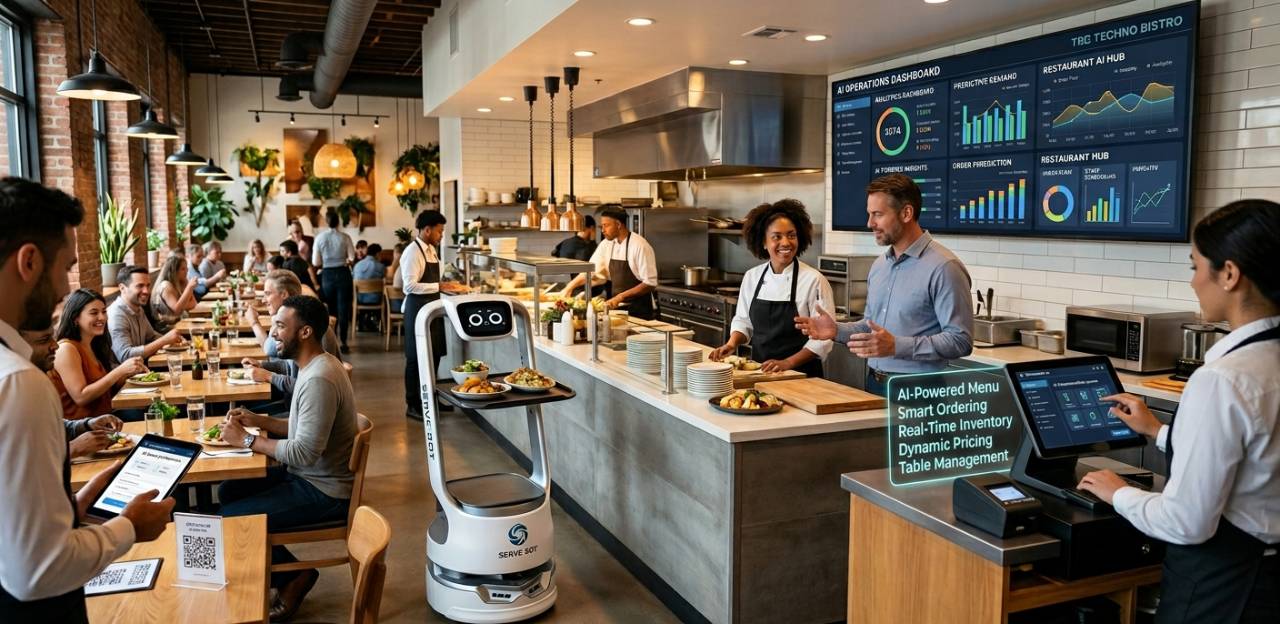
AI Playbook for Restaurant Owners
This AI playbook covers restaurant tools for voice ordering, staffing, compliance, menu pricing, inventory, marketing, ChatGPT prompts, and SEO.
tech
May 15, 2026
This AI playbook covers restaurant tools for voice ordering, staffing, compliance, menu pricing, inventory, marketing, ChatGPT prompts, and SEO.
May 15, 2026
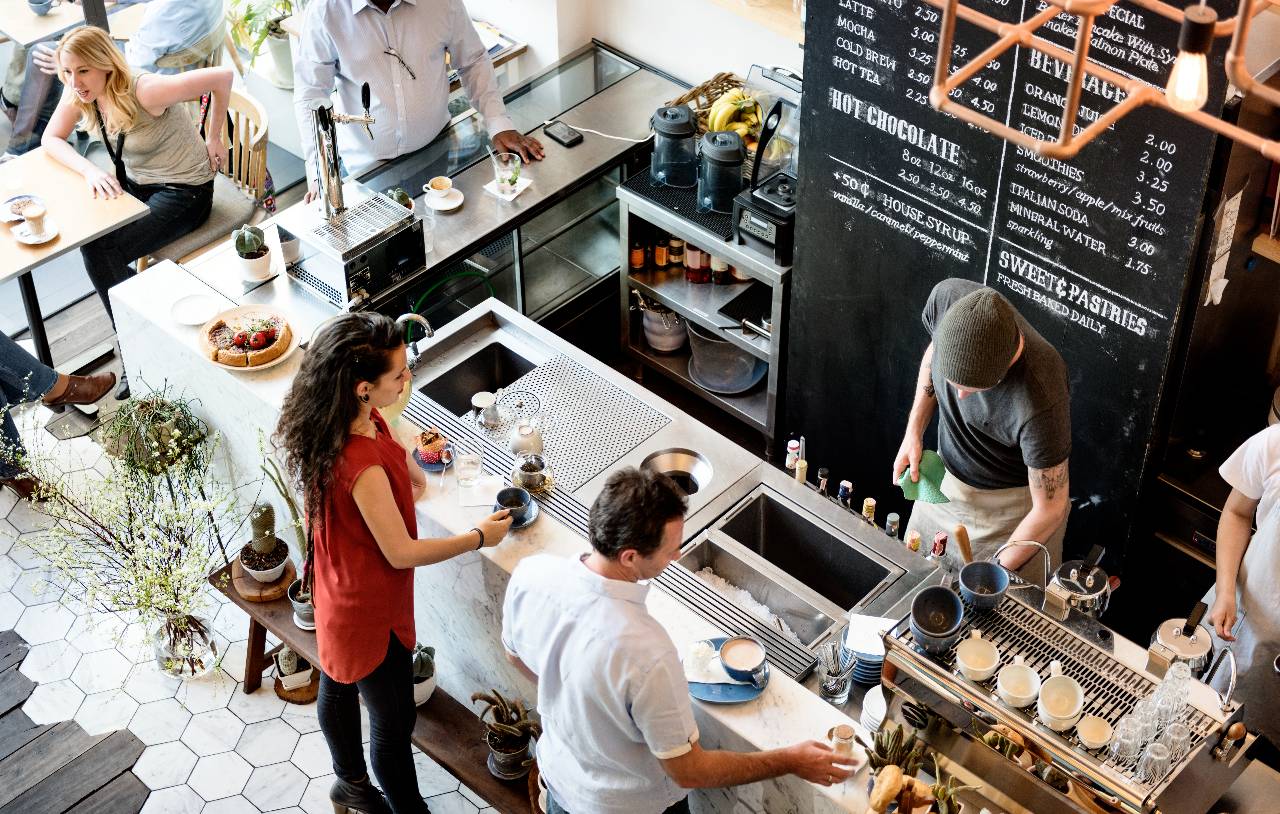
Opening a coffee shop in 2026 requires careful cost planning across rent, equipment, labor, technology, menu strategy, marketing, and sustainability.
May 15, 2026
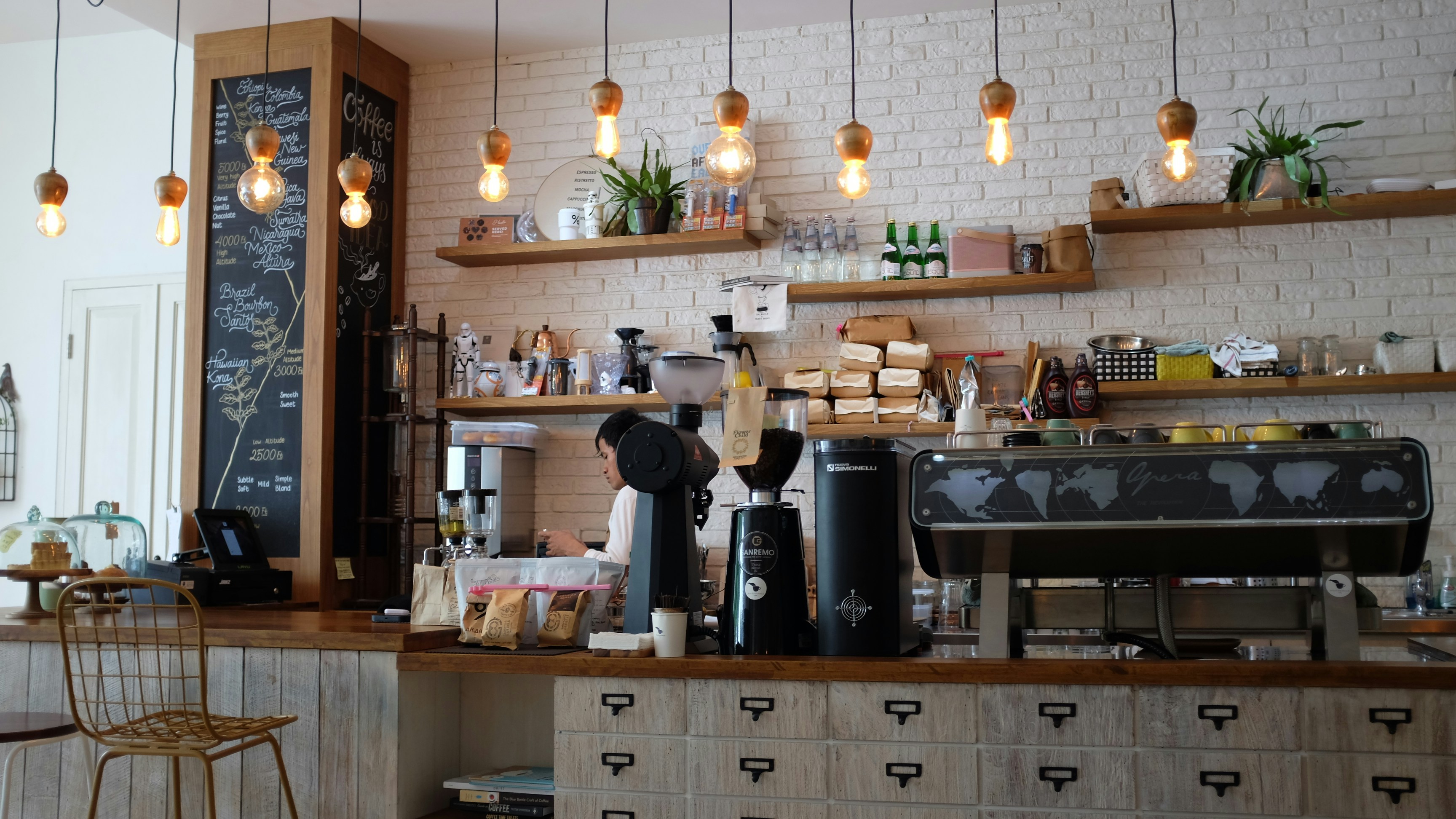
Hardee’s giant Boddie-Noell inks 31-unit Scooter’s Coffee deal for NC and VA, leveraging drive-thru growth and local roots with rollout over 12–18 months.
May 15, 2026
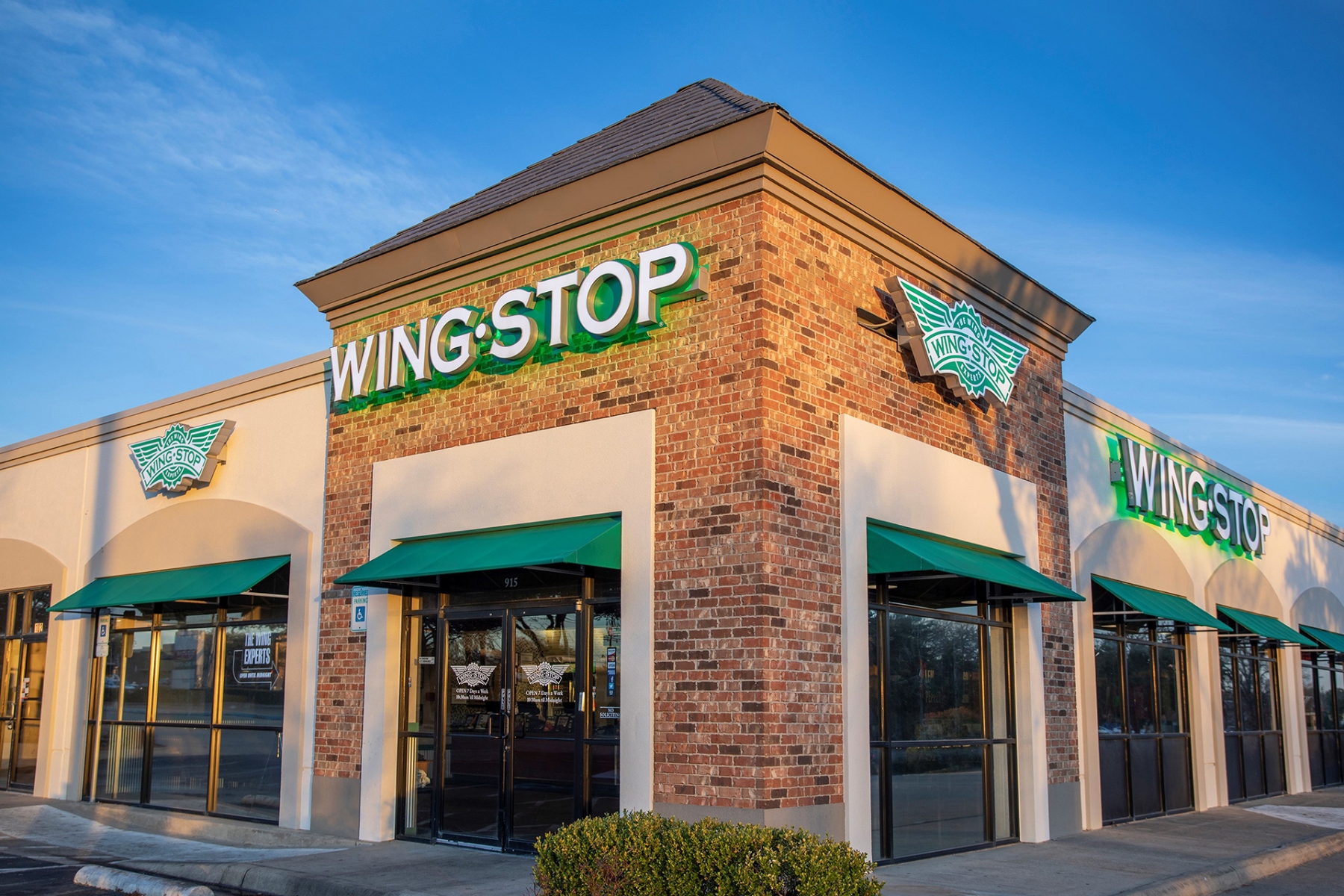
Wingstop turns match weeks into a multi-sensory festival, aligning bold pop-ups with World Cup energy to build brand affinity and measurable momentum.
May 15, 2026
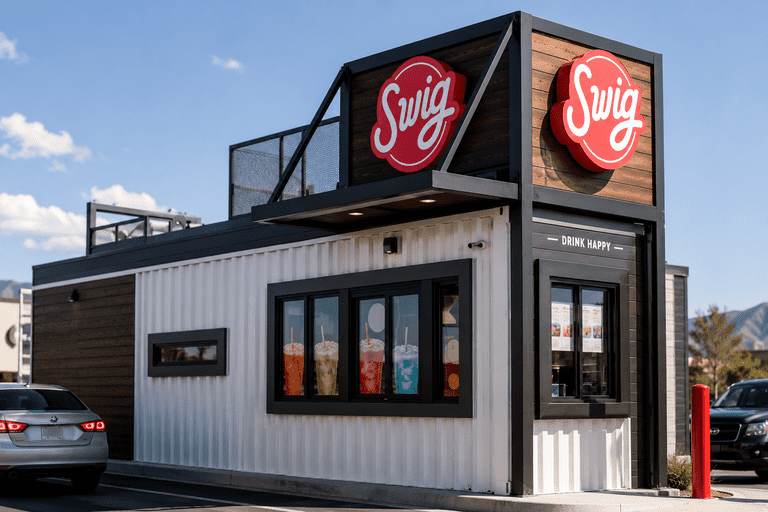
Dirty soda chain Swig is expanding into Colorado through a 10-unit franchise deal, riding a consumer beverage trend that's catching the attention of major QSR players nationwide.
May 15, 2026

Learn how to develop a memorable restaurant brand identity that stands out in a crowded market, attracts loyal customers, and drives repeat business with actionable strategies and affordable tools.
May 15, 2026
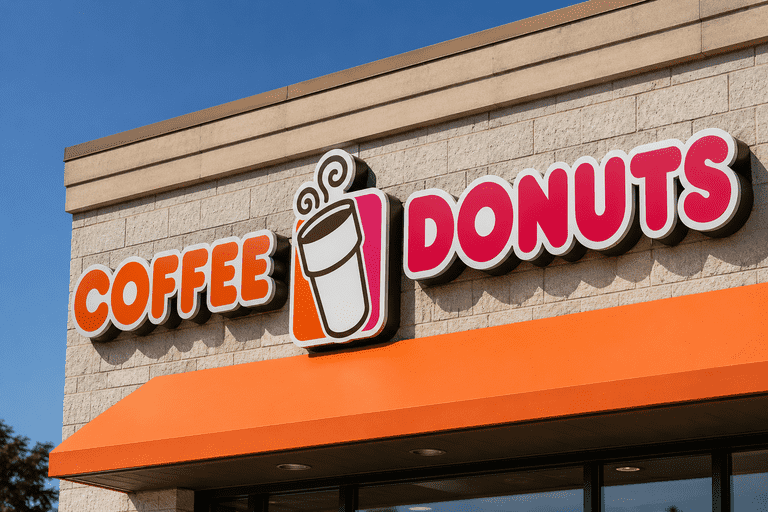
The parent company behind Dunkin', Buffalo Wild Wings, and Arby's has filed for an IPO a move that could reshape how Wall Street views the restaurant sector.
May 15, 2026
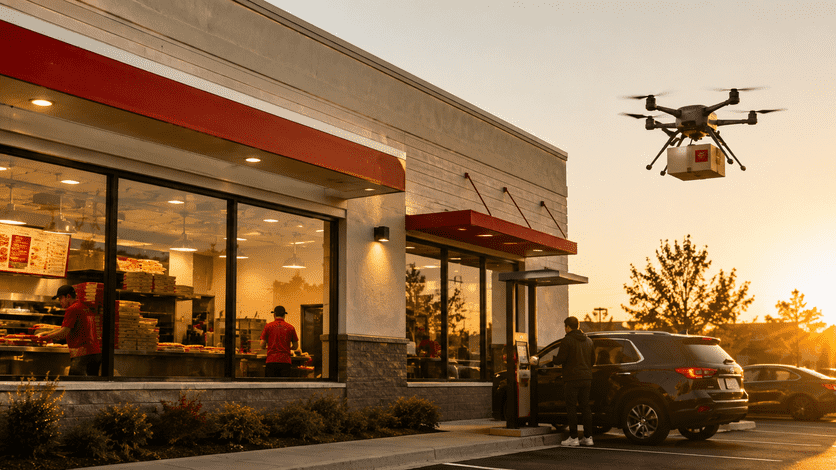
Papa Johns has teamed up with Alphabet's Wing for drone delivery of its new sandwich lineup in parts of Charlotte marking the first partnership of its kind between Wing and a national QSR brand.
May 15, 2026

A warm, expert-led look at McDonald’s Q1 results, menu makeover, and the refranchise question shaping its growth.
May 14, 2026
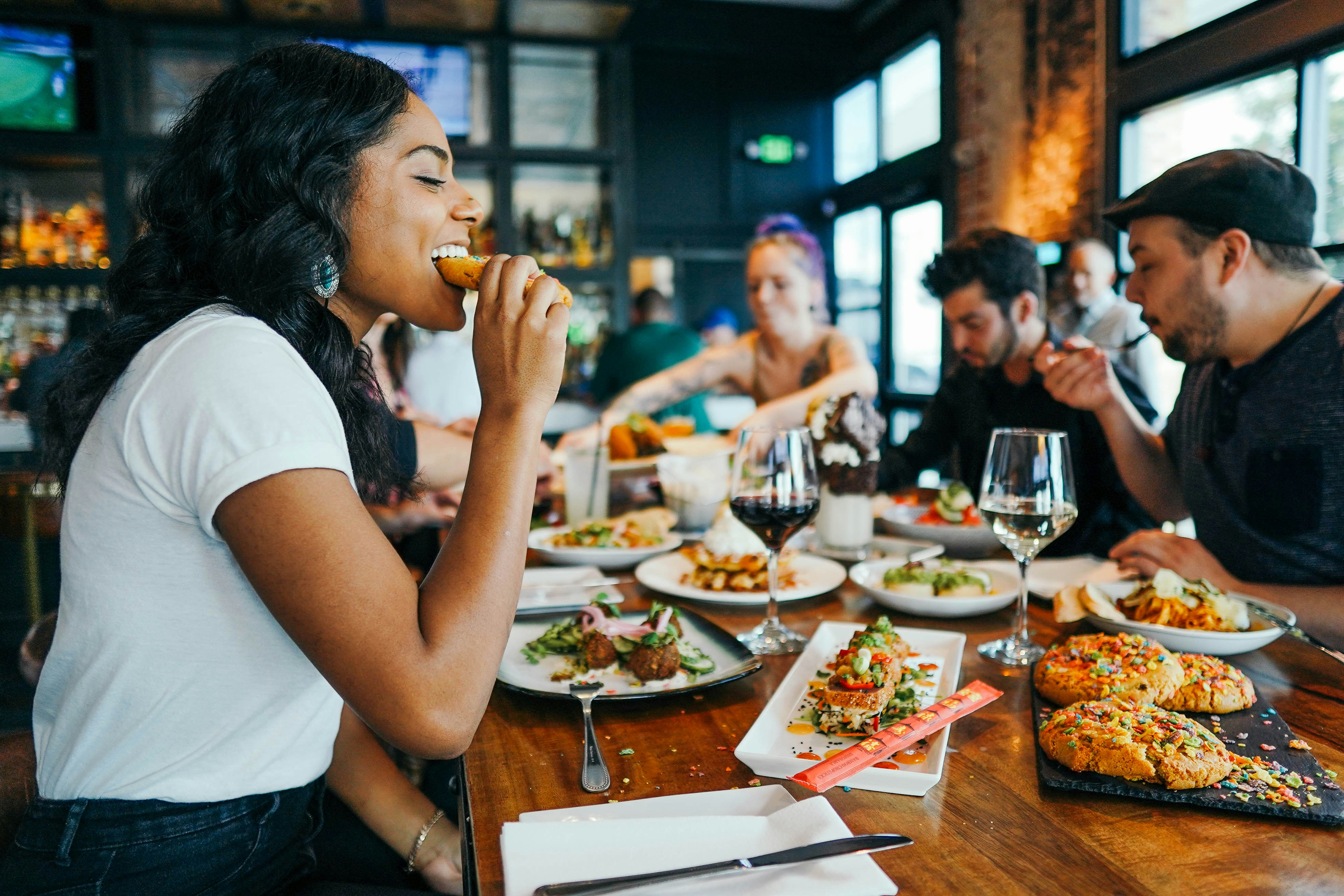
A reflective look at Habit Ranch, its immersive desert activation, and what it signals for brand loyalty and mindful, experiential dining.
May 14, 2026

Unlock Exclusive Access To Webinars, Events, And The Latest News For Free!
It is the third week of February. You check your bank account, and the balance is terrifyingly low. Panic sets in. You immediately pull up your Profit & Loss statement for January, expecting the worst. Instead, the P&L says you had a highly profitable month. If your restaurant made so much money last month, where is all the cash?
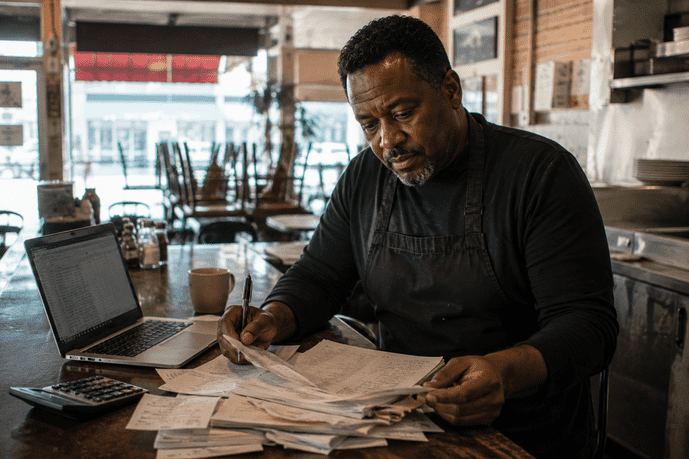
It is the third week of February. You check your bank account, and the balance is terrifyingly low. Panic sets in. You immediately pull up your Profit & Loss statement for January, expecting the worst. Instead, the P&L says you had a highly profitable month.
If your restaurant made so much money last month, where is all the cash?
This massive disconnect between your bank balance and your P&L is incredibly stressful. It almost always comes from a basic misunderstanding of how your money is being recorded. Choosing between cash basis and accrual accounting is the most important financial decision you will make for your back office.
We are going to skip the complicated accounting jargon and break down exactly what these two methods mean for your daily operations, your tax bill, and your ability to keep the lights on and your staff paid.
Accounting is simply the system you use to record when money comes in and when money goes out. The difference between the two methods comes down to timing -
Cash Basis Accounting is exactly what it sounds like. You record sales only when the actual cash (or credit card deposit) hits your bank account. You record expenses only when the money actually leaves your account to pay a bill.
Example - If your produce supplier drops off 10 cases of tomatoes on Tuesday, but you have 30 days to pay and don't write the check until next month, a cash-basis system pretends that expense doesn't exist until the check clears.
Accrual Basis Accounting records sales when you earn them and expenses when you incur them, regardless of when the actual money changes hands. It matches the cost of doing business with the sales it generates.
Example - You receive those 10 cases of tomatoes. Even though you haven't paid the bill yet, you log the expense in your accounting software today, because you are using those tomatoes to make salsa and generate sales today.
Why does this matter so much? Because restaurants operate on a chaotic cash timeline. You buy food today, you might pay for it in 30 days, you cook it tomorrow, and you might get the credit card deposit the day after that. If you don't match the cost of the ingredients to the exact week or month you sold the dish, your financial reports will lie to you.
Many independent restaurants struggle not because of weak sales, but because of inconsistent cash flow management and delayed operational adjustments. Financial visibility is just as important as guest experience and culinary execution.
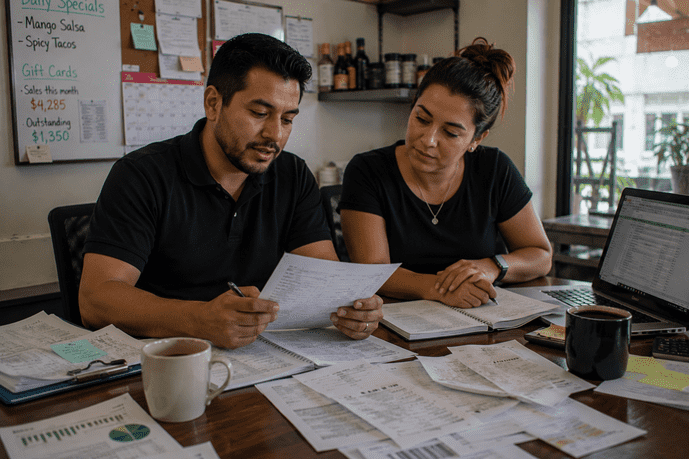
Deciding how to track your money gives you the tools to run a profitable dining room. Here are five key areas you must evaluate.
Hospitality consultants frequently identify inventory mismanagement and uncontrolled labor expenses as two of the most common causes of declining restaurant profitability. Accrual accounting provides the visibility needed to catch these issues early.
Even when operators understand the difference, making the switch can get messy. Avoid these common traps -
Restaurant margins are too tight to operate in the dark. While cash basis is simpler for a tiny operation (like a solo food truck), the moment you have a full staff, 30-day supplier accounts, and a walk-in full of fresh food, accrual is the professional standard.
Before you meet with your accountant this quarter, complete this checklist -