
FT Undercover: Hotworx, YogaSix, Barre3 in Twin Cities
FT Undercover tests Hotworx, YogaSix and Barre3 in the Twin Cities, highlighting heat, coaching, pricing, and the FTC action involving Xponential Fitness.
franchising
Jun 4, 2026
FT Undercover tests Hotworx, YogaSix and Barre3 in the Twin Cities, highlighting heat, coaching, pricing, and the FTC action involving Xponential Fitness.
Jun 4, 2026
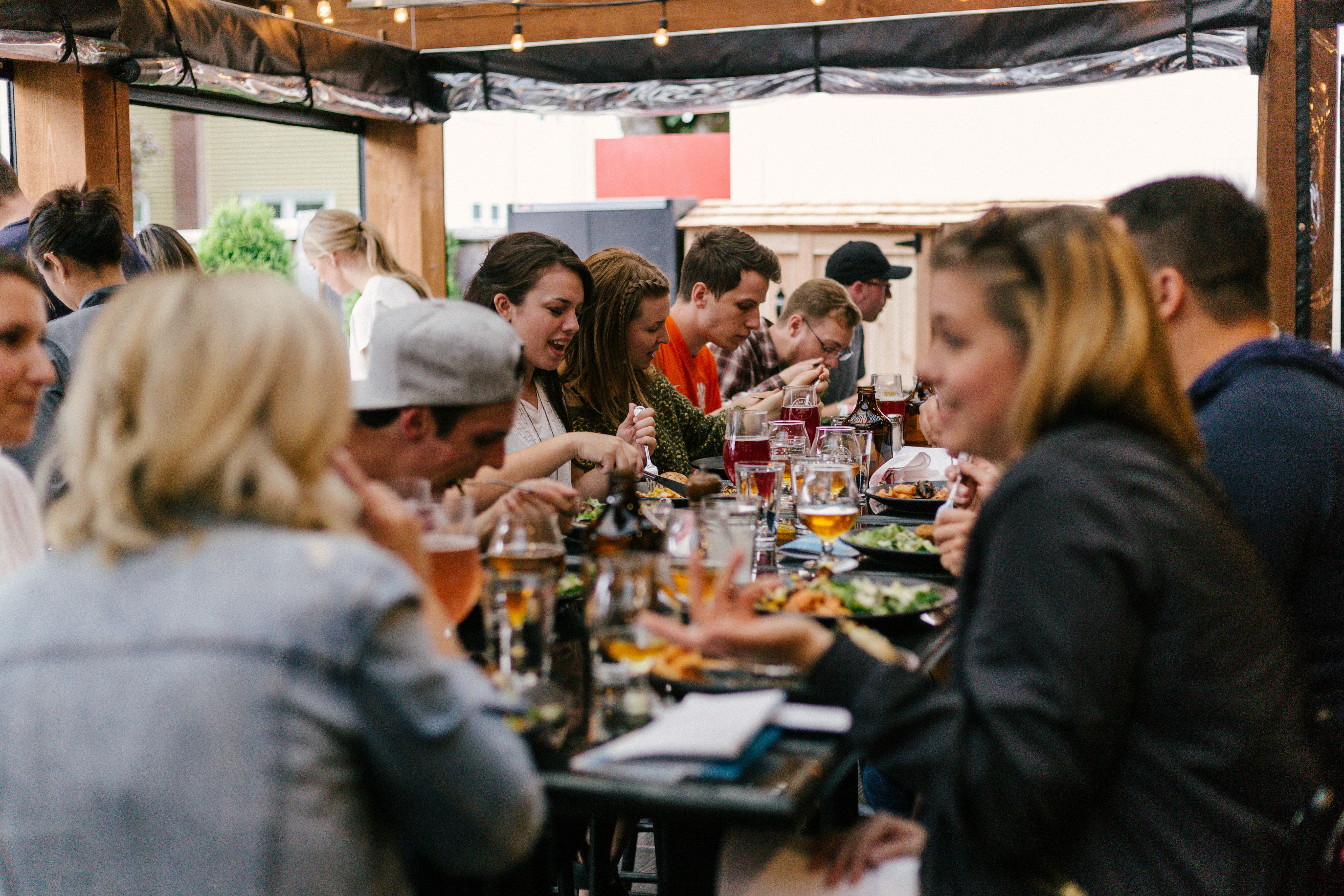
Qdoba secures $435M via whole business securitization to refinance debt, fund remodels and digital makelines, and fuel its push to ~2,000 units.
Jun 4, 2026
To file a clean, on-deadline restaurant trade piece, I need structured facts: names, dates, quotes, numbers, locations, timing, metrics, constraints, and verification.
Jun 4, 2026

Arts-first preschool chain Building Kidz continues U.S. expansion while facing a wrongful death suit and appealing a California penalty.
Jun 4, 2026

How to choose and configure equipment for consistent, scalable restaurant operations, with market data, AI trends, and energy-efficiency considerations.
Jun 4, 2026

Ice cream brand Salt & Straw explores a sale valuing it at $200M, tapping Piper Sandler as advisor while emphasizing culture, growth, and majority ownership.
Jun 4, 2026

Five Iron Golf launches cash simulator tournaments with a live app leaderboard, varied formats, and a $20,000 prize pool, backed by a Series E as national rollout accelerates.
Jun 4, 2026
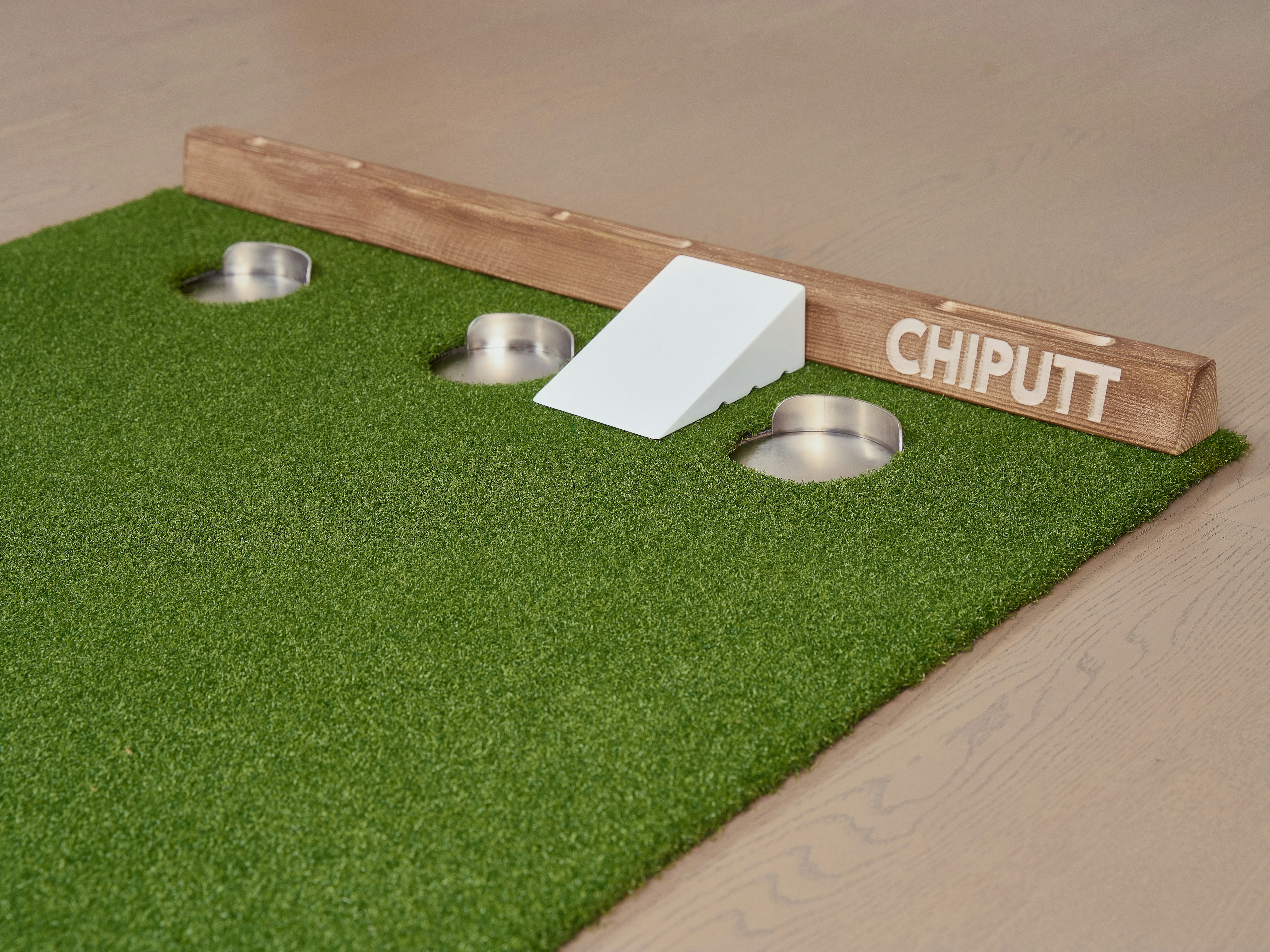
Indoor golf franchises scale as Callaway trims Topgolf, automation boosts margins, and demand accelerates across U.S. simulator chains.
Jun 4, 2026

Big chains blend global flavors with familiar formats to drive traffic. Case studies from Shake Shack, Bobby’s, and Rōti, plus trend and performance data.
Jun 4, 2026
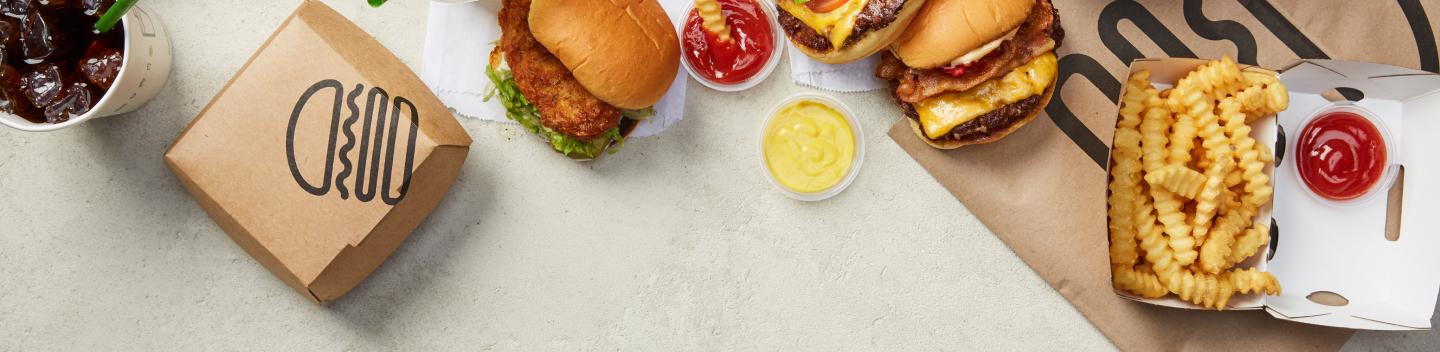
Shake Shack lowered Q2 and full-year guidance amid a value war and macro headwinds; shares fell 9% as analysts cut targets and the company tightened openings.
Jun 4, 2026

Unlock Exclusive Access To Webinars, Events, And The Latest News For Free!
Explore the journey of On the Border restaurant chain from its growth in the 1990s to its recent bankruptcy filing, revealing the challenges faced in the competitive restaurant industry.
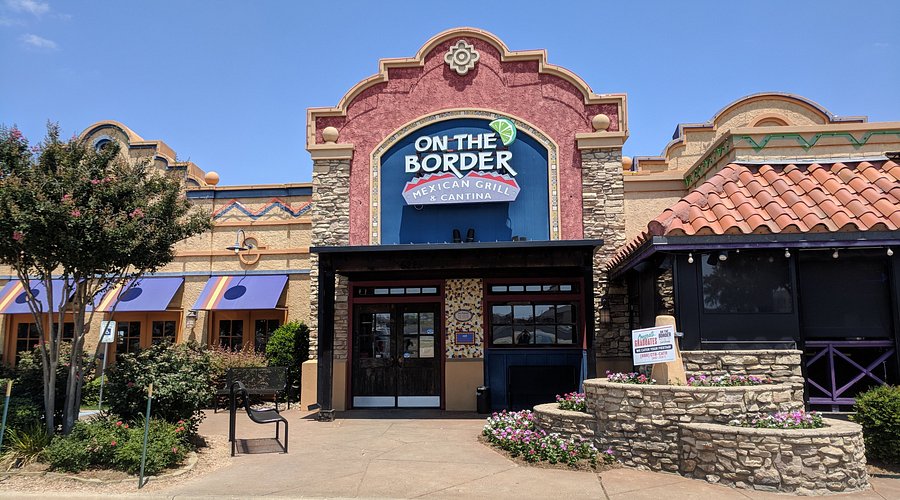
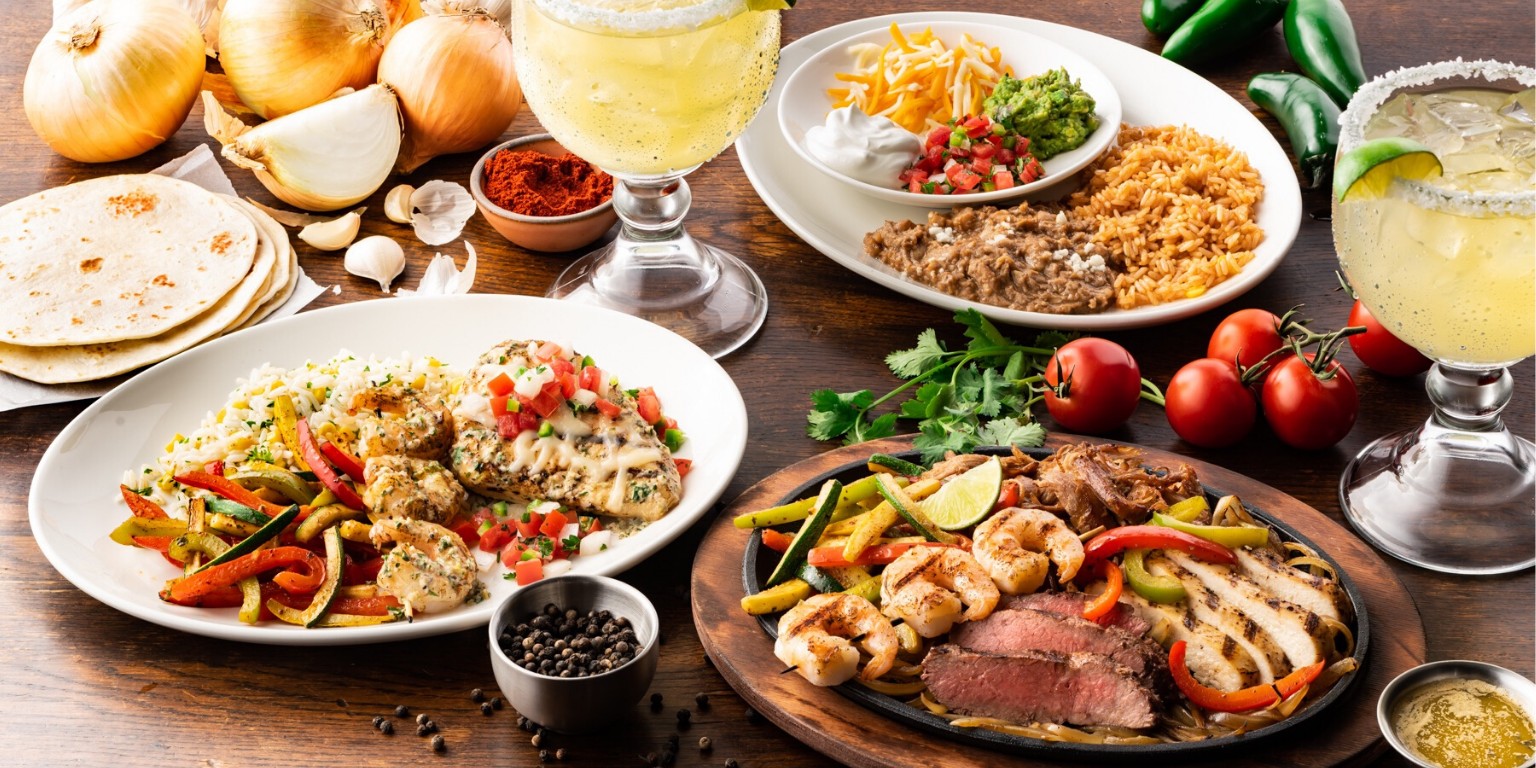
On the Border, a renowned Mexican food chain, embarked on its journey in 1982 in Dallas, Texas. With a menu featuring mesquite-grilled fajitas, margaritas, and endless chips and salsa, the restaurant quickly gained popularity. Expanding both domestically and internationally, the chain caught the attention of Brinker International, which acquired On the Border in 1994. By 2001, the brand boasted 100 locations in the US and later ventured into the South Korean market in 2007 through franchising partnerships.
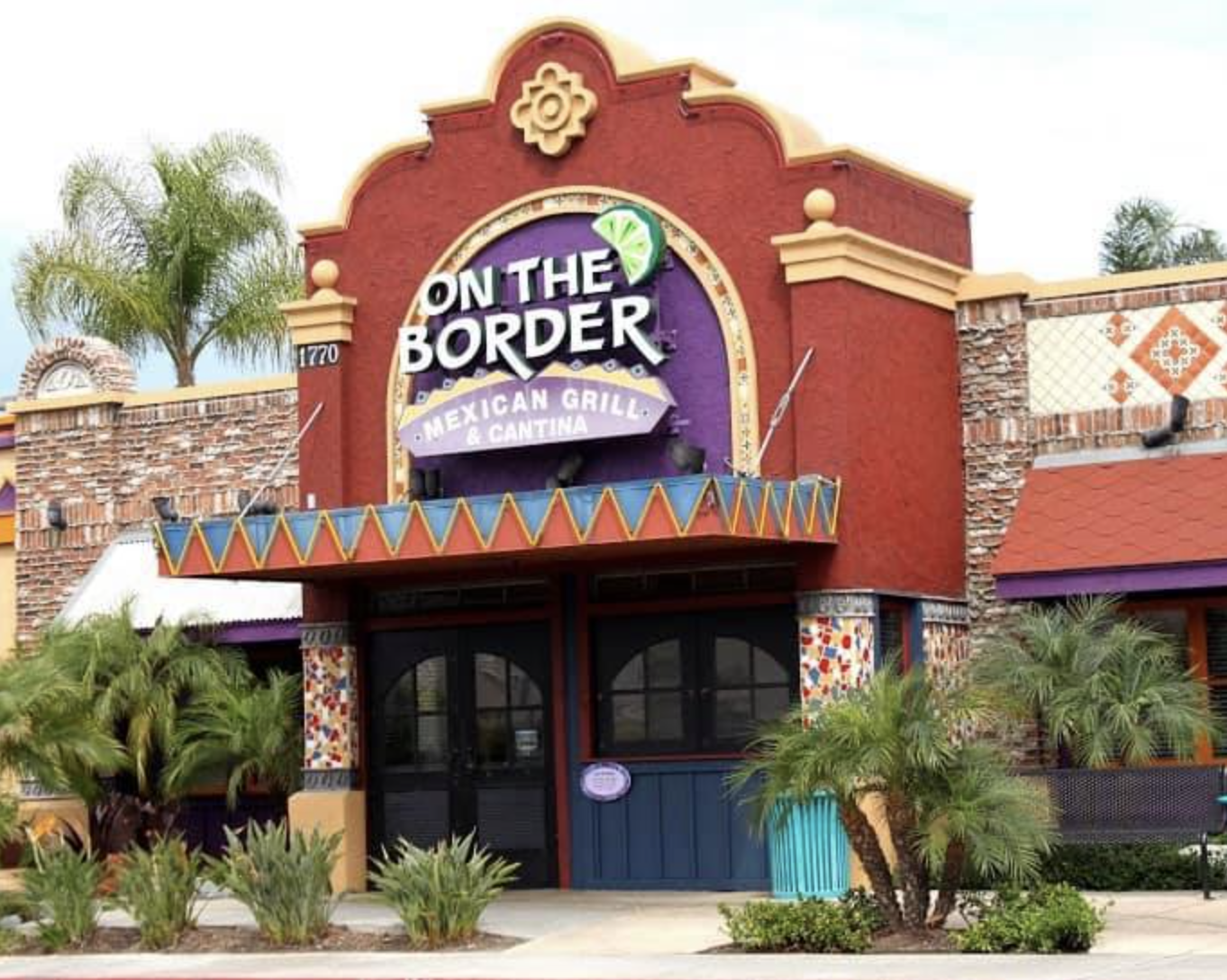
The trajectory of On the Border took a turn in 2010 when Brinker International sold the 160-unit chain to Golden Gate Capital. Subsequent ownership transfers in 2014 to Border Holdings, linked to Argonne Capital Group, marked another chapter in the brand's history. In the midst of these transitions, Utz's acquisition of the rights to manufacture chips and dips under the On the Border brand in 2020 added another layer to the company's operations.
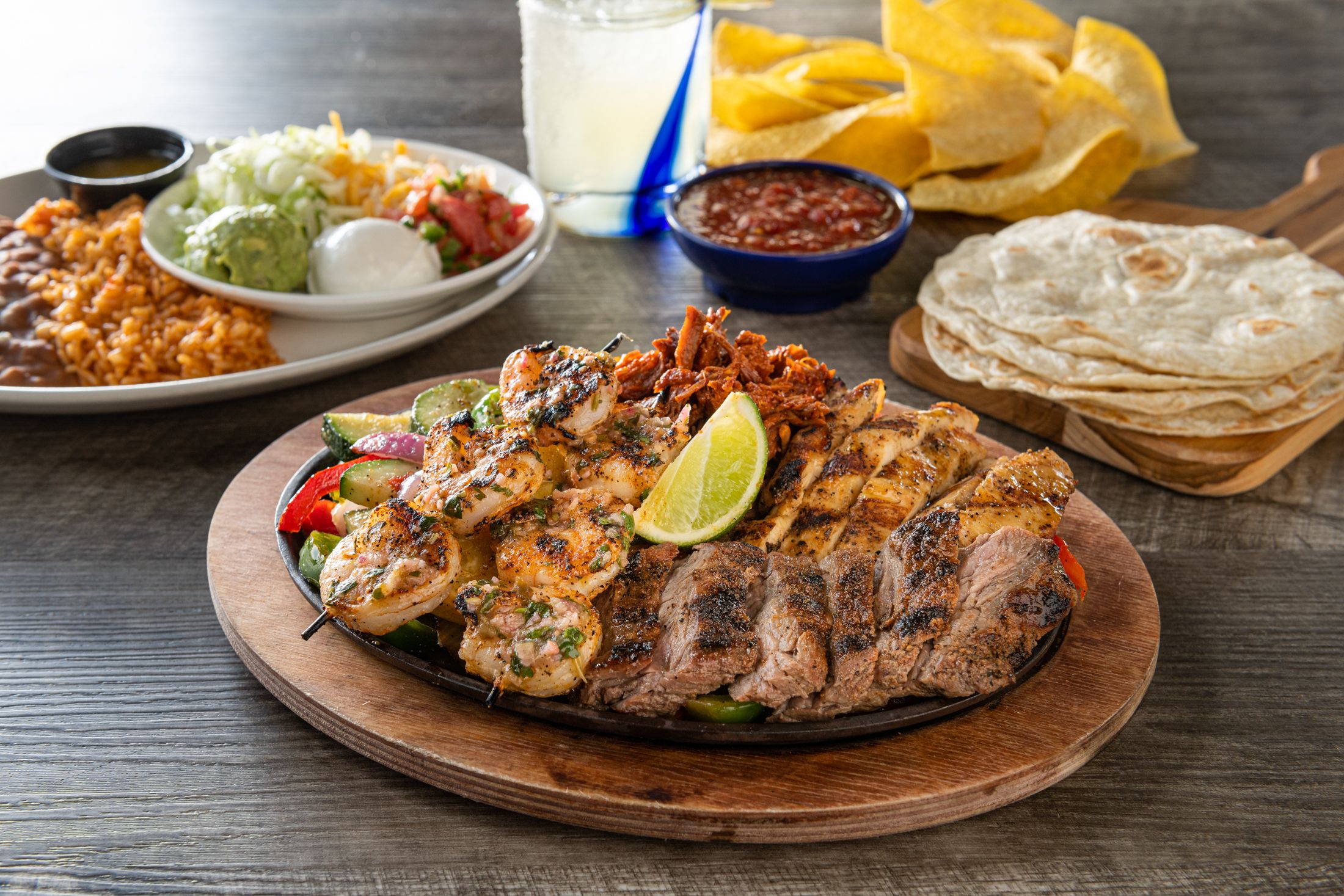
Despite its early success, On the Border faced challenges associated with macroeconomic factors impacting the restaurant industry. Rising menu prices outpacing grocery costs led to a decline in consumer dining out habits. Moreover, wage increases outstripping the company's ability to adjust prices added further strain on profit margins. Issues with workforce recruitment and retention further hampered operational efficiency, culminating in the closure of 40 underperforming locations in February 2021.
The financial strain on On the Border became evident with over $25 million spent on leases, with a significant portion allocated to underperforming locations. As the company grappled with liquidity challenges, it resorted to delaying vendor and rent payments to manage cash flow. This dire situation led to landlords and vendors taking drastic measures, including store closures and repossessions, exacerbating the operational hurdles. Consequently, the chain had to file for Chapter 11 bankruptcy to navigate its financial turmoil.
Looking ahead, On the Border aims to navigate its bankruptcy proceedings with the support of CrossFirst, its expected debtor-in-possession lender. By initiating a stalking horse asset purchase agreement and inviting competitive bids through a robust marketing process, the company seeks a path to financial recovery. As bidding procedures are set to commence in early April, the future of On the Border hinges on strategic restructuring and alignment with evolving market demands.