
How to Build a Strong Restaurant Brand
A strong restaurant brand comes from clear values, consistent experiences, visual identity, customer focus, digital presence, and trusted service.
marketing ideas
May 5, 2026
A strong restaurant brand comes from clear values, consistent experiences, visual identity, customer focus, digital presence, and trusted service.
May 5, 2026

Discover how constant last-minute schedule changes create workplace stress, lower employee morale, and reduce productivity. Learn why structured scheduling improves retention, communication, and overall business efficiency.
May 7, 2026

Optimize your restaurant google business profile with accurate details, posts, Q&A, attributes, reviews, and tracking to increase visibility and orders.
May 6, 2026

Clopen shifts may seem efficient, but they reduce rest, increase fatigue, and harm employee performance. Learn how back-to-back shifts impact morale, productivity, and retention and how better scheduling can improve team well-being and business outcomes.
May 6, 2026
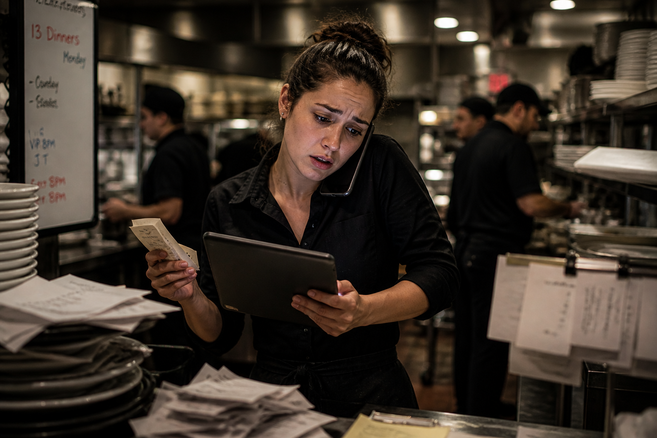
Overloading top employees may boost short-term results but leads to burnout and turnover. Learn warning signs, business impact, and how to balance workloads effectively.
May 5, 2026

Discover operational insights, business strategies, and customer experiences drawn from Cappys Cafe in Newport Beach. Learn how this iconic breakfast and lunch spot thrives through community connection, technology, and unique hospitality.
May 5, 2026

Struggling with employee retention? Learn how unpredictable scheduling drives turnover and what you can do to create a more stable workforce.
May 4, 2026

GoTo Foods blends seven iconic brands to push snacking as a growth engine, expanding dayparts, off-premise channels, and co-branding.
May 3, 2026
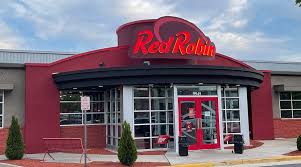
Mark Graff steps in as CFO to anchor Red Robin's First Choice turnaround with disciplined financial leadership.
May 3, 2026

Photo by Graphe Tween on Unsplash
Doinita Leahu redefines hospitality leadership with practical training, mentorship, and people-first systems guiding Vicious Biscuit’s growth.
May 3, 2026
Discover how constant last-minute schedule changes create workplace stress, lower employee morale, and reduce productivity. Learn why structured scheduling improves retention, communication, and overall business efficiency.
In fast-moving industries like restaurants, retail, and hospitality, flexibility is often seen as essential. Managers frequently adjust schedules to respond to changing customer demand, unexpected employee absences, or operational challenges. At first glance, this flexibility seems like a strength. It allows businesses to adapt quickly and keep operations running smoothly.
However, when last-minute schedule changes become routine rather than occasional, they begin to create more problems than they solve. What starts as a practical solution can quickly turn into a source of stress, confusion, and inefficiency for both employees and the business.
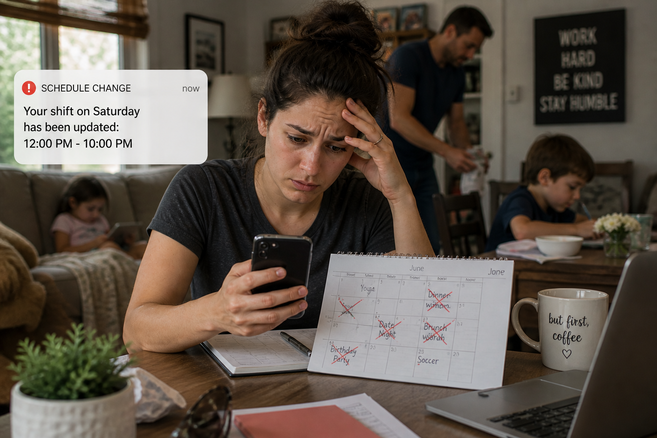
Frequent last-minute adjustments whether it’s adding a shift, cancelling one, or changing shift timings can significantly disrupt employees’ lives. When employees receive sudden updates, they are forced to rearrange personal commitments at short notice. Plans with family, appointments, or even essential rest time can be affected.
Over time, this constant disruption creates frustration and a sense of instability. Employees begin to feel like their time is not their own, and that they must always be ready to adjust at a moment’s notice. This leads to a workplace culture where employees feel like they are always “on call,” even when they are not officially scheduled to work.
A lack of schedule stability has a direct impact on employee well-being. When people don’t have control over their time, it creates stress and dissatisfaction. Employees may start to feel mentally drained from constantly adjusting their plans. This ongoing uncertainty makes it difficult to maintain a healthy work-life balance.
As a result, employees may begin to withdraw. They might decline additional shifts, respond less enthusiastically to requests, or disengage from their work altogether. It’s important to understand that this behavior is not a sign of laziness or lack of commitment. It is a natural response to an unpredictable system that makes it difficult for employees to plan their lives.
When last-minute changes become excessive, the impact is usually visible across the team. Some clear warning signs include -
While last-minute changes may seem like a quick way to solve immediate problems, they often create long-term inefficiencies. Managers end up spending a significant amount of time adjusting schedules, contacting employees, and resolving conflicts. This takes attention away from more important tasks like improving operations or enhancing customer experience.
Frequent changes also make coordination within the team more difficult. Employees may not be fully prepared for their shifts, and communication gaps can lead to confusion during busy periods. Perhaps the biggest cost is employee turnover. When employees feel that their time is not respected, they are more likely to leave. Replacing and training new staff requires time, effort, and resources, all of which impact the business.
Flexibility is important, but without structure, it leads to chaos. A well-organized scheduling system provides a foundation that allows flexibility to exist without creating instability. When employees know their schedules in advance and can rely on them, they feel more secure and in control.
This doesn’t mean schedules should never change. Instead, it means changes should be the exception, not the norm. Employees are far more willing to accommodate occasional adjustments when they trust that their time is generally respected.
Reducing last-minute changes starts with better planning and communication. Begin by creating schedules well in advance, ideally one to two weeks ahead. This allows employees to plan their time and reduces the likelihood of conflicts. Use historical data to anticipate staffing needs more accurately.
By understanding patterns in customer demand, you can create schedules that require fewer adjustments. When changes are unavoidable, communicate them as early as possible. Clear and transparent communication helps maintain trust and reduces frustration. You can also use scheduling tools or software to improve visibility. These tools allow employees to view updates in real time, request changes, and stay informed without confusion.
When scheduling becomes more structured and predictable, the benefits are immediate. Employees feel more in control of their time, which leads to higher job satisfaction and better work-life balance. They are more likely to show up prepared, focused, and motivated.
Team coordination also improves, as everyone has a clear understanding of their roles and responsibilities. This creates a smoother and more efficient work environment. From a business perspective, reduced scheduling chaos means fewer disruptions, better productivity, and stronger team performance.
Last-minute schedule changes may seem like a quick fix, but when overused, they create long-term chaos. They disrupt employees’ lives, weaken morale, and reduce overall efficiency. The solution isn’t to eliminate flexibility, it’s to balance it with structure and planning.
By creating more stable schedules and improving communication, you can build a work environment that supports both your employees and your operations. Because when employees feel that their time is respected, they are far more likely to stay engaged, perform well, and contribute to the success of your business.