
FT Undercover: Hotworx, YogaSix, Barre3 in Twin Cities
FT Undercover tests Hotworx, YogaSix and Barre3 in the Twin Cities, highlighting heat, coaching, pricing, and the FTC action involving Xponential Fitness.
franchising
Jun 4, 2026
FT Undercover tests Hotworx, YogaSix and Barre3 in the Twin Cities, highlighting heat, coaching, pricing, and the FTC action involving Xponential Fitness.
Jun 4, 2026
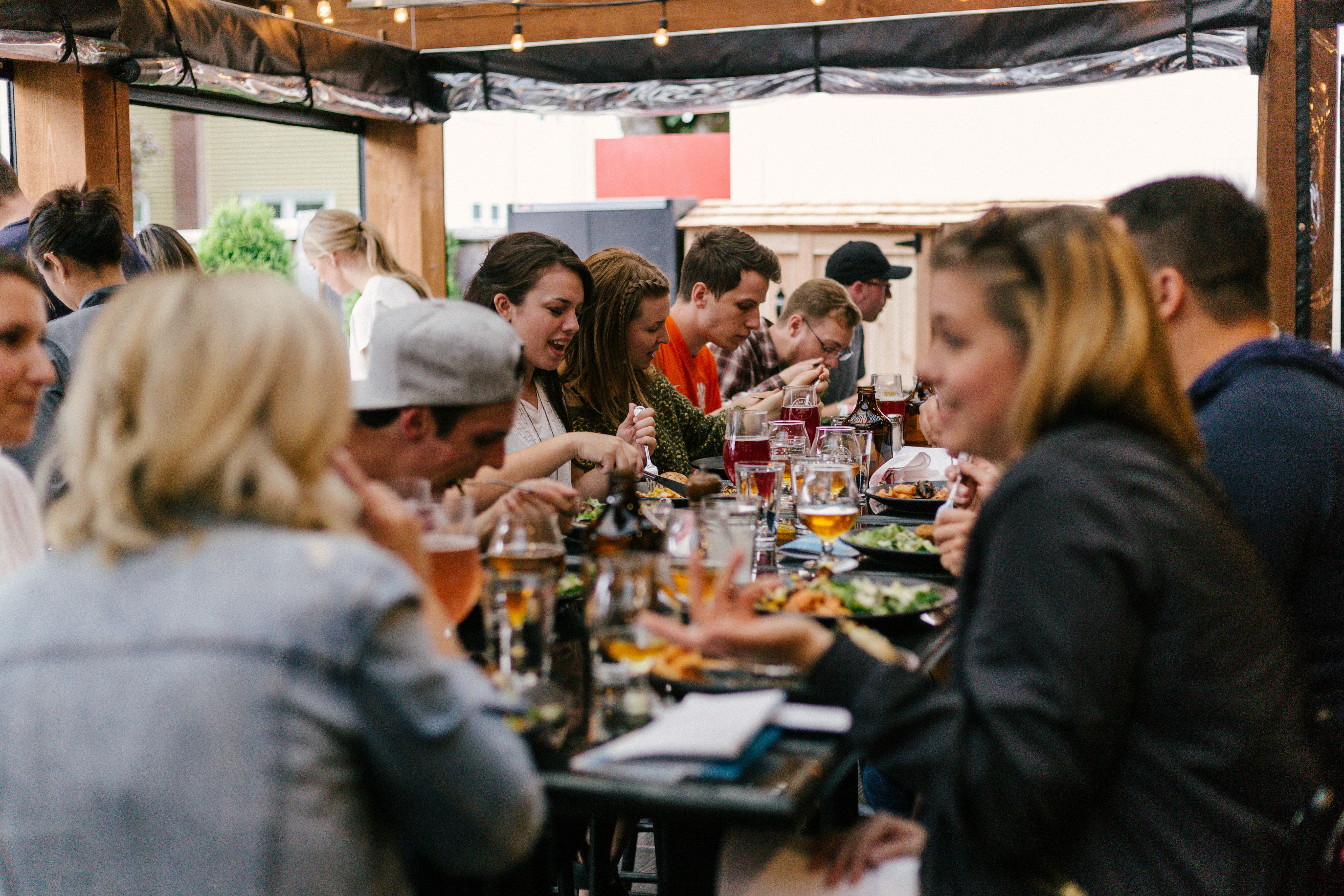
Qdoba secures $435M via whole business securitization to refinance debt, fund remodels and digital makelines, and fuel its push to ~2,000 units.
Jun 4, 2026
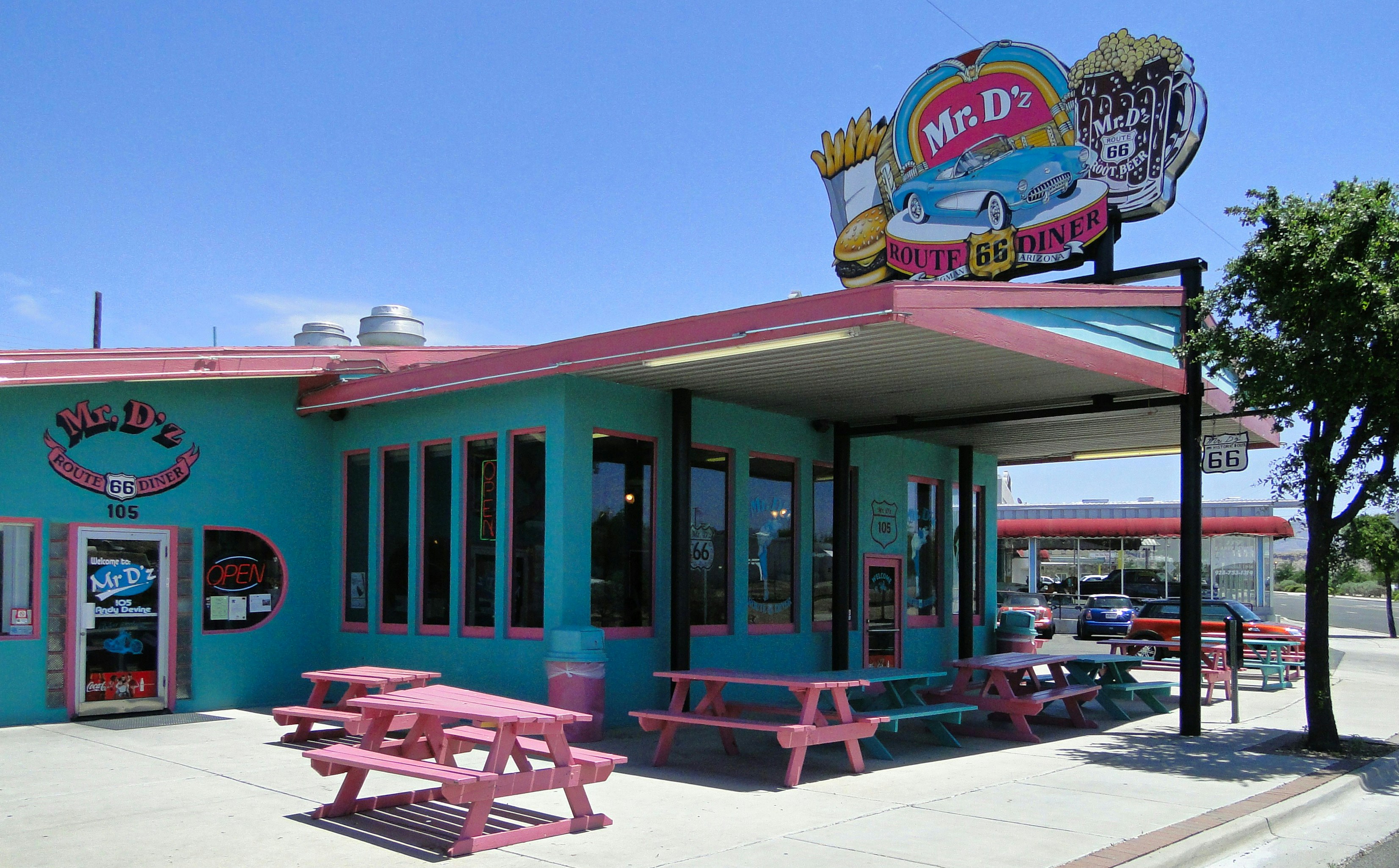
To file a clean, on-deadline restaurant trade piece, I need structured facts: names, dates, quotes, numbers, locations, timing, metrics, constraints, and verification.
Jun 4, 2026

Arts-first preschool chain Building Kidz continues U.S. expansion while facing a wrongful death suit and appealing a California penalty.
Jun 4, 2026

How to choose and configure equipment for consistent, scalable restaurant operations, with market data, AI trends, and energy-efficiency considerations.
Jun 4, 2026

Ice cream brand Salt & Straw explores a sale valuing it at $200M, tapping Piper Sandler as advisor while emphasizing culture, growth, and majority ownership.
Jun 4, 2026

Five Iron Golf launches cash simulator tournaments with a live app leaderboard, varied formats, and a $20,000 prize pool, backed by a Series E as national rollout accelerates.
Jun 4, 2026

Indoor golf franchises scale as Callaway trims Topgolf, automation boosts margins, and demand accelerates across U.S. simulator chains.
Jun 4, 2026
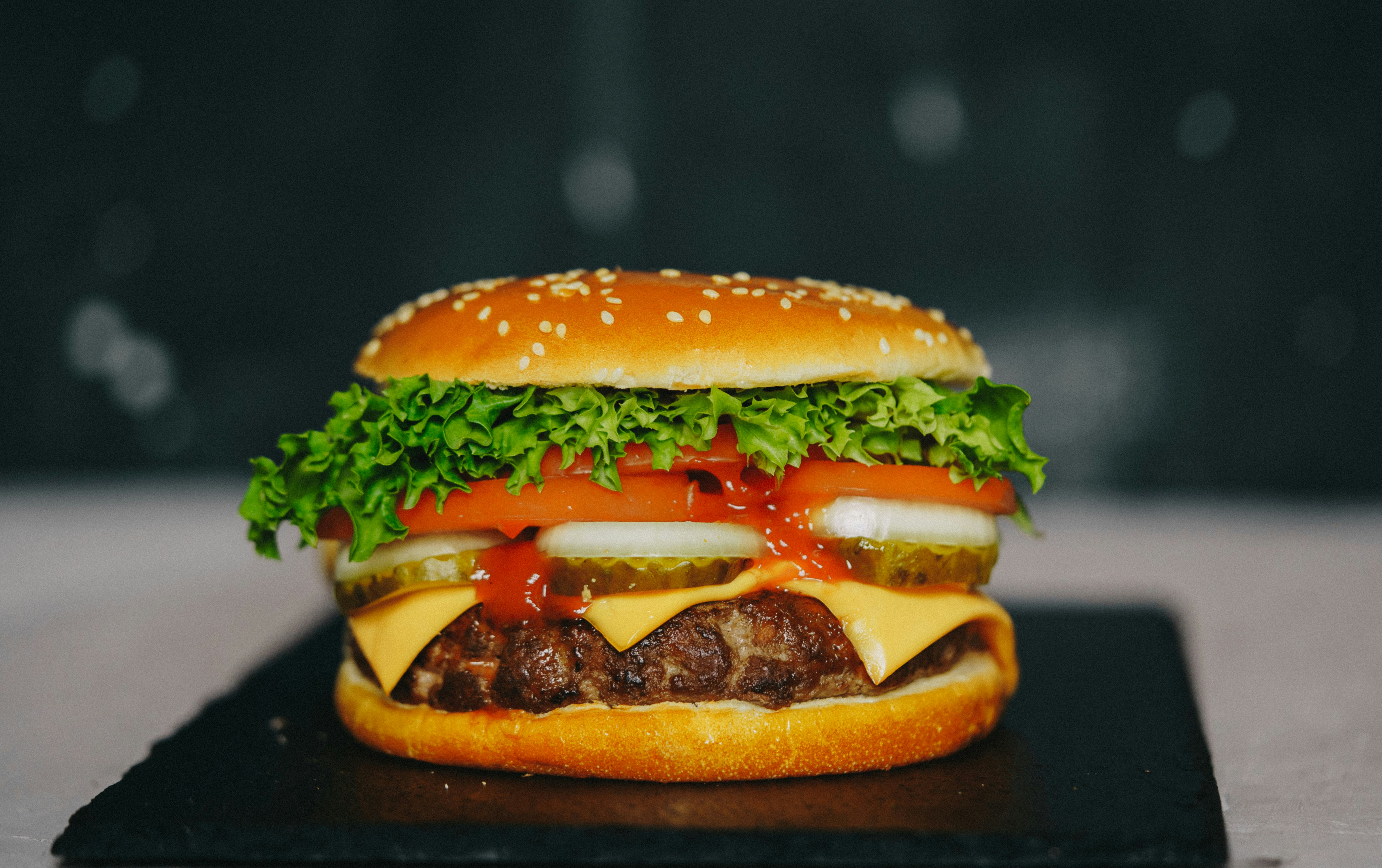
Big chains blend global flavors with familiar formats to drive traffic. Case studies from Shake Shack, Bobby’s, and Rōti, plus trend and performance data.
Jun 4, 2026
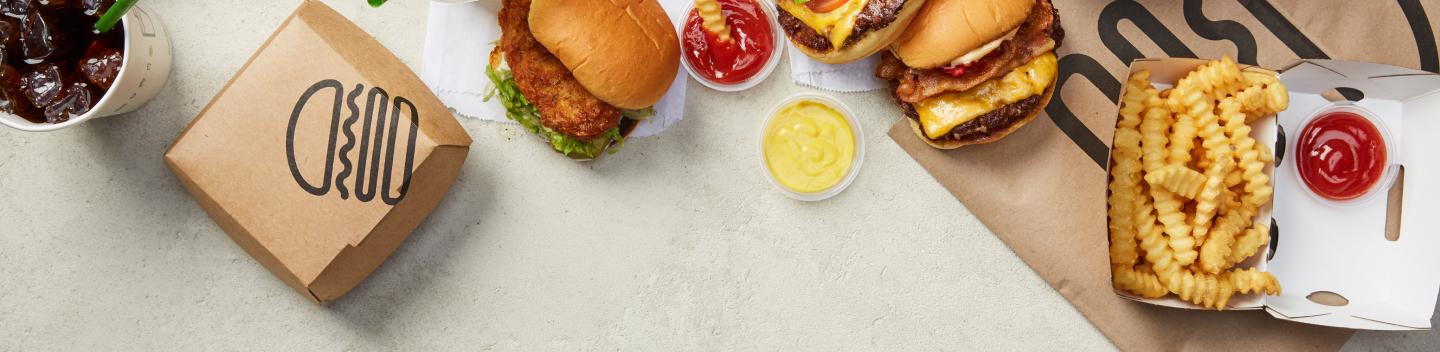
Shake Shack lowered Q2 and full-year guidance amid a value war and macro headwinds; shares fell 9% as analysts cut targets and the company tightened openings.
Jun 4, 2026

Unlock Exclusive Access To Webinars, Events, And The Latest News For Free!
Explore the changing landscape of restaurant delivery services, the challenges faced by third-party aggregators like Grubhub, DoorDash, and Postmates, and the implications of lawsuits on consumer experience and restaurant operations.

Photo by Miguel A Amutio
The restaurant delivery landscape has significantly evolved over the years, with a surge in demand for convenient food delivery options. As consumer preferences shift towards online ordering and meal delivery, restaurants have adapted by embracing delivery services to cater to a broader customer base. The rise of on-demand delivery platforms has revolutionized the way diners experience their favorite restaurants, offering the convenience of enjoying meals from the comfort of their homes.

Photo by Miguel A Amutio
Third-party aggregators like Grubhub, DoorDash, and Postmates have played a pivotal role in connecting restaurants with customers seeking delivery services. However, these aggregators have faced criticism and legal challenges due to their business practices. The controversial practice of adding non-partner restaurants without consent not only led to consumer confusion but also created operational challenges for restaurants ill-equipped to handle delivery orders. This strategy, aimed at expanding their networks rapidly, backfired and resulted in backlash from both restaurants and customers.

Photo by Miguel A Amutio
The unauthorized listing of restaurants on delivery platforms like Grubhub has raised significant legal issues, leading to lawsuits and settlements. Restaurants allege that being added to these platforms without permission not only harmed their reputation but also resulted in a loss of sales and operational difficulties. The confusion caused by incorrect menu items or mismanagement of orders has had tangible negative effects on the businesses involved. Such actions not only undermine the trust between restaurants and aggregators but also impact the overall dining experience for consumers.

Photo by Miguel A Amutio
The repercussions of unauthorized listings on delivery platforms resonate beyond legal implications. Consumer experience is directly impacted when restaurants are added without their consent, leading to confusion over menu availability and potential order mishaps. For restaurants, operational challenges emerge as they grapple with managing unforeseen delivery requests and maintaining quality standards. Such incidents not only tarnish the image of the aggrieved restaurants but also highlight the need for stricter regulations to protect both businesses and consumers in the rapidly growing food delivery market.