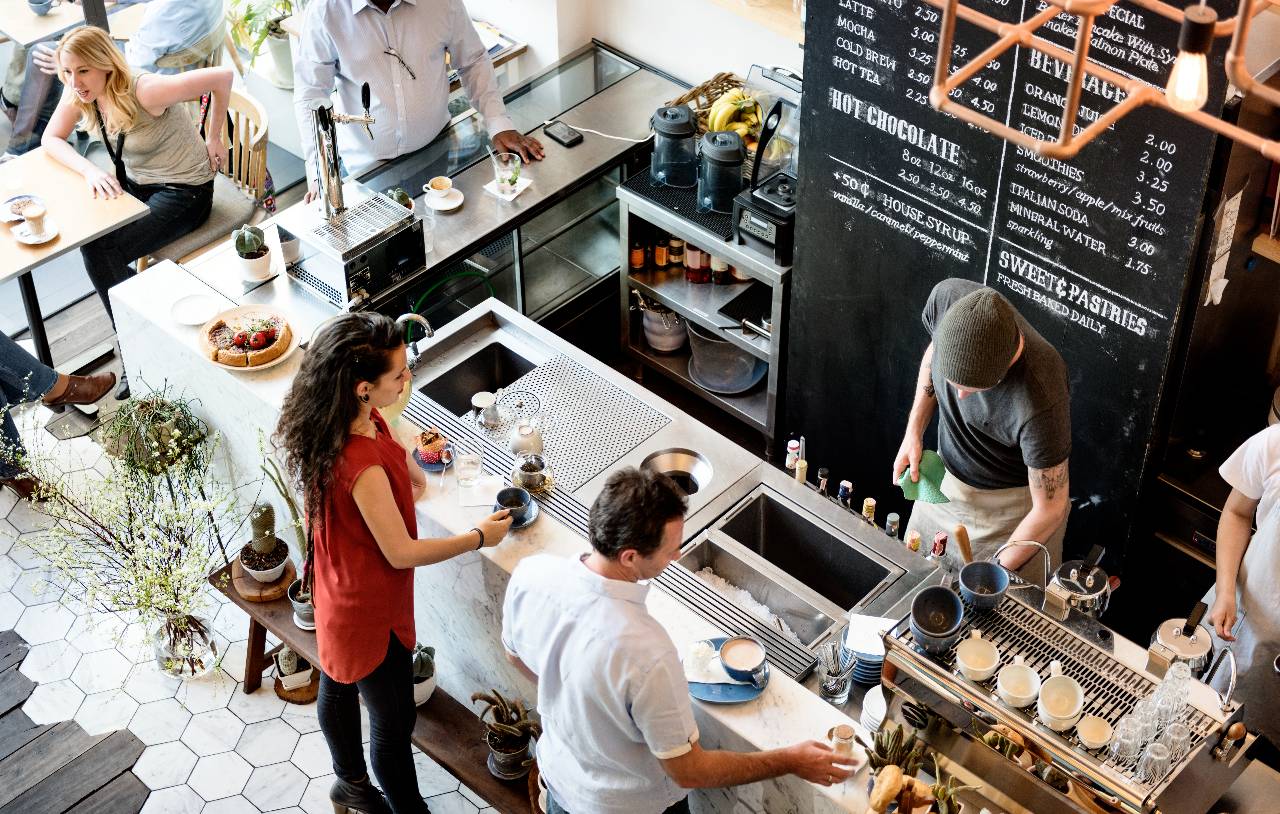
How Much Does It Cost to Open a Coffee Shop in 2026?
Opening a coffee shop in 2026 requires careful cost planning across rent, equipment, labor, technology, menu strategy, marketing, and sustainability.
operations
May 15, 2026
Opening a coffee shop in 2026 requires careful cost planning across rent, equipment, labor, technology, menu strategy, marketing, and sustainability.
May 15, 2026
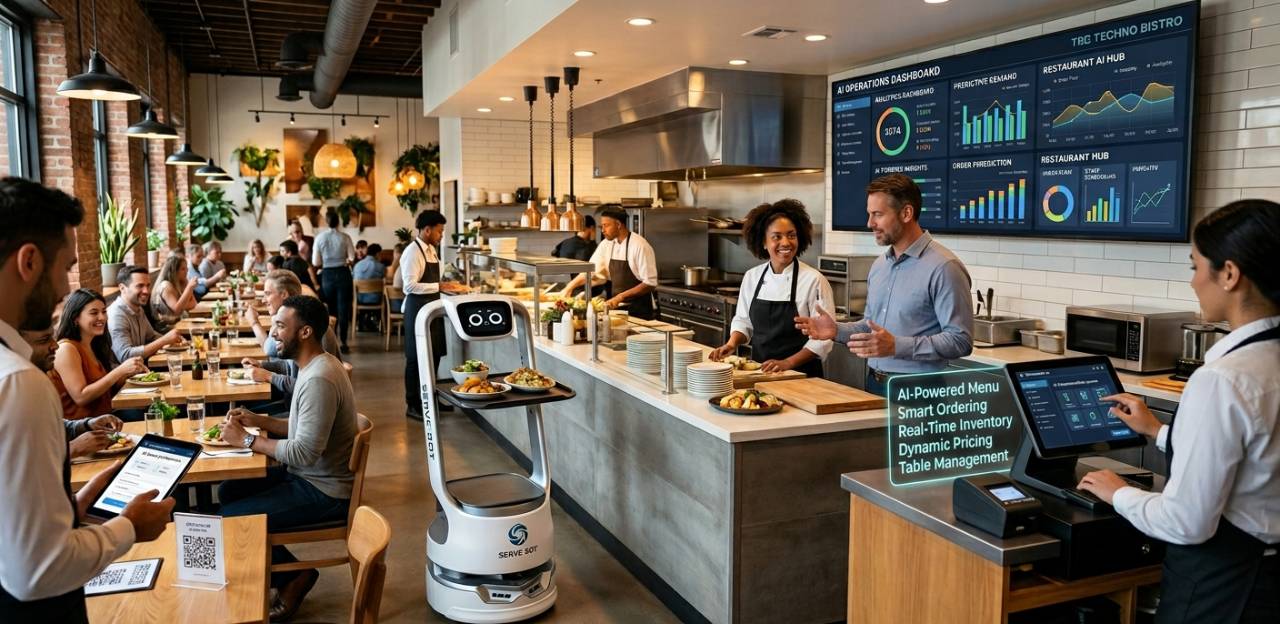
This AI playbook covers restaurant tools for voice ordering, staffing, compliance, menu pricing, inventory, marketing, ChatGPT prompts, and SEO.
May 15, 2026
Hardee’s giant Boddie-Noell inks 31-unit Scooter’s Coffee deal for NC and VA, leveraging drive-thru growth and local roots with rollout over 12–18 months.
May 15, 2026
Wingstop turns match weeks into a multi-sensory festival, aligning bold pop-ups with World Cup energy to build brand affinity and measurable momentum.
May 15, 2026
The parent company behind Dunkin', Buffalo Wild Wings, and Arby's has filed for an IPO a move that could reshape how Wall Street views the restaurant sector.
May 15, 2026
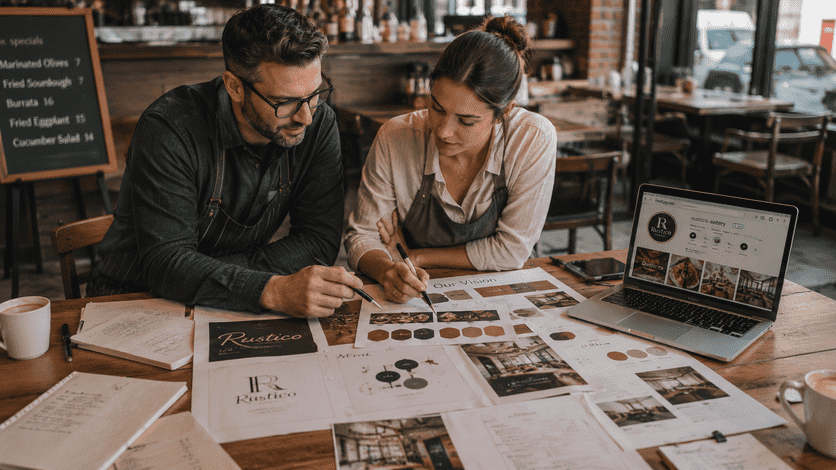
Learn how to develop a memorable restaurant brand identity that stands out in a crowded market, attracts loyal customers, and drives repeat business with actionable strategies and affordable tools.
May 15, 2026
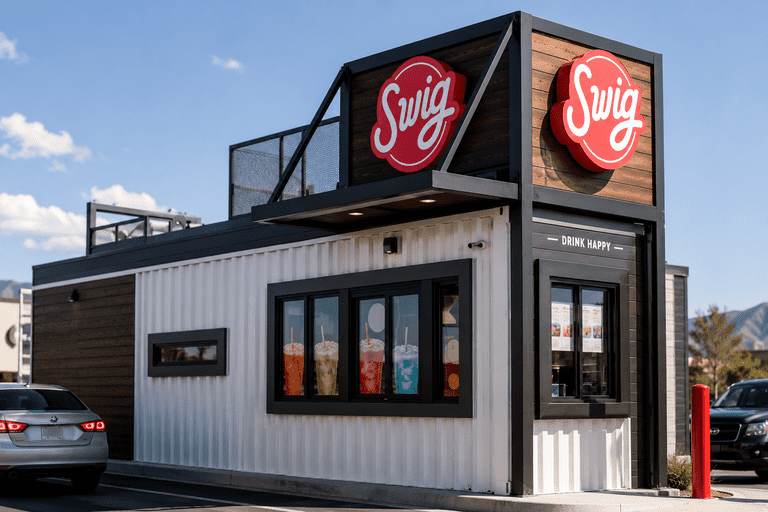
Dirty soda chain Swig is expanding into Colorado through a 10-unit franchise deal, riding a consumer beverage trend that's catching the attention of major QSR players nationwide.
May 15, 2026
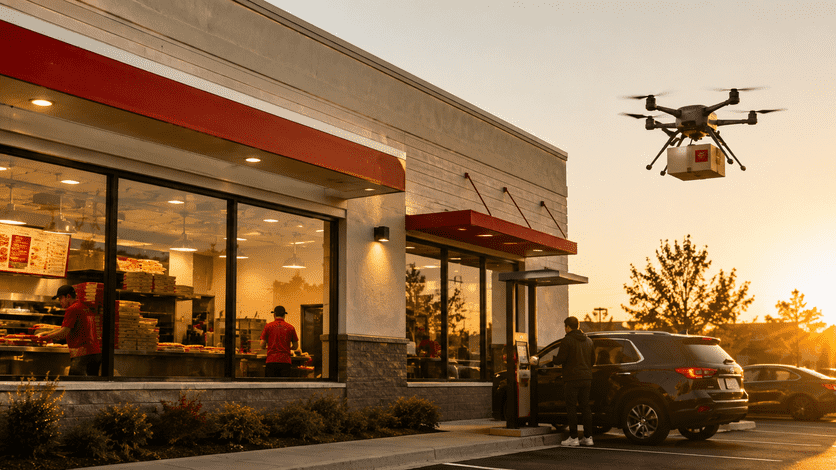
Papa Johns has teamed up with Alphabet's Wing for drone delivery of its new sandwich lineup in parts of Charlotte marking the first partnership of its kind between Wing and a national QSR brand.
May 15, 2026
A warm, expert-led look at McDonald’s Q1 results, menu makeover, and the refranchise question shaping its growth.
May 14, 2026
A reflective look at Habit Ranch, its immersive desert activation, and what it signals for brand loyalty and mindful, experiential dining.
May 14, 2026

Unlock Exclusive Access To Webinars, Events, And The Latest News For Free!
A look at how Texas Roadhouse blends cost discipline, labor stability, and a digital kitchen to sustain growth and guest loyalty.
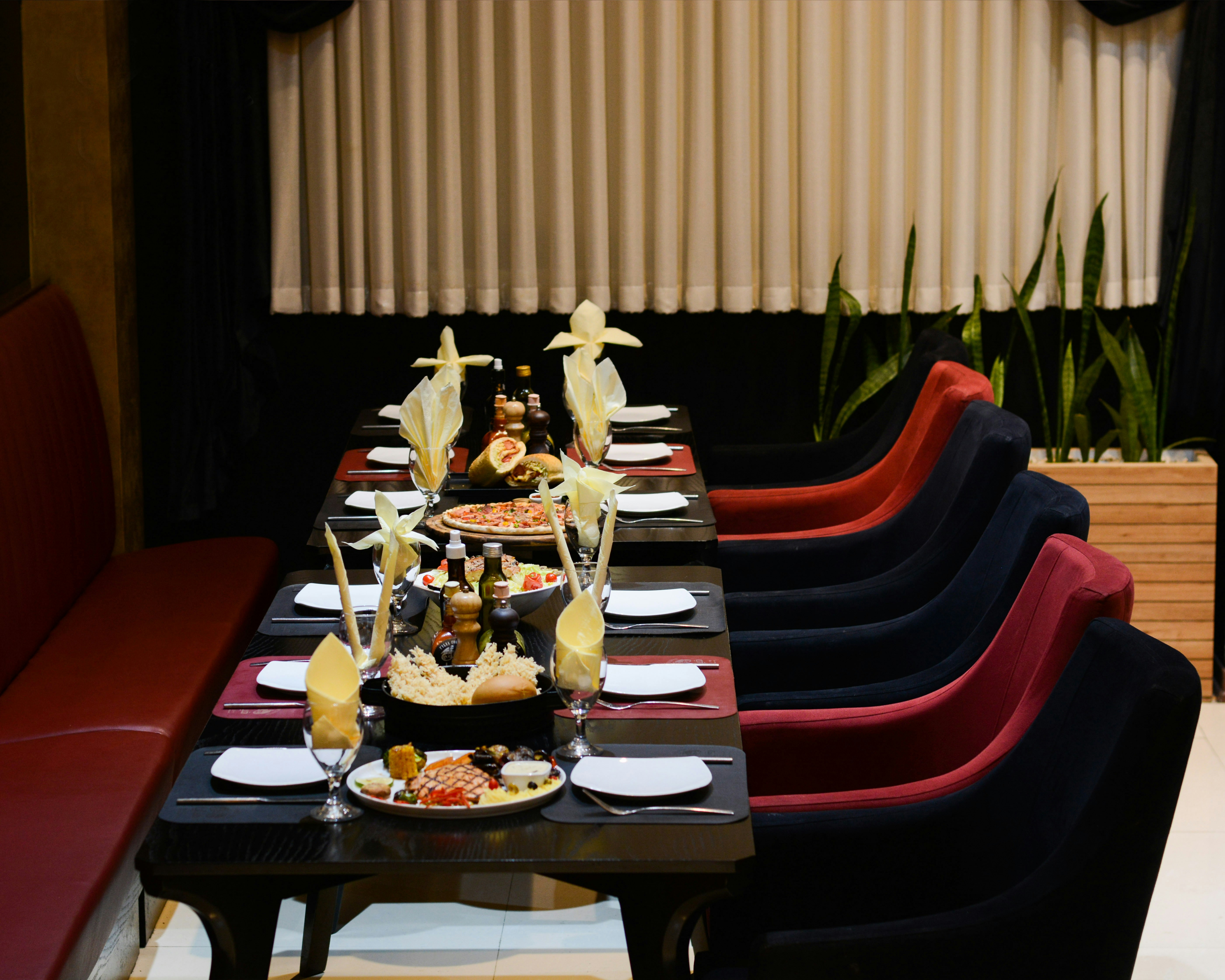
Photo by amin ramezani
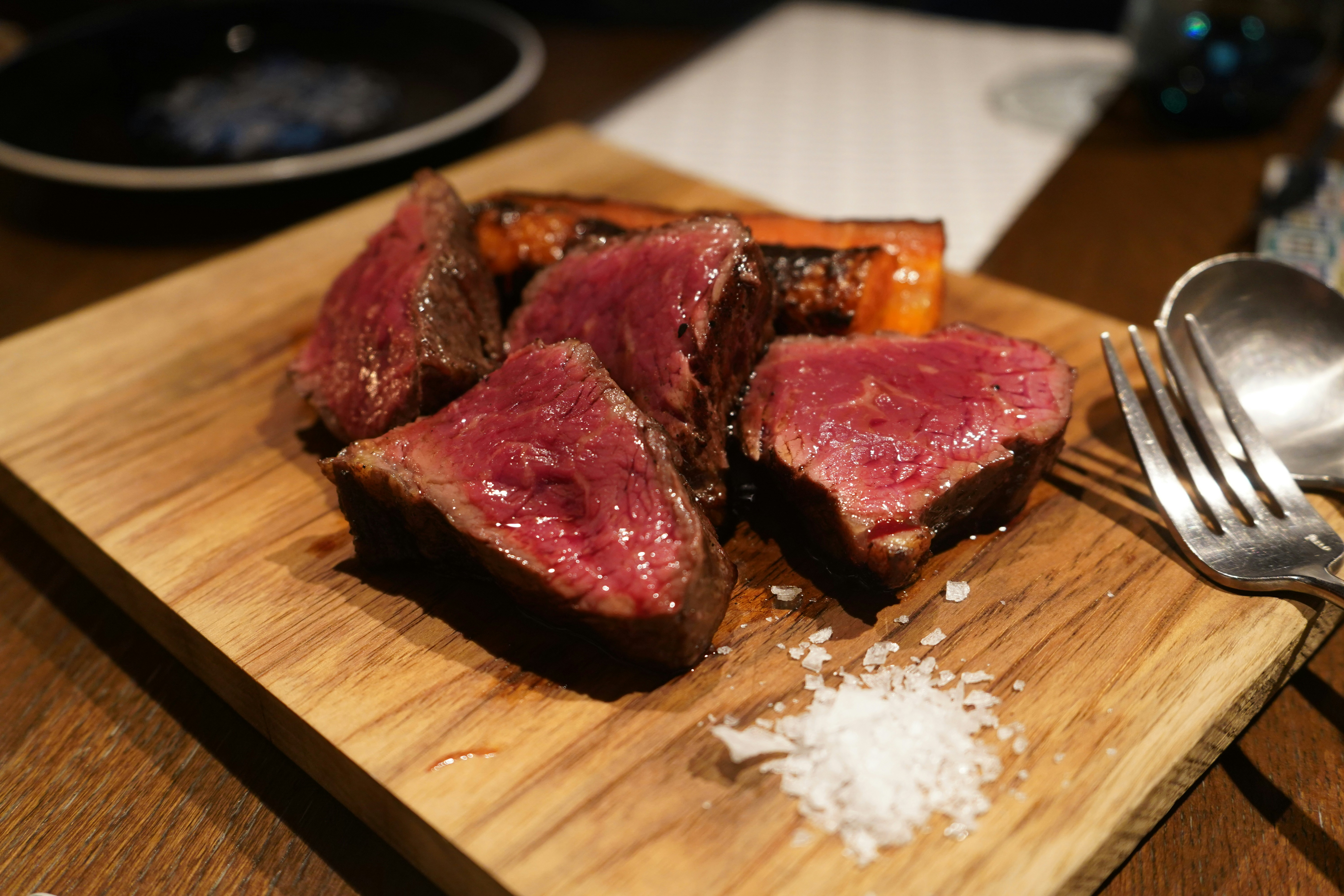
Texas Roadhouse isn’t chasing novelty so much as shaping a balanced, tech-enabled dining experience that supports steady growth in a fluctuating landscape. As the company nears the milestone of its 800th system-wide restaurant, leadership ties momentum to a simple, nourishing recipe: generous portions, dependable quality, and a guest journey that feels thoughtfully streamlined. The most visible part of this evolution is a digital kitchen and Roadhouse Pay—tools designed to synchronize timing, reduce friction, and bring a sense of calm to the kitchen and the table. This isn’t gimmickry; it’s a deliberate upgrade to everyday dining, with rollout planned across most stores by the end of 2025.
The breath of progress is easy to miss in daily visits, but the structure is clear: technology as a backbone for consistency and hospitality, not a flashy add-on.
What stands out in this shift is how labor stability and cost discipline co-create capacity for guests. Fully staffed locations paired with long-tenured teams translate into steadier service and lower training costs—an efficiency target that should compound as digital tools move through more stores. In short, the kitchen and the front of the house become a connected system that supports throughput and a more predictable guest experience, even as other parts of the market wrestle with promotional cycles.
Value-first positioning sits at the center of Texas Roadhouse’s strategy. Rather than lean into heavy pricing promotions, the brand emphasizes generous portions and steady quality to keep traffic robust. This approach is reinforced by a menu that supports perceived value through sizing and consistency, a framing that resonates with guests and helps sustain visits even as competitors chase discounts. The result is a resilient mix of transactions and checks, underpinned by a loyalty base that associates the name with dependable value and memorable portions.
Management notes that the mix of growth has tilted toward entrees, add-ons, and non-alcoholic beverages, while alcohol sales have trended down. This dynamic aligns with broader consumer behavior and supports the brand’s value promise. By leaning into items that contribute to a balanced check and predictable kitchen timing, Roadhouse keeps guests returning for the core experience—reliable quality, generous portions, and a sense that value is baked into every part of the meal.
Costs, Labor, and Tech Levers frame a coherent plan for weathering macro swings. The company highlights lower-than-expected commodity costs aided by floating beef contracts that let it capture favorable market prices in the latter parts of quarters. On the labor front, a strategy of fully staffed locations with long-tenured employees aims to boost productivity and reduce training cycles. Technology anchors this effort: Roadhouse Pay streamlines table-side payments, and a digital kitchen initiative is designed to optimize timing and workflow in back-of-house operations.
By late 2025, the rollout is positioned to reach a broad footprint, with the majority of stores already reporting improved kitchen flow and calmer cooks. The digital kitchen expansion is not merely about speed; it’s about sustaining a high-quality guest experience at scale. When timing, workflow, and payment converge smoothly, service becomes more dependable and capacity grows without sacrificing the care a guest expects from a Texas Roadhouse dining table.
Executive Perspective anchors the narrative in steady fundamentals rather than promotional surges. "Through the first-half of the year, we have not seen a measurable impact on our overall business from these issues. Our guests continue to recognize the quality and value we offer and do not appear to be changing their dining habits." said Morgan, underscoring a belief in enduring value as a differentiator. The team ties resilience to a mix of strong core items, consistent service, and a loyalty loop that rewards repeat visits.
Meanwhile, Bailen points to the negative shift in the alcohol mix as part of broader market patterns, and Monroe notes growth in entrees, add-ons, and soft beverages—evidence that the value engine is broadening beyond the basics.
Taken together, these statements paint a picture of a company that leans into fundamentals—value, consistency, and loyalty—while quietly integrating tech-enabled efficiency to support growth. The leadership narrative is less about chasing headlines and more about a deliberate, thoughtful path to scale that keeps the guest at the center of every decision.
Financial Momentum and milestones highlight a trajectory of growth as Texas Roadhouse expands and deepens its digital toolkit. The company’s footprint neared 800 restaurants across a broad geography, and quarterly results continued to show strength in transactions and average checks. The emphasis is on a balanced tempo: expanding at a deliberate pace while ensuring that the front and back of the house operate as a single, efficient system. The digital kitchen and Roadhouse Pay technologies are positioned to support not only throughput but a more consistent guest experience as the brand leans into value and efficiency.
Industry signals point to continued pressure on certain beverage categories and promotional activity, even as some chains ramp up discounts. Commodity cost dynamics remain a watch item, with projected inflation in the mid-single digits for 2025 and exposure to floating rates for a portion of costs. Beef prices could remain a headwind into 2026, tempering margin expansion even as Roadhouse continues to harness value-based demand and efficiency gains. In this context, the company’s blend of cost control, labor stability, and technology looks well-positioned to navigate a shifting landscape.