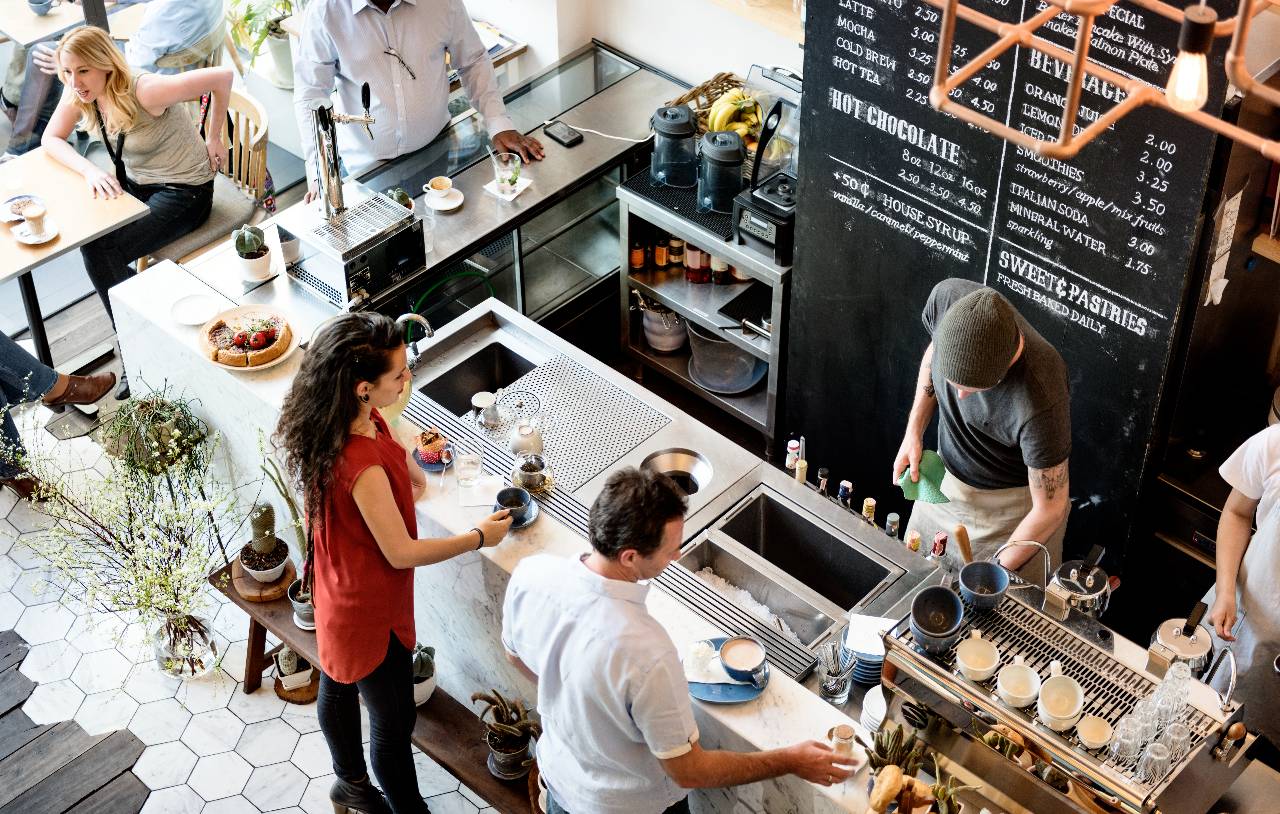
How Much Does It Cost to Open a Coffee Shop in 2026?
Opening a coffee shop in 2026 requires careful cost planning across rent, equipment, labor, technology, menu strategy, marketing, and sustainability.
operations
May 15, 2026
Opening a coffee shop in 2026 requires careful cost planning across rent, equipment, labor, technology, menu strategy, marketing, and sustainability.
May 15, 2026
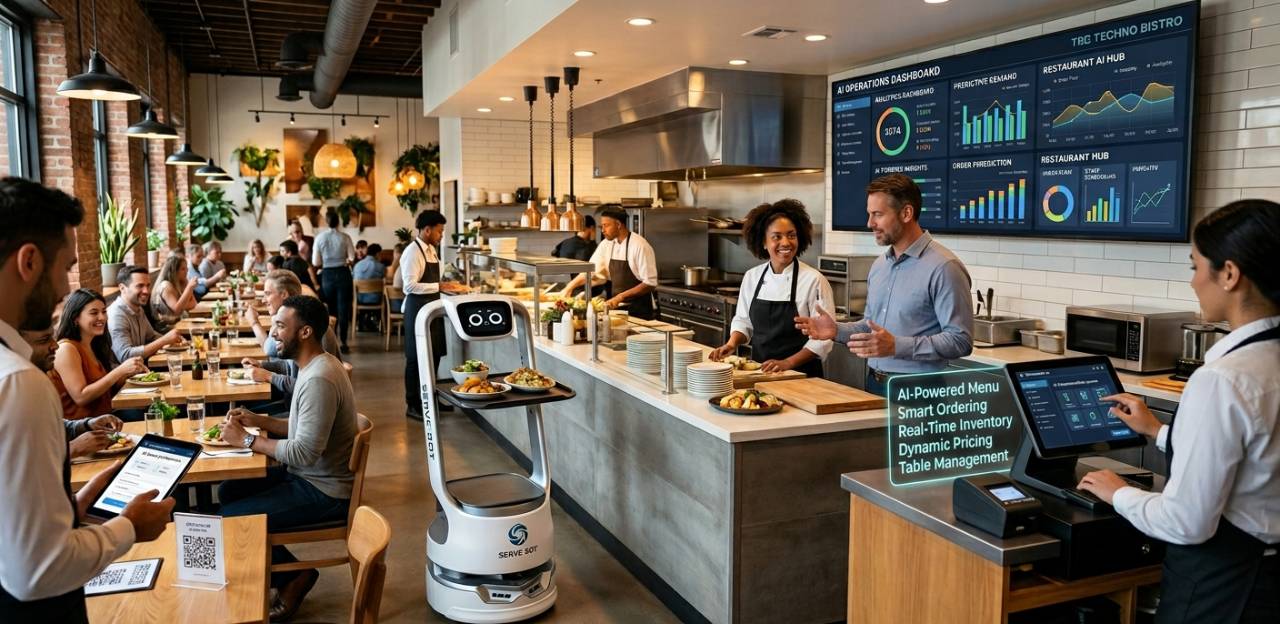
This AI playbook covers restaurant tools for voice ordering, staffing, compliance, menu pricing, inventory, marketing, ChatGPT prompts, and SEO.
May 15, 2026
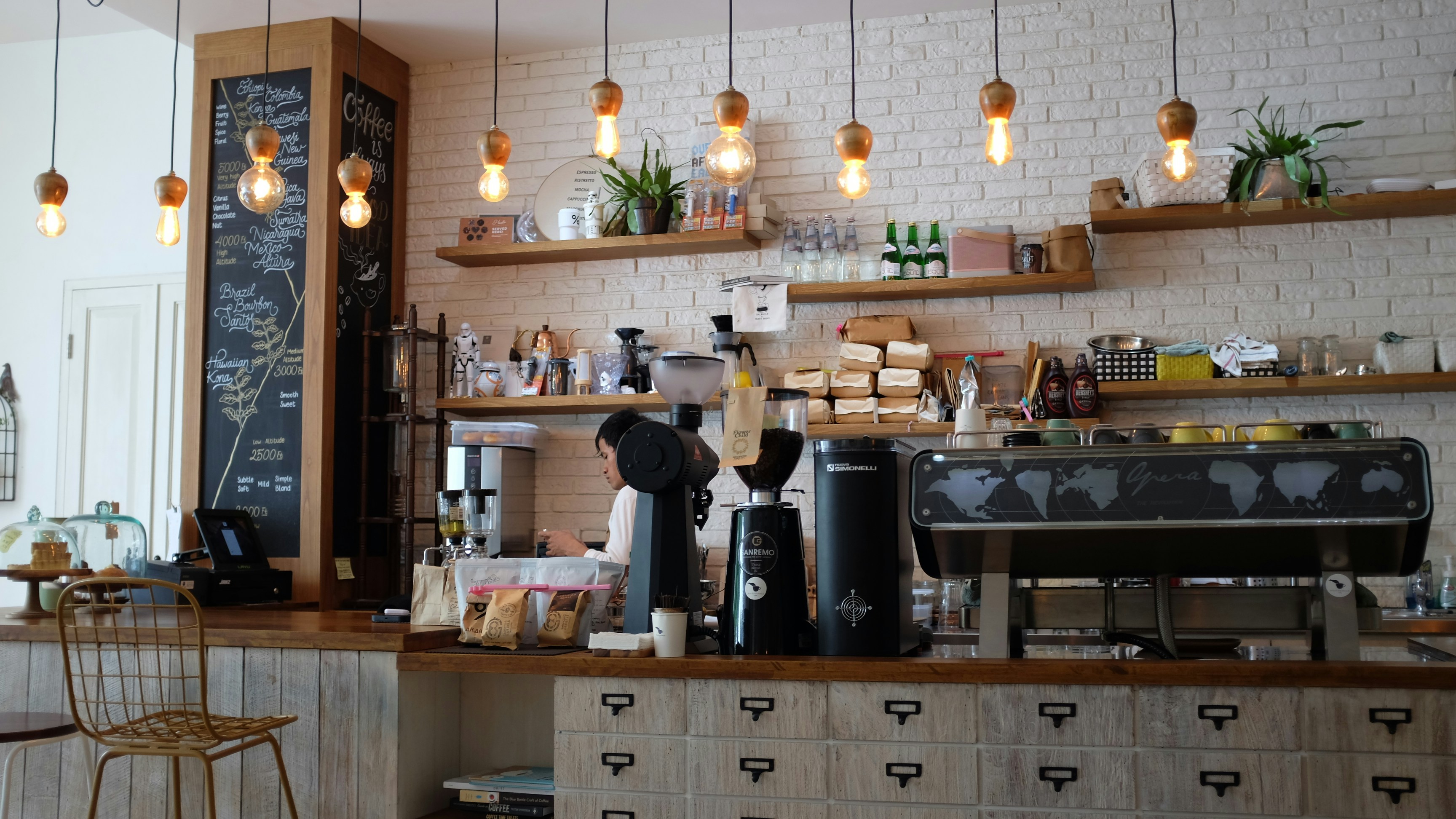
Hardee’s giant Boddie-Noell inks 31-unit Scooter’s Coffee deal for NC and VA, leveraging drive-thru growth and local roots with rollout over 12–18 months.
May 15, 2026
Wingstop turns match weeks into a multi-sensory festival, aligning bold pop-ups with World Cup energy to build brand affinity and measurable momentum.
May 15, 2026
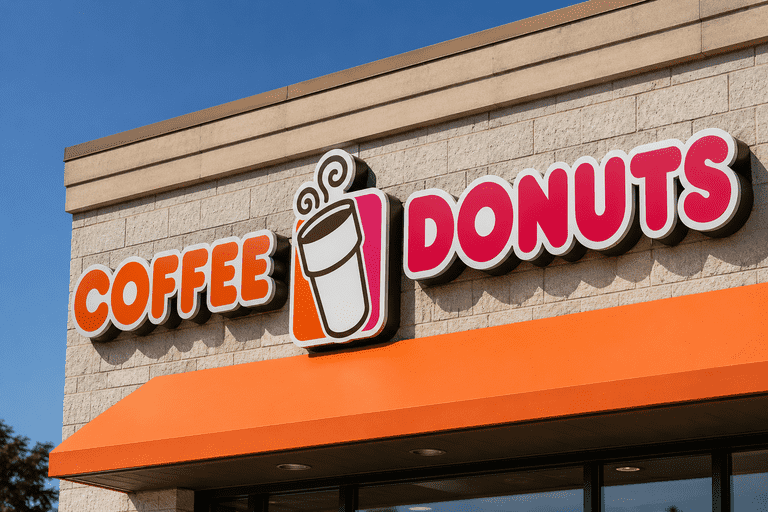
The parent company behind Dunkin', Buffalo Wild Wings, and Arby's has filed for an IPO a move that could reshape how Wall Street views the restaurant sector.
May 15, 2026
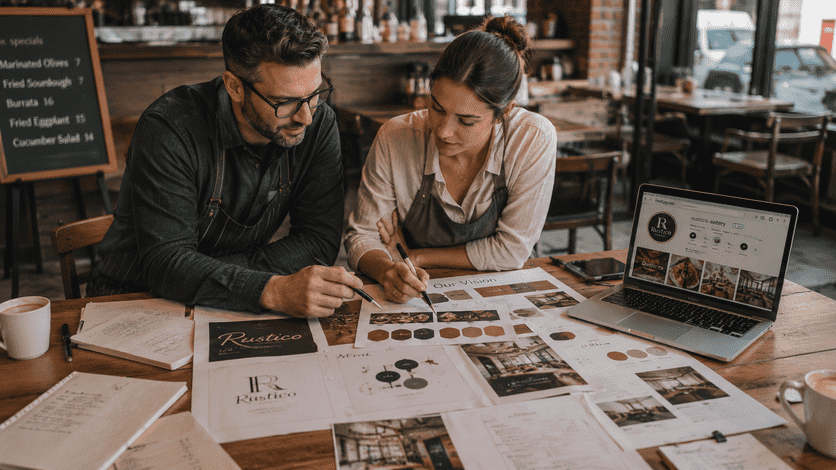
Learn how to develop a memorable restaurant brand identity that stands out in a crowded market, attracts loyal customers, and drives repeat business with actionable strategies and affordable tools.
May 15, 2026
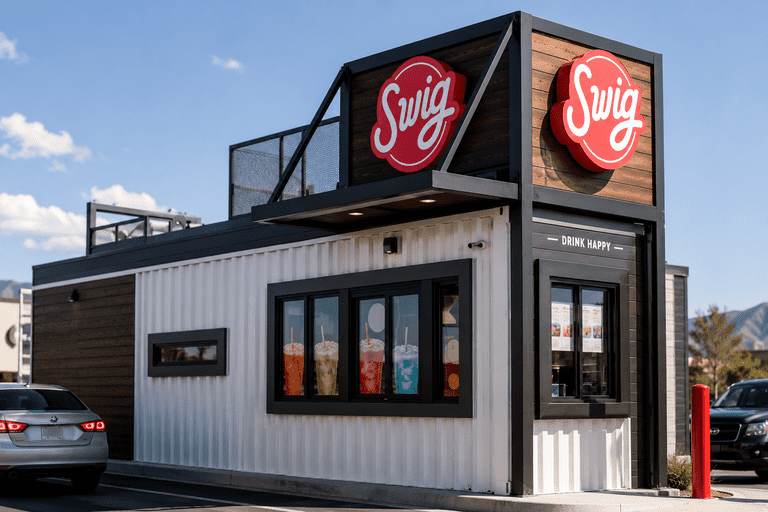
Dirty soda chain Swig is expanding into Colorado through a 10-unit franchise deal, riding a consumer beverage trend that's catching the attention of major QSR players nationwide.
May 15, 2026
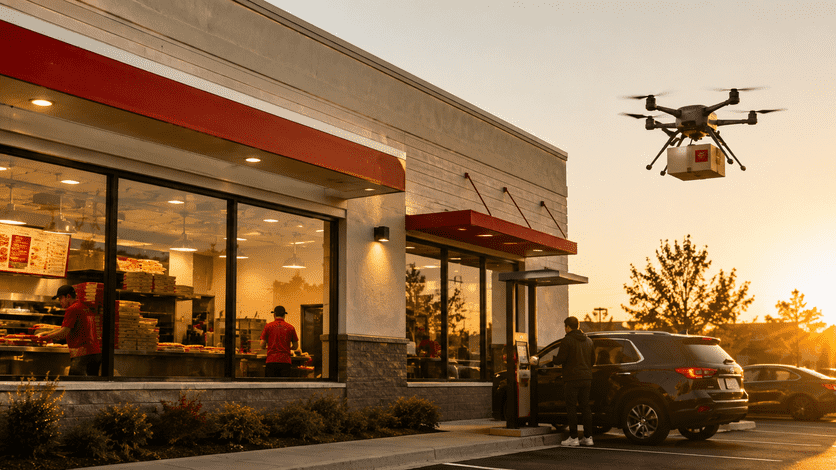
Papa Johns has teamed up with Alphabet's Wing for drone delivery of its new sandwich lineup in parts of Charlotte marking the first partnership of its kind between Wing and a national QSR brand.
May 15, 2026
A warm, expert-led look at McDonald’s Q1 results, menu makeover, and the refranchise question shaping its growth.
May 14, 2026
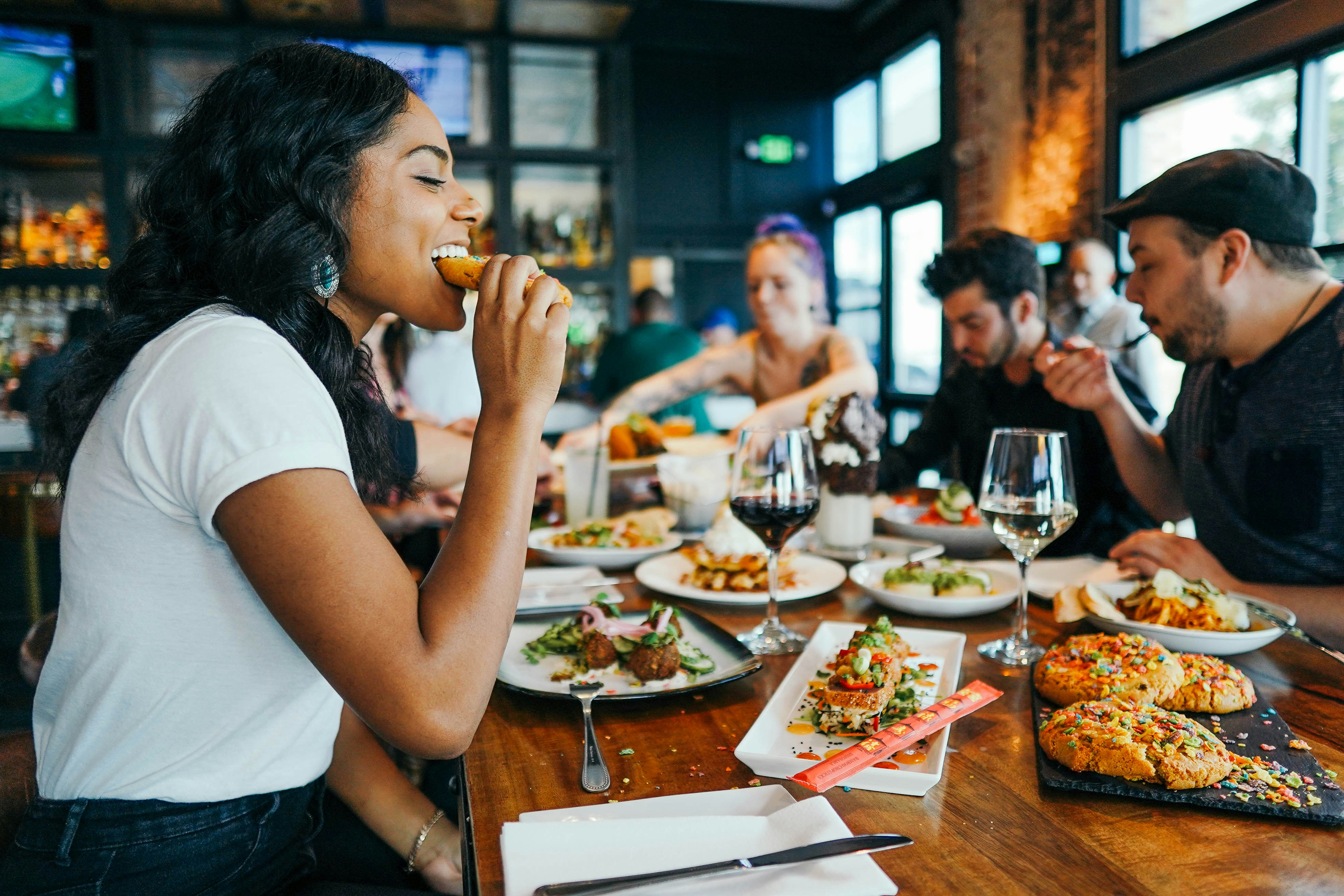
A reflective look at Habit Ranch, its immersive desert activation, and what it signals for brand loyalty and mindful, experiential dining.
May 14, 2026

Unlock Exclusive Access To Webinars, Events, And The Latest News For Free!
A look at how Taco Bell blends fan culture, bold bets, and a global expansion playbook led by CEO Sean Tresvant.

Photo by Zihao Wang
T Taco Bell is regrouping around a simple, stubborn creed: big bets, rapid iteration, and a culture that treats culture as strategy. Sean Tresvant, elevated to CEO on January 1, 2024 after guiding brand efforts as CBO, has locked the organization into a plan where ideas must move fast and land with fans. The aim is not novelty for its own sake but continuous escalation of momentum through experiences that matter. The latest expression is the Live Más LIVE event staged in Las Vegas during Super Bowl week, a deliberate signal that experience is a growth tool as much as a marketing channel.
Those moves are not cosmetic. They are designed to keep Taco Bell front and center in a crowded field. Live Más LIVE was conceived as a launchpad and a signal—a year’s worth of innovation distilled into a single moment to place the brand in cultural dialogue. It’s part of a broader cadence of fan-centric experiments that fuse marketing, product discovery, and local relevance. In practical terms, the company cites a record digital sales mix topping 50 percent in Q1 and kiosks that accelerate ordering while freeing crew time for guest engagement. International pilots in markets like the United Kingdom and Australia demonstrate localization in action, translating universal appeal into regional bite.
From Nike to Taco Bell, Tresvant’s arc reads as a philosophy more than a resume. His ascent signals an intent to blend high-performance marketing with a cult-like following. Executives describe a standard that refuses to settle for merely good or great ideas, chasing concepts that are genuinely “awesome”. The leadership message is clear: be globally consistent while staying locally relevant, a duality that frames how the brand expands and how campaigns bend to regional cultures. The result is a culture that treats culture as a strategic asset and a driver of long-term growth.
The leadership refresh reinforces a two-track growth play: maintain global consistency while honoring local context. The plan includes nine countries targeted for accelerated expansion, with Spain marking a milestone and Europe and beyond on the horizon. Operators are expected to deliver financial results similar to the U.S. playbook for scale to accelerate overseas growth. It’s a framework that invites fan voices into campaigns and menus, while keeping a disciplined eye on execution and partner performance.
Marketing that Learns from Fans is a core pillar of Taco Bell’s playbook. The brand ties culture-driven touchpoints—music, sports, fashion—into a system that anchors growth in fan engagement as much as profits. Programs like Feed the Beat endure, while pilots in the United Kingdom and Australia extend the model globally. The digital dimension dominates: a record digital sales mix and an expanding loyalty program that rewards active participation with early access and voting on product returns. Behind the scenes, automation cuts repetitive tasks and frees crew time for guest contact, and AI is explored as a tool for menu discovery and nurturing niche communities—think vegans and spice enthusiasts—within the fan base.
The emphasis on an active, voting, loyalty-driven community is not cosmetic. It turns fan chatter into real menu iteration and targeted local campaigns, while the digital platform scales with the brand as it travels to new markets. The combination of data-informed decisions and authentic cultural hooks is the engine Taco Bell aims to keep running as it expands globally.
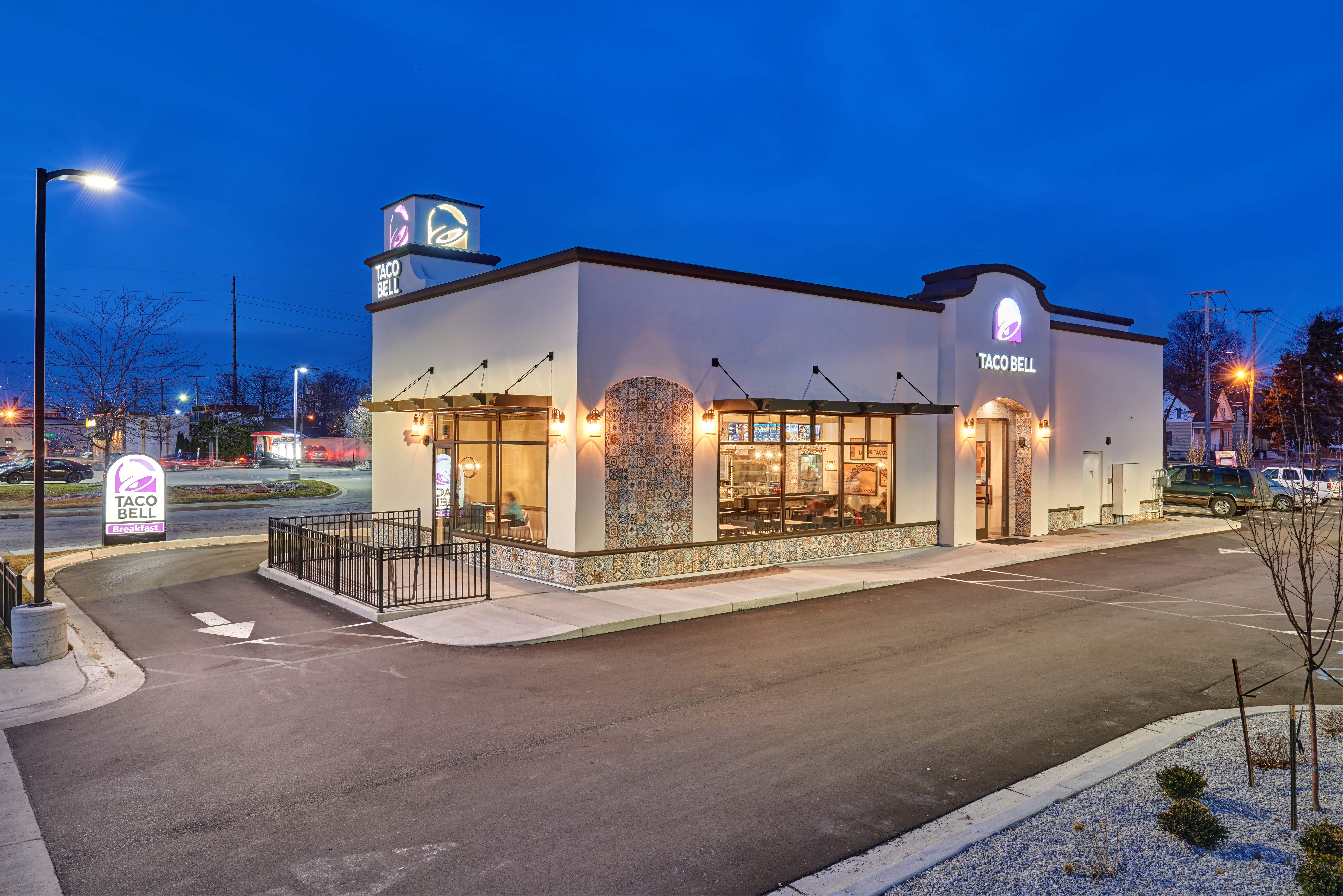
Defy is a bold, two-story, drive-thru–focused concept with vertical food conveyance designed to rethink speed, capacity, and throughput. First announced with a franchise partner and later chronicled by industry watchers, the Defy prototype has become one of the brand’s most talked-about experiments in years. Cantina locations, featuring an open-kitchen format and alcohol offerings, illustrate another path for urban relevance. These prototypes aren’t novelty; they feed a design and operating playbook that scales with franchisees while preserving local flavor. The throughline is clear: test, learn, and translate improvements into a scalable template.
As Taco Bell moves beyond core formats, these prototypes signal a deliberate balance: scale with disciplined testing, sustain local relevance, and hand operators a blueprint they can own. The message to markets is pragmatic and clear: innovate in a way that travels—from design to service modeling—without sacrificing consistency.
Despite a robust growth cadence, Taco Bell faces the typical uncertainties that accompany rapid international expansion and ongoing digital transformation. The brand studies peers like KFC and Pizza Hut to glean how to tailor concepts for diverse markets. Leadership has identified nine countries for accelerated international expansion, including France, Greece, and South Africa, with the caveat that global plans hinge on operators delivering strong financial results similar to the U.S. playbook. The opportunity is real: local culinary insights can fuel regional concepts and formats, while the long-run targets call for thousands of stores and AI-enabled guest experiences. Execution discipline, franchise economics, and market-context adaptation will determine whether ambition translates into profitable scale.
The road ahead is straightforward in sentiment if not in detail: keep learning, stay fan-forward, and let the numbers steer the bets. The balance of global discipline with local flavor remains Taco Bell’s defining challenge—and its clearest route to durable growth.