How Much Does It Cost to Open a Coffee Shop in 2026?
Opening a coffee shop in 2026 requires careful cost planning across rent, equipment, labor, technology, menu strategy, marketing, and sustainability.
operations
May 15, 2026
Opening a coffee shop in 2026 requires careful cost planning across rent, equipment, labor, technology, menu strategy, marketing, and sustainability.
May 15, 2026

This AI playbook covers restaurant tools for voice ordering, staffing, compliance, menu pricing, inventory, marketing, ChatGPT prompts, and SEO.
May 15, 2026

Hardee’s giant Boddie-Noell inks 31-unit Scooter’s Coffee deal for NC and VA, leveraging drive-thru growth and local roots with rollout over 12–18 months.
May 15, 2026

Wingstop turns match weeks into a multi-sensory festival, aligning bold pop-ups with World Cup energy to build brand affinity and measurable momentum.
May 15, 2026

The parent company behind Dunkin', Buffalo Wild Wings, and Arby's has filed for an IPO a move that could reshape how Wall Street views the restaurant sector.
May 15, 2026

Learn how to develop a memorable restaurant brand identity that stands out in a crowded market, attracts loyal customers, and drives repeat business with actionable strategies and affordable tools.
May 15, 2026

Dirty soda chain Swig is expanding into Colorado through a 10-unit franchise deal, riding a consumer beverage trend that's catching the attention of major QSR players nationwide.
May 15, 2026

Papa Johns has teamed up with Alphabet's Wing for drone delivery of its new sandwich lineup in parts of Charlotte marking the first partnership of its kind between Wing and a national QSR brand.
May 15, 2026

A warm, expert-led look at McDonald’s Q1 results, menu makeover, and the refranchise question shaping its growth.
May 14, 2026

A reflective look at Habit Ranch, its immersive desert activation, and what it signals for brand loyalty and mindful, experiential dining.
May 14, 2026

Unlock Exclusive Access To Webinars, Events, And The Latest News For Free!
Sweetgreen shifts from universal automation toward a selective IK rollout, balancing store formats, labor economics, and growth toward 2030.
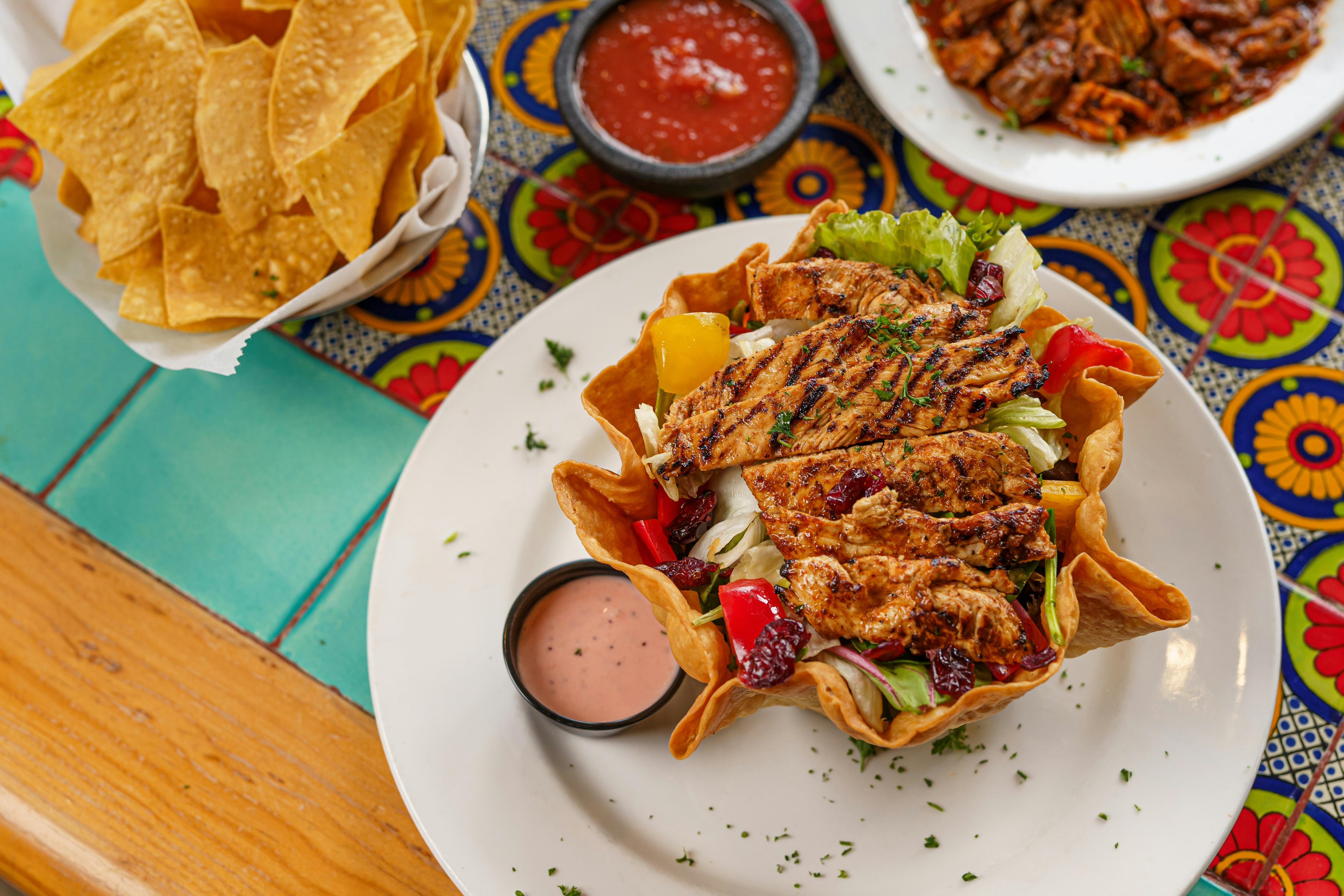
Photo by Hybrid Storytellers
Sweetgreen recalibrates its automation ambitions, hinting that restraint is becoming a virtue. The stance shifts away from a plan for universal automation in every store toward a toolkit-driven approach that can bend to different formats, markets, and real estate realities. The Infinite Kitchen remains central, but deployment is selective, prioritizing newer formats and urban sites where the economics justify the investment. In practice, this means measuring how robotics can speed throughput while preserving the sense that a Sweetgreen bowl is crafted with care, seasonality, and a human touch.
That shift is concrete: four IK locations are in operation to date—two built by Spyce, one retrofitted at Penn Plaza in New York, and the company’s first square IK model. At a public conference, “I don’t think you’ll see them in every single store for the reason that we have a lot of older smaller stores in the D.C. area and Philadelphia, and we would probably not go back and retrofit.” echoes the pragmatic constraint. Yet Sweetgreen also emphasizes that IK stores should look and feel like a Sweetgreen—not a robot kiosk—grounding the technology in human-centered design, not engineering whimsy.
Taken together, the approach signals a careful balance: embrace throughput enhancements where they fit, protect the guest experience, and acknowledge the limits of older stores. The next section turns to how IK actually operates on the floor—robotics, conveyors, and a brand that remains welcoming even as machines do some of the assembly.
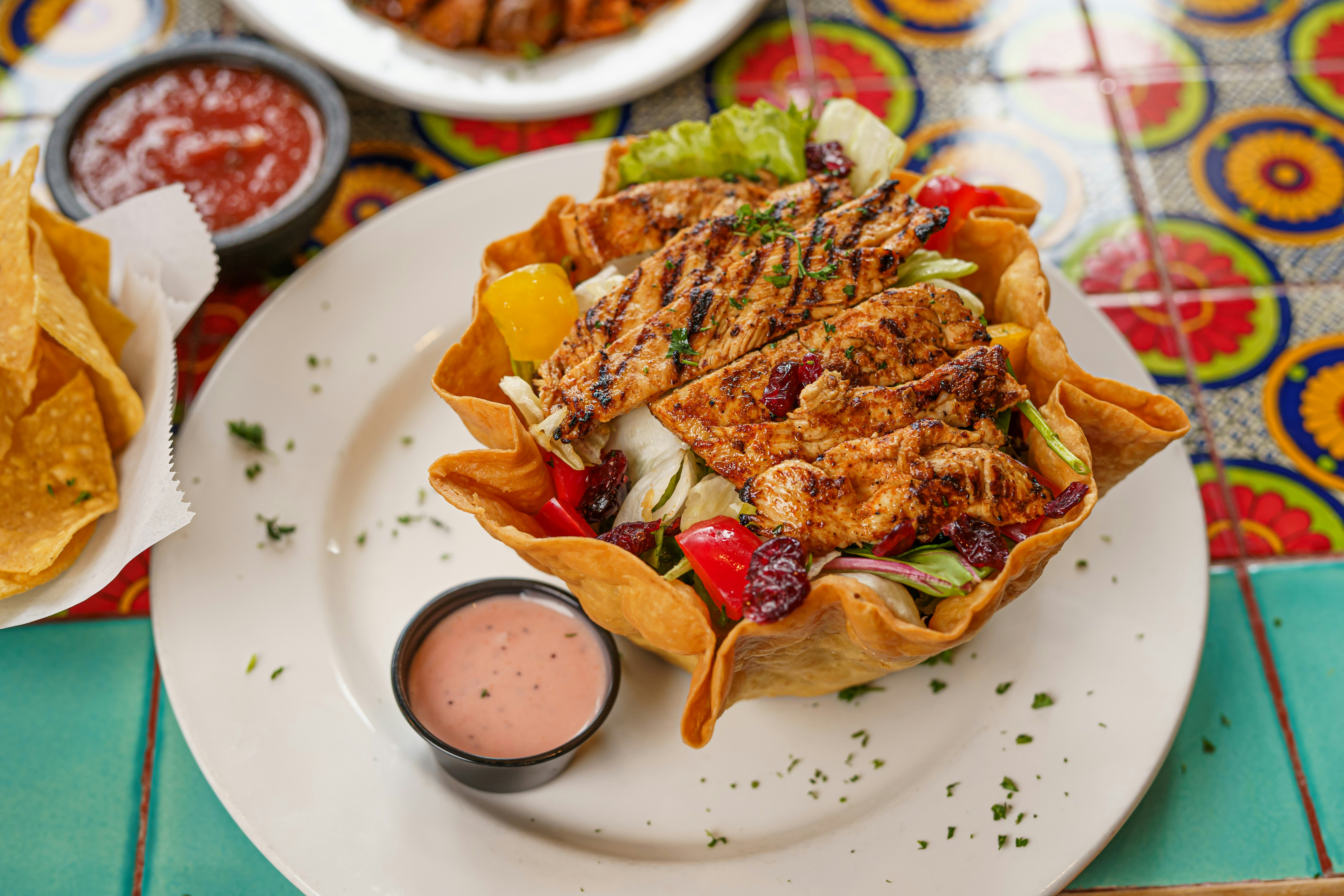
On the floor, Infinite Kitchen uses robotics to assemble bowls along a conveyer-belt workflow, a design meant to boost margins and throughput without erasing Sweetgreen’s identity. The aim is balance—speed where it matters, care in the final bowl—so guests still feel a crafted, not robotic, experience. The first IK location outside Chicago opened in May and delivered a margin uplift in its early weeks, signaling the model can be profitable even as labor scales.
The footprint has grown to four stores: two built by Spyce, one retrofitted at Penn Plaza in New York, and the company’s first square IK model. Even with automation, the brand emphasizes maintaining a distinct brand feel rather than a robotic experience; IK stores should look and feel like a Sweetgreen location, not a chrome kiosk. This is human-centered design in action, where technology serves hospitality rather than replaces it.
The practical upshot: robotics boost throughput where it matters, while the dining room remains recognizably Sweetgreen. The method isn’t about replacing people but reallocating labor to where it adds the most value, letting kitchen energy support a thoughtful, nourishing bowl experience.
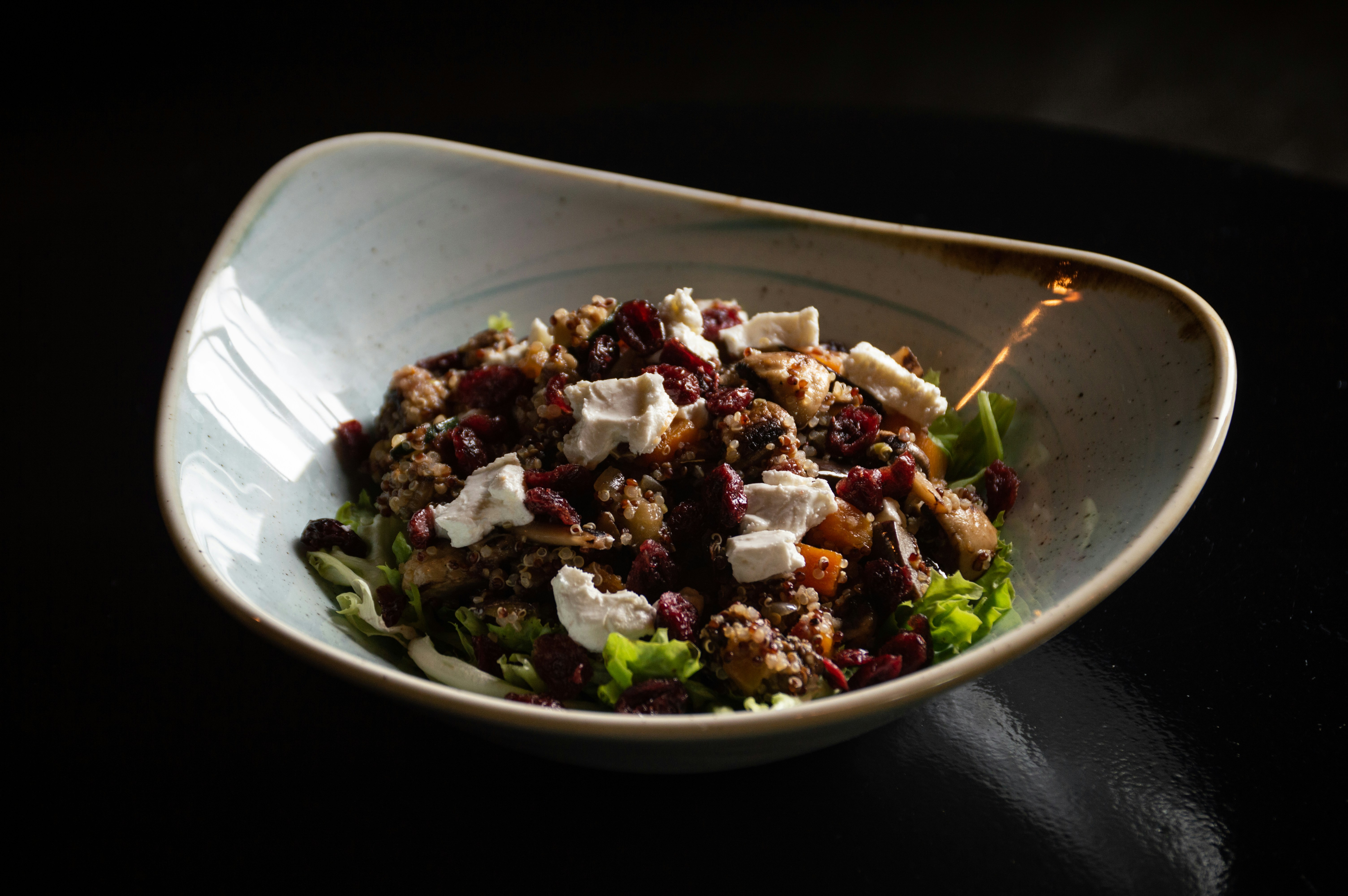
On the floor, Infinite Kitchen is a deliberate fusion of efficiency and care. IK stores are designed to feel like Sweetgreen spaces, not robotic outposts; the ethos remains hospitality-first even as smart workflows accelerate throughput. The early margin uplift at the first non-Chicago IK location underscores the viability of a model that respects the brand while delivering results.