How Much Does It Cost to Open a Coffee Shop in 2026?
Opening a coffee shop in 2026 requires careful cost planning across rent, equipment, labor, technology, menu strategy, marketing, and sustainability.
operations
May 15, 2026
Opening a coffee shop in 2026 requires careful cost planning across rent, equipment, labor, technology, menu strategy, marketing, and sustainability.
May 15, 2026
This AI playbook covers restaurant tools for voice ordering, staffing, compliance, menu pricing, inventory, marketing, ChatGPT prompts, and SEO.
May 15, 2026
Hardee’s giant Boddie-Noell inks 31-unit Scooter’s Coffee deal for NC and VA, leveraging drive-thru growth and local roots with rollout over 12–18 months.
May 15, 2026
Wingstop turns match weeks into a multi-sensory festival, aligning bold pop-ups with World Cup energy to build brand affinity and measurable momentum.
May 15, 2026
The parent company behind Dunkin', Buffalo Wild Wings, and Arby's has filed for an IPO a move that could reshape how Wall Street views the restaurant sector.
May 15, 2026

Learn how to develop a memorable restaurant brand identity that stands out in a crowded market, attracts loyal customers, and drives repeat business with actionable strategies and affordable tools.
May 15, 2026
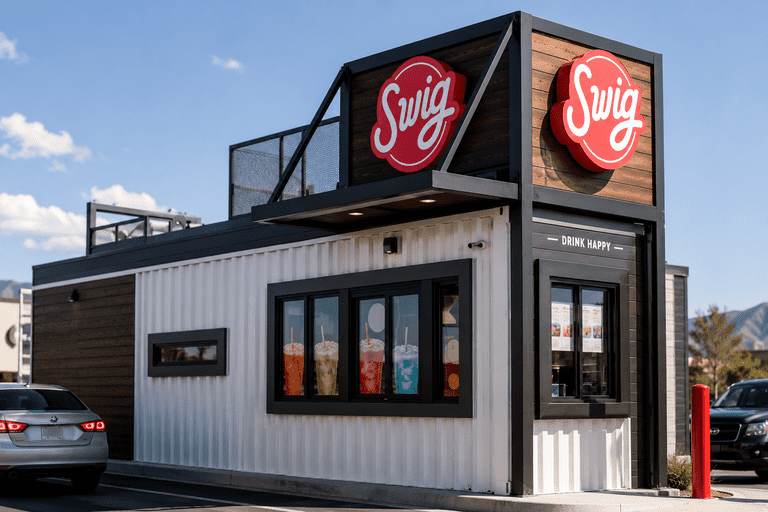
Dirty soda chain Swig is expanding into Colorado through a 10-unit franchise deal, riding a consumer beverage trend that's catching the attention of major QSR players nationwide.
May 15, 2026
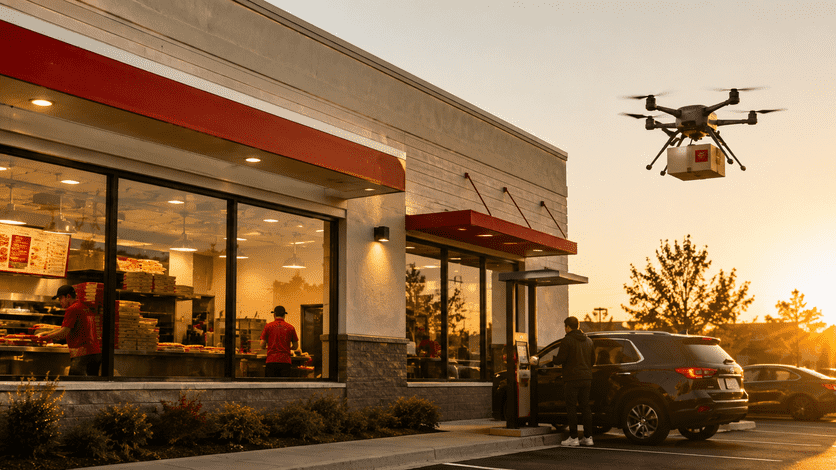
Papa Johns has teamed up with Alphabet's Wing for drone delivery of its new sandwich lineup in parts of Charlotte marking the first partnership of its kind between Wing and a national QSR brand.
May 15, 2026
A warm, expert-led look at McDonald’s Q1 results, menu makeover, and the refranchise question shaping its growth.
May 14, 2026
A reflective look at Habit Ranch, its immersive desert activation, and what it signals for brand loyalty and mindful, experiential dining.
May 14, 2026

Unlock Exclusive Access To Webinars, Events, And The Latest News For Free!
Seasonal produce becomes a core driver for menus, from watermelon-forward salads to stone-fruit pairings, shaping sourcing and guest experience across chains.

Photo by Tanya Barrow
Summer is no longer a backdrop but a driver of menu creativity. Across brands like Cracker Barrel, Tender Greens, Taziki’s, Salata, and others, peak-season produce is becoming the anchor of flavor and concept. Cracker Barrel is testing a wedge salad topped with fried chicken tenders and tomatoes in select Texas locations, a sign that produce-driven ideas can sit inside familiar formats. The season’s brightness invites chefs to craft textures and pairings that feel both fresh and thoughtfully sourced, inviting guests to taste the moment while honoring growers. This is a season of mindful dining that values balance, provenance, and seasonality.
In practice, menus that lean into peak-season produce are not about chasing a single fruit but about weaving textures, colors, and familiarity. The conversations around tomatoes, watermelons, and berries show brands testing how produce can anchor a dish while fitting a recognizable format. The concrete signals—Salata’s seasonal fruit tests, Ninety Nine’s strawberry-forward profiles, and Rachel’s Kitchen’s peaches—point to a broader move: produce-led storytelling that feels specific to place and season rather than generic summer fare.
This momentum is underscored by data that greets the season with momentum: 16.3% of US restaurants added watermelon to their menus in 2025, a trend echoed across brands experimenting with fruit-forward offerings and refreshed textures. The moment calls for a thoughtful balance: how to celebrate harvests while keeping supply chains resilient and costs predictable.

The season is not just about what’s on the plate; it’s about how it gets there. The wave of summer ideas is matched by a parallel focus on sourcing practices, with brands weighing ephemeral harvests against procurement stability. This tension is visible in reports and industry conversations that honor both local harvests and the realities of distribution, inventory, and cost. The summer story becomes a test bed for alignment between culinary ambition and supply-chain practicality, a thoughtful balance that keeps menus vibrant and dependable.
Meanwhile, some operators lean into year-round items to keep procurement predictable, while others lean into fleeting peak-season ideas to signal culinary creativity. The industry is testing not only flavors but also how brands narrate their relationships with farmers, distributors, and markets. Dig’s summer Picnic Slaw, a year-round mix of cabbage and carrots, epitomizes a pragmatic route that prioritizes availability over strict seasonal exclusivity, illustrating the tension between artistry and operational stability.
In this sense, the industry is testing not only flavors but also how brands narrate their relationships with farmers, distributors, and markets. Dig's summer offering—documented in a July 2024 rollout as Picnic Slaw—highlights a practical path: celebrate year-round staples alongside seasonal ideas that invite guests to taste the season without sacrificing reliability.

Concrete menu examples reveal how summer abundance translates into core formats. Tender Greens’ Summer Harvest Salad leans into stone fruit and blackberries, pairing greens with goat cheese, pistachios, and a caramelized onion note that anchors the dish. The goal is a balanced bite that feels both indulgent and fresh, a hallmark of health- and produce-forward dining. In a parallel thread, Taziki’s spotlights Watermelon Spinach Salad, described by leadership as light and fruity, enhanced by feta and pecans. Salata has repeatedly leaned into seasonal fruit to drive guest engagement and top-line outcomes. Together, these items reframe summer as a core dining proposition rather than a quick add-on.
Across chains, the pattern is familiar: Tender Greens’ Summer Harvest Salad brings stone fruit and blackberries into a salad with goats cheese and greens, anchored by pistachios and a caramelized onion note. Taziki’s Watermelon Spinach Salad pairs watermelon with feta and pecans for a bright, seasonal crunch. And Ninety Nine and Newk’s Eatery place strawberries at the center of summer profiles, while Rachel’s Kitchen leans into peaches in a way that invites return visits. The throughline is clear: peak-season fruit is a reliable differentiator when paired with familiar formats.

"Watermelon Spinach Salad is light and fruity with a sprinkle of feta cheese and a satisfying crunch of pecans, perfect for the season," said Dan Simpson, CEO of Taziki’s Mediterranean Café, illustrating how a seasonal idea can anchor a menu item with broad appeal.
"We’ve seen immense success through introducing seasonally relevant menu items," said Michele Maerz, President of Salata, framing seasonal offerings as a strategic lever. In a related thread, the founder of Rachel’s Kitchen described building a peach-forward menu with a summer peach salad that was so well received it was brought back after initial introductions. The recurring insight is consistent: guest enthusiasm for fresh, timely ingredients translates into repeat visits and stronger brand storytelling.
These voices underline a shared truth: seasonal plates become anchors that invite guests to experience a brand’s seasonality as a living narrative—one that can travel across locales while maintaining a local, rooted feel. When a watermelon salad or a peach-forward dish becomes a story guests want to tell, it’s not just a menu item; it’s a reason to return and to explore how a menu evolves with the harvest.
The takeaway is simple: guest enthusiasm for fresh, timely ingredients often translates into repeat visits and richer brand storytelling that space for chefs to balance craft with responsible sourcing.

A notable industry moment in 2024 involved Cracker Barrel’s large-scale menu-test program in Texas, a structured rollout designed to capture feedback across 14 locations from June 25, 2024 through August 5, 2024. The mass test included new culinary prototypes and an emphasis on fresh ingredients, including tomato-forward items, as part of a broader culinary transformation. This pilot illustrates how brands use limited-time menus and regional pilots to refine concepts before broader rollouts, aligning culinary ambition with supply-chain realities.
In the broader industry context, the conversation centers on balancing seasonality with supply-chain reality, cost, and regional calendars. Epicurean Group’s 2026 Spring & Summer Menu signals broad enthusiasm for vibrant greens, stone fruits, berries, and other summer staples. A 2025 industry study highlighted substantial restaurant interest in watermelon as a seasonal accent, a trend echoed by Taziki’s and Salata. Yet not all brands chase peak-season exclusivity; some emphasize consistent, year-round ingredients to manage procurement risk while delivering fresh, flavorful experiences.
As we watch the season unfold, gaps remain—such as the precise stone fruit variants in Tender Greens’ Summer Harvest Salad and the long-term fate of Cracker Barrel’s Texas wedge concept. These uncertainties remind us that the summer story is ongoing: sourcing reliability, cost volatility, and consumer appetite will influence which produce becomes a lasting feature on menus.