How Much Does It Cost to Open a Coffee Shop in 2026?
Opening a coffee shop in 2026 requires careful cost planning across rent, equipment, labor, technology, menu strategy, marketing, and sustainability.
operations
May 15, 2026
Opening a coffee shop in 2026 requires careful cost planning across rent, equipment, labor, technology, menu strategy, marketing, and sustainability.
May 15, 2026
This AI playbook covers restaurant tools for voice ordering, staffing, compliance, menu pricing, inventory, marketing, ChatGPT prompts, and SEO.
May 15, 2026
Hardee’s giant Boddie-Noell inks 31-unit Scooter’s Coffee deal for NC and VA, leveraging drive-thru growth and local roots with rollout over 12–18 months.
May 15, 2026
Wingstop turns match weeks into a multi-sensory festival, aligning bold pop-ups with World Cup energy to build brand affinity and measurable momentum.
May 15, 2026
The parent company behind Dunkin', Buffalo Wild Wings, and Arby's has filed for an IPO a move that could reshape how Wall Street views the restaurant sector.
May 15, 2026
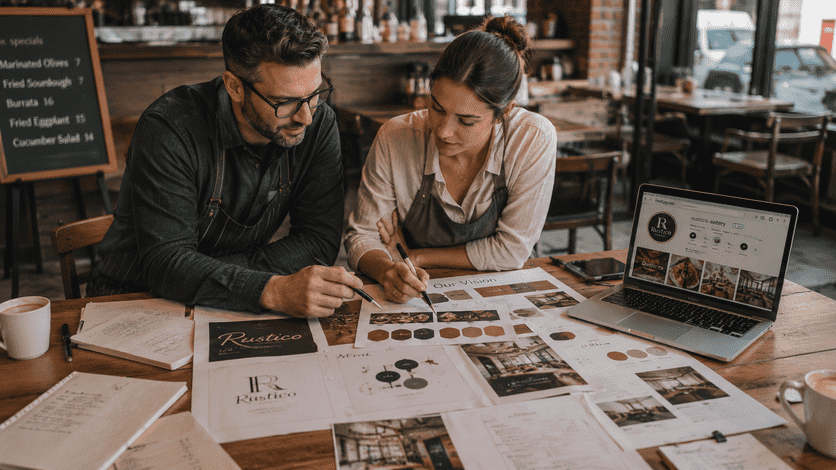
Learn how to develop a memorable restaurant brand identity that stands out in a crowded market, attracts loyal customers, and drives repeat business with actionable strategies and affordable tools.
May 15, 2026
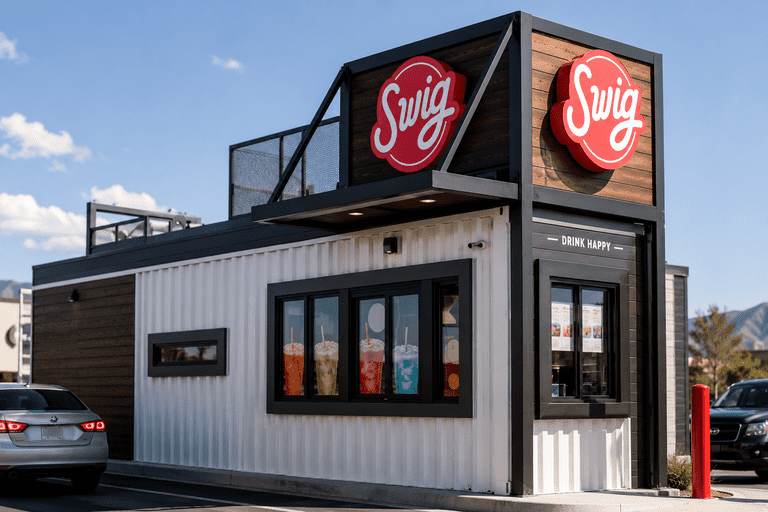
Dirty soda chain Swig is expanding into Colorado through a 10-unit franchise deal, riding a consumer beverage trend that's catching the attention of major QSR players nationwide.
May 15, 2026
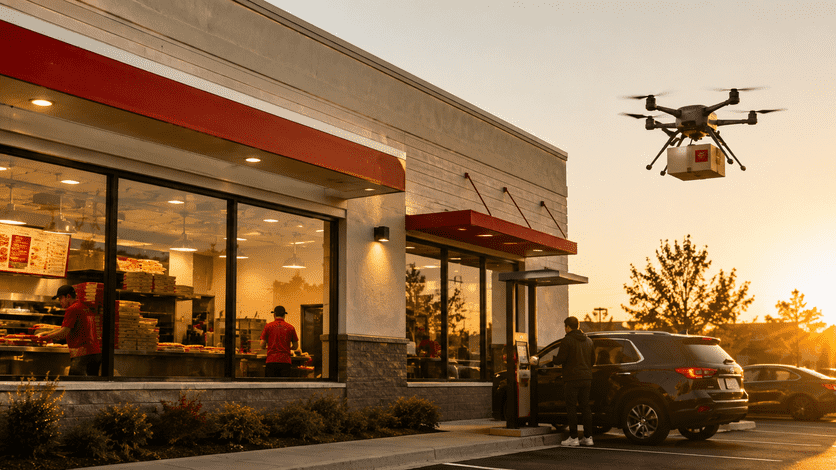
Papa Johns has teamed up with Alphabet's Wing for drone delivery of its new sandwich lineup in parts of Charlotte marking the first partnership of its kind between Wing and a national QSR brand.
May 15, 2026
A warm, expert-led look at McDonald’s Q1 results, menu makeover, and the refranchise question shaping its growth.
May 14, 2026
A reflective look at Habit Ranch, its immersive desert activation, and what it signals for brand loyalty and mindful, experiential dining.
May 14, 2026

Unlock Exclusive Access To Webinars, Events, And The Latest News For Free!
A portrait of Starbucks’ multi-year reinvention—from store modernization to digital delivery—designed to rekindle growth while preserving hospitality.
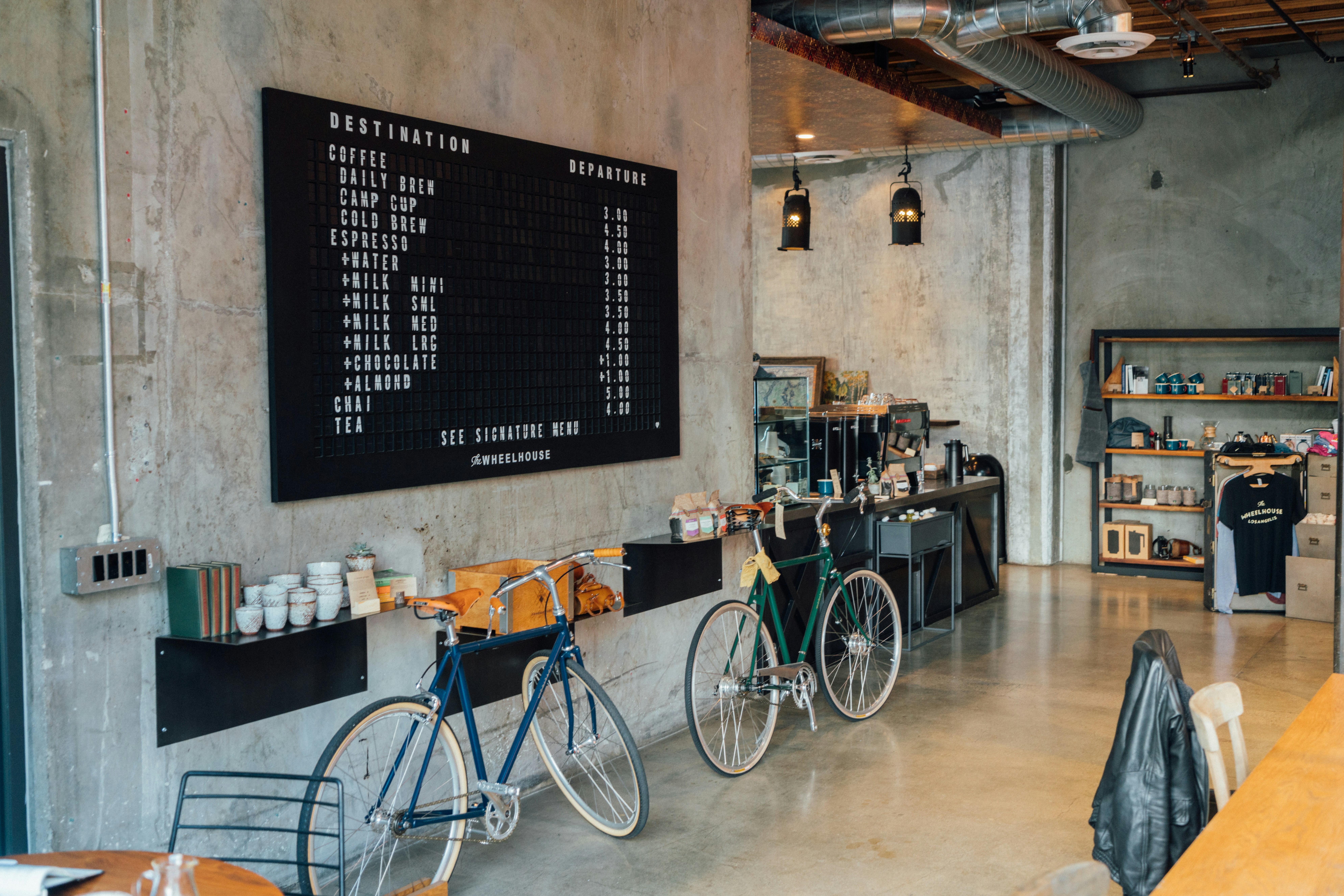
Photo by Roman Bozhko
At a moment when its dominant brand faces a multi-quarter slowdown in demand, Starbucks is choosing not to sprint but to steady the flame. The reinvention unfolds like a patient recipe: store updates, menu experiments, and a more accessible app experience, all designed to reconnect with a broader chorus of guests. In quiet corners and busy avenues alike, the goal is to turn visits into moments of ease and intention—snug booths, lingering conversations, and the soft hum of a well-brewed cup. This is not a spectacle; it is a considered relaunch.
Behind the scene, the macro backdrop is a challenge to pricing power, value perception, and execution across a broad reinvention agenda. The company has highlighted softness in traffic at U.S. stores and that non-regular customers have drifted toward alternatives or home-brewed coffee. Leadership frames these pressures as catalysts for accelerating change rather than headwinds: reinvestment across stores, menus, and technology could translate into steadier traffic and larger guest value. The plan plays out over years, with some effects only after a longer horizon. It feels like a café that slows its pour to measure, then pour with intention.
Starbucks has rolled out a broad, multi-year reinvention agenda designed to lift growth across multiple levers: renovating existing locations, expanding the menu, improving store efficiency, pursuing value-oriented pricing, and increasing the convenience of the mobile app. The strategy centers on a more customer-centric store experience, faster service, and a tighter link between in-store craft and digital engagement. A key piece is the Siren Craft System—a technology-driven platform meant to help baristas meet rising demand with tighter throughput and improved consistency across shifts. A refitted espresso machine is expected to boost throughput by about 15%.
Beyond that, the plan contemplates a sizable capital program—opening more than 580 new stores and remodeling 800 existing locations by year-end, with emphasis on smaller cities and underserved suburban markets where demand is believed to be underpenetrated. Reports indicate a nationwide rollout of the Siren Craft System and a shift toward streamlined, high-capacity operations as part of the effort. The aim is not dramatic spectacle but a steadier, more reliable pace that weaves craft with digital convenience across geographies.
Early signals from the reinvention have been mixed but promising. Executives say the plan is beginning to gain traction, even as the full financial payoff remains several quarters away. The leadership frames the early work as laying groundwork for more meaningful outcomes in the medium term, with the most visible results perhaps not until 2025. Expanding access to the app ecosystem, especially for non-rewards customers, is pitched as a path to more visits and higher loyalty. Throughput gains and stronger guest connection are seen as prerequisites for stronger demand.
Meanwhile, the company has highlighted progress in service efficiency and guest connection, underscoring that improvements to throughput and experience are preconditions for stronger demand. The narrative balances optimism with discipline about the time required to translate investments into measurable growth. The emphasis on expanding access to the app and on reliability suggests a widening funnel that could draw in a broader set of customers. It’s a patient tempo—like a morning ritual that invites guests to linger, sip, and savor the moment.
Delivery and digital acceleration are shaping a new frame for growth. A major development is the expansion of delivery through partnerships with third-party platforms, including a strategic push with GoPuff to open delivery-focused kitchens across the United States. As of late 2025, delivery is officially available from all eligible U.S. company-operated locations via the familiar mobile apps, with partners such as DoorDash, Grubhub, and Uber Eats extending access. The initiative aims to drive incremental volume by reaching new hours and segments in urban and suburban markets, while stores invest in hospitality.
The delivery push, paired with in-store investments, reflects a broader strategy to meet customers where they are—and to extract more value from digital channels. The goal is to blend convenient access with the art of coffee craft, turning orders into moments of connection even outside traditional peak hours. In café terms, it’s about turning the late-night rush and the weekend lull into predictable, comforting rhythms that still feel intimate and human.
Gaps and uncertainties are real, but they are not deterrents. While early signals are encouraging, the timing and magnitude of impact remain contingent on consumer response, app reliability, and the pace of store renovations. Meaningful results may not appear until 2025, governance considerations—including Elliott Management’s stake and potential board representation—add complexity as the company navigates expectations and strategic choices. Investors should watch updates on store openings, same-store sales, and how digital and in-store experiences weave across geographies.
Analysts keep a cautious eye on the path forward, balancing expectations for traffic and guest value with the realities of rents, labor costs, and the need to sustain loyalty. The plan’s resilience will depend on disciplined execution and clear messaging about value. The story remains a careful blend of hospitality and hard metrics—visits, average ticket, and the pace at which digital convenience translates into higher guest engagement over time.
If Starbucks succeeds in translating reinvention into durable traffic and higher guest value, the implications for the broader coffee market could be meaningful. A faster service cadence, throughputs improvements, and deeper integration of mobile and delivery channels may raise expectations for efficiency across the sector. Competitors could accelerate investments in loyalty programs, digital ordering, and new store formats to compete for share of wallet in a more price-conscious environment. The sector watches as the brand balances pricing discipline, access, and enhanced guest connection as a template for the year ahead.
The coming quarters will test the pace of expansion against near-term profitability, and Starbucks’ global footprint will continue to evolve through licensing, international growth, and an asset-light operating model in key markets. If the reinvention translates into sustained traffic, the industry could see a higher tide lifting many boats—ghost kitchens, remote formats, and more deliberate studio-like coffee making. In short, the balance the brand seeks—between precision pricing, broad access, and intimate guest connection—could shape industry dynamics far beyond its own cafés.