
How Much Does It Cost to Open a Coffee Shop in 2026?
Opening a coffee shop in 2026 requires careful cost planning across rent, equipment, labor, technology, menu strategy, marketing, and sustainability.
operations
May 15, 2026
Opening a coffee shop in 2026 requires careful cost planning across rent, equipment, labor, technology, menu strategy, marketing, and sustainability.
May 15, 2026
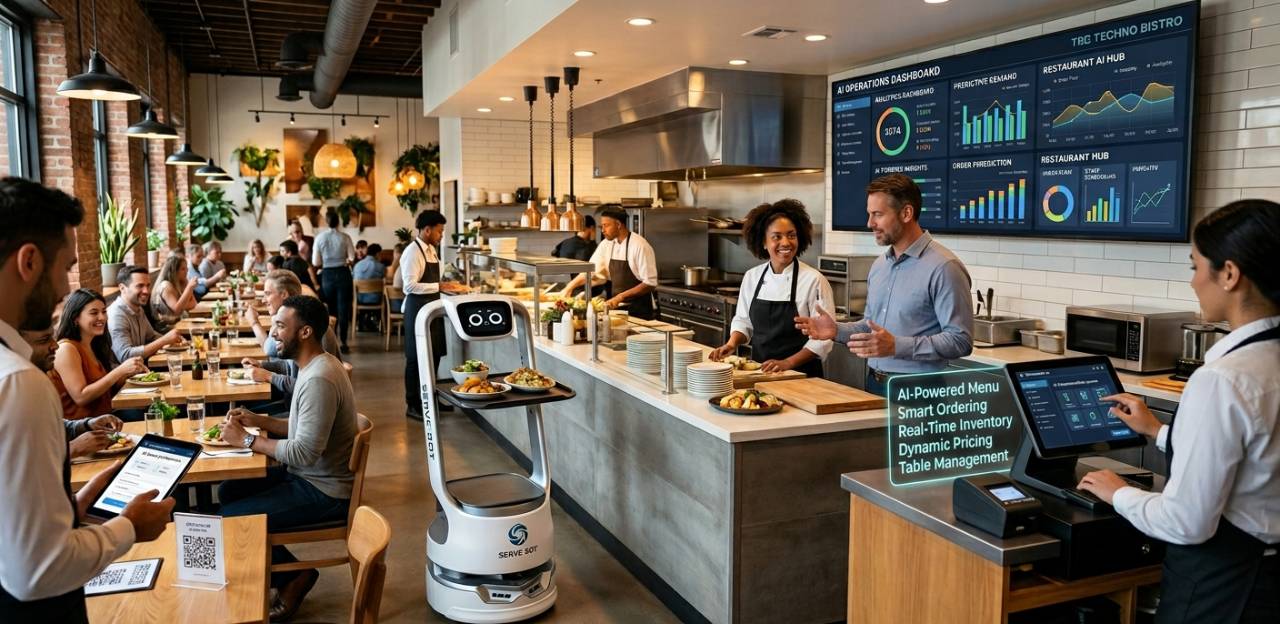
This AI playbook covers restaurant tools for voice ordering, staffing, compliance, menu pricing, inventory, marketing, ChatGPT prompts, and SEO.
May 15, 2026

Hardee’s giant Boddie-Noell inks 31-unit Scooter’s Coffee deal for NC and VA, leveraging drive-thru growth and local roots with rollout over 12–18 months.
May 15, 2026
Wingstop turns match weeks into a multi-sensory festival, aligning bold pop-ups with World Cup energy to build brand affinity and measurable momentum.
May 15, 2026
The parent company behind Dunkin', Buffalo Wild Wings, and Arby's has filed for an IPO a move that could reshape how Wall Street views the restaurant sector.
May 15, 2026

Learn how to develop a memorable restaurant brand identity that stands out in a crowded market, attracts loyal customers, and drives repeat business with actionable strategies and affordable tools.
May 15, 2026
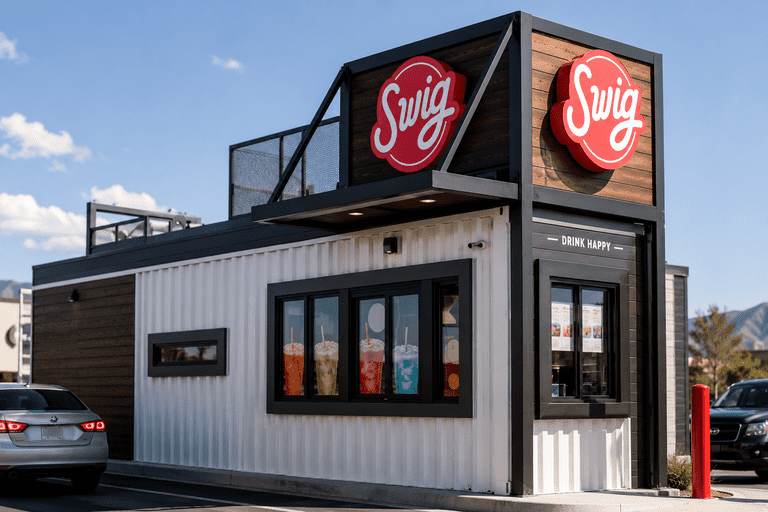
Dirty soda chain Swig is expanding into Colorado through a 10-unit franchise deal, riding a consumer beverage trend that's catching the attention of major QSR players nationwide.
May 15, 2026
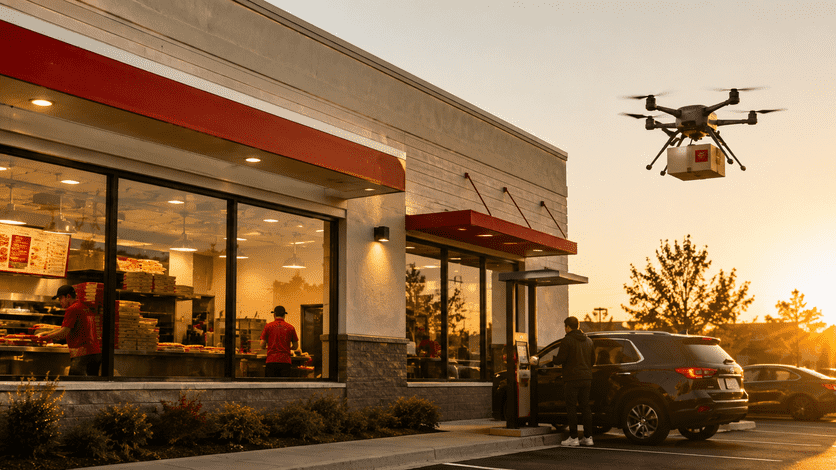
Papa Johns has teamed up with Alphabet's Wing for drone delivery of its new sandwich lineup in parts of Charlotte marking the first partnership of its kind between Wing and a national QSR brand.
May 15, 2026

A warm, expert-led look at McDonald’s Q1 results, menu makeover, and the refranchise question shaping its growth.
May 14, 2026
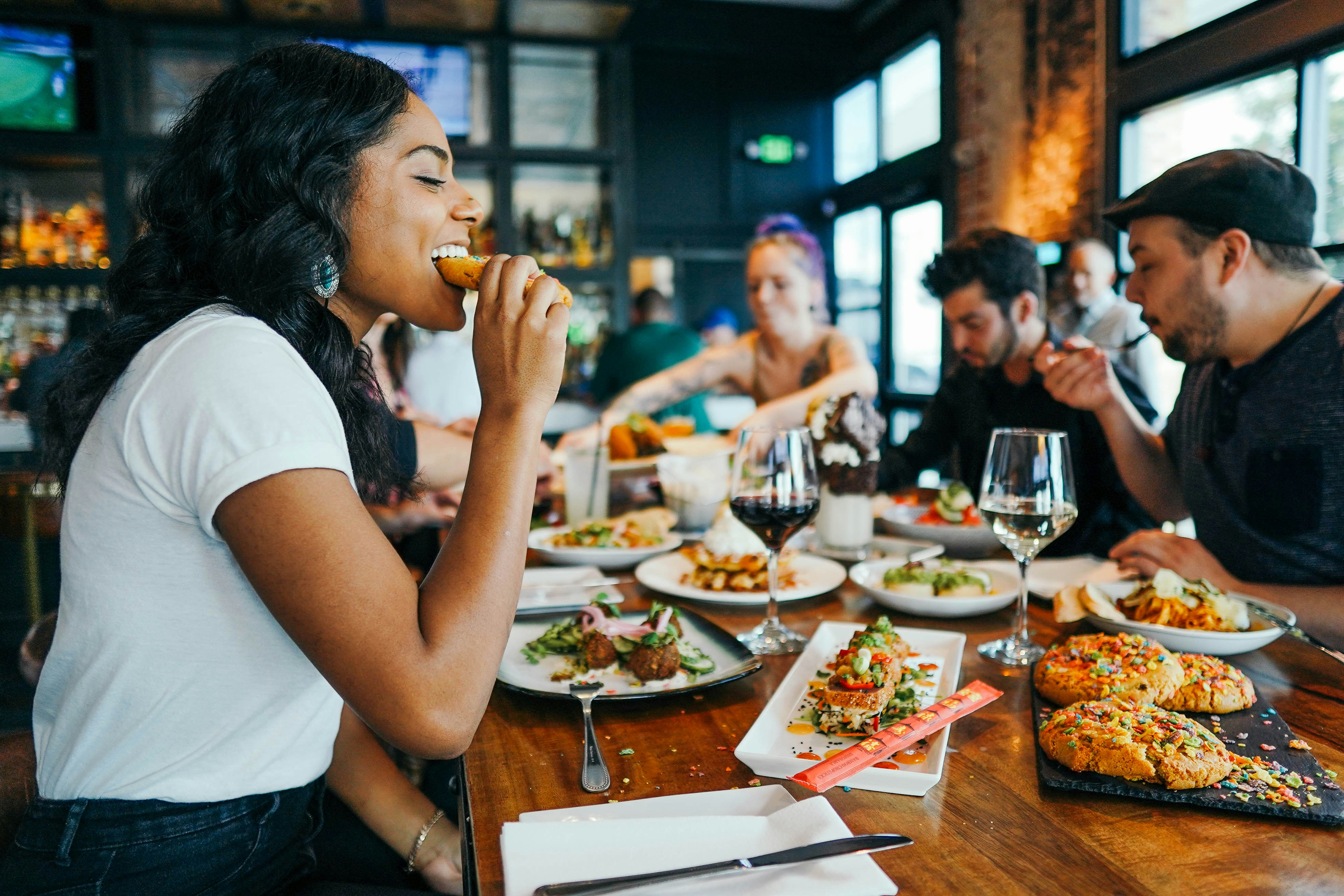
A reflective look at Habit Ranch, its immersive desert activation, and what it signals for brand loyalty and mindful, experiential dining.
May 14, 2026

Unlock Exclusive Access To Webinars, Events, And The Latest News For Free!
An NLRB panel affirms Schultz's remark as an implicit threat, widening guardrails on employer speech during organizing campaigns.

Photo by Rod Long
Across the global footprint of Starbucks, a regulatory moment unfolded at the intersection of governance and everyday conversation. The National Labor Relations Board affirmed that former Howard Schultz spoke in a way that could chill organized activity when he told a union-supporting employee, “if you’re not happy at Starbucks, you can go work for another company.” This finding, rooted in a 2022 incident in Long Beach, California, upholds decades of precedent that employer statements urging workers to quit are unlawful during organizing campaigns. For managers guiding listening tours and for workers weighing their rights at the table, the ruling reframes a familiar corporate moment as a potential turning point. The question that follows is practical and immediate: what guardrails will guide leadership conversations in times of labor mobilization?
The panel’s remedies are concrete: Starbucks must cease and desist from implying threats against employees engaged in union activity and must avoid pressuring workers from exercising their rights under the NLRA. In Long Beach, stores are to display notices reminding staff of their right to organize. The board also left open avenues for appeal—potentially to the U.S. Court of Appeals or even the Supreme Court—ensuring that this is not a closed chapter but part of an evolving debate about workplace speech. In practical terms, the ruling heightens scrutiny of public-facing moments like listening tours and town-hall-like sessions, where tone and intention live in a single, charged room.

The Long Beach moment sits at the hinge of Schultz’s interim tenure and a broader wave of organizing within Starbucks. The exchange occurred as part of a larger era in which Starbucks Workers United filed initial complaints with the NLRB. The company frames the sessions as collaborative — aimed at gathering input on store improvements and training managers to respect workers’ rights — while labor advocates emphasize their right to organize without retaliation. That tension is the throughline of the case, and it sits beneath the numbers and headlines that followed.
By late 2024, union representation had expanded to more than 500 company-owned cafes, roughly six percent of the U.S. portfolio. This milestone reframes negotiations and public messaging for both sides: workers see momentum, while Starbucks emphasizes continued dialogue and improvements. The framing matters because the conversations around listening and organizing shape how the campaign unfolds on the shop floor and in the public eye.

The mechanics of the ruling lay out a roadmap for store-level behavior. The NLRB’s final decision directs Starbucks to cease and desist from implying threats and to avoid pressuring workers from exercising their rights under the National Labor Relations Act. The stores in Long Beach are also asked to display notices reminding staff of their rights to organize. The board left open the possibility of further review through appeals, preserving a path for additional scrutiny. In practical terms, the ruling expands employer-communication guardrails during active campaigns and increases attention to public-facing moments where workforce concerns surface.
Paths forward and implications unfold alongside broader legal debates. The company faces ongoing bargaining and market tensions that have shaped its strategic posture, including governance disclosures in 2025 and continued leadership discussions with Workers United. The evolving landscape—across circuits and potential appellate decisions—suggests that remedies and standards may become a focal point in future arbitration and appellate proceedings, influencing how companies draft, present, and revise communications during labor mobilizations.
Starbucks’ stance in the glare of the board’s decision was to dispute the board’s assessment of the collaboration sessions, insisting they were designed to collect input about store experiences and to train managers to respect workers’ rights to organize. The company asserted it remains committed to ongoing dialogue with Workers United and to continuing progress in those discussions. The framing of the sessions—together with the board’s ruling—adds a layer of complexity to negotiations, reminding both sides that tone, intent, and truth-telling matter as much as outcomes.
Workers United has described the broader union push as a significant momentum shift within the company’s U.S. portfolio, a trend that has coincided with broader labor activity in the service sector. The union’s growth to represent more than 500 cafes underscores the scale of the campaign and raises the stakes for both personnel organizers and company leadership. In this moment, the movement reads as part of a larger, thoughtful shift toward more balanced, nourishing workplace voices.

Implications for EEAT and industry strategy: From an EEAT perspective, this episode demonstrates how experience, expertise, authority, and trust intersect in high-stakes labor-relations coverage. Readers gain an account that preserves key facts from the record—the 2022 Long Beach incident, the 2023 administrative-law ruling, the 2024 NLRB panel affirmation, the implicit-threat finding, and the ongoing appeal pathways—while situating those events within a broader legal and market context. The inclusion of official actions, public company statements, and union milestones provides a triangulated view of the industry—one that emphasizes process over sound bites.
Looking ahead, Starbucks’ workforce remains sizable, with the company reporting approximately 381,000 partners worldwide as of the 2025 annual report. Ongoing union activity will continue to be a meaningful strategic variable for management and labor alike. The legal landscape—across circuits and future decisions—will shape how large employers in the hospitality sector communicate, negotiate, and plan for the future. In this space, mindful, balanced leadership that centers nourishment and accountability will be the guiding principle for a company trying to reconcile performance with people.