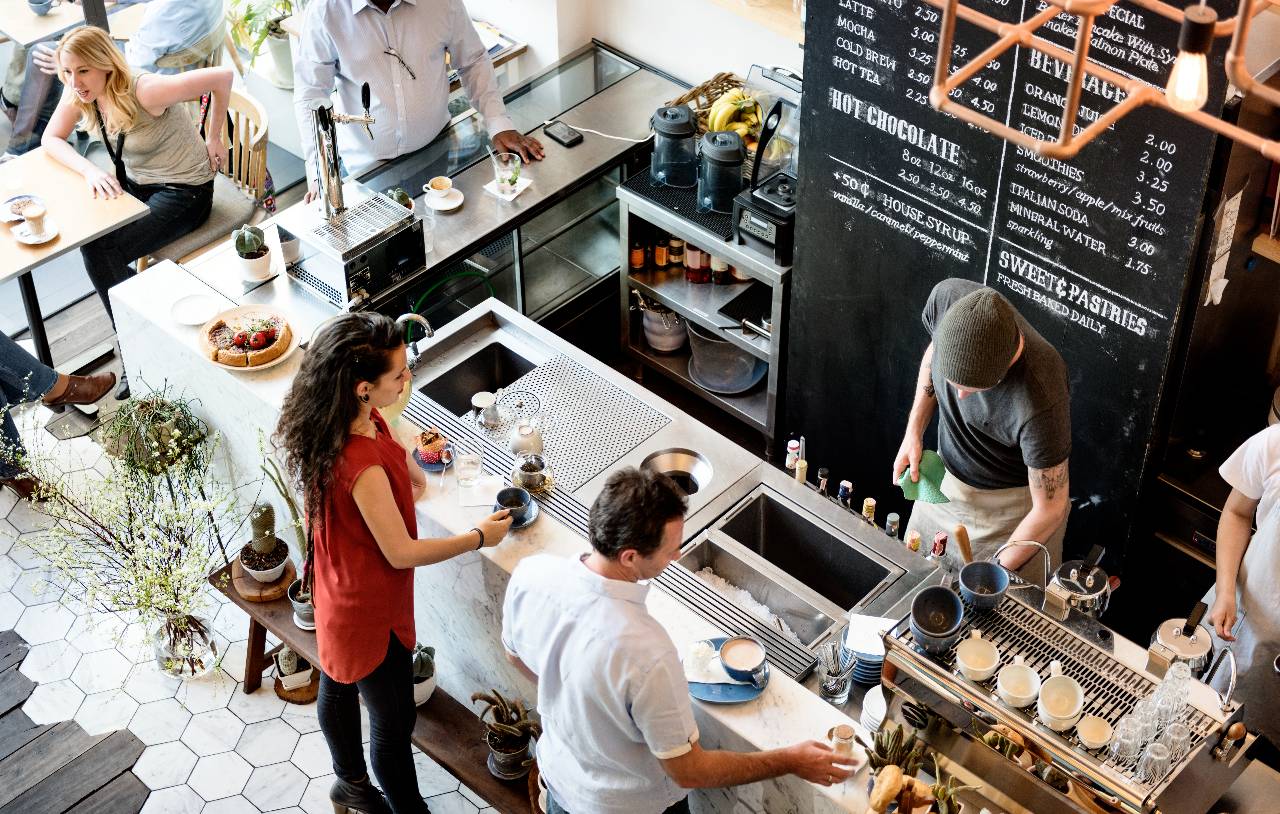
How Much Does It Cost to Open a Coffee Shop in 2026?
Opening a coffee shop in 2026 requires careful cost planning across rent, equipment, labor, technology, menu strategy, marketing, and sustainability.
operations
May 15, 2026
Opening a coffee shop in 2026 requires careful cost planning across rent, equipment, labor, technology, menu strategy, marketing, and sustainability.
May 15, 2026

This AI playbook covers restaurant tools for voice ordering, staffing, compliance, menu pricing, inventory, marketing, ChatGPT prompts, and SEO.
May 15, 2026
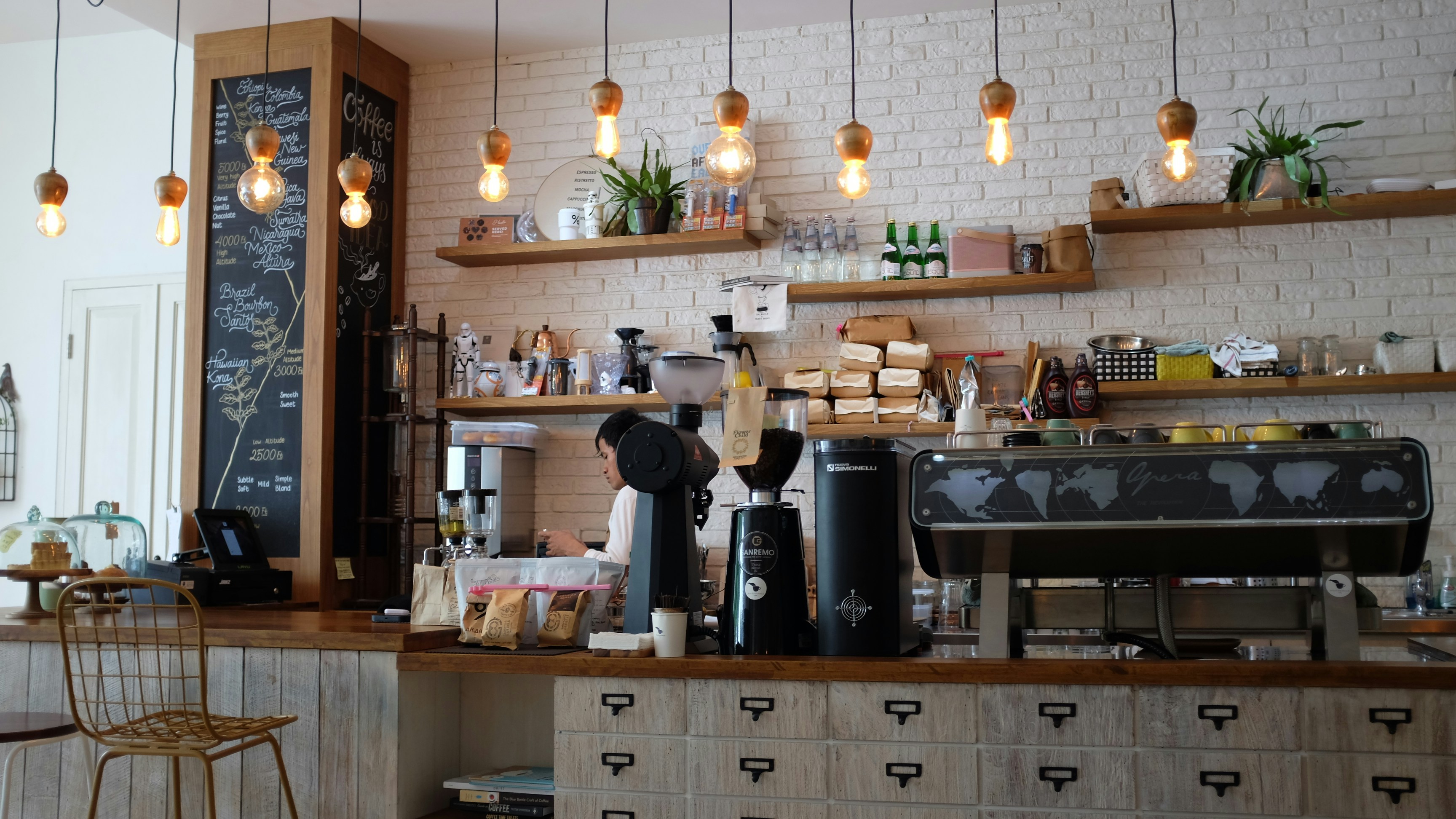
Hardee’s giant Boddie-Noell inks 31-unit Scooter’s Coffee deal for NC and VA, leveraging drive-thru growth and local roots with rollout over 12–18 months.
May 15, 2026
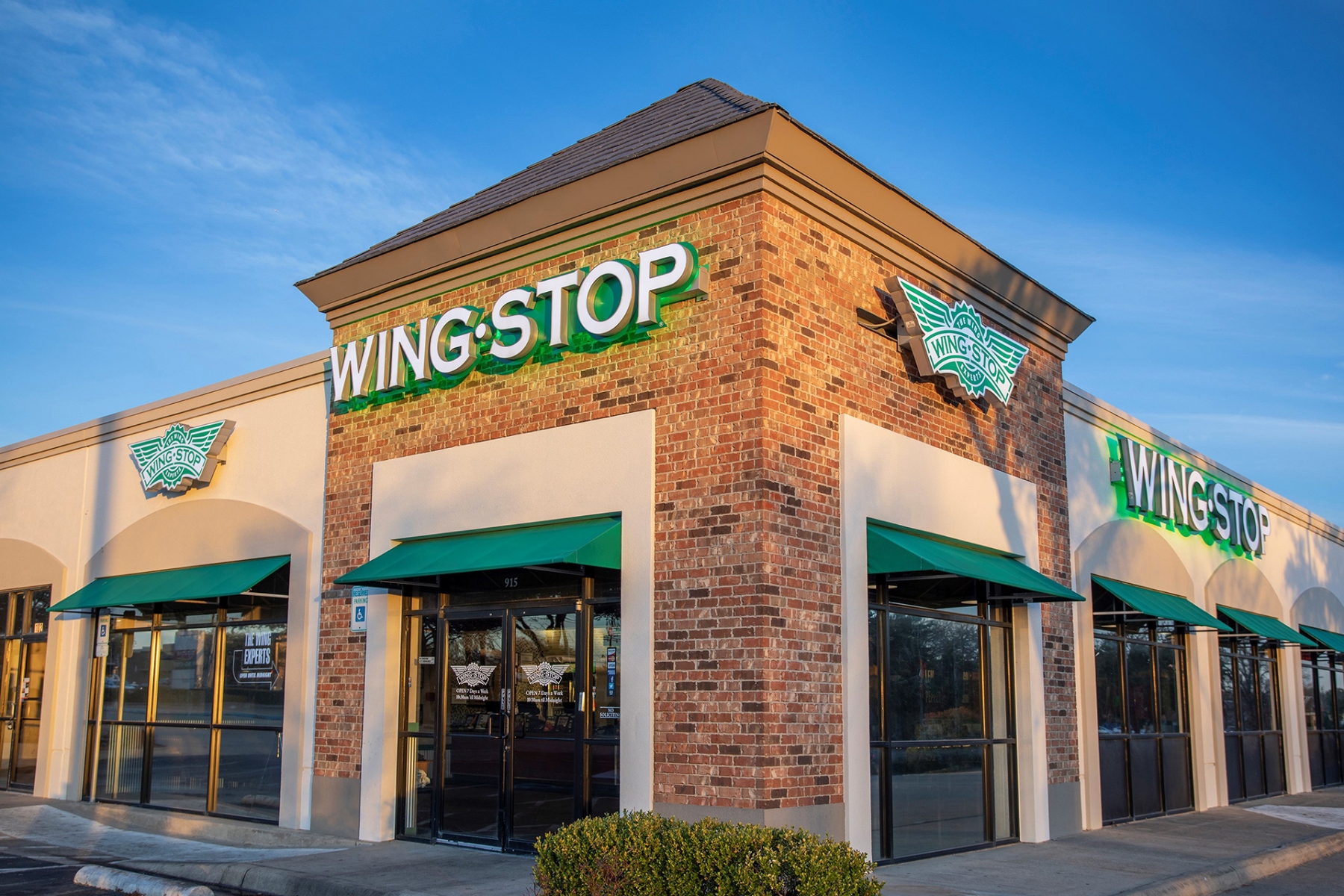
Wingstop turns match weeks into a multi-sensory festival, aligning bold pop-ups with World Cup energy to build brand affinity and measurable momentum.
May 15, 2026

The parent company behind Dunkin', Buffalo Wild Wings, and Arby's has filed for an IPO a move that could reshape how Wall Street views the restaurant sector.
May 15, 2026

Learn how to develop a memorable restaurant brand identity that stands out in a crowded market, attracts loyal customers, and drives repeat business with actionable strategies and affordable tools.
May 15, 2026
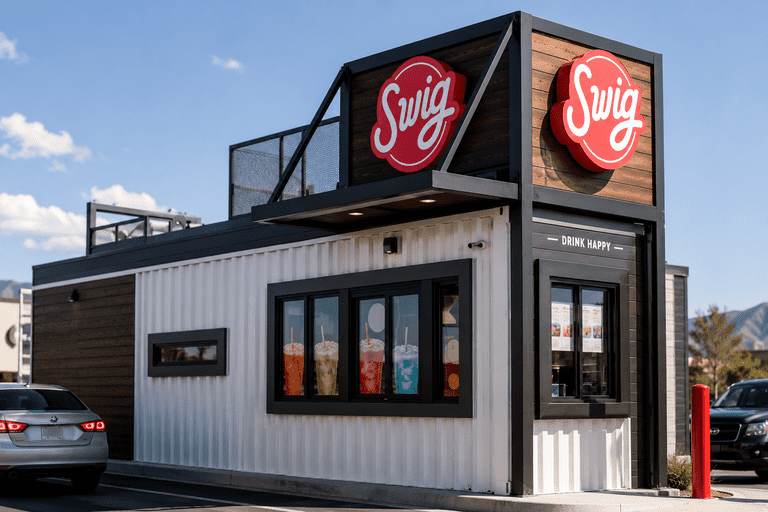
Dirty soda chain Swig is expanding into Colorado through a 10-unit franchise deal, riding a consumer beverage trend that's catching the attention of major QSR players nationwide.
May 15, 2026
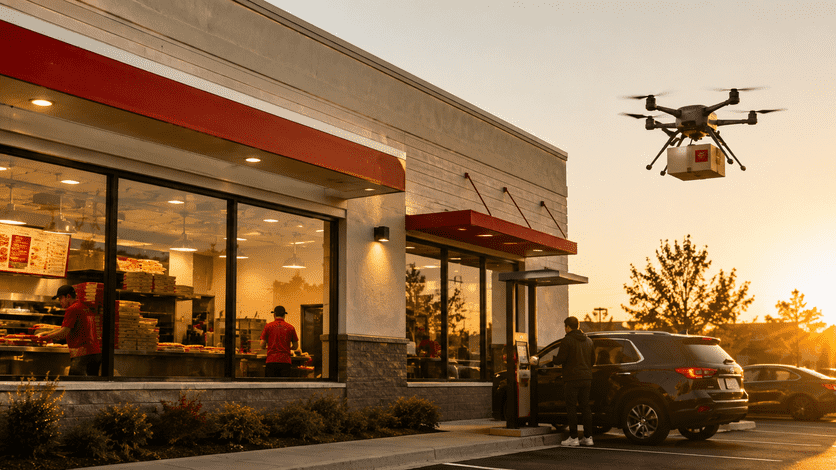
Papa Johns has teamed up with Alphabet's Wing for drone delivery of its new sandwich lineup in parts of Charlotte marking the first partnership of its kind between Wing and a national QSR brand.
May 15, 2026

A warm, expert-led look at McDonald’s Q1 results, menu makeover, and the refranchise question shaping its growth.
May 14, 2026

A reflective look at Habit Ranch, its immersive desert activation, and what it signals for brand loyalty and mindful, experiential dining.
May 14, 2026

Unlock Exclusive Access To Webinars, Events, And The Latest News For Free!
Starbucks expands its climate-resilient farm network with new innovation sites in Guatemala and Costa Rica, pursuing open knowledge sharing for global farming resilience.

Photo by Demi DeHerrera
Starbucks is expanding its global footprint beyond Hacienda Alsacia, adding two new innovation farms in Guatemala and adjacent Costa Rica, with plans for Africa and Asia. The aim is not merely growth, but a hard test bed for climate resilience and farm productivity—testing how geography and growing conditions respond to deliberate interventions. The learning from these sites, the company argues, will help farmers—and the broader industry—address the volatile conditions reshaping coffee production. “Starbucks works with more than 450,000 farms that grow the highest quality Arabica coffee in the world,” said Michelle Burns, Starbucks evp of Global Coffee and Sustainability. The core promise: to share seeds, research and practices to help farmers mitigate climate change and ensure a sustainable future of coffee for all.
These two sites join a broader innovation network that already includes 10 Farmer Support Centers and about 70 model farms, designed to translate research into practice. Starbucks buys about 3% of the world’s coffee and sources only Arabica beans, underscoring its focus on specialty-grade quality. The expansion signals a Coffee Belt–wide approach to climate challenges, extending the reach of a proven model that links on-farm trials to practice across markets.

Costa Rica will host a site co-located with Hacienda Alsacia, designed as a testbed for mechanization and drone-enabled agriculture to address persistent labor shortages in coffee cultivation. Meanwhile, the Guatemalan farm will replicate a smallholder farming design in the Antigua Valley to mirror challenges faced by many farmers, creating a live environment to test low-cost, scalable practices. These innovation hubs are framed as venues to trial technology and disseminate seeds, research, and lessons learned across Starbucks’ partnerships. The expansion aligns with a network that includes 10 Farmer Support Centers and 70 model farms where ideas move from lab to field.
These hubs function as practical laboratories, linking on-farm interventions with seeds, research, and scalable practices. The goal is not only to expand Starbucks’s own supply but to disseminate findings that can lift farmers and partners beyond its walls, enabling a broader climate-resilience blueprint across markets.

“Through these innovation farms, we will develop solutions that will not only improve coffee productivity and quality but also empower farmers with the tools and knowledge needed to thrive in a changing world and challenging climate,” said Roberto Vega, Starbucks vice president of Global Coffee Agronomy, R&D and Sustainability, with Starbucks reinforcing the mission. The work is described as a ripple outward—benefiting farmers, customers, and the broader agricultural community facing climate pressures. “The future of coffee depends on action,” added Ricardo Arias-Nath, senior vice president, Global Coffee & Tea, and president, Latin America and the Caribbean. The tone is urgent, but the method remains concrete: test, learn, and scale.
The leadership underscores that this is not a one-off push but a standards-driven effort—seed distribution, agronomy support, and open sharing span the network. The two new farms are meant to be practical laboratories, accelerating technology transfer from Hacienda Alsacia to farmers worldwide. The message is blunt: action now, learning fast, and applying findings across crops and markets impacted by climate change.
“100 million climate-resilient coffee trees” donated to farmers since the program began in 2017, with an additional 50 million trees to come to help smallholder farms adapt to climate change. The effort draws on Hacienda Alsacia research and partnerships with Conservation International, among others. Beyond planting, Starbucks operates a Global Farmer Fund, which last year reached $100 million in financing to smallholder farmers worldwide, enabling on-farm renovations, infrastructure improvements and greater financial stability. Trees and seedlings are distributed free of charge to farmers when paired with agronomy support.
As a broader timeline, the two new farms represent the latest step in a longer program spanning continents. The path forward emphasizes a phased, learning-driven approach, with investments in Africa and Asia framed as adaptable pilots rather than fixed launches. Observers will watch how the open exchange of seeds, practices and data translates into tangible benefits for smallholders beyond Starbucks’s own supply chain, and whether the model accelerates industry-wide adoption.
Starbucks’s farm-expansion sits within a broader industry framework of ethical sourcing and climate resilience. The company has long operated under the C.A.F.E. Practices, introduced in collaboration with Conservation International, as one of the industry’s early sets of guidelines for responsible sourcing, supplier transparency and environmental leadership. The strategy also includes a network of Farmer Support Centers and model farms designed to share knowledge and accelerate improvements in productivity and climate resilience across markets. This approach complements ongoing climate-related investments in the sector and reinforces Starbucks’s role as a leader in disseminating farming innovations across markets and crops facing climate challenges.
The frame is not just about Starbucks’s supply but about a shared knowledge ecosystem. The Farmer Support Centers and model farms act as conduits for spreading successful practices, enabling a broader, climate-adaptive agriculture toolkit across partners and markets.
While the Guatemala and Costa Rica farms mark a clear expansion, precise timelines for Africa and Asia remain less defined, with emphasis on piloting adaptable models and scalable practices rather than fixed launch dates. The approach is phased and learning-driven, designed to adapt to regional conditions and evolving climate dynamics. Observers will be watching whether open sharing translates into tangible improvements for smallholders beyond Starbucks's own supply chain and whether the open model accelerates broader industry adoption.
Starbucks’s expansion represents a strategic bet on climate resilience, farm productivity and knowledge sharing that extends well beyond its own sourcing. By scaling the innovation-farm model, disseminating seeds and agronomy practices, and aligning with an open, industry-wide improvement mindset, Starbucks signals a disciplined, standards-driven approach to safeguarding the future of coffee for a broad set of stakeholders.