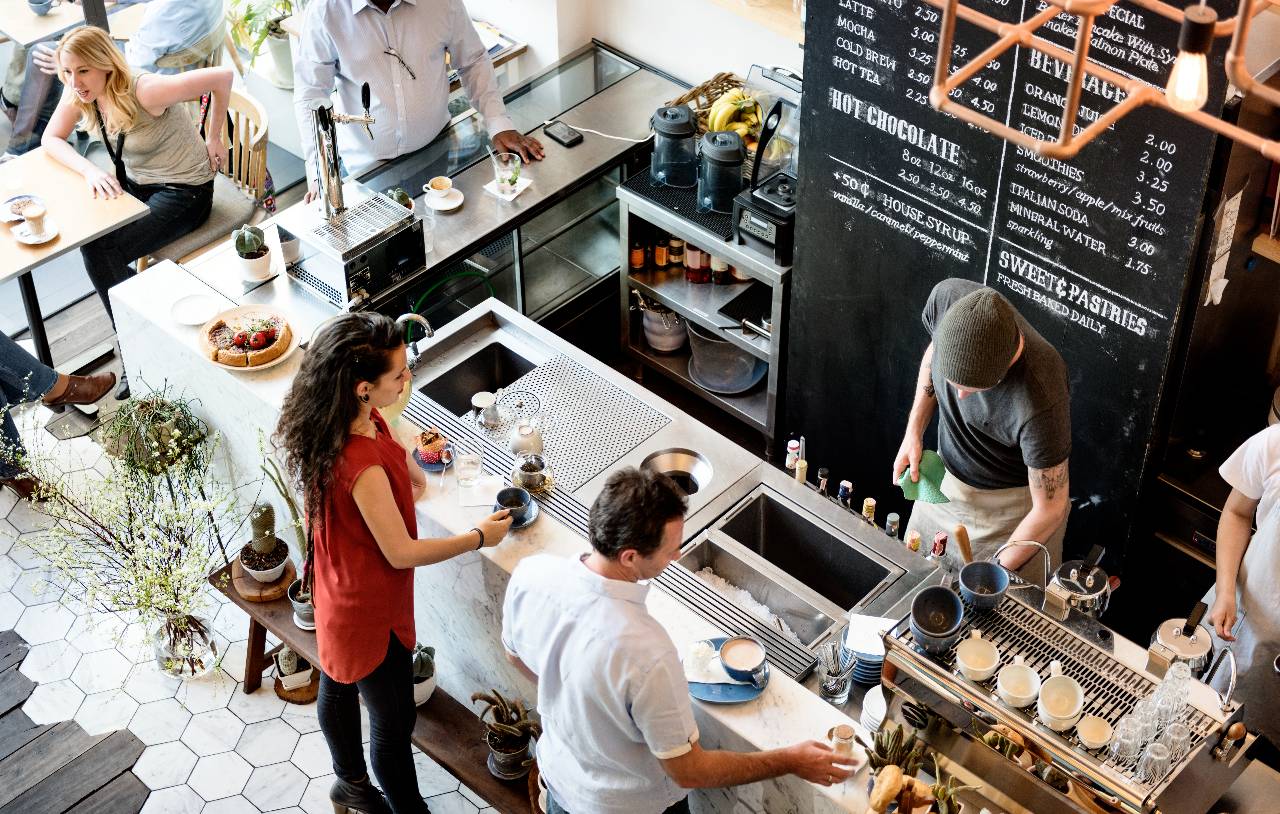
How Much Does It Cost to Open a Coffee Shop in 2026?
Opening a coffee shop in 2026 requires careful cost planning across rent, equipment, labor, technology, menu strategy, marketing, and sustainability.
operations
May 15, 2026
Opening a coffee shop in 2026 requires careful cost planning across rent, equipment, labor, technology, menu strategy, marketing, and sustainability.
May 15, 2026
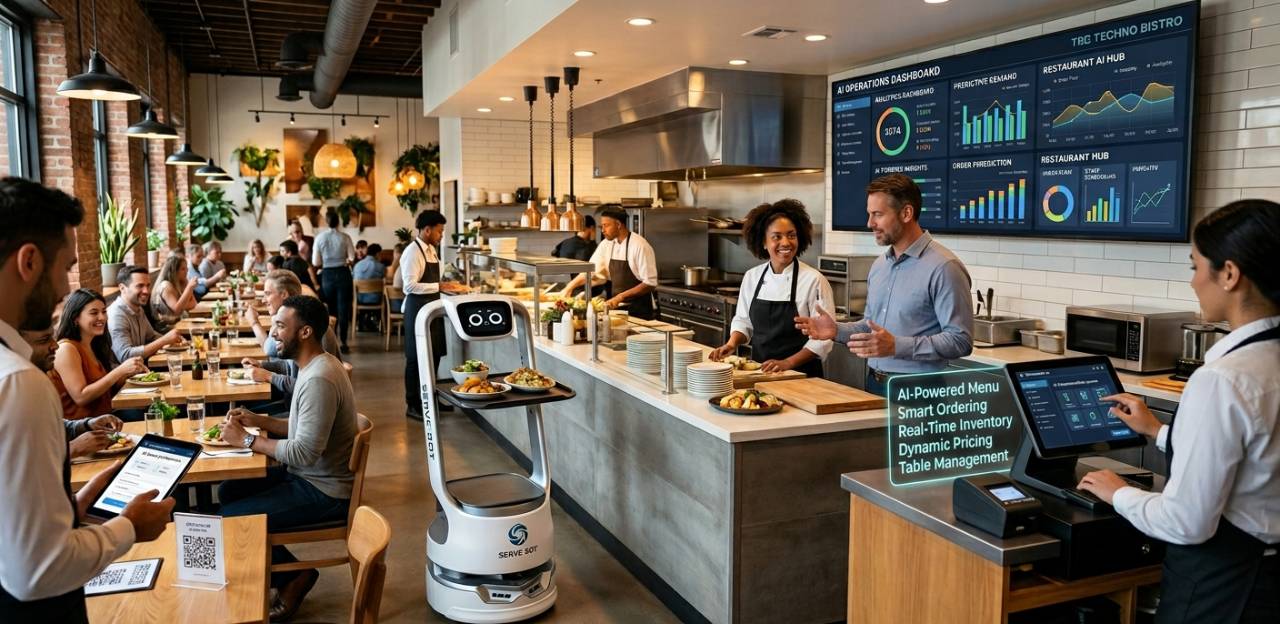
This AI playbook covers restaurant tools for voice ordering, staffing, compliance, menu pricing, inventory, marketing, ChatGPT prompts, and SEO.
May 15, 2026
Hardee’s giant Boddie-Noell inks 31-unit Scooter’s Coffee deal for NC and VA, leveraging drive-thru growth and local roots with rollout over 12–18 months.
May 15, 2026
Wingstop turns match weeks into a multi-sensory festival, aligning bold pop-ups with World Cup energy to build brand affinity and measurable momentum.
May 15, 2026
The parent company behind Dunkin', Buffalo Wild Wings, and Arby's has filed for an IPO a move that could reshape how Wall Street views the restaurant sector.
May 15, 2026

Learn how to develop a memorable restaurant brand identity that stands out in a crowded market, attracts loyal customers, and drives repeat business with actionable strategies and affordable tools.
May 15, 2026
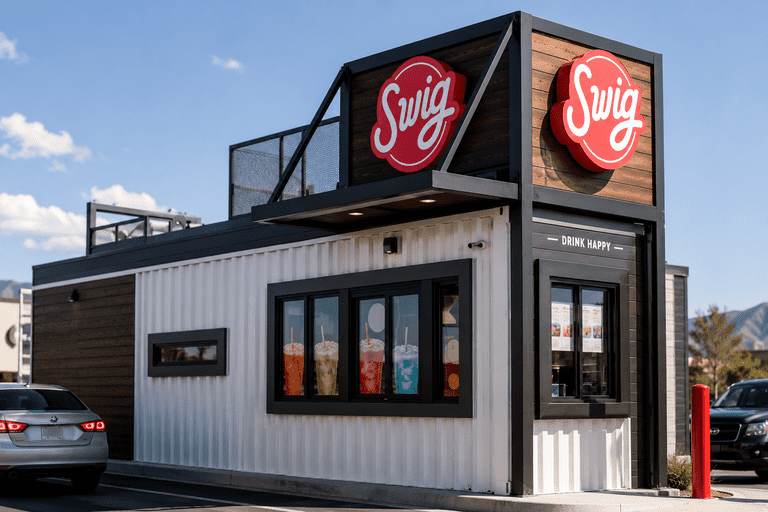
Dirty soda chain Swig is expanding into Colorado through a 10-unit franchise deal, riding a consumer beverage trend that's catching the attention of major QSR players nationwide.
May 15, 2026
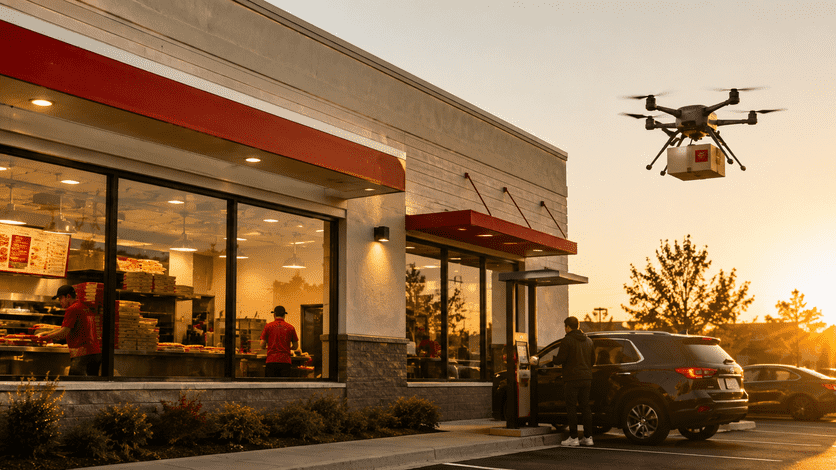
Papa Johns has teamed up with Alphabet's Wing for drone delivery of its new sandwich lineup in parts of Charlotte marking the first partnership of its kind between Wing and a national QSR brand.
May 15, 2026

A warm, expert-led look at McDonald’s Q1 results, menu makeover, and the refranchise question shaping its growth.
May 14, 2026
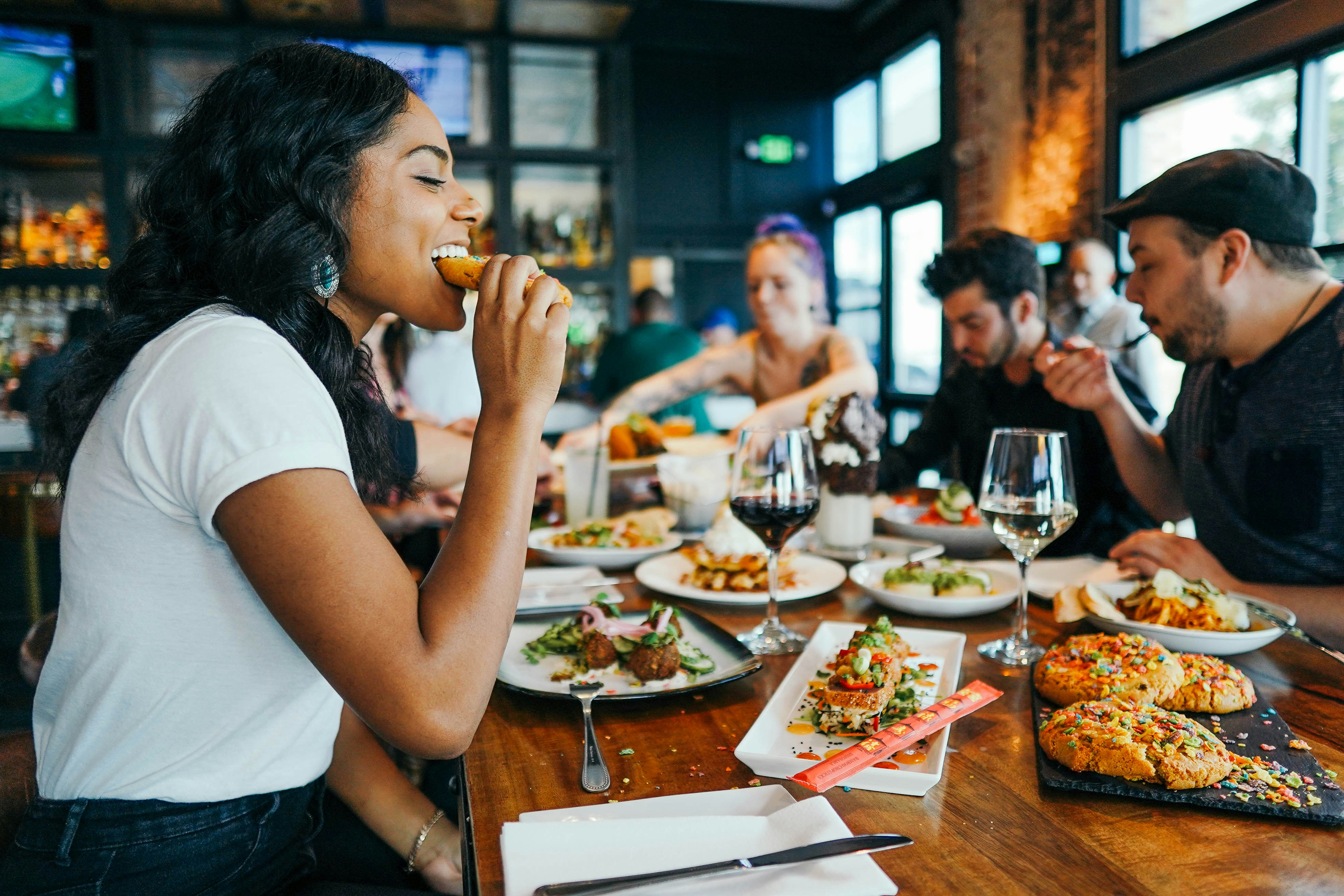
A reflective look at Habit Ranch, its immersive desert activation, and what it signals for brand loyalty and mindful, experiential dining.
May 14, 2026

Unlock Exclusive Access To Webinars, Events, And The Latest News For Free!
Sportball expands beyond Canada with private equity backing, a digital backbone, and a disciplined multisport curriculum, pushing into Texas and India while keeping coaching quality.

Photo by Valdhy Mbemba
Sportball, a Toronto-born multisport program for children ages 16 months to 12 years, has sharpened its focus on scale. A 2023 ownership change brought GoodCapital into the fold, and with it a refreshed narrative and a tighter operating playbook. Under Quinten Griffiths, the brand has energized its U.S. footprint and franchisees, aligning leadership with a disciplined growth cadence. The aim is simple: deliver a consistent, high‑quality experience across markets while expanding reach. That shift wasn’t cosmetic; it set a path toward scalable operations, a rooted commitment to coaching quality, and a plan to translate a Canadian strength into a global footprint.
The company currently operates in seven U.S. markets—Boston, Brooklyn, Phoenix, South Bay, Austin, Katy, and North Houston—with San Antonio slated to launch in 2026, signaling a decisive push into Texas’ growing family-market ecosystem. Globally, Sportball now counts more than 900 locations across four countries, including Canada, the U.S., Singapore, and India, serving more than 70,000 children each year and touching well over 700,000 since inception. The model emphasizes a non-competitive, development-first pathway that rotates children through eight major ball sports within sessions, reinforcing physical literacy and social growth. This combination of private-capital backing, a digital backbone, and a multisport curriculum positions Sportball to scale while maintaining a high-quality, consistent experience for families.

Sportball’s expansion story centers on a pivotal 2023 shift when GoodCapital acquired the company, enabling a broader brand overhaul, leadership refresh, and a more integrated growth playbook. Industry observers note that private-equity-backed platforms are increasingly seeking accelerants in youth activities, where standardized curricula and scalable franchising unlock geographies. In parallel, Quinten Griffiths, who joined GoodCapital as a partner in 2020 and later assumed Sportball’s CEO role, has steered a disciplined course toward scale. Jason D’Rocha, with over two decades at Sportball, has served as the steady conduit between strategy and field realities, underscoring coaching quality and program integrity. The Villalons, long-time Texas franchisees, illustrate how corporate shifts translate into ground-level momentum.
Leadership changes at the corporate level have translated into deeper franchise support and renewed momentum on the ground. The focus is on coaching development, staff retention, and near-term expansion, signaling a model where franchisees sit at the center of sustaining quality as growth accelerates.

At the core of Sportball’s approach is a multisport curriculum designed to build physical literacy, coordination, and social skills through exposure to eight major North American ball sports — basketball, soccer, hockey, football, baseball, tennis, golf, and volleyball — within a single, cohesive program. The model emphasizes learning through play, reducing the emphasis on competition to foster a long-term love of movement. The structure centers on rotating through sports to reinforce transferable skills, while coaches adapt activities to developmental levels and group dynamics, creating a classroom of movement that emphasizes confidence, collaboration, and joy. The teaching philosophy is reinforced by a rigorous certification and coaching framework that trains coaches from entry-level to master levels, ensuring a consistent standard across locations.
According to Sportball, children play up to eight different sports in each session, a hallmark of the cross-sport approach. This cadence reinforces transferable skills and builds a broad movement vocabulary while keeping the atmosphere non-competitive and playful. The result is a program that appeals to families seeking breadth, continuity, and quality in a single steady experience.

The Villalons, long-time Texas operators, illustrate a practical consequence of corporate shifts. Mica Villalon, who began as a full-time coach at the brand’s first U.S. site in Austin in 2005 and later became a franchise owner with Alyssa in 2012, describes a hands-on, coach-centric operational ethos. He emphasizes the realities of coaching—We know all the difficulties and the challenges of being a coach—and explains that stronger conditions for coaches help reduce turnover and raise program standards. Their franchise is an example of how full-time salaried roles can stabilize staff, improve customer experience, and support growth.
The corporate changes have energized franchisees and reinforced a commitment to expanding Sportball’s footprint. The focus on coaching development, staff retention, and near-term expansion signals a model where franchisees are central to sustaining quality as growth accelerates. The outcome is a more professional network that can scale while preserving the core, non-competitive and development-first ethos that defines Sportball.

A central pillar of Sportball’s growth is the integration of technology with franchise operations. The company has described a system-wide refresh that includes leadership changes, a revamped website, updated training, and stronger learning-management capabilities designed to support franchisees at scale. The technology layer supports a more data-driven, transparent business model — an essential asset as the company pursues aggressive U.S. expansion while maintaining consistent quality across dozens of locations. In the same period, Sportball announced international momentum, including expansion into Gurugram, India, positioning the company to offer its signature approach in a major South Asian market and to explore exchange programs that connect coaches across Canada, the U.S., Singapore, and India.
The approach centers on deliberate expansion, keeping growth close to existing units when possible to maximize operational efficiency while preserving brand integrity. A notable milestone is San Antonio receiving a second location in 2026, underscoring a multi-market pattern that underpins the strategic plan. The India push with Gurugram marks a milestone in broadening Sportball’s global footprint, while the ongoing emphasis on a digital backbone supports a scalable model across markets and franchises.