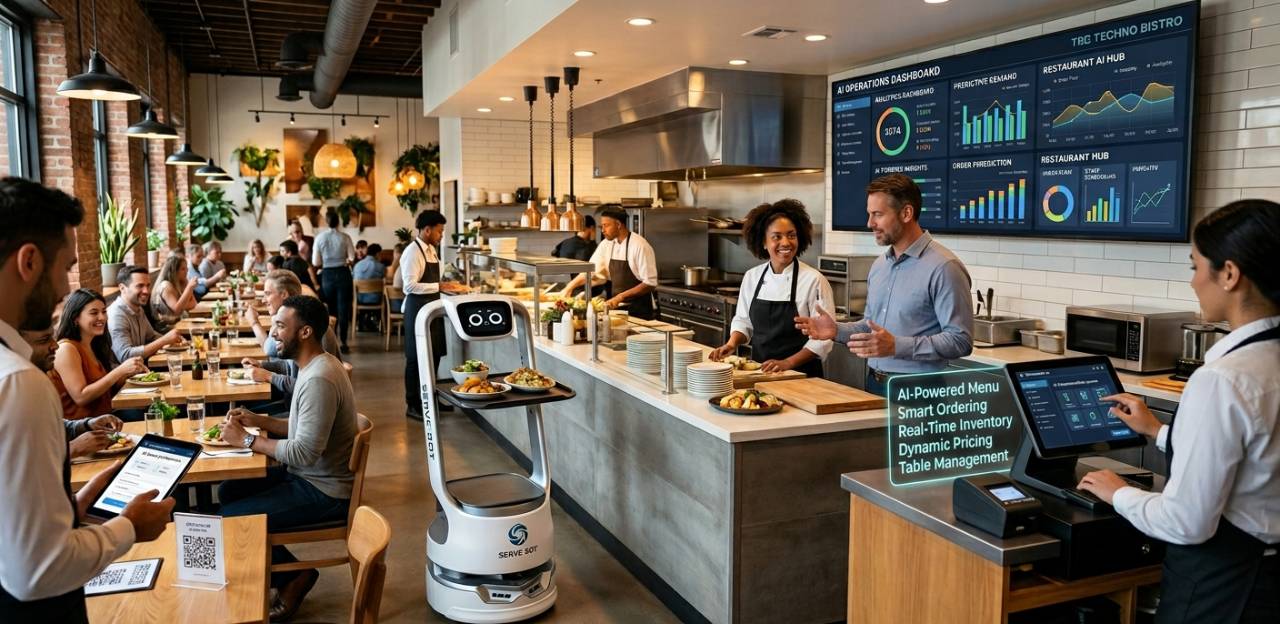
AI Playbook for Restaurant Owners
This AI playbook covers restaurant tools for voice ordering, staffing, compliance, menu pricing, inventory, marketing, ChatGPT prompts, and SEO.
tech
May 15, 2026
This AI playbook covers restaurant tools for voice ordering, staffing, compliance, menu pricing, inventory, marketing, ChatGPT prompts, and SEO.
May 15, 2026
Opening a coffee shop in 2026 requires careful cost planning across rent, equipment, labor, technology, menu strategy, marketing, and sustainability.
May 15, 2026
Hardee’s giant Boddie-Noell inks 31-unit Scooter’s Coffee deal for NC and VA, leveraging drive-thru growth and local roots with rollout over 12–18 months.
May 15, 2026
Wingstop turns match weeks into a multi-sensory festival, aligning bold pop-ups with World Cup energy to build brand affinity and measurable momentum.
May 15, 2026
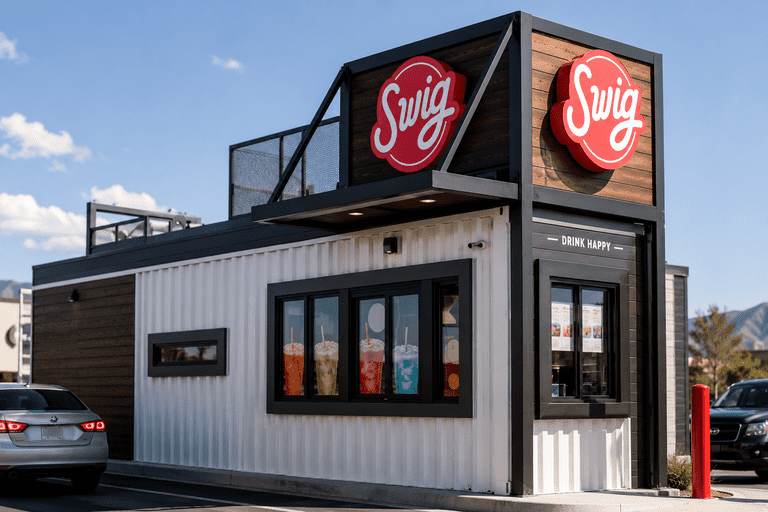
Dirty soda chain Swig is expanding into Colorado through a 10-unit franchise deal, riding a consumer beverage trend that's catching the attention of major QSR players nationwide.
May 15, 2026
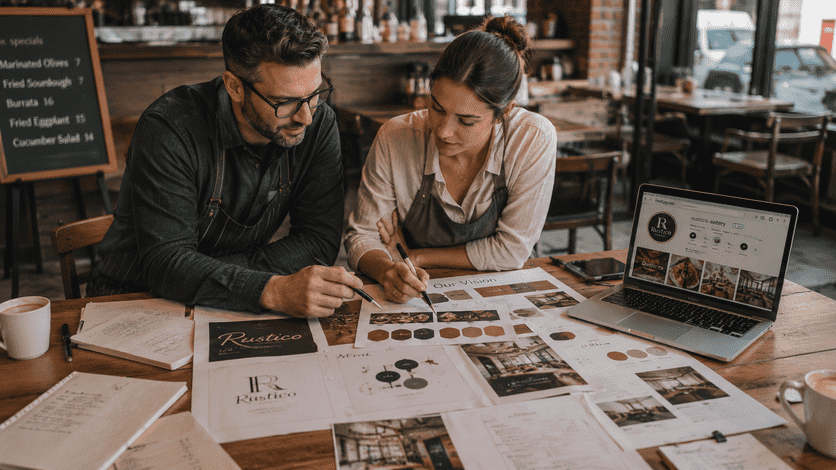
Learn how to develop a memorable restaurant brand identity that stands out in a crowded market, attracts loyal customers, and drives repeat business with actionable strategies and affordable tools.
May 15, 2026
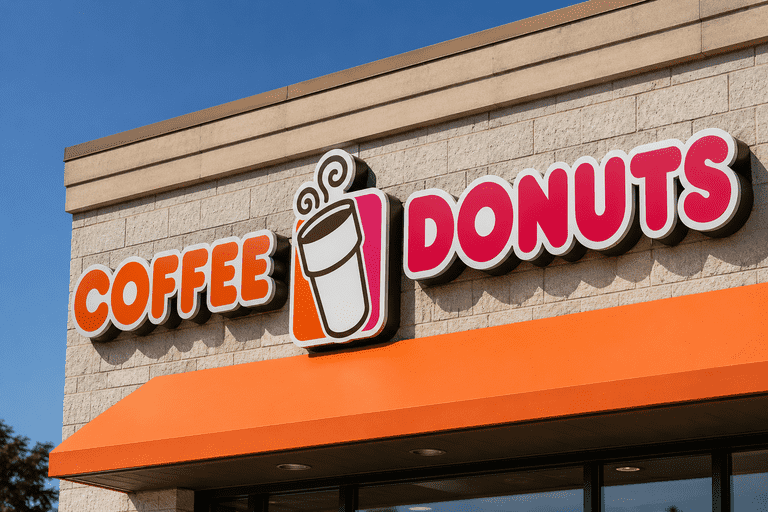
The parent company behind Dunkin', Buffalo Wild Wings, and Arby's has filed for an IPO a move that could reshape how Wall Street views the restaurant sector.
May 15, 2026
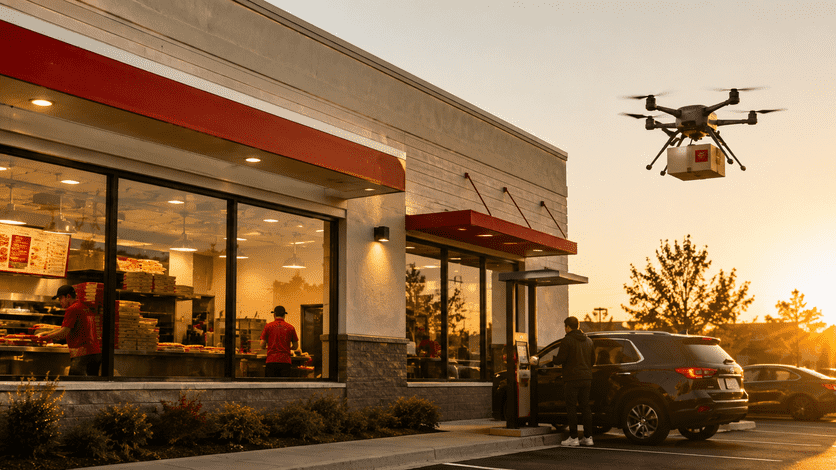
Papa Johns has teamed up with Alphabet's Wing for drone delivery of its new sandwich lineup in parts of Charlotte marking the first partnership of its kind between Wing and a national QSR brand.
May 15, 2026

A warm, expert-led look at McDonald’s Q1 results, menu makeover, and the refranchise question shaping its growth.
May 14, 2026
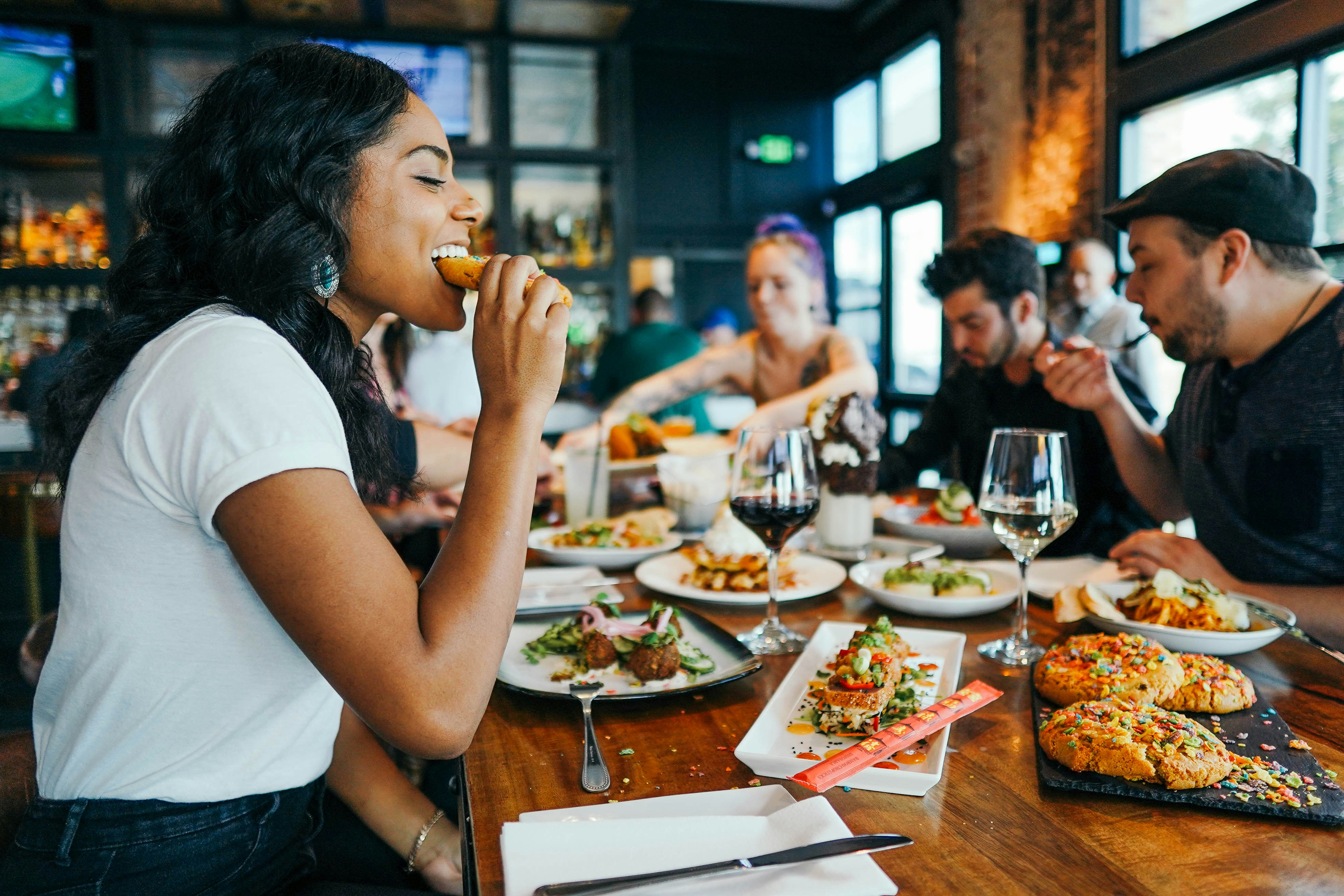
A reflective look at Habit Ranch, its immersive desert activation, and what it signals for brand loyalty and mindful, experiential dining.
May 14, 2026

Unlock Exclusive Access To Webinars, Events, And The Latest News For Free!
A warm look at how restaurant scheduling apps and AI are reshaping labor, compliance, and margins from cafés to franchises.
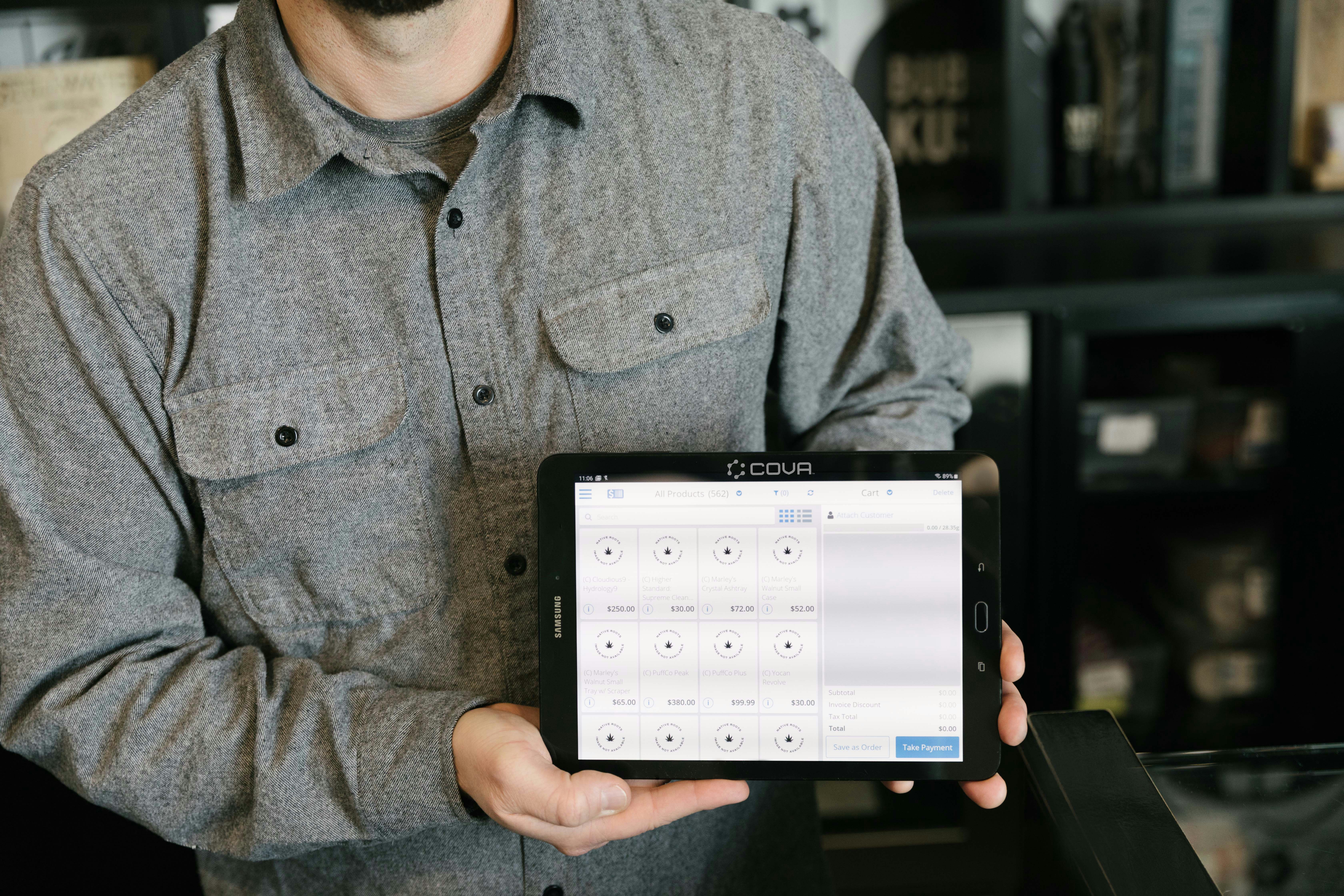
Photo by Cova Software
Walking into a familiar café, you hear the quiet glow of a scheduling screen, the soft click of a clocking device, and the sense that something gentler has entered the room. This is not a sprint toward clever apps but a slow, comforting shift: scheduling tools built for restaurants that promise to streamline workforce management, cut no-shows, and bolster compliance in a labor market that can feel intimate in its pressures. At the counter and in the back, operators weigh Homebase, 7shifts, Deputy, SocialSchedules, Sling, and HotSchedules, seeking a pace that supports hospitality as much as efficiency. It’s about hours saved, a steadier rhythm, and a kitchen that feels designed for lingering conversations.
Across the landscape, leaders are judged by impact as much as by feature lists. In a recent data-driven assessment, Homebase led with an overall score of 4.54 out of 5, followed by 7shifts at 4.43 and Deputy at 4.36; other contenders such as SocialSchedules, Sling, and HotSchedules bring specialized strengths for different models. Operators range from a single neighborhood café to multi-location concepts, increasingly leaning into AI-enabled forecasting and automation to wring efficiency from labor budgets. And across the industry, AI adoption is taking root: more than a quarter of operators are using AI-related tools, with Deloitte’s 2025 work finding near-universal experimentation in forecasting, inventory, and scheduling as restaurants seek margins in a tight marketplace.
It’s a quiet revolution with a warm, practical core. The conversations in kitchens aren’t about replacing people but about giving teams a gentler, clearer map for the week ahead. The mood is hopeful more than flashy: a sense that the next shift can be calmer, and that guests will feel the care that goes into planning—before the first ticket hits the printer.
Operators have long wrestled with three stubborn realities: labor costs that drift out of line with demand, persistent no-shows, and the constant push to stay compliant with evolving wage-and-break rules. The input frame for this analysis makes clear that choosing the right scheduling software can fundamentally transform daily operations—streamlining management, preventing no-shows, and anchoring compliance. In a broader context, these tools are not mere conveniences but strategic responses to a tight labor market and rising costs. The collaboration between The James Beard Foundation and Deloitte reminds us that even as pricing power tightens, operators turn to technology to improve predictability and guest experiences, shifting from reactive to proactive labor management. Deloitte’s 2025 Frontline Human Capital Trends repeats this refrain: AI as a core accelerant for staffing, engagement, and regulatory compliance.
In this context, technology is reframing the cost/benefit calculus. When labor targets and compliance measures align with real-time demand signals, operators can convert planning from a quarterly concern into an ongoing practice of care—without sacrificing guest experience.
In short, these tools are not only about saving schedule minutes; they’re about shaping the timing and tone of a business that relies on human warmth as much as it relies on data.
Homebase structures pricing by location with a free Basic plan for up to 10 employees at a single site, then scales into All-in-One HR and labor-cost management, with add-ons like Payroll and Task Manager showing how operators grow features as needed. Across tiers, essential scheduling, time tracking, and team messaging remain core, while automation and AI scheduling increasingly embed into mid- and upper-tier plans. 7shifts markets itself as a multi-location solution with scheduling across sites, labor forecasting, and an Operations Overview that aggregates data across venues. Deputy emphasizes flexible scheduling, auto-scheduling, and analytics, with a 14+ day free trial and paid add-ons like Payroll, HR, and Analytics+. SocialSchedules foregrounds strict labor compliance with auto break allocations, penalties for missed breaks, and real-time enforcement, including multi-location capabilities and integrated payroll. Sling offers per-user or per-location pricing with a notable free tier and affordable Premium options, while HotSchedules targets enterprise franchises with more advanced labor accuracy and AI-driven scheduling. Integrations with POS, payroll, and HR systems are widespread, enabling data transfers that support forecasting and compliance.
Across these platforms, the backbone is familiar: POS, payroll, and HR systems connect to deliver data that fuels forecasting and compliance. Most vendors offer a free trial period—often 14 to 31 days—and many promote annual billing discounts, especially for franchises seeking multi-site rollouts. The tendency is toward consolidated ecosystems that minimize data silos and maximize visibility across locations.
Industry reactions to AI-driven scheduling are cautiously optimistic. The NRA’s State of the Restaurant Industry 2026 notes that more than a quarter of operators are using AI-related tools, with ongoing emphasis on front-office automation and administrative applications as a path to improved efficiency. Deloitte’s 2025 work highlights that nearly 75% of surveyed restaurants are piloting or deploying AI solutions to enhance the crew experience, signaling a broad move toward smarter labor management. In the broader tech-restaurant dialogue, AI forecasting is described as the most proven AI use case today, driving measurable ROI in labor and inventory decisions, and enabling on-the-fly staffing adjustments as demand signals evolve. The takeaway: operators are increasingly embracing AI-enabled scheduling as a core operating capability rather than a peripheral add-on.
As conversations continue, many foresee a future where AI agents autonomously adjust schedules while human judgment remains essential for guest experience and complex decisions. The trend speaks not only to efficiency but to a more thoughtful, guest-centered approach to staffing, where planning and presence go hand in hand.

Forecasting-driven labor management is poised to move from a novel capability to a baseline. The leading platforms are increasingly differentiated by their target segments—single-location operators, multi-unit franchises, or venues with high compliance stakes—while all converge on integrations with POS and payroll to unlock data-driven scheduling. The industry narrative points toward a shift away from Excel- or paper-based processes toward purpose-built software, with tangible implications for staff satisfaction, cost control, and regulatory adherence. As 2026 unfolds, operators should weigh not just feature lists but also trial experiences, implementation support, and the platform’s ability to scale with growth and adapt to evolving regulatory environments. The end result promises a more predictable, compliant, and people-centered restaurant operation where AI-enabled labor management becomes a baseline capability rather than a luxury.
In this quiet, warm arc, the dining room learns to anticipate. The screen glows softly, the schedule lands with a gentleness that feels like a good night’s sleep for a busy kitchen, and the café—where comfort and care often begin—finds a new rhythm that honors both people and guests.