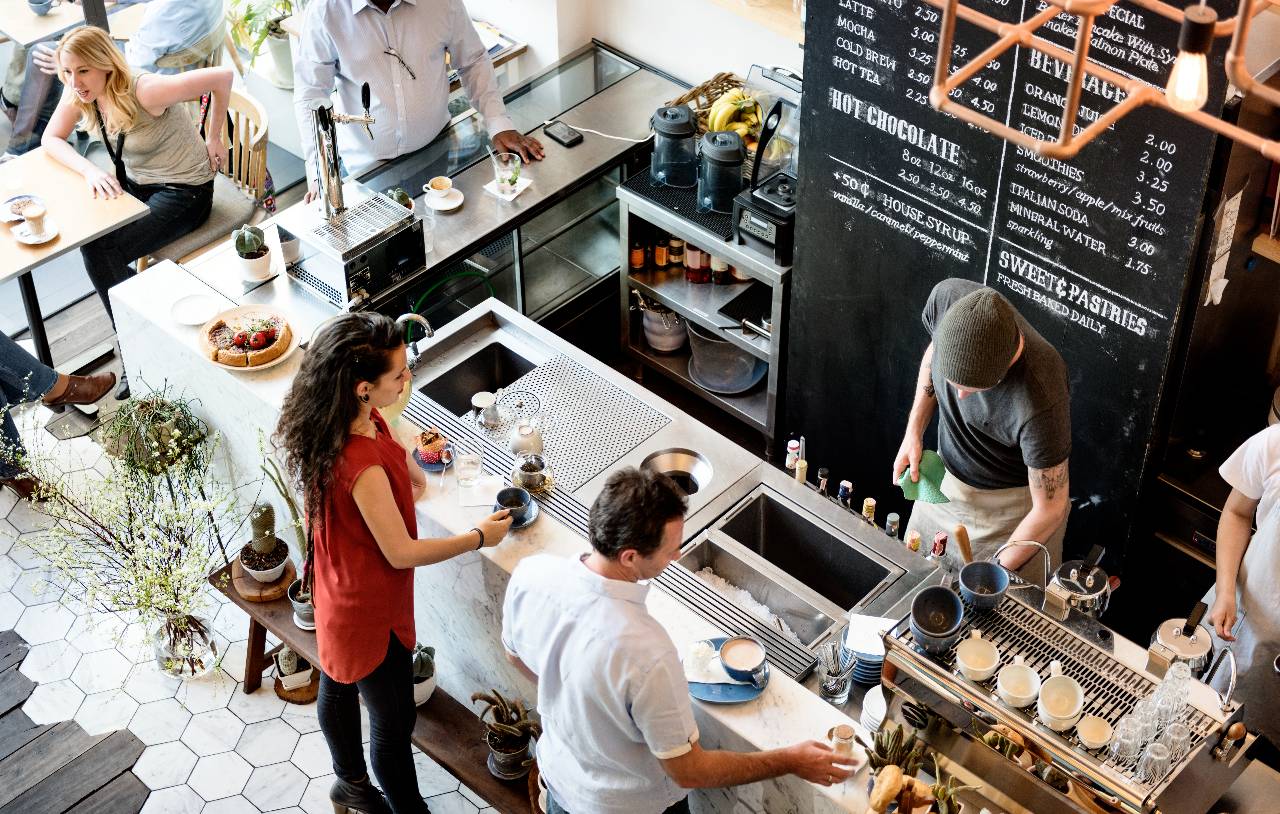
How Much Does It Cost to Open a Coffee Shop in 2026?
Opening a coffee shop in 2026 requires careful cost planning across rent, equipment, labor, technology, menu strategy, marketing, and sustainability.
operations
May 15, 2026
Opening a coffee shop in 2026 requires careful cost planning across rent, equipment, labor, technology, menu strategy, marketing, and sustainability.
May 15, 2026
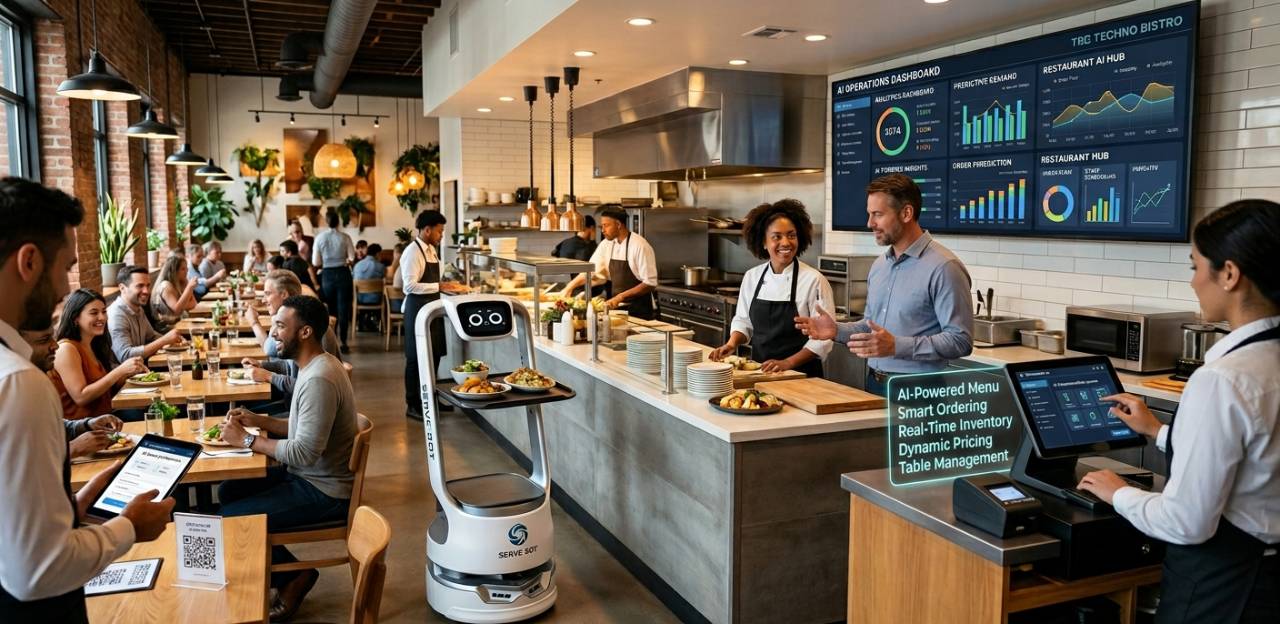
This AI playbook covers restaurant tools for voice ordering, staffing, compliance, menu pricing, inventory, marketing, ChatGPT prompts, and SEO.
May 15, 2026
Hardee’s giant Boddie-Noell inks 31-unit Scooter’s Coffee deal for NC and VA, leveraging drive-thru growth and local roots with rollout over 12–18 months.
May 15, 2026
Wingstop turns match weeks into a multi-sensory festival, aligning bold pop-ups with World Cup energy to build brand affinity and measurable momentum.
May 15, 2026
The parent company behind Dunkin', Buffalo Wild Wings, and Arby's has filed for an IPO a move that could reshape how Wall Street views the restaurant sector.
May 15, 2026
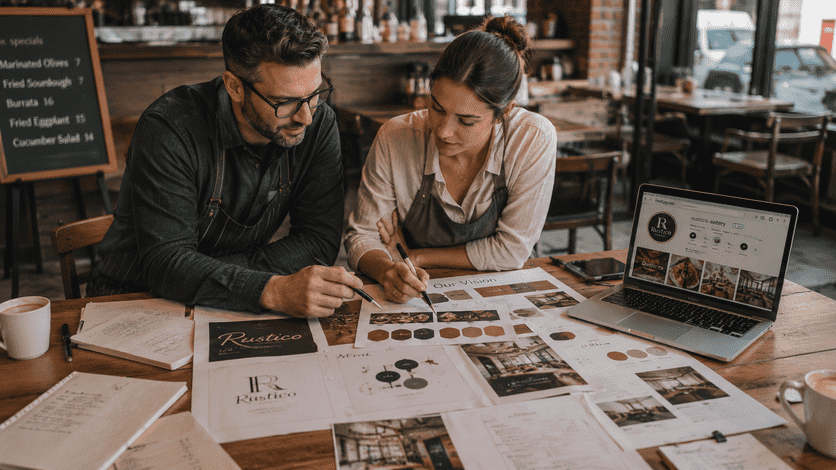
Learn how to develop a memorable restaurant brand identity that stands out in a crowded market, attracts loyal customers, and drives repeat business with actionable strategies and affordable tools.
May 15, 2026
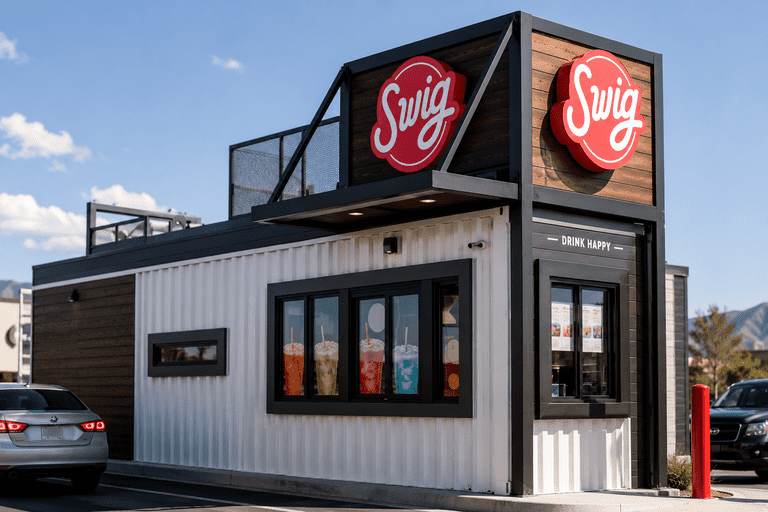
Dirty soda chain Swig is expanding into Colorado through a 10-unit franchise deal, riding a consumer beverage trend that's catching the attention of major QSR players nationwide.
May 15, 2026
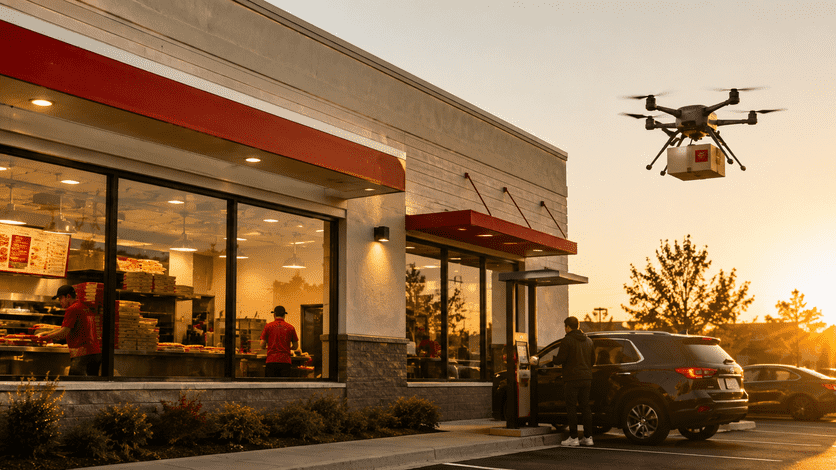
Papa Johns has teamed up with Alphabet's Wing for drone delivery of its new sandwich lineup in parts of Charlotte marking the first partnership of its kind between Wing and a national QSR brand.
May 15, 2026
A warm, expert-led look at McDonald’s Q1 results, menu makeover, and the refranchise question shaping its growth.
May 14, 2026
A reflective look at Habit Ranch, its immersive desert activation, and what it signals for brand loyalty and mindful, experiential dining.
May 14, 2026

Unlock Exclusive Access To Webinars, Events, And The Latest News For Free!
Shake Shack names Jim Taylor chief commercial officer to centralize marketing and culinary, aligning with record unit growth, stronger margins, and a scaled loyalty push.
Shake Shack has created a chief commercial officer role and appointed Jim Taylor—“effective January 2026”—to oversee both marketing and culinary, a move announced via press release and affirmed by subsequent reporting. Reuters underscored that Taylor will serve as the executive anchor for revenue and growth strategy while the brand undertakes its most ambitious development plans to date. By concentrating the creative pipeline, brand messaging, and the in‑restaurant experience within one function, the company is tightening the loop between what guests see in media and what they taste in the restaurant. The setup reads as a carefully composed plate: marketing and culinary plated side by side, designed to deliver a balanced, nourishing flow from ideation to execution. Rather than passing concepts between siloed teams, Shake Shack is signaling that one thoughtful commercial owner will steward the journey from test to scale. It is a gently assertive stance—aimed at growth—with an emphasis on clarity for teams and consistency for guests. Analysis: The timing and scope of the appointment indicate a deliberate centralization of decisions that shape guest perception and product, intended to support aggressive unit growth and tighter execution.
The company outlined a practical résumé behind the choice. Taylor’s tenure at Sonic ran from April 2023 to the fall of last year; before that, he logged nearly nine years at Arby’s, contributing to 12 consecutive years of sales growth, with earlier leadership roles at Olive Garden and Red Lobster. Reporting from Restaurant Business adds that Taylor brings more than 11 years of experience with Inspire Brands and leadership roles at Arby’s and Sonic. CEO Rob Lynch praised Taylor’s ability to build high-performing teams, craft thoughtful commercial strategies, and execute bold innovation that delivers “outsized results for brands while preserving what makes them truly special.” It’s a mandate that aligns with Shake Shack’s intent: scale without eroding the character that’s earned the brand its following. In a period when growth can tempt shortcuts, this hire signals a preference for disciplined creativity and brand stewardship—ambition with a guardrail. Analysis: Shake Shack chose a growth specialist with multi-brand credentials to scale concepts while protecting brand equity, matching the needs of a company moving into its largest expansion phase.
Taylor’s remit spans revenue and growth strategy while unifying marketing and culinary—an integration that Restaurant Business Online and Reuters both emphasized. By consolidating creative development, brand storytelling, and the in-restaurant experience, the company aims to link menu innovation and communications more directly to operational execution. In practice, that means fewer handoffs and more intentional pairing of product, price, and promotion across channels. The architecture is designed for speed without sacrificing quality: a single commercial command that reduces friction between teams, accelerates test-to-scale cycles, and ensures that what’s promised in media is delivered consistently in-restaurant and in-app. It’s a thoughtful way to make the guest journey feel coherent—from digital discovery to the first bite—while giving operators a clearer playbook. The intention is a brand experience that feels integrated, not improvised. Analysis: A single commercial owner can streamline decision-making, enabling faster iteration and more consistent execution of menu and marketing inside the restaurant and across digital touchpoints.
The company’s development cadence is accelerating. In fiscal 2025, Shake Shack opened 45 company-operated Shacks, finishing the year with 373 such locations. For fiscal 2026, it plans to open 55–60 company-operated restaurants—its largest pipeline to date. Pairing this buildout with a unified commercial leader is not ornamental; it ties accountability for traffic, mix, and marketing performance directly to the person shaping the menu and the message. That alignment can be nourishing for operations: one leader sees the full funnel from awareness to order, and can tune media, menu, and price architecture in concert with throughput needs and localized demand. As the footprint stretches, brand consistency can be tested by geography and pace. The new structure is an attempt to keep the experience balanced as expansion accelerates, preserving distinctiveness while moving decisively. Analysis: A larger pipeline brings complexity; concentrating marketing and culinary under one executive is a practical step to sustain brand standards and restaurant throughput during rapid growth.
Guidance sets the context for this structural shift: total revenue for 2025 is “$1.45 billion,” with fourth‑quarter revenue of “$400.5 million.” Same‑Shack sales rose 2.3% year‑over‑year for the full year and 2.1% in Q4. Restaurant‑level profit margins are forecast to move from “22.5%–22.7%” in FY 2025 to “23.0%–23.5%” in FY 2026. Licensing revenue is expected to reach “$59–61 million.” Net income for 2025 is projected at $50–60 million, and adjusted EBITDA is anticipated at $237–245 million for 2026. MarketChameleon also highlights targeted G&A expense ratios of roughly 12.0%–13.0% for 2026. These figures—drawn from Investing.com and Nasdaq’s reporting of preliminary results and guidance—portray a brand threading the needle: mid‑single‑digit comp momentum, rising margins, and tighter overhead. A CCO’s integrated view of menu development, media mix, and pricing strategy can help protect this trajectory, aligning value messaging with premium offerings and ensuring kitchen design and staffing translate demand into consistent, speedy service. Analysis: The guidance reflects balanced growth and cost control; a unified commercial strategy is positioned to further synchronize menu, media, and pricing to sustain margin expansion and comp health.
Shake Shack’s growth framework leans on paid media, digital value, premium limited‑time offers, and restaurant‑level excellence. Campaigns such as the Dubai Shake and app‑exclusive “$1, $3, $5” value deals have lifted app traffic and engagement. At the same time, the brand is testing elevated LTOs like the French dip Angus steak sandwich and a baby back rib sandwich, operating against a firmly “locked‑down 18‑month” culinary innovation calendar. Behind the counter, innovations in kitchen layouts and equipment are designed to enhance throughput and reduce build costs—practical changes that make demand surges more manageable. The loyalty platform is being developed toward a ‘best‑in‑class’ system by 2026, with downloads surging and loyalty guests showing higher frequency and lifetime value. Bringing marketing and culinary together under the CCO should make these levers feel more intentional: value offers that complement indulgent LTOs, digital journeys that end in swift fulfillment, and an operations rhythm that makes the experience feel thoughtful rather than hurried. Analysis: Synchronizing value messaging with premium launches, while tuning kitchens and the app, can convert awareness into speed, consistency, and repeat visits under a single commercial leader.
The operating environment is not frictionless. The company continues to manage beef cost inflation and weather‑related impacts, while addressing softer trends in New York and the Northeast with operational adjustments and targeted promotions. The balance to strike is clear: protect margins and comps without diluting brand standards. Here, central commercial leadership can set market‑specific playbooks—matching offer cadence to regional conditions, shaping media weight where it can do the most good, and pairing kitchen process tweaks with demand pacing. It’s a mindful response to exogenous pressures: not overreacting, yet not static—adjusting levers that can be tuned without compromising the core experience guests expect. Analysis: Inflation and weather are outside forces, but targeted promotions and process improvements can mitigate volatility; unified commercial leadership helps prioritize the most effective tactics by geography.
The CCO appointment arrives amid a broader leadership refresh. In July 2025, a new chief people officer joined; September brought the company’s first chief brand officer. CFO Katie Fogertey plans to depart in March 2026, and a successor has not yet been named. Taylor’s arrival completes a methodical sequence aimed at strengthening commercial, people, and brand capabilities while maintaining forward momentum into a finance leadership transition. The configuration is intentional: talent, brand, and commercial functions all reinforced ahead of the largest annual build plan, with the CCO unifying marketing and culinary execution to keep day‑to‑day performance steady. It’s a composed approach to change—layering capability where it most affects guest experience and unit economics, so that the organization can keep pace with its plans without losing its sense of self. Analysis: The staged C‑suite updates build capacity across core levers while providing continuity before the CFO change, positioning the company to sustain operational improvements and advertising investments.
Some elements remain unwritten. Specific loyalty features have not been detailed beyond the aim for a ‘best‑in‑class’ system by 2026. A successor for CFO Katie Fogertey has yet to be named. And while the company has referenced targeted promotions and operational adjustments, it has not enumerated precise tactics for mitigating beef inflation or weather variability. With Taylor’s start date “effective January 2026,” there is runway before his full impact can register across the innovation calendar and the development wave. The largest buildout to date will test the durability of the new commercial architecture; the pace and quality of the loyalty rollout and the CFO transition will be equally watched by investors and operators seeking assurance that the plan can scale consistently. Analysis: Execution across loyalty, finance leadership, and the record development pipeline will determine how well the integrated commercial model performs under real‑world pressure.
Shake Shack’s thesis is crisp: pair an expanded build program with a redesigned leadership model that concentrates menu, message, and experience under one commercial owner. The guidance—“$1.45 billion” in 2025 revenue, Q4 revenue of “$400.5 million,” and restaurant‑level margin expansion from “22.5%–22.7%” to “23.0%–23.5%,” plus licensing rising to “$59–61 million”—frames a path where marketing and innovation reinforce each other to amplify restaurant‑level returns. The broader lesson is about coherence. When brand storytelling and culinary development move in lockstep—and when kitchen design and digital journeys echo that unity—growth can feel less like a sprint and more like a steady, thoughtful climb. If the CCO model accelerates test‑to‑scale and aligns value with premium cravings, the brand has a clearer shot at sustaining comp growth and margin gains through 2026 while, in the CEO’s words, “preserving what makes them truly special.” It’s an approach that aims to be balanced and nourishing for both guests and the business. Analysis: Commercial alignment that unifies menu, media, and operations offers a credible path to scalable growth, provided execution remains consistent through the buildout, loyalty rollout, and finance transition.