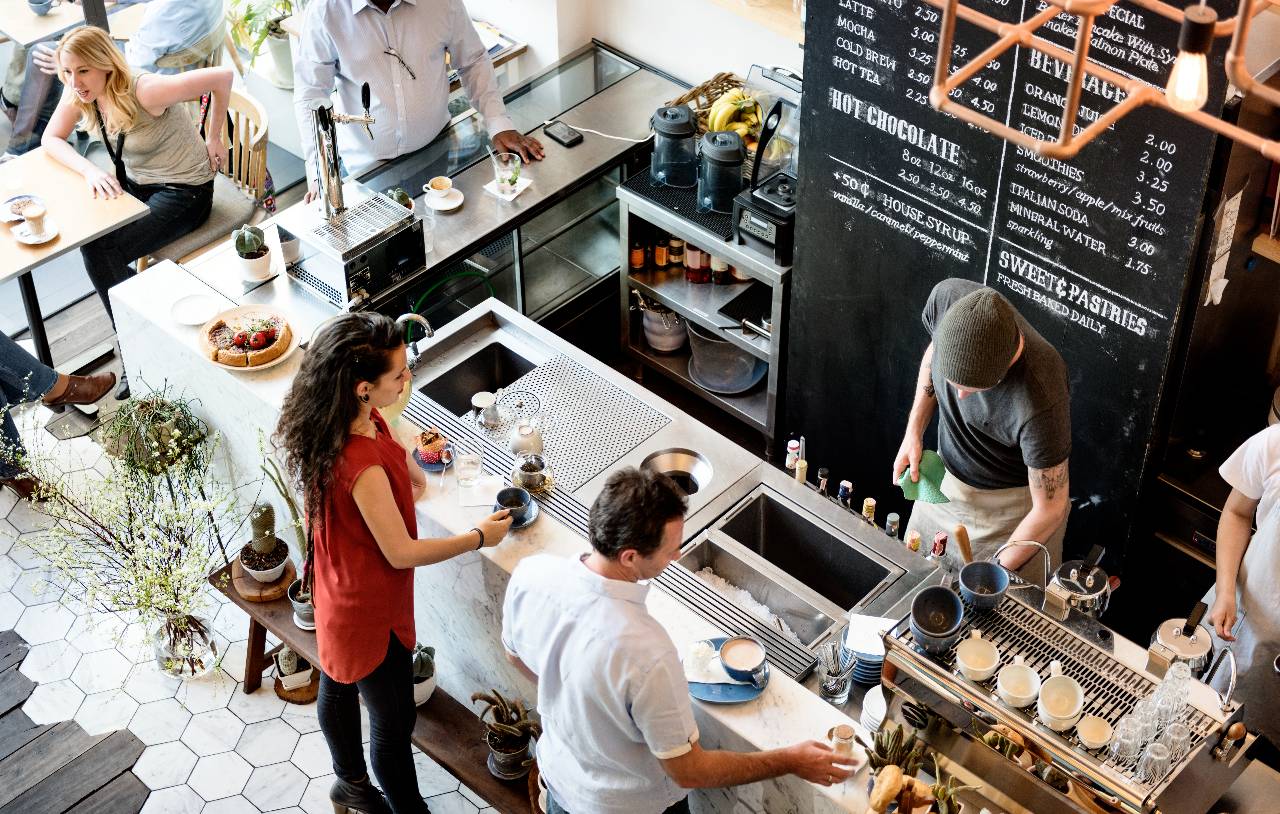
How Much Does It Cost to Open a Coffee Shop in 2026?
Opening a coffee shop in 2026 requires careful cost planning across rent, equipment, labor, technology, menu strategy, marketing, and sustainability.
operations
May 15, 2026
Opening a coffee shop in 2026 requires careful cost planning across rent, equipment, labor, technology, menu strategy, marketing, and sustainability.
May 15, 2026
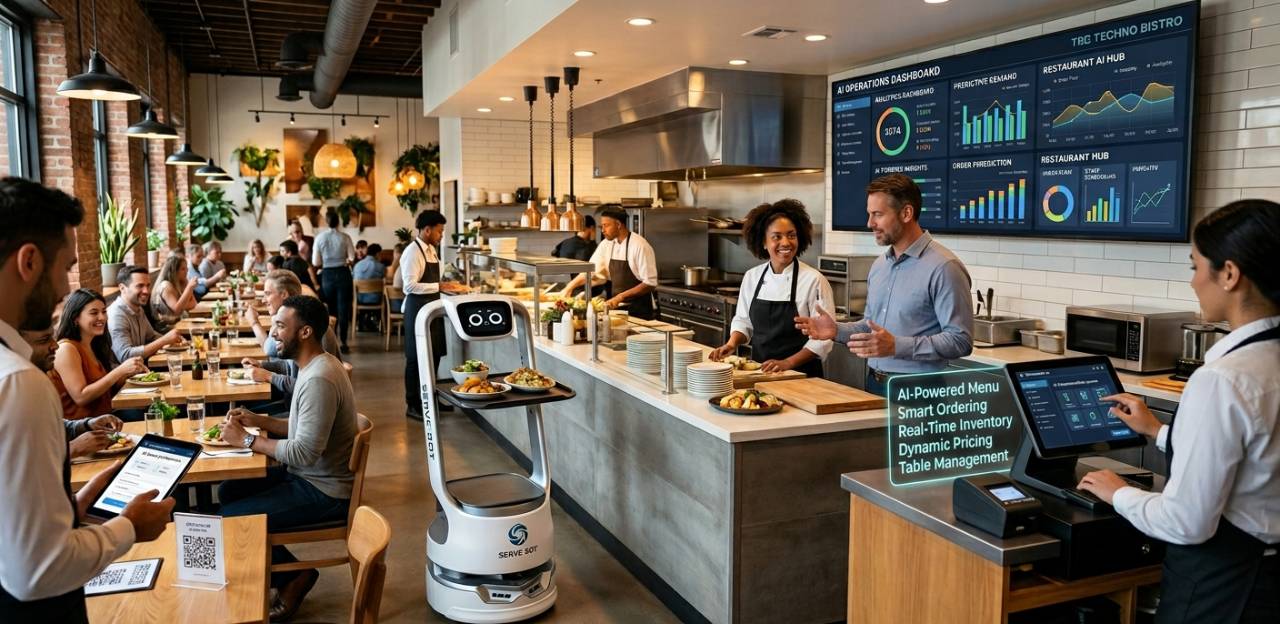
This AI playbook covers restaurant tools for voice ordering, staffing, compliance, menu pricing, inventory, marketing, ChatGPT prompts, and SEO.
May 15, 2026
Hardee’s giant Boddie-Noell inks 31-unit Scooter’s Coffee deal for NC and VA, leveraging drive-thru growth and local roots with rollout over 12–18 months.
May 15, 2026
Wingstop turns match weeks into a multi-sensory festival, aligning bold pop-ups with World Cup energy to build brand affinity and measurable momentum.
May 15, 2026
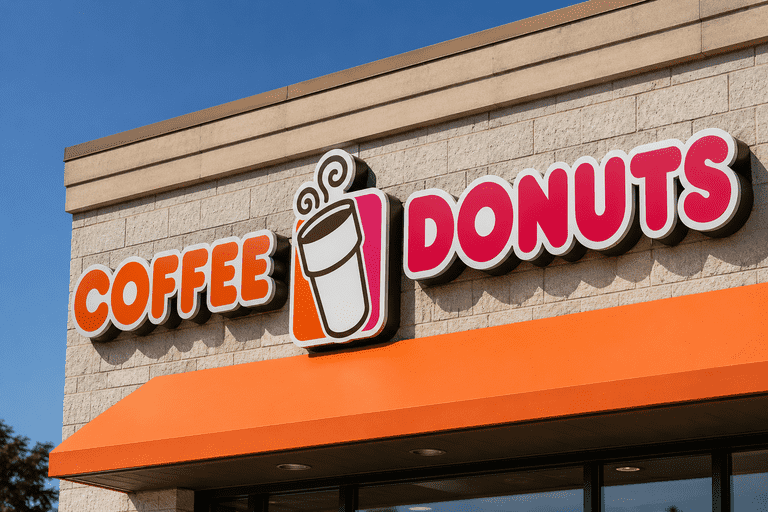
The parent company behind Dunkin', Buffalo Wild Wings, and Arby's has filed for an IPO a move that could reshape how Wall Street views the restaurant sector.
May 15, 2026
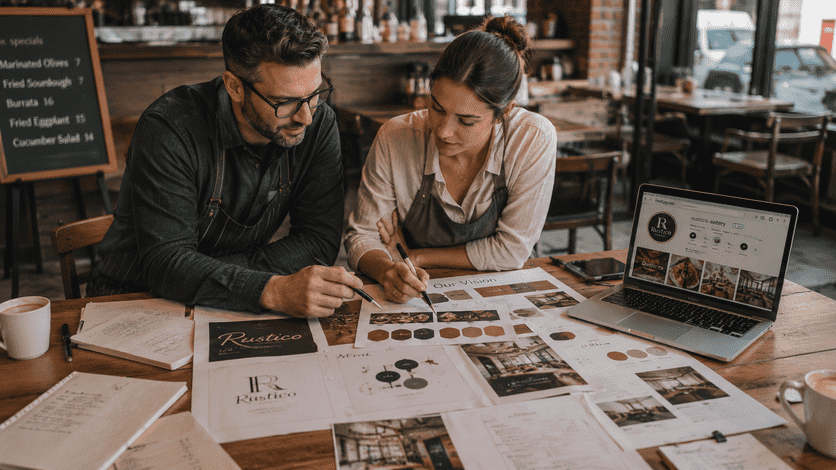
Learn how to develop a memorable restaurant brand identity that stands out in a crowded market, attracts loyal customers, and drives repeat business with actionable strategies and affordable tools.
May 15, 2026
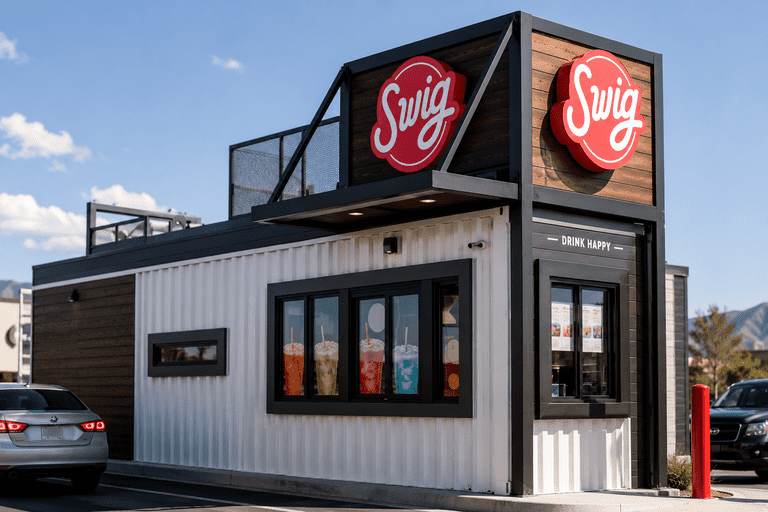
Dirty soda chain Swig is expanding into Colorado through a 10-unit franchise deal, riding a consumer beverage trend that's catching the attention of major QSR players nationwide.
May 15, 2026
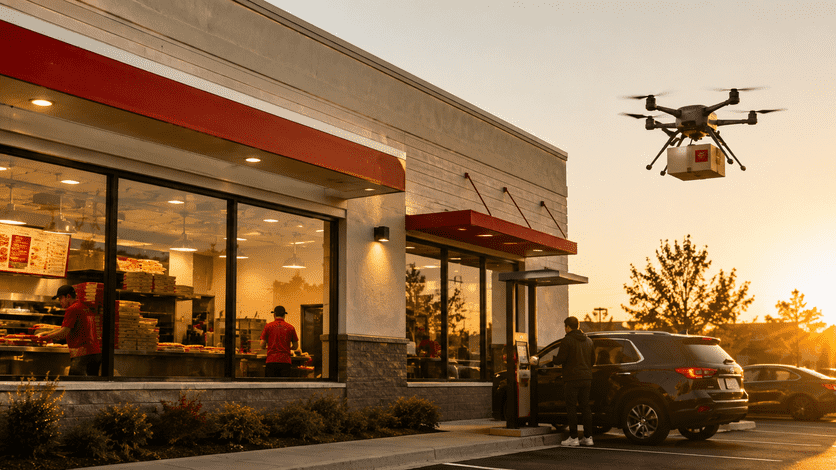
Papa Johns has teamed up with Alphabet's Wing for drone delivery of its new sandwich lineup in parts of Charlotte marking the first partnership of its kind between Wing and a national QSR brand.
May 15, 2026
A warm, expert-led look at McDonald’s Q1 results, menu makeover, and the refranchise question shaping its growth.
May 14, 2026
A reflective look at Habit Ranch, its immersive desert activation, and what it signals for brand loyalty and mindful, experiential dining.
May 14, 2026

Unlock Exclusive Access To Webinars, Events, And The Latest News For Free!
Shake Shack accelerates growth by speed, drive-thru expansion, and pricing discipline to protect margins, backed by leadership changes and a loyalty push.
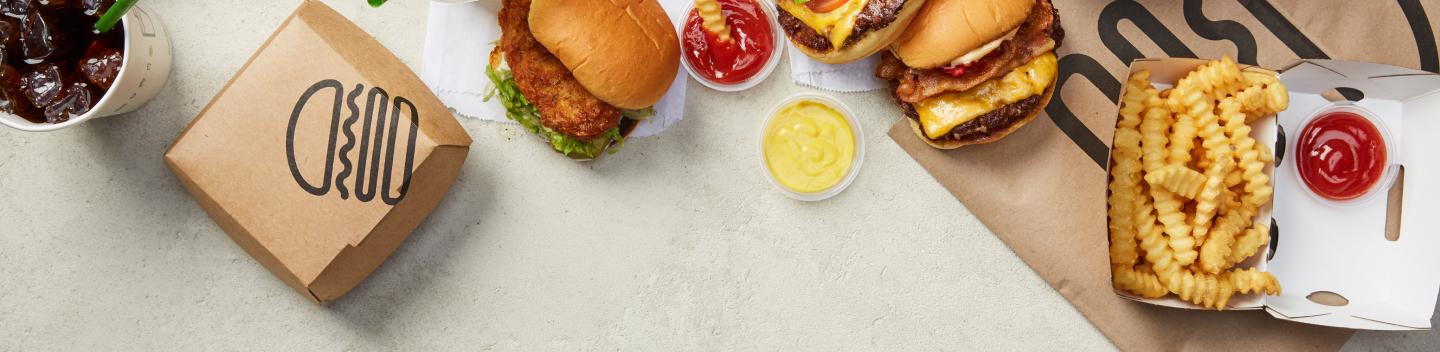
Shake Shack began as a park-side project with a purpose-built playbook: hospitality, quality, and a lean operating rhythm that could scale without losing its edge. The story isn’t nostalgia—it’s a blueprint. The brand is translating that DNA into new markets outside Madison Square Park while preserving the discipline that made it possible: quick service that never sacrifices the made-to-order standard. The park-origin mindset remains the operating heartbeat as the company extends its footprint into suburban formats and multi-channel paths, never forgetting the care that delivered a loyal following.
The park roots inform not just the menu, but the operating tempo. As Shake Shack scales beyond New York, the brand leans on the same hospitality and efficiency that defined its first days. Throughput, guest experience, and disciplined cost control become the backbone of expansion, with drive-thru and digital channels acting as multipliers rather than distractions. It’s not a rewrite of the playbook; it’s the same playbook applied at a bigger scale.
That historic frame—quality first, service fast, hospitality intact—now negotiates a broader geography. The park-origin story isn’t marketing fluff; it’s the model Shake Shack is trying to replicate when it opens new units and formats. The result is a lean, repeatable system that keeps the guest promise even as the footprint grows.
In the second quarter of 2025, total revenue reached $356.5 million, with Shack sales at $343.2 million and licensing revenue of $13.3 million. System-wide sales climbed to $549.9 million, and same-store sales rose 1.8%. Net income was $18.5 million, and diluted earnings per share stood at $0.41. The company opened 13 new Company-operated Shacks (including two drive-thrus) and added nine new licensed Shacks. The data underscores a momentum shift toward throughput and multi-channel expansion, supported by strategic promotions and pricing actions that protect margins.
That quarter’s mix shows the architecture of growth: a stronger cost profile married to a higher-frequency guest experience. It isn’t simply more locations; it’s smarter locations with faster service, better integration of digital tools, and promotions calibrated to lift checks while keeping the Shack value proposition intact.
The park-to-suburb arc is tangible: it’s not just more seats, it’s more throughput across formats that already prove the model works. The emphasis remains on hospitality, but the engine now runs on multi-channel momentum that accelerates the pace without losing the core channel integrity.
Speed has become a key performance indicator. Leadership insists that faster service cannot compromise the made-to-order system or the signature Shack quality. The operating goal is throughput that keeps guests moving while preserving the care that defines the brand. It’s about optimizing sequencing and ordering flows with smart tech aids that shave seconds—without compromising temperature or texture.
Q2 2025 highlighted the margin story. Restaurant-level margins reached 22%, up from 21% a year earlier—the strongest run since 2019. Same-store sales were up 4% year over year. Net income rose to $10.4 million, and earnings per diluted share were $0.23. The team credits progress in product innovation, technology, and pricing to counter inflation, along with promotions that lift checks without eroding the Shack experience.
In short, speed paired with disciplined pricing and a premium product is sharpening unit economics across geographies. The framework remains simple: move faster, price smartly, and keep the guest experience premium while growing the footprint.
Stephanie Sentell was named Chief Operating Officer, effective July 1, 2024, with a mandate to tighten operational efficiencies across company-operated stores. The priority is to shorten drive-thru times—already a known bottleneck—without sacrificing hospitality. The move is paired with governance signals that emphasize throughput and standardized operations, aiming to uncap scale with discipline.
Shake Shack has also advanced a dedicated loyalty program, launched in 2025, with digital challenges and app-based incentives intended to boost frequency. Industry coverage cites this as a core lever to grow visits while maintaining the premium position. The combination of leadership change, process discipline, and guest engagement builds a platform for steadier execution as the network expands.
The strategic thrust is clear: drive-thru speed, standardized operations, and a loyalty ecosystem that keeps guests returning. It’s a calculated push to close gaps in execution while the footprint grows, ensuring throughput and hospitality remain at the core of every new unit.
Q3 2025 results show continued momentum: $367.4 million in revenue, up 15.9%, and system-wide sales of $571.5 million with same-store sales rising 4.9%. Restaurant-level profit was $80.6 million (≈22.8% of Shack sales), and net income reached $13.7 million or $0.30 per diluted share. The company opened 13 new Company-operated Shacks and 7 licensed Shacks in the quarter, sustaining a cadence that pairs openings with throughput gains.
Looking forward, Shake Shack reaffirmed its long-range targets and issued 2026 guidance. The plan centers on revenue expansion from a growing openings pipeline, plus a continued focus on throughput, promotions, and guest experience. The January 2026 update laid out a revenue band of $1.6 billion to $1.7 billion for 2026, with margins remaining a central objective as throughput drives expansion.
The takeaway is purposeful growth: steady openings, disciplined operations, and a guest experience that sustains a premium brand. The message is not to chase scale alone, but to engineer margin-friendly expansion across channels with a shared focus on throughput and hospitality.
Industry context shows a broader fast casual move toward throughput optimization, drive-thru expansion, and digital engagement. Shake Shack’s approach—speed merged with premium product and a loyalty-driven ecosystem—fits the field’s push to broaden addressable markets while protecting profitability. Observers note that the 1,500-location ambition sits within a larger industry pattern: growth that must stay within unit economics that deliver margins.
Weather, Gaps, Outlook remind the team that execution remains a balancing act. Late 4Q25 weather in penetrated markets softened activity, illustrating how macro factors can touch traffic and same-store trends even with openings. Drive-thru performance remains a focal point, with non-standardized layouts and traffic flows shaping wait times. Beef costs, inflation, and digital-channel optimization add complexity, even as promotions and loyalty sustain momentum.
The path forward emphasizes throughput, promotions, and guest experience within a disciplined expansion strategy. Shake Shack’s guidance keeps the long game intact, even as near-term volatility requires adjustments. The trend line stays clear: growth through speed, efficiency, and a compelling guest journey.