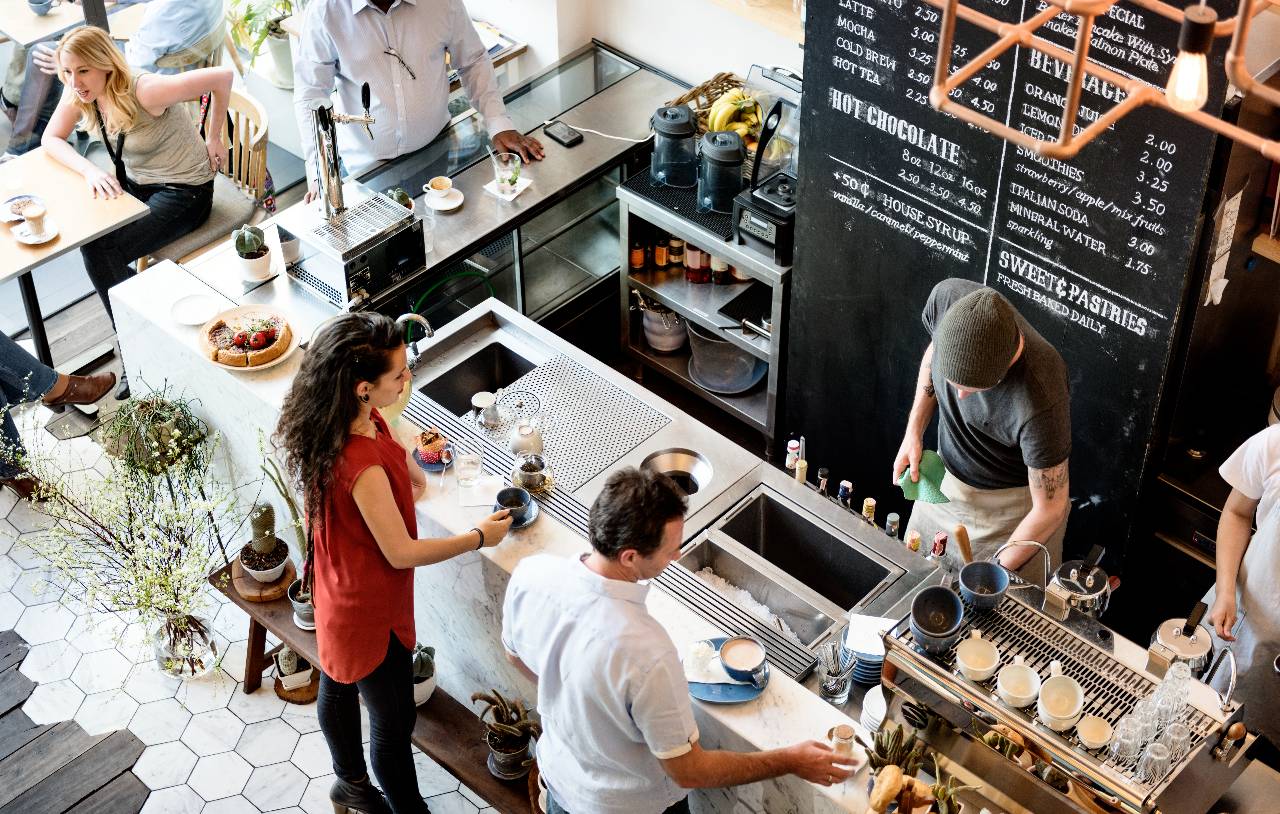
How Much Does It Cost to Open a Coffee Shop in 2026?
Opening a coffee shop in 2026 requires careful cost planning across rent, equipment, labor, technology, menu strategy, marketing, and sustainability.
operations
May 15, 2026
Opening a coffee shop in 2026 requires careful cost planning across rent, equipment, labor, technology, menu strategy, marketing, and sustainability.
May 15, 2026
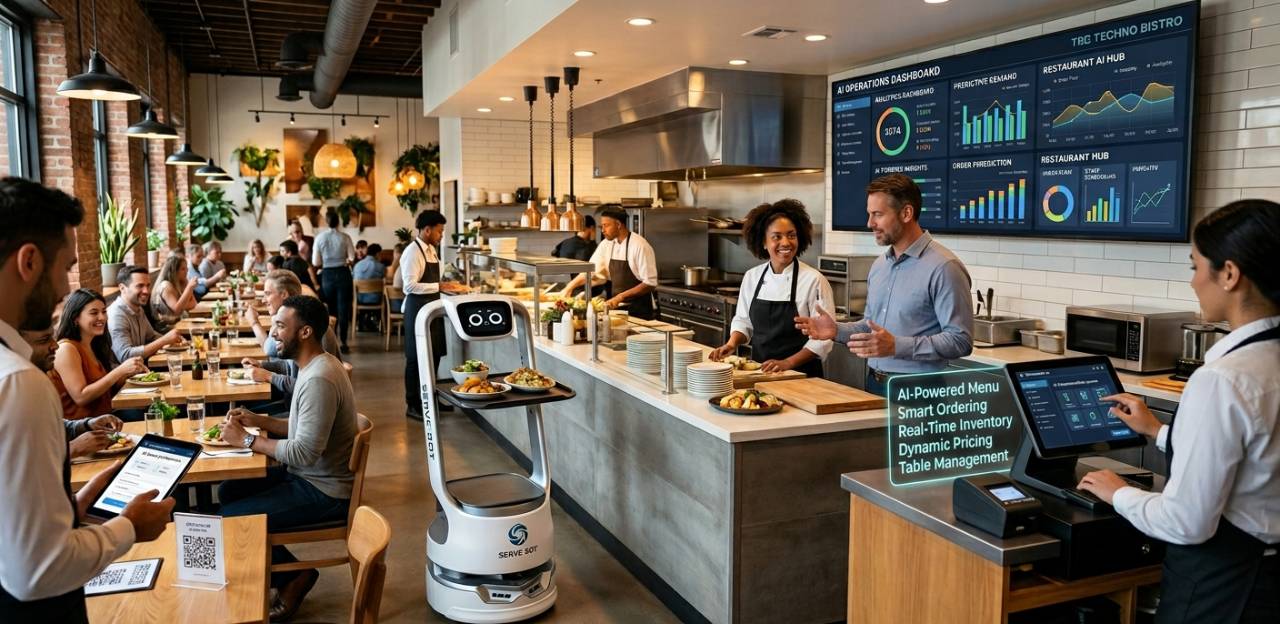
This AI playbook covers restaurant tools for voice ordering, staffing, compliance, menu pricing, inventory, marketing, ChatGPT prompts, and SEO.
May 15, 2026
Hardee’s giant Boddie-Noell inks 31-unit Scooter’s Coffee deal for NC and VA, leveraging drive-thru growth and local roots with rollout over 12–18 months.
May 15, 2026
Wingstop turns match weeks into a multi-sensory festival, aligning bold pop-ups with World Cup energy to build brand affinity and measurable momentum.
May 15, 2026
The parent company behind Dunkin', Buffalo Wild Wings, and Arby's has filed for an IPO a move that could reshape how Wall Street views the restaurant sector.
May 15, 2026
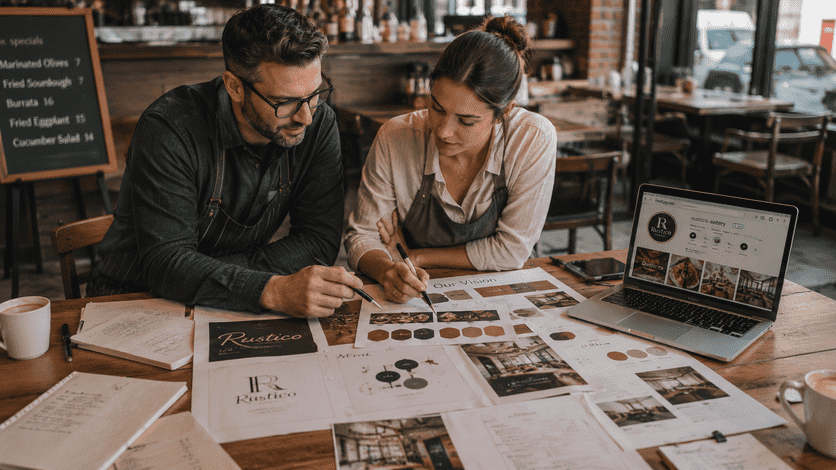
Learn how to develop a memorable restaurant brand identity that stands out in a crowded market, attracts loyal customers, and drives repeat business with actionable strategies and affordable tools.
May 15, 2026
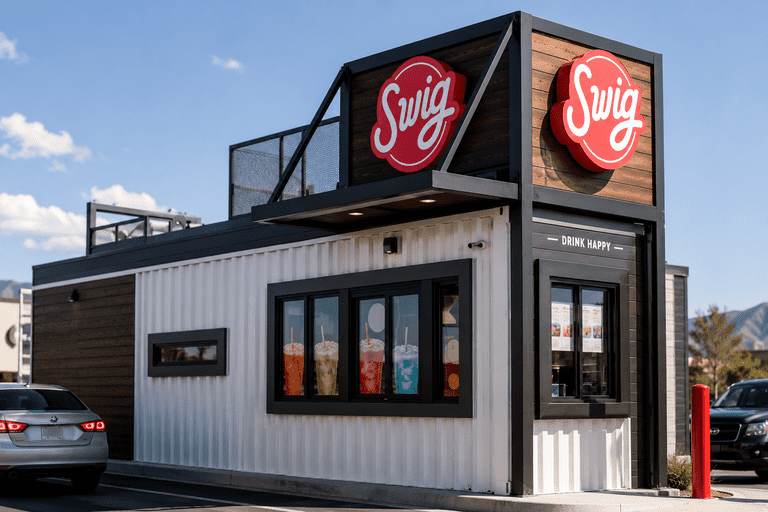
Dirty soda chain Swig is expanding into Colorado through a 10-unit franchise deal, riding a consumer beverage trend that's catching the attention of major QSR players nationwide.
May 15, 2026
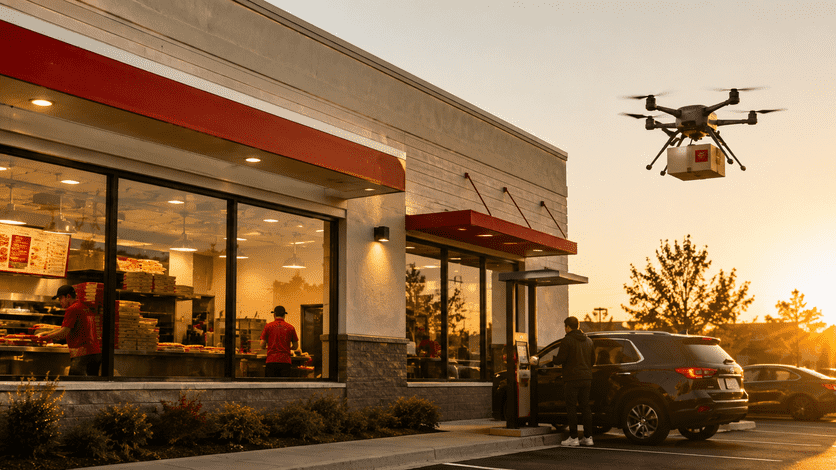
Papa Johns has teamed up with Alphabet's Wing for drone delivery of its new sandwich lineup in parts of Charlotte marking the first partnership of its kind between Wing and a national QSR brand.
May 15, 2026
A warm, expert-led look at McDonald’s Q1 results, menu makeover, and the refranchise question shaping its growth.
May 14, 2026
A reflective look at Habit Ranch, its immersive desert activation, and what it signals for brand loyalty and mindful, experiential dining.
May 14, 2026

Unlock Exclusive Access To Webinars, Events, And The Latest News For Free!
Shake Shack pairs a new top-of-funnel playbook with Google’s AI tools, driving a sixfold increase in app conversions and 2.5x ROAS while extending hospitality into its app.
Shake Shack has turned the heat up on growth. The move is clear-eyed and overdue. “This brand has never had top-of-funnel paid media launched at scale,” CEO Rob Lynch said. He adds the blunt truth: “It’s hard to believe, but all the marketing has always been word of mouth, earned media and bottom-funnel … promo activations, and so we leaned in on making some of these investments and so we’re ecstatic with the results.” Those results aren’t vague. The company points to a “sixfold increase in app conversions” and a “2.5x improvement in return on ad spend.” That’s the operational bridge that matters. Visibility turns into in-app action, and ad dollars pull more weight. The shift follows several quarters of positive same-store sales growth and a sober admission: underinvestment versus bigger fast-food and fast-casual peers masked the brand’s “true potential.” Now the playbook reaches earlier, persuades faster, and converts cleaner. Straight lines. Fewer steps. More value.
For years, the brand banked on hospitality and buzz. That identity still holds. But mechanics win the day when scale shows up. The leadership called out underinvestment against larger peers as a cap on “true potential.” The response pairs ambition with structure: build a full pipeline. Engage people before they’re shopping. Teach them where value lives. Make the next step obvious. The sequence is deliberate. Top-of-funnel tells the story and sets expectations. Mid-funnel primes interest. Bottom-funnel removes friction and closes the loop in the app. The hospitality tone stays, but the path is engineered. Word of mouth once did the heavy lifting; now paid media amplifies it. The brand’s personality isn’t lost—it’s channeled. The thesis is simple: meet guests earlier, spend smarter, and drive them into an optimized digital ecosystem that behaves like a well-run shift—everything in its place, nothing wasted.
The new engine runs through Google’s Web To App Connect, AI-powered search optimization, and Performance Max. Web To App Connect cuts detours. Mobile users who click paid ads land on relevant app screens—offers and in-app challenges—so intent doesn’t cool while hunting for the right button. Performance Max and AI-driven search then test, learn, and route the message across channels, optimizing for the combinations that deliver the most valuable outcomes. The outcomes have teeth. A “sixfold increase in app conversions” shows intent turns into action inside the app. A “2.5x improvement in return on ad spend” says each dollar works harder. Link awareness to action, then to store-level gains. That’s the full-funnel promise. Used correctly, this isn’t just more traffic; it’s aligned traffic. The architecture closes the gap between discovery and transaction and makes efficiency the standard, not a lucky streak.
Scaling spend without waste is the real test. Lisa Whittaker, senior director of digital marketing, puts it plainly: “We were investing a lot more in media to drive app downloads, to drive users back into the app,” she said. “As we continue to invest more, how do we ensure that we’re spending money on quality traffic? How do we make sure that we’re not just wasting money, that we’re dropping them into the best experience possible within our app?” The answer extends hospitality into digital form. App users get limited-time offers four days ahead of the general public—value appears first where the brand can deepen the relationship. “We’ve seen the behavior when guests download our app and open it up, that conversion behavior is pretty significant for us. We know that [when] guests are downloading our app, they’re expecting additional value benefits,” Whittaker said. Web To App Connect made “perfect sense” because ad clicks go straight to the right in-app destinations. Less friction, more relevance. “We have seen the additional value of when somebody is an app user versus when they just go to our website. The app provides us an additional communication touch point to really ensure that we’re driving awareness around some of the key features or offers that that we’re doing within the app,” she said. The app becomes storefront and loyalty engine. Paid media is the invitation that gets people to the front door.
Timed offers do the heavy lifting when the value is clear. In “May,” a month-long National Burger Month promotion paired with a “$1” soda drove a “20% app install increase.” That’s not just flashy creative; it’s a clean exchange: time-bound value in return for a download. The impact didn’t stop at installs. The company saw a “16% month-over-month increase in monthly active users” when running offers through the app. That’s repeat behavior, not one-and-done. The longer arc matters. The company was officially founded in “2004” and rolled out its mobile app nationally in “2017.” A hospitality-first brand matured into a national platform ready to absorb paid media. The current strategy removes friction between mobile web traffic and app conversion, surfacing benefits earlier and with more precision. As Whittaker summed it up, “All the really important life cycle marketing metrics we look at, all the data, has been extremely positive,” a grounded claim tied to the metrics practitioners care about: installs, actives, and conversion behavior that sticks.
AI-heavy tools aren’t crystal clear. Other marketers have called out opacity in systems like Performance Max. Whittaker doesn’t sugarcoat it: “It’s a journey to get comfortable with the ‘uncomfortableness’ and have some of that loss of control and less visibility. As digital marketers, we’re going to have to figure it out,” she said. “Everybody is scrambling right now because the technology is moving so fast.” There’s a counterweight: speed plus scrutiny. A strong working relationship with Google’s ad team and the ability to leverage a lot of data quickly ease some concerns. The stance remains test-and-learn. “The results in the data don’t lie, so if there’s something funky going on with AI, it’s going to show up at some point,” she said. That posture keeps the focus where it should be—on outputs, not mystique. Tie media decisions to app behavior and store performance. If the numbers hold, scale. If the signal degrades, adjust. Straightforward. Data-first. No romance about the toolset, only accountability to the scoreboard.
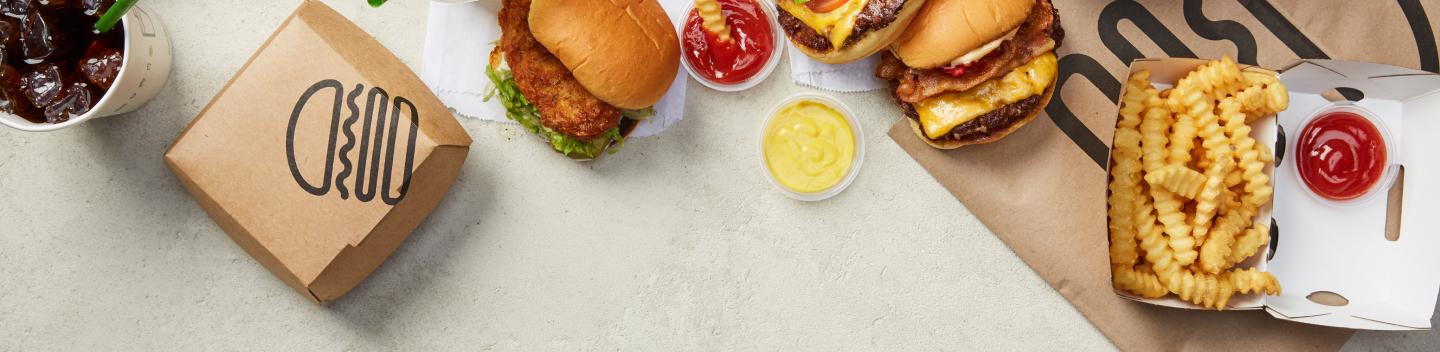
Upper-funnel investment isn’t just about channels; it’s about geography. Digital spend helps the chain serve a footprint that stretches beyond New York and Los Angeles into “51 other markets.” Awareness looks different when you lack coastal foot traffic and ambient brand exposure. Paid media normalizes the baseline—more people know the name, more people know where the value lives. Whittaker sees the broader lift: “We’re getting a lot of different halo benefits from the media itself, outside of driving traffic and sales, which is the number one goal,” she said. “I’m so excited for all the learnings that we’re getting, because this is really going to inform our model going into 2026.” In practice, the same AI systems driving search optimization and Performance Max are judged on more than immediate clicks. They’re measured by how they build awareness, add communication touch points, and translate discovery into app behaviors that strengthen loyalty across those “51 other markets.” Brand equity and measurable digital actions sit on the same dashboard. That’s how you scale without losing the thread.
Some dials remain under the hood. The company hasn’t disclosed exact budgets, channel mix, or which creative executions pulled the strongest lifts. Timing beyond “several quarters” of positive same-store sales and the “May” promotion isn’t broken out here. The inner workings of Performance Max remain a black box by design. Comfort with that trade-off is still evolving. What is explicit is the scorecard: app conversions, return on ad spend, and store-level gains. The organization is translating incremental media investment into measurable digital outcomes and on-the-ground results. The strategy complements a historically strong earned and word-of-mouth engine with paid media that can meet ambition across “51 other markets.” The lesson is straightforward. Build a pipeline that reaches earlier, eliminates friction, and rewards app users first. Use AI to find efficiency but judge it by outputs you can verify. Protect the hospitality-driven identity while scaling the media muscle you need. The brisk clarity of the results—“sixfold increase in app conversions” and “2.5x improvement in return on ad spend”—shows the path. Keep the fire steady. Let the numbers decide when to turn and when to serve.