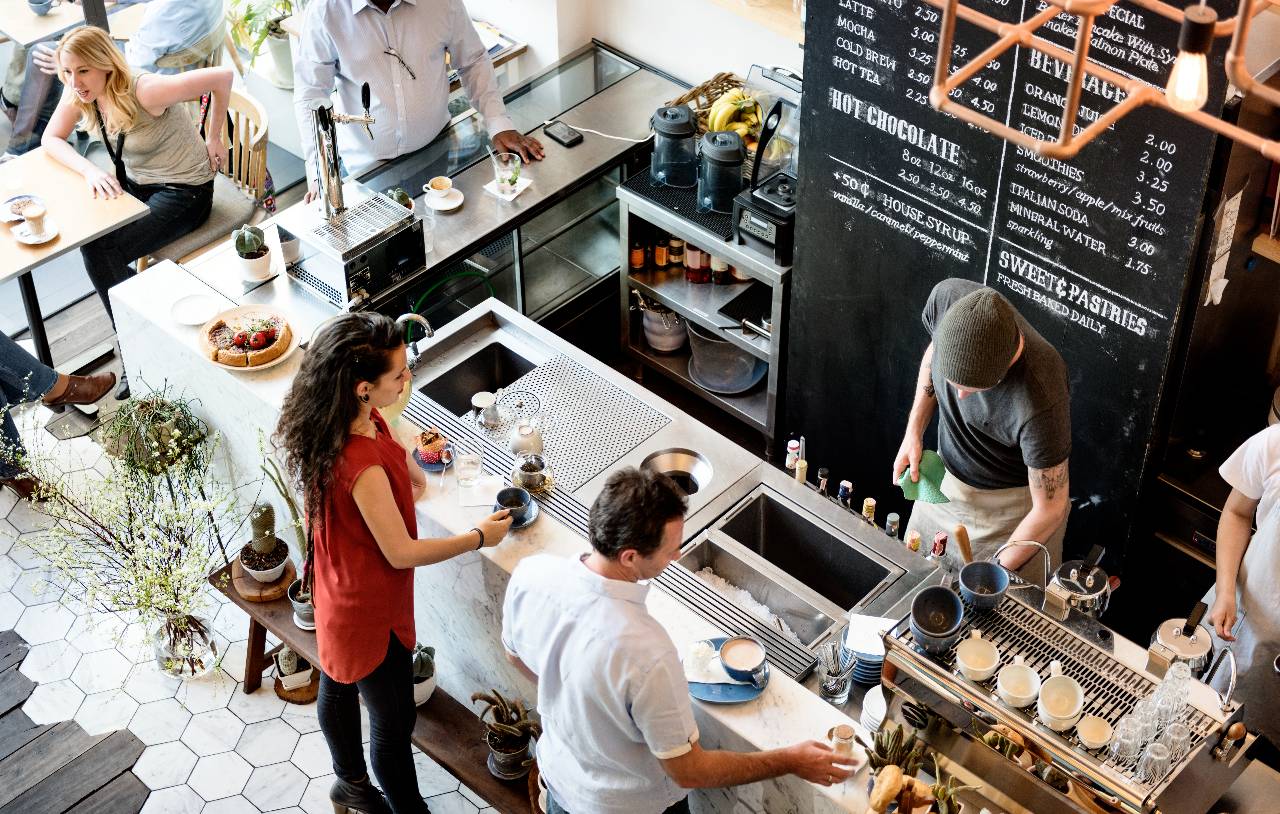
How Much Does It Cost to Open a Coffee Shop in 2026?
Opening a coffee shop in 2026 requires careful cost planning across rent, equipment, labor, technology, menu strategy, marketing, and sustainability.
operations
May 15, 2026
Opening a coffee shop in 2026 requires careful cost planning across rent, equipment, labor, technology, menu strategy, marketing, and sustainability.
May 15, 2026
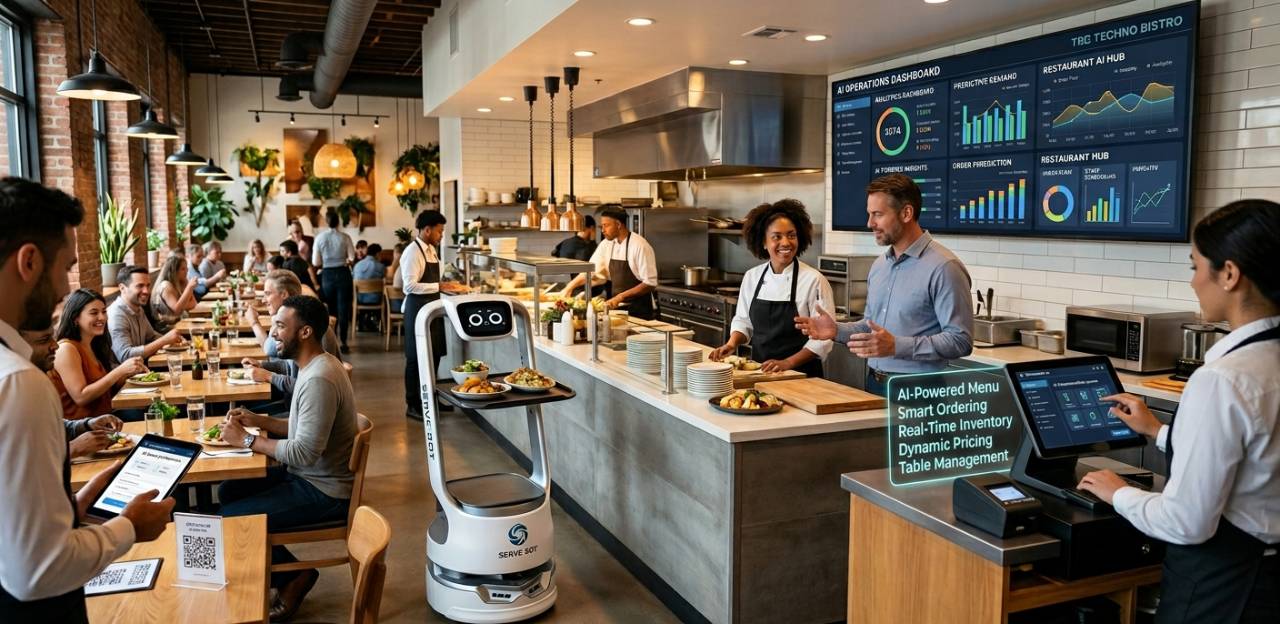
This AI playbook covers restaurant tools for voice ordering, staffing, compliance, menu pricing, inventory, marketing, ChatGPT prompts, and SEO.
May 15, 2026
Hardee’s giant Boddie-Noell inks 31-unit Scooter’s Coffee deal for NC and VA, leveraging drive-thru growth and local roots with rollout over 12–18 months.
May 15, 2026
Wingstop turns match weeks into a multi-sensory festival, aligning bold pop-ups with World Cup energy to build brand affinity and measurable momentum.
May 15, 2026
The parent company behind Dunkin', Buffalo Wild Wings, and Arby's has filed for an IPO a move that could reshape how Wall Street views the restaurant sector.
May 15, 2026
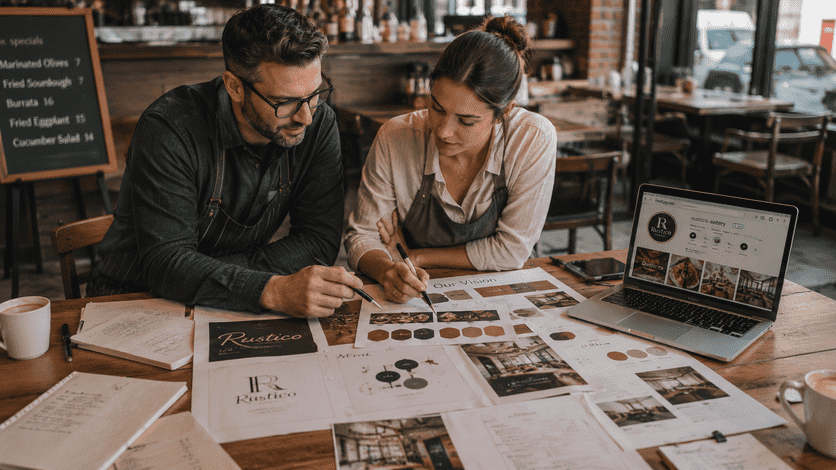
Learn how to develop a memorable restaurant brand identity that stands out in a crowded market, attracts loyal customers, and drives repeat business with actionable strategies and affordable tools.
May 15, 2026
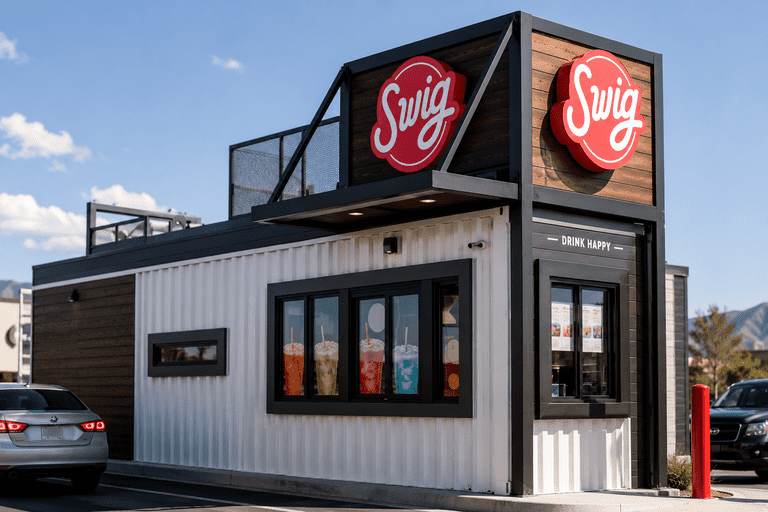
Dirty soda chain Swig is expanding into Colorado through a 10-unit franchise deal, riding a consumer beverage trend that's catching the attention of major QSR players nationwide.
May 15, 2026
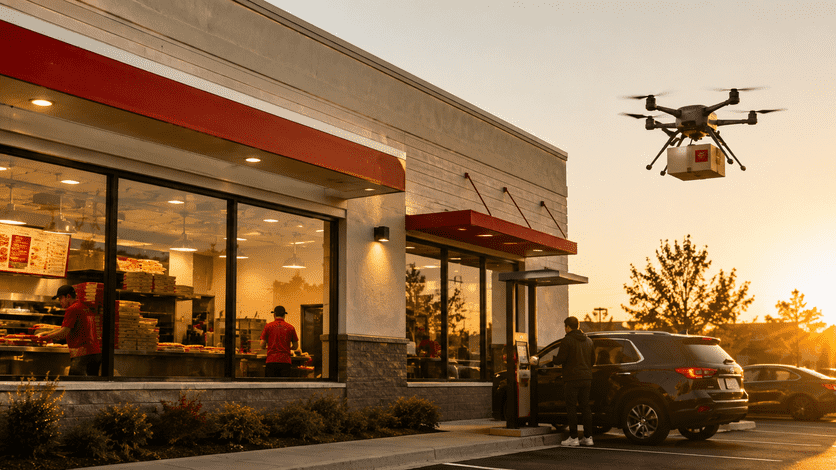
Papa Johns has teamed up with Alphabet's Wing for drone delivery of its new sandwich lineup in parts of Charlotte marking the first partnership of its kind between Wing and a national QSR brand.
May 15, 2026
A warm, expert-led look at McDonald’s Q1 results, menu makeover, and the refranchise question shaping its growth.
May 14, 2026
A reflective look at Habit Ranch, its immersive desert activation, and what it signals for brand loyalty and mindful, experiential dining.
May 14, 2026

Unlock Exclusive Access To Webinars, Events, And The Latest News For Free!
Rusty Taco pivots under Gala Capital Partners, reshaping ops, menu, and franchise leadership to fuel rapid expansion while keeping its street-style roots.
Rusty Taco is entering a fresh era. After a notable ownership shift, the Dallas-based chain is recalibrating its ambitions and its playbook. A year and a half after Inspire Brands sold the concept to Gala Capital Partners, Rusty Taco has leaned into a leadership refresh that blends veterans with a sharper growth mindset. The move is less about flash and more about fuel—operational energy, a refreshed brand voice, and a tighter franchisee relationship. The roots are staying intact, but the road map is getting louder. In short, Rusty Taco is rebooting with purpose:
Under Gala Capital Partners, the brand has a path that emphasizes energized operations, menu experimentation, and stronger franchise collaboration. Gala’s portfolio—Cicis Pizza, Dunn Brothers Coffee, and MOOYAH Burgers, Fries & Shakes—signals a growth-oriented playbook. The transition also reflected Inspire Brands’ broader reinvigoration before handing Rusty Taco to Gala. The plan is multi-year and aims to turn a 30-plus unit footprint into a national player, while staying true to fresh, authentic flavors. The next chapters are about pace, people, and product—everything that accelerates expansion, without losing the original spirit. A pragmatic, steady hand will guide store openings, training, and supply-chain discipline, because scale without soul is a brittle mix:
Gala Capital Partners’s ownership has triggered a sweeping menu and operations review. Daniel Smith, who joined in 2024 after six years as COO at Hopdoddy Burger Bar, has been directing a corporate realignment to strengthen franchisee relations, optimize the menu, and sharpen the brand’s voice. A bottoms-up approach is guiding the changes—examining sourcing, tortilla elasticity, and the tone of brand communications. The overhaul returns to the brand’s Mexican-inspired roots while setting a clearer path for execution across stores. The aim is a more distinctive value proposition in a crowded quick-service landscape, with energy behind every decision:
By 2025, Rusty Taco rolled out a refreshed nationwide menu and began testing new dayparts, including breakfast opportunities. This aligns with Smith’s thesis that “menu innovation was a key focus for the brand that allowed our guests more ways to enjoy Rusty Taco.” The motive is authenticity, experimentation, and closer franchise collaboration. The team emphasizes supplier discipline, kitchen performance, and a brand voice that speaks with authority but remains approachable. The result is a menu that nods to legacy flavors while inviting modern twists, all designed to support faster, more consistent execution across a growing footprint.
Daniel Smith’s early tenure set a bold tone. Industry chatter captured his blunt line, “We’re going to flip everything on its head.”—a signal that the team would rethink every lever from menus to partner engagement. The move isn’t reckless; it’s a deliberate sprint toward clarity. In public narratives, Smith frames the moment as a chance to reprice the brand’s tone and its market messaging. It’s about speed and alignment, but never at the expense of roots. The dialogue with operators is shifting toward shared growth, and that’s a big win for a franchise system hungry for steadier footing:
Smith has reframed franchisee conversations around shared growth, saying he wants to “gear up to achieve something special” for current and future partners. He describes a race with themselves to develop new flavors, raise food quality, and increase brand uniqueness, embracing a disciplined, iterative approach to scale. The menu experiments—such as elevating street corn—signal the tension between consumer feedback and product iteration. It’s not just about new items; it’s about building trust through consistent quality and a clear path to rollout across markets.
Inspire Brands sold Rusty Taco to Gala Capital Partners in 2022, a move that realigned the brand with an owner focused on emerging brands and franchising. The management team would continue with the brand, co-investing in the arrangement. In 2024, Daniel Smith assumed the presidency, bringing operational depth from Hopdoddy and a track record of brand-building to a company intent on aggressive growth. By 2025, the brand celebrated its 15th anniversary with a broader menu and a more energized corporate structure, while continuing to expand in core markets and testing new formats:
Industry coverage indicates Rusty Taco’s growth is anchored in Texas, with expansion into neighboring growth markets including Oklahoma, Arizona, and Florida as core near-term aims, and a longer-term aspiration toward a national footprint. The development effort has included hiring and reorganization to support franchisees and streamline operations across a dispersed base. A scalable model is envisioned that could accelerate unit growth across multiple channels and formats.
Rusty Taco sits within a broader push in fast-casual Mexican concepts to grow quickly across markets, backed by private equity and active franchising. Gala Capital Partners’ involvement with Rusty Taco mirrors its pattern of backing growth-focused brands in the sector. Observers note that the brand’s approach—fresh ingredients, value pricing, and strong franchise support—fits the industry-wide move to scale while protecting product quality. The emphasis on in-house development, franchise development acceleration, and a refreshed brand voice are cited as key levers in competing with national players. The big bet? A coherent expansion plan that preserves brand integrity while embracing local execution.
Future Outlook And Open Questions look ahead to a nationwide presence, with leadership signaling a clear path forward after the 2022–2024 transition and a 2025 menu refresh. On the other hand, questions linger about pace and geography for multi-market rollouts, given the complexity of expansion and franchisee readiness. Private-equity backing often accelerates growth, but it raises expectations for unit economics, training, and brand consistency. Some observers float a 40–50 unit-per-year pace in the near term, while others push for a more measured, sustainable trajectory. The north star remains simple: keep taste, quality, and guest experience at the center as Rusty Taco expands into new formats and venues where it makes sense.