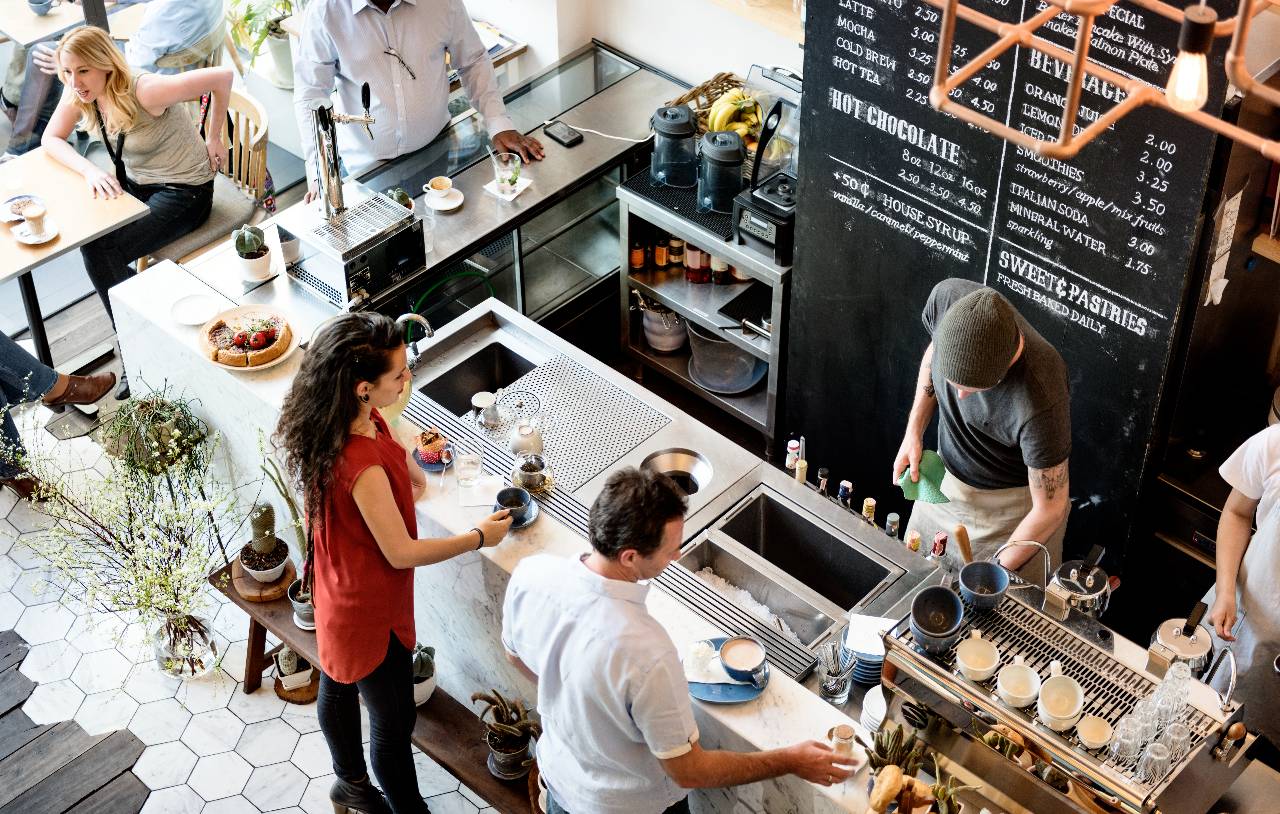
How Much Does It Cost to Open a Coffee Shop in 2026?
Opening a coffee shop in 2026 requires careful cost planning across rent, equipment, labor, technology, menu strategy, marketing, and sustainability.
operations
May 15, 2026
Opening a coffee shop in 2026 requires careful cost planning across rent, equipment, labor, technology, menu strategy, marketing, and sustainability.
May 15, 2026
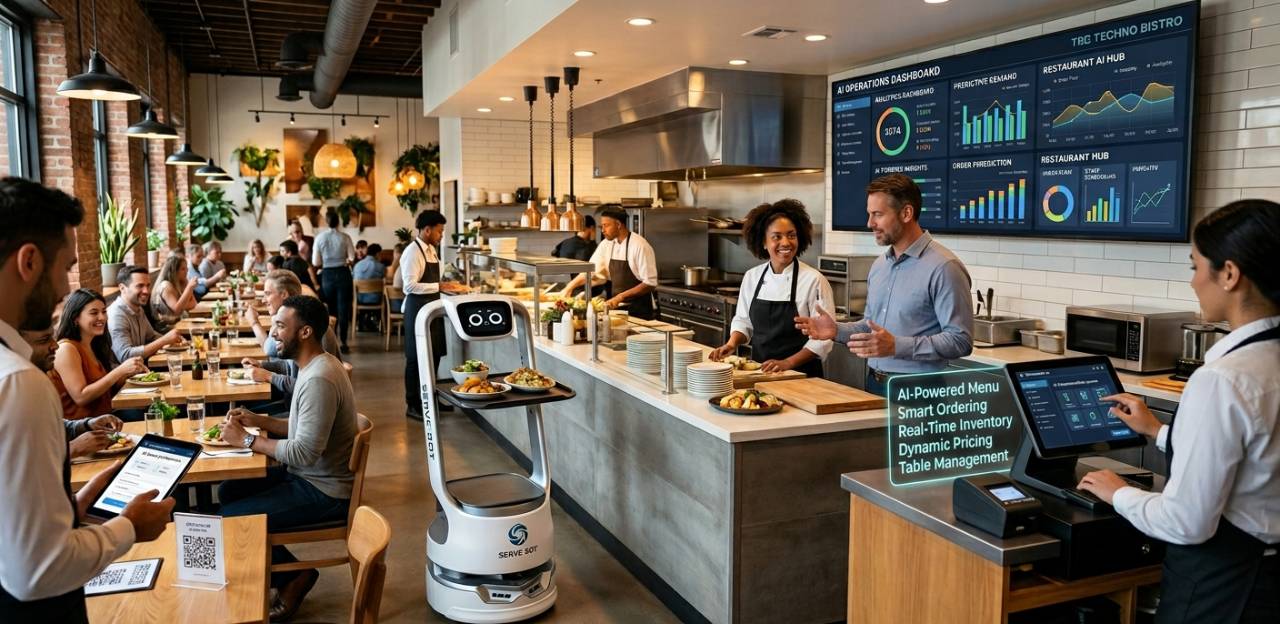
This AI playbook covers restaurant tools for voice ordering, staffing, compliance, menu pricing, inventory, marketing, ChatGPT prompts, and SEO.
May 15, 2026
Hardee’s giant Boddie-Noell inks 31-unit Scooter’s Coffee deal for NC and VA, leveraging drive-thru growth and local roots with rollout over 12–18 months.
May 15, 2026
Wingstop turns match weeks into a multi-sensory festival, aligning bold pop-ups with World Cup energy to build brand affinity and measurable momentum.
May 15, 2026
The parent company behind Dunkin', Buffalo Wild Wings, and Arby's has filed for an IPO a move that could reshape how Wall Street views the restaurant sector.
May 15, 2026
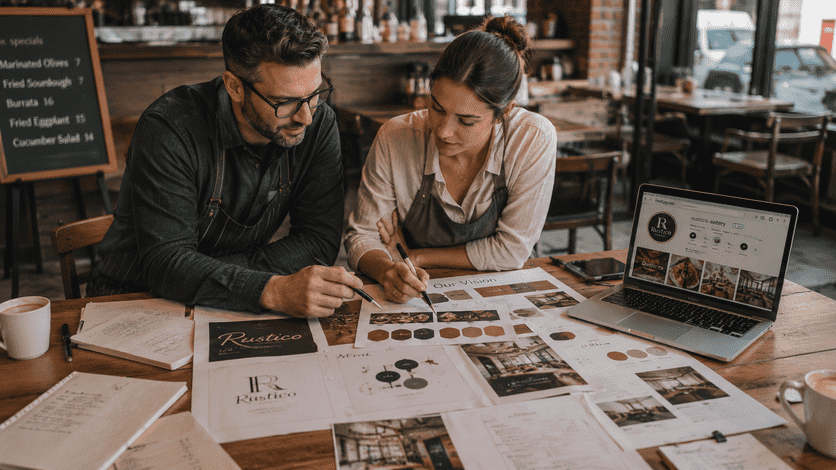
Learn how to develop a memorable restaurant brand identity that stands out in a crowded market, attracts loyal customers, and drives repeat business with actionable strategies and affordable tools.
May 15, 2026
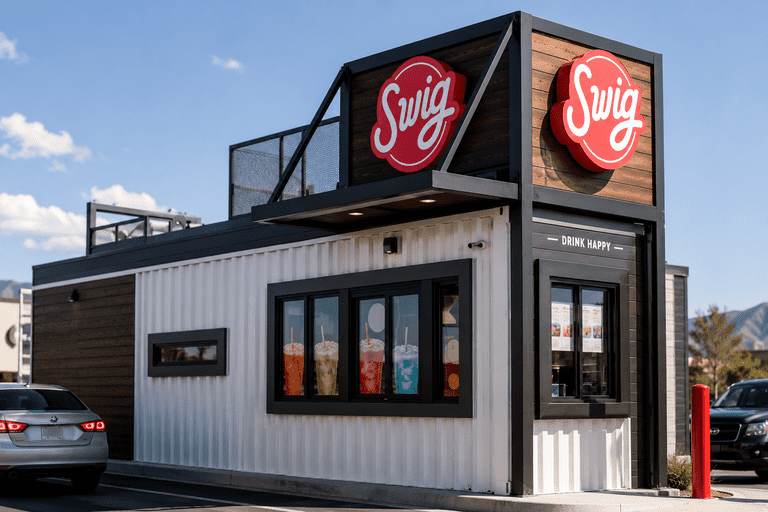
Dirty soda chain Swig is expanding into Colorado through a 10-unit franchise deal, riding a consumer beverage trend that's catching the attention of major QSR players nationwide.
May 15, 2026
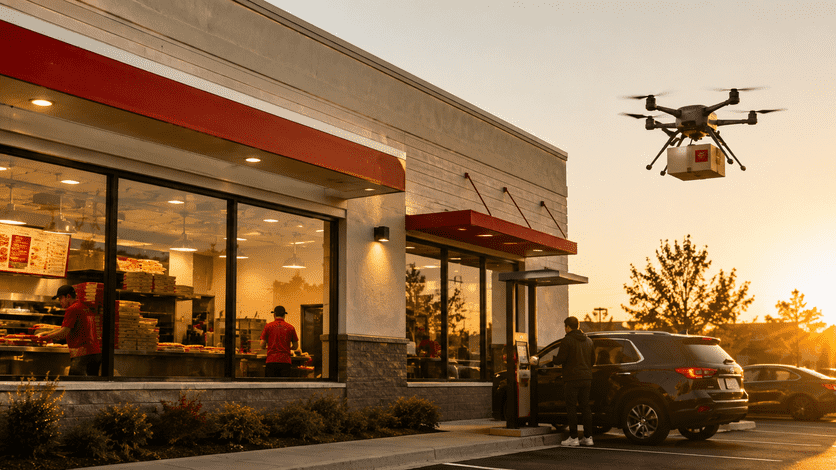
Papa Johns has teamed up with Alphabet's Wing for drone delivery of its new sandwich lineup in parts of Charlotte marking the first partnership of its kind between Wing and a national QSR brand.
May 15, 2026
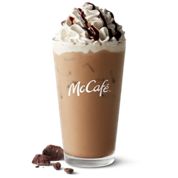
A warm, expert-led look at McDonald’s Q1 results, menu makeover, and the refranchise question shaping its growth.
May 14, 2026
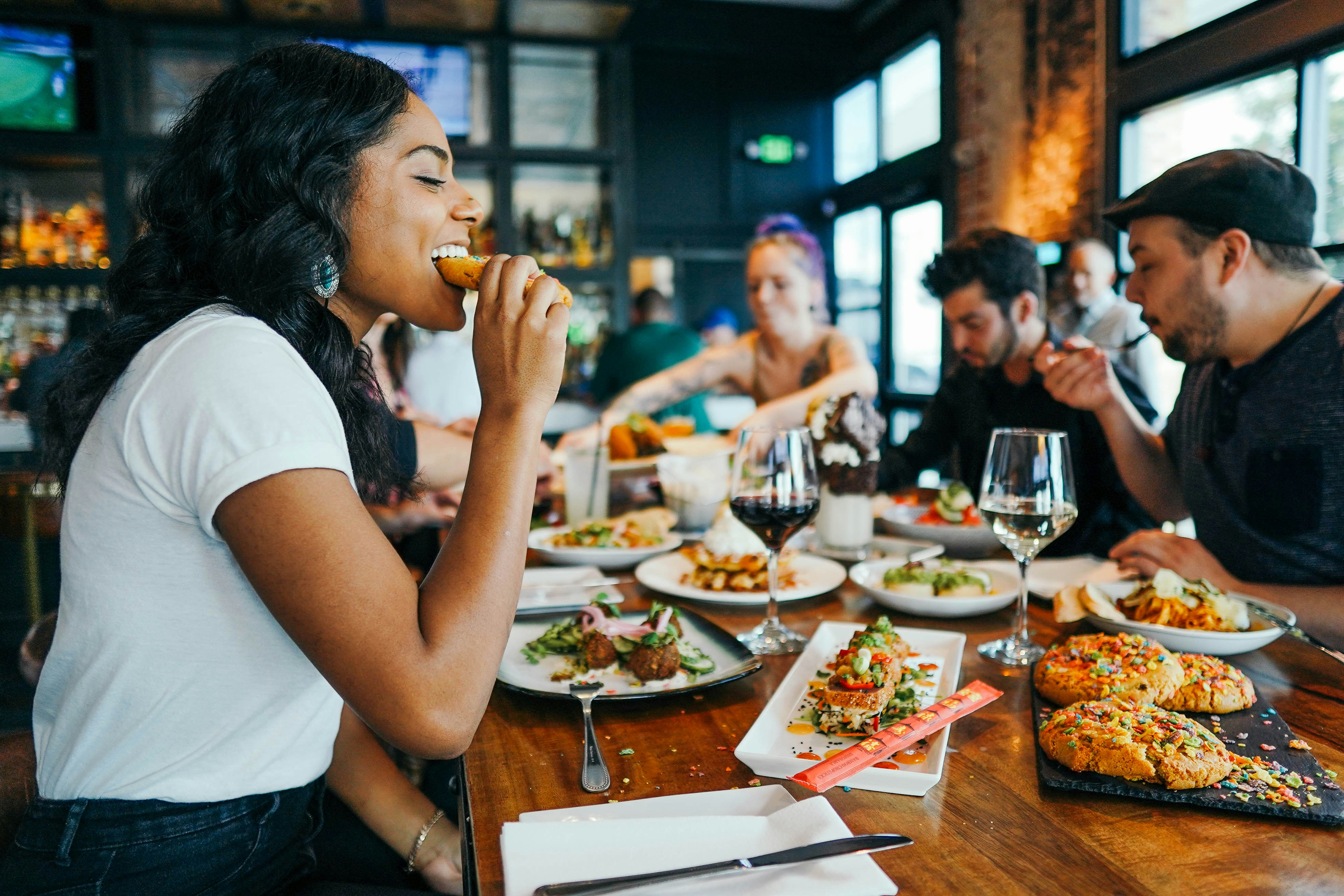
A reflective look at Habit Ranch, its immersive desert activation, and what it signals for brand loyalty and mindful, experiential dining.
May 14, 2026

Unlock Exclusive Access To Webinars, Events, And The Latest News For Free!
A close look at Red Robin's North Star plan as it shifts toward value, loyalty, and menu innovation amid cautious dining demand.
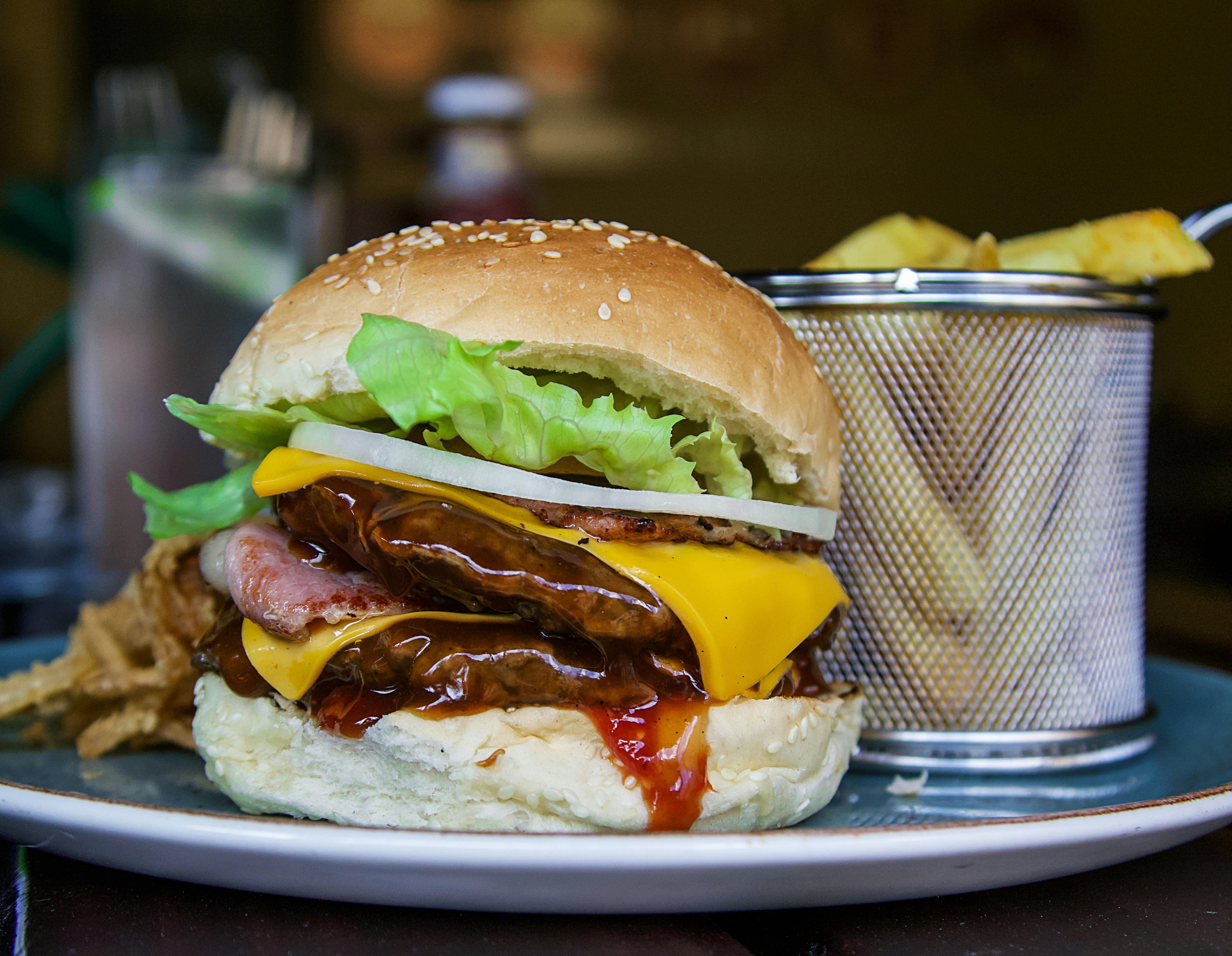
Photo by Stu Moffat
Red Robin Gourmet Burgers opens its chapter with a softer, more intimate cadence—one that feels as comforting as a well-loved booth after a long day. In this moment, the brand leans on a North Star plan whose roots were planted in the early days of G.J. Hart's leadership. The metaphor of a five‑point turnaround arriving at a deliberate fifth inning captures the sense that progress is real, even as macro headwinds—inflation and price sensitivity—still tug at every decision. The question I hear in a room full of cautious optimism is simple: how will this strategy translate into everyday visits:
Within the frame, the plan is designed to guide execution with discipline and measurable progress, aiming to lift margins while offering a durable pathway through softer demand. The five‑point framework centers operating discipline, guest engagement, and long‑term value—an approach intended to reduce volatility and build a foundation for growth when the economy stabilizes. The moment invites a patient tasting of the brand’s next moves and a belief that steady steps can become lasting gains.
North Star is not a flash in the pan; it’s a phased, milestone‑driven approach designed to curb volatility when customers pull back and to accelerate when demand steadies. A few anchors stand out in the narrative: operating discipline that tightens costs and processes, guest engagement that deepens relationships, and long-term value that preserves brand equity. The shift toward value with experience—rather than broad discounts—frames a recipe that blends loyalty, menu, and messaging with care.
Beyond philosophy, the plan’s mechanics lean into a refreshed loyalty program and enhanced guest data to tailor communications and offers. A refreshed menu—highlighting items like the Jalapeño Heatwave Burger—and targeted value days are designed to sustain frequency without eroding brand equity. The result, already visible in transactional signals, is a narrative of gradual, deliberate gains rather than overnight leaps.
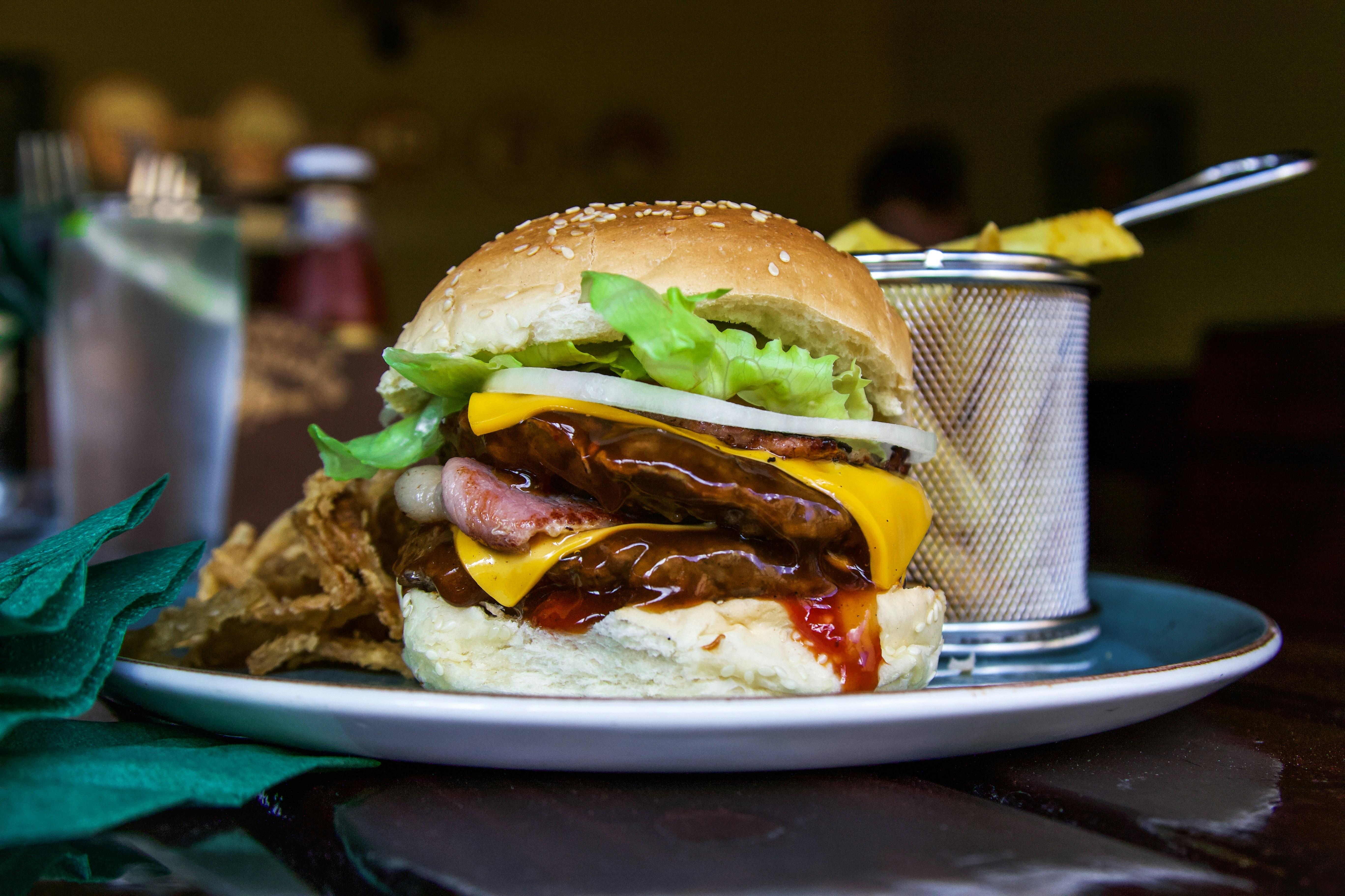
Red Robin has embraced a practical measure of momentum: engagement rising, taste scores improving, shorter wait times, and fewer guest complaints. The leadership voice, including “I am proud of where we are relative to our plan... It’s never fast enough, but we’re seeing amazing improvement,” signals a leadership tone that blends patience with urgency. The math of data‑driven personalization points toward traffic that behaves differently—“You start doing the math on that and you’re getting traffic like nobody’s business.” The core idea is simple: stabilize the core, then layer on growth through smarter connections with guests.
With a renewed loyalty platform and a clearer value proposition, Red Robin aims to translate signals into renewed visits and better margins. The narrative is not a flashy reboot; it’s a careful, memorable shift toward making everyday meals feel more worth coming back for—a mood the brand has long understood in its café‑like moments of ease and hospitality.
Financial trajectory remains a central compass as Red Robin navigates a choppier consumer environment. In late 2024 and into 2025, the company signaled a longer‑term objective to strengthen margins through disciplined growth, efficiency gains, and higher guest engagement. The 2026 outlook includes modest comparable restaurant revenue growth of roughly 0.5% to 1.5%, restaurant‑level operating profit around 13.0%, and EBITDA in the mid‑$70 million range. Capex is projected in the mid‑$20s to low‑$30 millions range to sustain modernization. Meanwhile, loyalty membership has grown to tens of millions and loyalty‑driven visits rise as the program matures.
The stock narrative mirrors the wider industry: pressure persists even as the broader consumer pattern shifts toward loyalty and targeted engagement. The emphasis on disciplined capital allocation and a measured pace of improvement suggests a path that acknowledges headwinds while focusing on a durable foundation for recovery.
Industry context sets the stage: a dining world where loyalty programs increasingly drive visits and basket size, even as inflation and price sensitivity linger. In 2024, nearly two‑thirds of quick‑service and fast‑casual operators reported higher traffic, aided by loyalty engagement and digital channels, though the overall environment remains constrained. Analysts emphasize that loyalty-driven visits and data‑driven personalization are essential to sustaining growth amid price pressures and shifting guest preferences. The trend also elevates the role of meaningful experiences over broad discounts, plus continued investments in app capabilities and targeted marketing.
The broader sector is learning to balance value with memorable experiences, ensuring promotions do not erode margins while still driving traffic. Red Robin’s path—anchored in loyalty, technology, and menu momentum—reads as a microcosm of a sector recalibrating toward more targeted, data‑driven decision making and disciplined capital work.
If the North Star plan stays on track, Red Robin could accelerate its rebound by tightly linking guest engagement, value-based messaging, and menu innovation to stronger operational discipline. The mix of personalized loyalty communications, a refreshed burger lineup, and carefully crafted promotions may help the brand regain share as consumer confidence stabilizes. For the casual‑dining world at large, Red Robin’s experience underscores how loyalty‑driven visitation, differentiated experiences, and disciplined capital allocation become essential in a market with protracted recovery timelines.
In the end, the North Star signals a quiet, almost hospitable tempo: progress is real, but the pace invites patience. The take‑home is less about dramatic gains and more about a consistent, customer‑centric rhythm that blends value, experience, and data into a sustainable path forward for Red Robin—and perhaps a gentle blueprint for others watching a cautious dining landscape adapt to the needs of today’s guests.