How Much Does It Cost to Open a Coffee Shop in 2026?
Opening a coffee shop in 2026 requires careful cost planning across rent, equipment, labor, technology, menu strategy, marketing, and sustainability.
operations
May 15, 2026
Opening a coffee shop in 2026 requires careful cost planning across rent, equipment, labor, technology, menu strategy, marketing, and sustainability.
May 15, 2026

This AI playbook covers restaurant tools for voice ordering, staffing, compliance, menu pricing, inventory, marketing, ChatGPT prompts, and SEO.
May 15, 2026

Hardee’s giant Boddie-Noell inks 31-unit Scooter’s Coffee deal for NC and VA, leveraging drive-thru growth and local roots with rollout over 12–18 months.
May 15, 2026

Wingstop turns match weeks into a multi-sensory festival, aligning bold pop-ups with World Cup energy to build brand affinity and measurable momentum.
May 15, 2026

The parent company behind Dunkin', Buffalo Wild Wings, and Arby's has filed for an IPO a move that could reshape how Wall Street views the restaurant sector.
May 15, 2026

Learn how to develop a memorable restaurant brand identity that stands out in a crowded market, attracts loyal customers, and drives repeat business with actionable strategies and affordable tools.
May 15, 2026

Dirty soda chain Swig is expanding into Colorado through a 10-unit franchise deal, riding a consumer beverage trend that's catching the attention of major QSR players nationwide.
May 15, 2026

Papa Johns has teamed up with Alphabet's Wing for drone delivery of its new sandwich lineup in parts of Charlotte marking the first partnership of its kind between Wing and a national QSR brand.
May 15, 2026

A warm, expert-led look at McDonald’s Q1 results, menu makeover, and the refranchise question shaping its growth.
May 14, 2026

A reflective look at Habit Ranch, its immersive desert activation, and what it signals for brand loyalty and mindful, experiential dining.
May 14, 2026

Unlock Exclusive Access To Webinars, Events, And The Latest News For Free!
A narrative of Red Lobster's Chapter 11 exit under Fortress-led ownership, leadership changes, and a disciplined path to renewal.
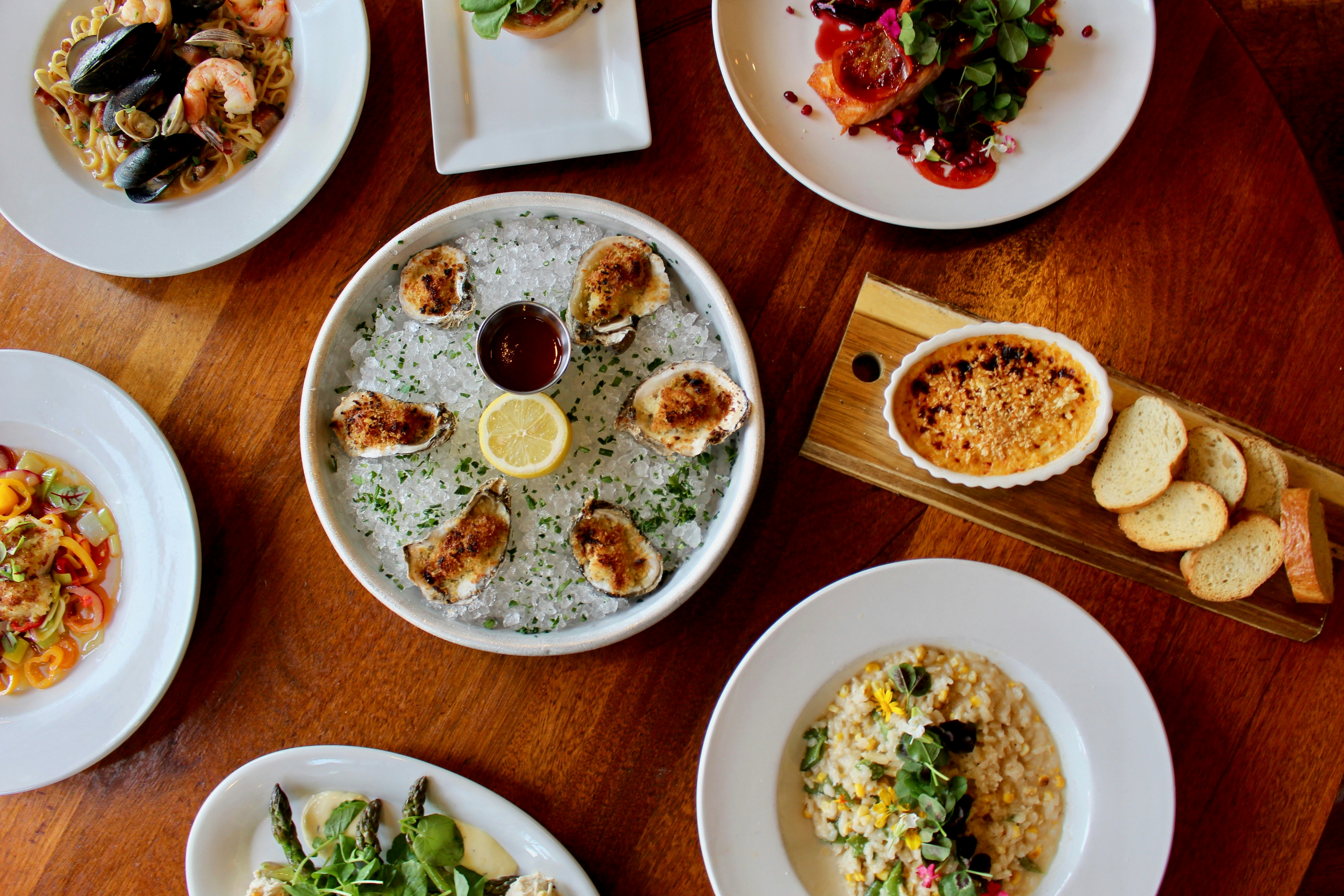
Photo by Scott Greer
On May 20, 2024, the dining icon Red Lobster stepped into a new sort of quiet storm: Chapter 11 protection, a lawful pause that invited creditors to chart a calmer course. The moment felt like a hinge in a long corridor—not a curtain drop but a careful repositioning of the stage lights. The chain had weathered debt, shifting tastes, and misfires in promotion, yet the echo of its brand promise lingered, suggesting that endurance could outlast missteps. that pivot: a carefully staged rethinking of its footprint and guest experience.
Behind the scenes, the arc began to tilt toward an exit strategy rather than a liquidation. Fortress Credit Corp., with TCW Private Credit and Blue Torch as co-investors, organized RL Investor Holdings LLC as a stalking-horse bidder designed to acquire the chain and steer it through the Chapter 11 exit as an independent entity. The intention was to safeguard the brand's scale and the recognizable guest experience while enabling the disciplined changes that a mature business requires. The plan's careful architecture suggested a governance framework built to endure, not merely to endure temporarily.
The period surrounding the filing revealed a complex tapestry of pressures: debt service strains, shifting dining preferences, and promotional bets that failed to translate into sustainable profitability. The brand’s marquee all-you-can-eat shrimp program—once a magnet—proved costly as costs rose and traffic waned. In the months prior to the filing, the chain began rationalizing its footprint, shuttering dozens of locations to recalibrate costs and sharpen focus on core markets. The broader industry dynamics—promotional campaigns and partnerships shaping loyalty—formed the backdrop for Red Lobster’s careful recalibration.
The trajectory was not a surrender but a rational pivot: a recognition that aggressive discounts alone could not sustain a household-name brand. The footnotes of the period reveal a sector-wide curiosity about the role of promotions in growth, with Red Lobster’s adjustments serving as a microcosm of a broader debate. The conclusions remained pragmatic: preserve the brand experience, shrink where necessary, and rebuild around profitability rather than perpetual incentives.
The mechanics of the transition centered on a financing-led restructuring orchestrated by Fortress Credit Corp., Fortress Investment Group’s credit arm, with TCW Private Credit and Blue Torch as co-investors. RL Investor Holdings LLC, the stalking-horse buyer, was positioned to acquire the chain and steer it out of Chapter 11 as an independent entity—an arrangement intended to preserve brand continuity while enabling operational changes. The governance shift was underscored by leadership realignment, including the elevation of Damola Adamolekun to lead the new owner entity and the departure of the incumbent chief executive, Jonathan Tibus, after guiding the company through reorganization.
Fortress communications and investor-focused disclosures framed the plan as disciplined, long-term stabilization designed to unlock value through professional credit markets and strategic oversight. Herding the enterprise toward exit required coordination with regulators, trustees, and other stakeholders so that the transition would feel orderly rather than abrupt. The public portrait of RL Investor Holdings and its leadership plan provided credibility to the narrative of a managed revival rather than a radical pivot.
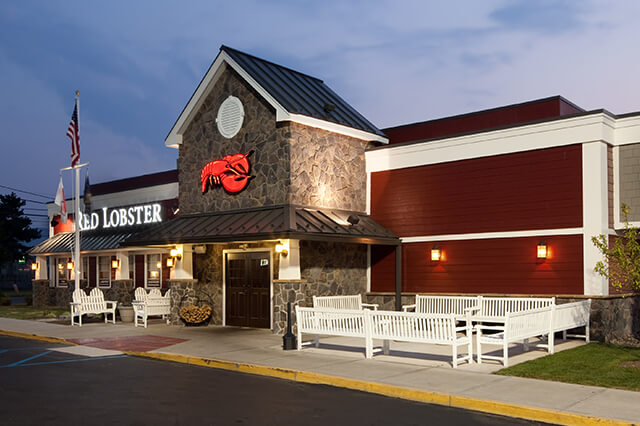
In the transition, messaging sought to fuse continuity with renewal. Damola Adamolekun, named CEO of RL Investor Holdings LLC, framed the shift as a path toward a robust, long-term future for the chain. Public remarks acknowledged the need to preserve the iconic brand while pursuing strategic changes, and the exiting CEO, Jonathan Tibus, stepped aside with thanks for his role. The public narrative—steady governance, debt relief, and a return to growth—was designed to reassure employees, suppliers, and guests that the brand would endure and adapt.
“The Red Lobster has a tremendous future,” Adamolekun stated in subsequent remarks, a line that crystallized the tenor of the rebirth. Public communications and major outlets framed the move as a disciplined partnership rather than a bankruptcy blowout, underscoring stability, debt relief, and a measured return to growth. The leadership transition was presented as a cadence—carefully chosen, publicly explained, and aimed at preserving a beloved dining concept while inviting fresh momentum.
The legal arc unfolded in deliberate sequence. The chain filed for Chapter 11 protection on May 20, 2024, initiating a path for debt reorganization, selective store closures, and a route to sale. By early September 2024, the court had approved the Chapter 11 plan, enabling the sale to Fortress-led RL Investor Holdings LLC and setting the stage for emergence. The acquisition was projected to close by the end of September 2024, with leadership transitions complementing the operational realignment. In 2026, the status of the plan drew regulatory attention as the U.S. trustee voiced concerns in a formal opposition.
The sequence—filing, court approval, and exit—was documented across outlets such as AP News, CNBC, and PR Newswire, with 2026 reporting indicating ongoing regulatory scrutiny. The confluence of court rulings, insider leadership moves, and creditor-led ownership formed a restart that many observers interpreted as a genuine attempt to protect jobs and preserve a familiar dining option. The narrative thus framed a second act built on governance as much as growth, and on a brand that refused to surrender its coastlines.
While the Red Lobster story unfolded in the courts, the wider restaurant world showcased a different palette of strategy. Taco Bell marked the 20th anniversary of its Mountain Dew Baja Blast in 2024 with a Bajaversary promotion that offered rewards members a free medium Baja Blast fountain drink or Baja Blast Freeze and a limited-edition Stanley x Bajaversary tumbler later that summer. The campaigns demonstrated how major brands leverage collaborations, exclusive merch, and app-driven drops to reinforce loyalty and spark social momentum.
Meanwhile, Chipotle faced a national conversation about shrinkflation, prompting assurances to guests about serving sizes and a commitment to training to ensure consistency across its thousands of locations. The company’s results and outlook for 2025 and 2026 illustrate a growth trajectory anchored in new unit openings, menu innovation, and pricing strategies designed to offset rising costs. Together, these moves illustrated an industry adapting to financial pressures, consumer scrutiny, and evolving brand partnerships that shape guest engagement.
Even as Fortress-led ownership advances, uncertainties linger about the pace and sustainability of Red Lobster’s rebound. In 2026, the U.S. trustee publicly opposed aspects of the bankruptcy plan, signaling ongoing regulatory scrutiny and the need for careful execution to address concerns about plan discharge and creditor rights. The evolving posture underscores that execution risk remains, even as the business adjusts its footprint, supplier relationships, and restaurant performance. The Red Lobster case thus highlights how capital markets and private credit can stabilize a beloved brand while demanding disciplined governance to sustain it.
Taken together, Red Lobster’s journey through Chapter 11 and Fortress’s involvement illustrates a broader industry trend: seasoned sponsors steering troubled brands toward stabilization, modernization, and growth without sacrificing the consumer promise. The case emphasizes credibility through demonstrated leadership, transparent milestones, and disciplined communications. For executives across the sector, the rebirth offers a blueprint: balance aggressive promotions with sustainable operating practices, and remember that governance may prove as decisive as the balance sheet in preserving a brand’s enduring edge.