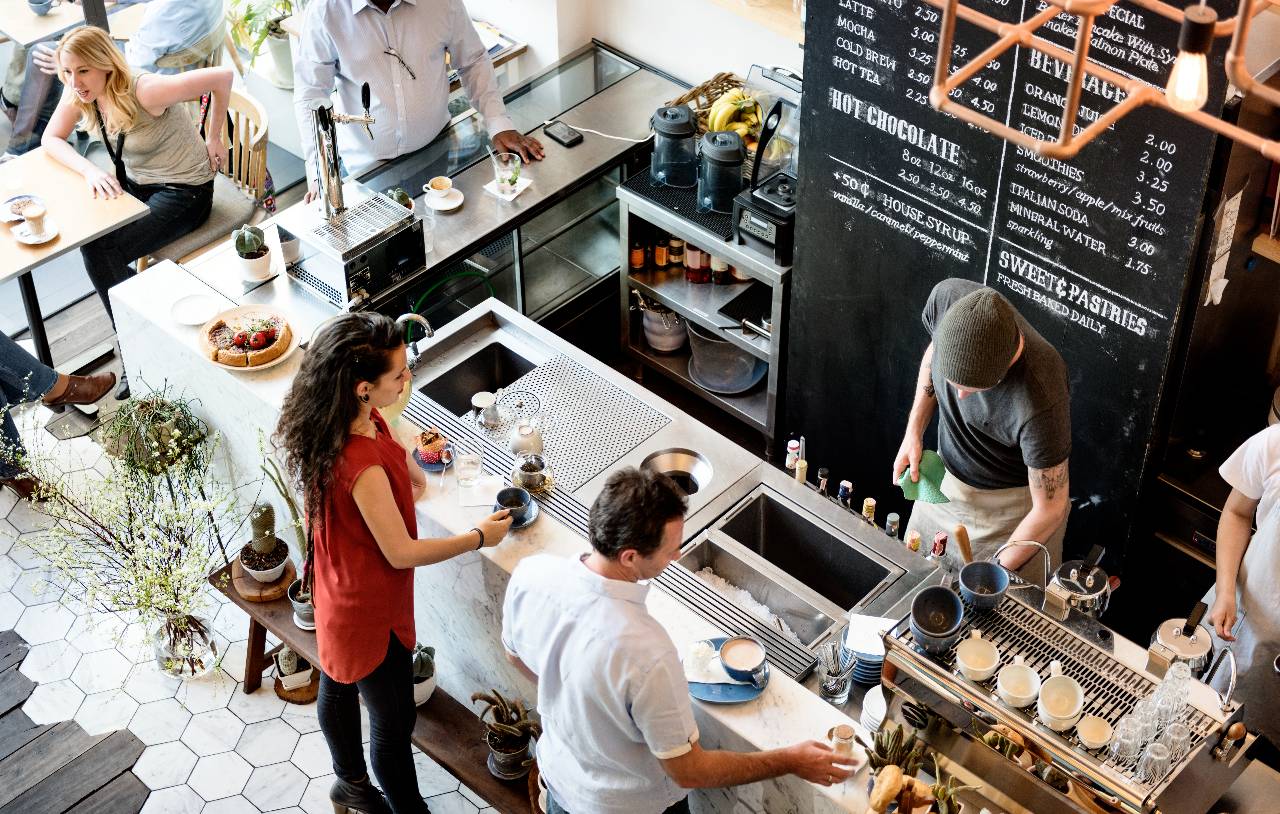
How Much Does It Cost to Open a Coffee Shop in 2026?
Opening a coffee shop in 2026 requires careful cost planning across rent, equipment, labor, technology, menu strategy, marketing, and sustainability.
operations
May 15, 2026
Opening a coffee shop in 2026 requires careful cost planning across rent, equipment, labor, technology, menu strategy, marketing, and sustainability.
May 15, 2026
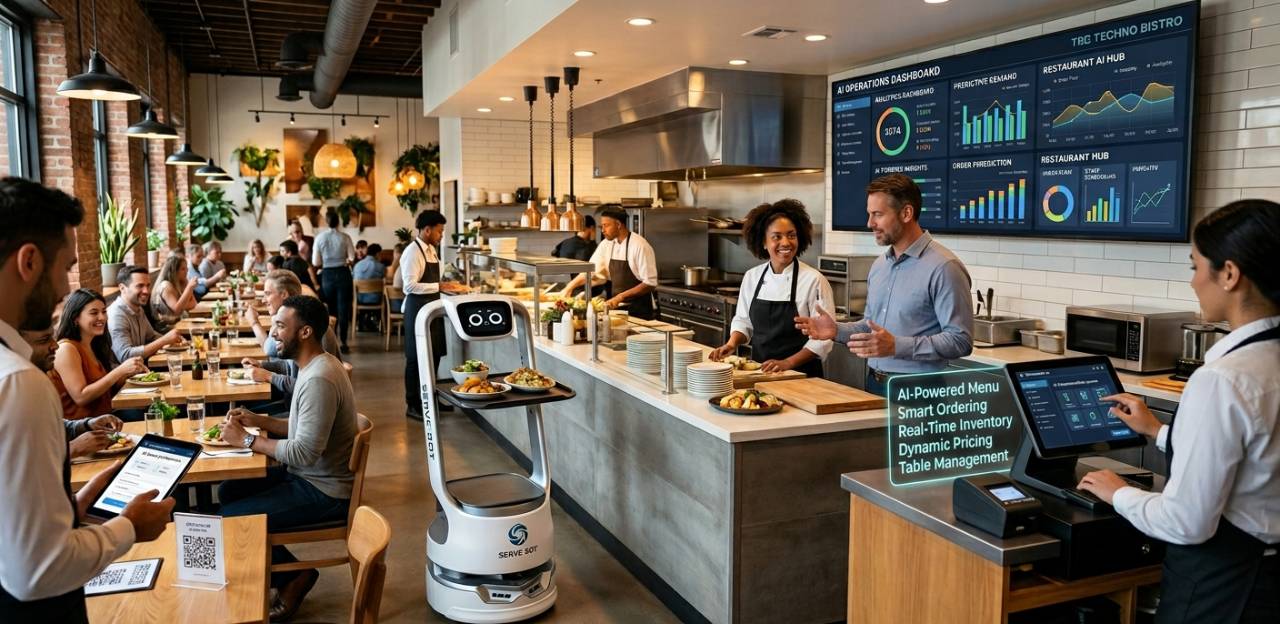
This AI playbook covers restaurant tools for voice ordering, staffing, compliance, menu pricing, inventory, marketing, ChatGPT prompts, and SEO.
May 15, 2026
Hardee’s giant Boddie-Noell inks 31-unit Scooter’s Coffee deal for NC and VA, leveraging drive-thru growth and local roots with rollout over 12–18 months.
May 15, 2026
Wingstop turns match weeks into a multi-sensory festival, aligning bold pop-ups with World Cup energy to build brand affinity and measurable momentum.
May 15, 2026
The parent company behind Dunkin', Buffalo Wild Wings, and Arby's has filed for an IPO a move that could reshape how Wall Street views the restaurant sector.
May 15, 2026

Learn how to develop a memorable restaurant brand identity that stands out in a crowded market, attracts loyal customers, and drives repeat business with actionable strategies and affordable tools.
May 15, 2026
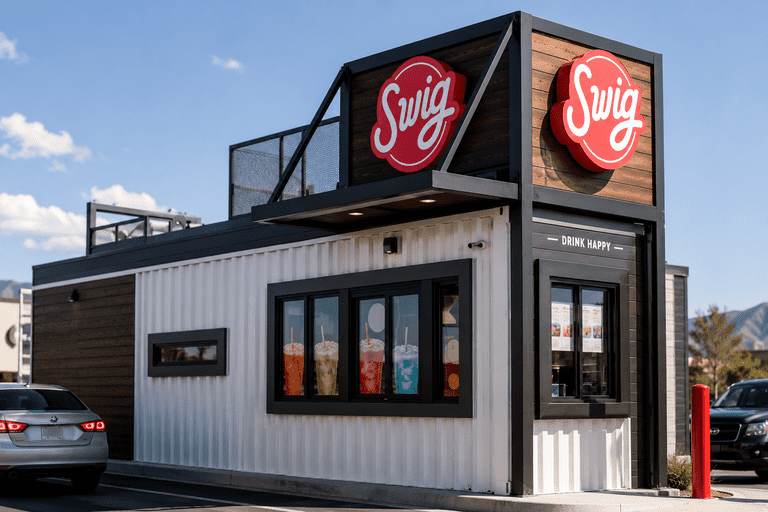
Dirty soda chain Swig is expanding into Colorado through a 10-unit franchise deal, riding a consumer beverage trend that's catching the attention of major QSR players nationwide.
May 15, 2026
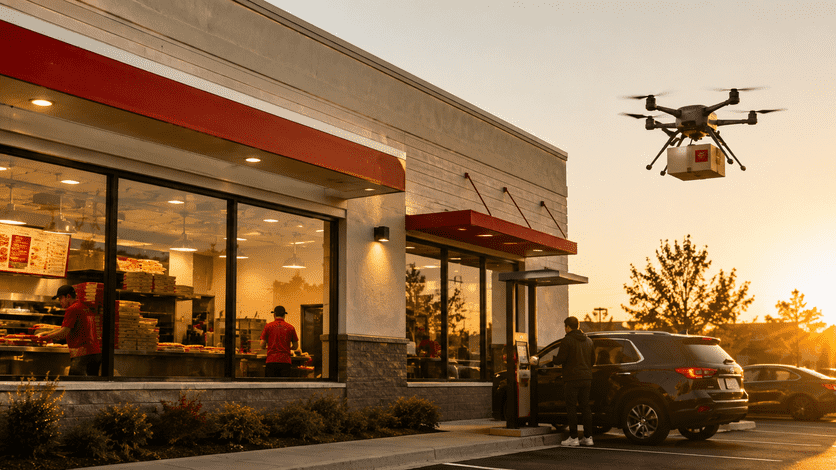
Papa Johns has teamed up with Alphabet's Wing for drone delivery of its new sandwich lineup in parts of Charlotte marking the first partnership of its kind between Wing and a national QSR brand.
May 15, 2026
A warm, expert-led look at McDonald’s Q1 results, menu makeover, and the refranchise question shaping its growth.
May 14, 2026
A reflective look at Habit Ranch, its immersive desert activation, and what it signals for brand loyalty and mindful, experiential dining.
May 14, 2026

Unlock Exclusive Access To Webinars, Events, And The Latest News For Free!
RaceTrac plans to acquire Potbelly for “$566 million,” aiming to compress years of menu and tech development into one deal and stake a claim in food-first convenience.
Photo by Diego Gavilanez
RaceTrac, the Atlanta-based c-store operator with bright-red branding and a reputation for speed, plans to acquire Potbelly for “$566 million.” That number does more than headline a transaction. It buys an operating system—signature sandwiches, culinary standards, and a restaurant-trained bench—that a retailer would otherwise spend years building. For a chain better known for pace and polish than a culinary draw, this is a pivot with intent. The move compresses the long haul of menu development, training, and back-of-house discipline into one purchase. Instead of tinkering with iterations while competitors raise the bar each quarter, RaceTrac is choosing to import a finished playbook. The message is blunt: speed, brand equity, and proven processes are worth a premium when the goal is to flip the conversation from snacks-at-the-pump to meals worth a detour. In a market where food is becoming the headline act, the company is paying to join the show now—not in five years. There’s no flourish here, just a strategic shortcut. A respected restaurant brand carries a halo that convenience alone can’t replicate. It signals quality, consistency, and discipline. This deal takes RaceTrac out of the slow lane and into a food-first frame, where consumers judge you plate by plate. The stakes are high, but so is the upside if the integration holds its shape.

RaceTrac’s current board is built for convenience missions: breakfast sandwiches, pizza, roller grill hot dogs, plus a proprietary Swirl World ice cream and frozen yogurt program. Useful, familiar, fast. But it doesn’t function as a culinary magnet on the level of made-to-order leaders like Wawa, QuikTrip, and Sheetz. To become a destination for meals, not just refueling, the menu has to carry more weight—and carry it consistently. Richard Guidry, a foodservice executive and consultant who spent “more than 15 years” in marketing, management, and operations at RaceTrac, frames the acquisition plainly. “RaceTrac may have just sped up the clock and skipped some years with this deal,” he said, noting how signatures like Casey’s pizza and Wawa’s hoagies took years to perfect. Buying a recognized sandwich brand with its own kitchen discipline substitutes for a slow grind of in-house R&D. It also brings standardized recipes and production rhythms that c-stores often take time to internalize. This isn’t a knock on the current offer. It’s an admission that a restaurant-caliber program demands different tools. You need tested builds, trained hands, forecasting that anticipates dayparts down to the hour. You need a brand with proven signatures that draw a line out the door. Potbelly’s portfolio supplies that immediacy. The deal is a culinary and operational shortcut—one that comes with a price tag, but also with a playbook RaceTrac can deploy at scale.
One plausible path is direct integration: Potbelly counters inside RaceTrac stores. Let the “Wreck” and “Sweet Heat Pork BBQ” do what they do—pull customers beyond the forecourt and into a full meal journey. Travel centers make a clean fit. These high-traffic sites already blend fueling, retail, and food; they have the space and the throughput to anchor a Potbelly experience without slowing the rest of the operation. The halo effect matters. Peter Rasmussen, a former Wawa executive who leads Convenience and Energy Advisors, put it succinctly: “The Potbelly brand is respected for quality so positioned in a Racetrac it automatically elevates the food offer not just for what Potbelly sells, but adjacent marketing benefits to consumer perception of the rest of Racetrac’s offer,” he said via email. That adjacency is leverage. A recognized QSR signals standards. It raises the perceived value of coffee, bakery, and packaged snacks sitting 10 feet away. Done right, an in-store Potbelly can turn occasional snack trips into repeat meal occasions. It can reset expectations at the pump: not just a stop, but a destination. The sandwiches take the lead; the rest of the store benefits. The play is simple, and simplicity wins—if execution is tight and the service line moves.

Guidry calls this a trade of strengths. RaceTrac brings real estate development and scale that can help Potbelly pursue its goal to reach “2,000 locations.” Potbelly brings menu leadership and a restaurant-native tech stack built for forecasting, automation, and digital ordering. The gap is real, and closing it pays dividends in speed and consistency. As Guidry put it, “QSRs are pretty far ahead of c-stores from a technology standpoint, whether it's forecasting and automation tools, and even starting to use AI now for ordering,” a candid read on where efficiency gains can be found. Importing those systems isn’t window dressing; it’s how you predict lunch rush, pre-stage product, and cut ticket times without cutting corners. Potbelly’s public posture underscores the people side: “While it’s too early in the process to comment on specifics, we can say that the strength of our teams is critical to our future success, and we recognize the talent that this transaction brings together,” the company said in an emailed statement. “We remain committed to operating to support our team members, our franchisees and their growth.” Operations, talent, technology—stacked together, they form the integration thesis. Use Potbelly’s kitchen playbooks and forecasting tools to lift speed, quality, and consistency inside RaceTrac without waiting years to build equivalents from scratch.

C-stores are already charging into restaurant territory. Chains have hired culinary specialists, upgraded menus, and launched foodservice platforms designed to go head-to-head with quick-service and fast-casual brands. 7-Eleven, the largest U.S. c-store chain, has developed its own QSR brands and plans to open restaurants inside “hundreds of stores.” QuikTrip’s in-store features—from draught cold brew to QT Kitchens serving breakfast pizzas and frozen shakes—are reshaping expectations at the pump. Against that backdrop, RaceTrac’s decision to acquire, not just co-locate with, a restaurant operator signals a new phase in the convergence. It’s a commitment to owning the brand, the standards, and the systems. Richard Poye, a former vice president of marketing and food with RaceTrac who now leads Food Trends Think Tank, expects others to take note. “More deals are possible as large chains seek foodservice shortcuts,” he wrote via email. “However, smaller players may prefer franchising or co-branding due to the risks associated with integration.” The logic is speed to market and brand equity. White-label menus can fill a gap, but they’re slower to earn trust. A recognized name gets you a head start with consumers who already know what a Wreck sandwich should taste like. The bar is rising; patience is expensive. Buying time—literally—can be the smarter move if you can integrate without losing your edge.
Strategic logic doesn’t remove execution risk. Cultures collide. Poye’s warning is direct: “C-stores thrive on speed, limited menus, and impulse purchases; QSRs depend on the dining experience, consistency, and a food-first culture,” a difference that can rub if not planned for. He adds, “As with any cross-sector integration, running two very different business models in parallel can strain focus, systems, and capital, resulting in a loss of emphasis on the core.” That’s the tightrope. Protect RaceTrac’s efficiency and value proposition while preserving Potbelly’s culinary identity and service standards. Rollout choices become critical. Travel centers and other high-traffic formats can host a full Potbelly experience without choking the convenience mission. The guardrails matter: limit menu complexity where space or labor can’t support it; map production flow so sandwiches move with pace; plan labor to match dayparts instead of forcing a one-size schedule. A clean line often beats a clever one. Keep the sandwich line tight, the hot hold clean, the handoff fast. If the brands complement rather than cannibalize each other, you get more than the sum of their parts. If they blur, you risk a muddled experience that doesn’t satisfy either the fuel customer or the meal customer. The discipline to avoid drift will decide the outcome.

Potbelly has not detailed the integration plan. “While it’s too early in the process to comment on specifics,” the company said, emphasizing team strength and a commitment “to support our team members, our franchisees and their growth.” The blanks are significant: how many in-store Potbelly installs, which markets and formats lead, how the kitchen footprints will be configured, and how quickly restaurant-native tech—forecasting, automation, AI-driven ordering—phases into RaceTrac’s back-of-house. There’s a familiar model on the table. C-stores have long hosted QSR outposts inside the box or on adjacent pads. The twist here is ownership—one company controlling both the retail engine and the restaurant brand. The promise is a cohesive offer that elevates perceived quality across the forecourt, the c-store, and the in-store QSR. The limits are just as clear: sequence, timing, and capital allocation will dictate how fast—and how cleanly—this comes together. Announced price aside, the cadence remains undisclosed. That means near-term execution will be judged store by store. Does the sandwich line plug into traffic patterns without gridlock? Do daypart forecasts match labor and production? Those answers will tell you if the plan is working long before a national map fills in.
If RaceTrac threads the needle, it can join Wawa, Sheetz, and QuikTrip—operators customers visit for meals, not just fuel or snacks. Guidry sums up the foundation that makes the bet plausible: “[RaceTrac] is great at running stores. They have a great value proposition. Their guest service is really good. Making this acquisition kind of feels like that last piece of the puzzle,” he said. That last piece is a food brand with credibility, backed by restaurant-grade tech and training. The stakes match the ambition. “$566 million” isn’t an experiment; it’s a commitment to foodservice-led growth and a belief that brand equity can accelerate trust across categories. The thesis is clear: import proven recipes, systems, and talent; integrate them with real estate reach and retail execution; elevate quality perception and repeat visits. The test is equally clear: maintain two business models without diluting what makes each successful. The lesson is straightforward. In a market where expectations reset every quarter, speed matters—but speed isn’t free. Buying a strong food brand can vault you into the conversation, but it doesn’t relieve you of the daily grind of execution. Keep the menu disciplined, the tech sharp, the service line consistent. Do that, and the acquisition becomes more than a shortcut; it becomes a standard. Skip those fundamentals, and the price you paid to gain time will come due with interest.