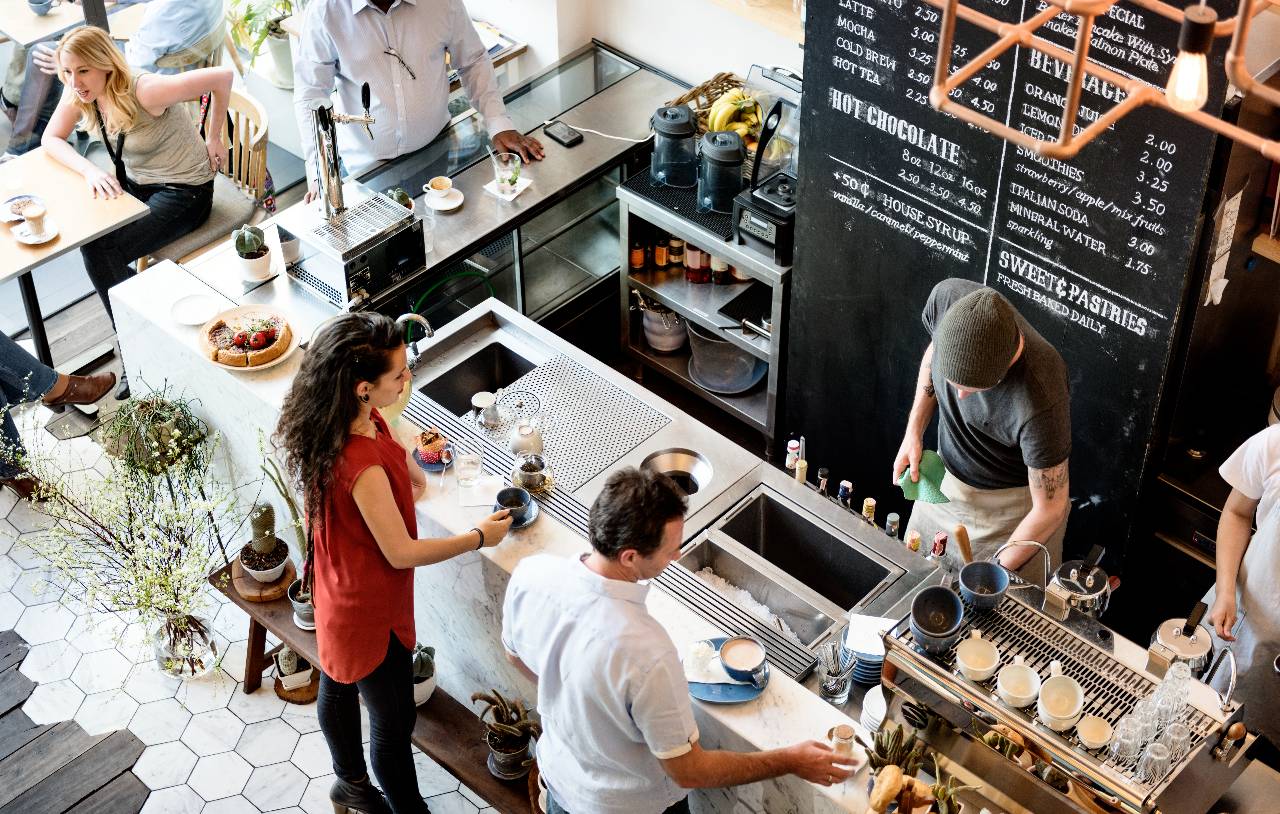
How Much Does It Cost to Open a Coffee Shop in 2026?
Opening a coffee shop in 2026 requires careful cost planning across rent, equipment, labor, technology, menu strategy, marketing, and sustainability.
operations
May 15, 2026
Opening a coffee shop in 2026 requires careful cost planning across rent, equipment, labor, technology, menu strategy, marketing, and sustainability.
May 15, 2026
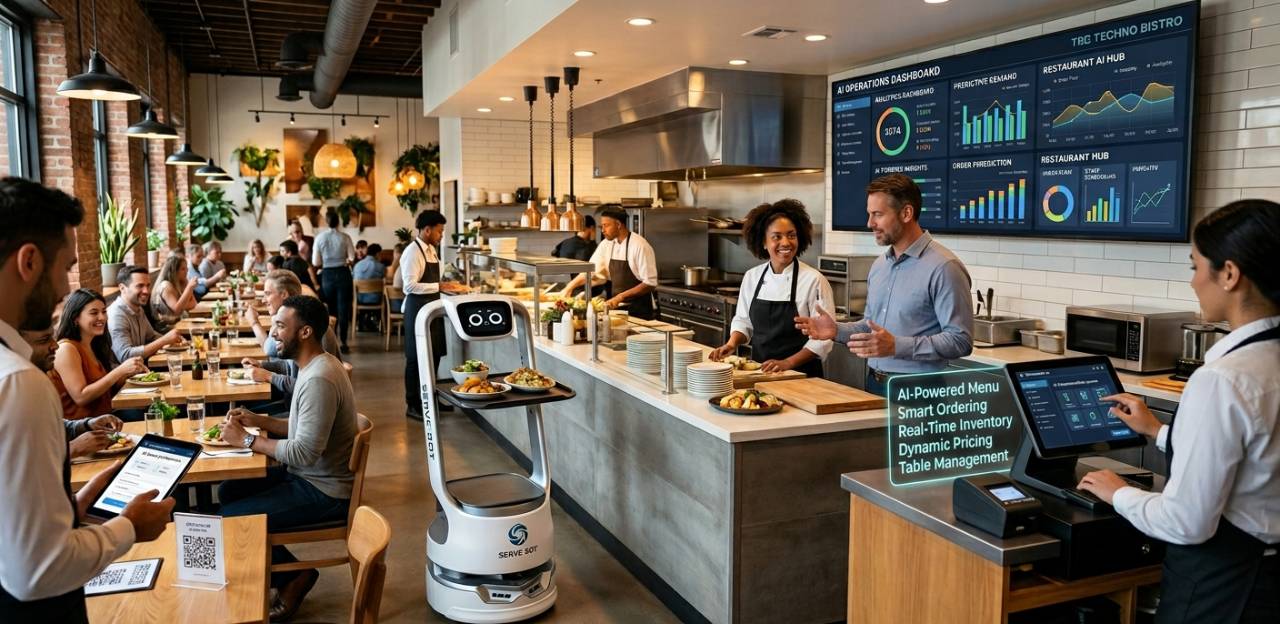
This AI playbook covers restaurant tools for voice ordering, staffing, compliance, menu pricing, inventory, marketing, ChatGPT prompts, and SEO.
May 15, 2026
Hardee’s giant Boddie-Noell inks 31-unit Scooter’s Coffee deal for NC and VA, leveraging drive-thru growth and local roots with rollout over 12–18 months.
May 15, 2026
Wingstop turns match weeks into a multi-sensory festival, aligning bold pop-ups with World Cup energy to build brand affinity and measurable momentum.
May 15, 2026
The parent company behind Dunkin', Buffalo Wild Wings, and Arby's has filed for an IPO a move that could reshape how Wall Street views the restaurant sector.
May 15, 2026

Learn how to develop a memorable restaurant brand identity that stands out in a crowded market, attracts loyal customers, and drives repeat business with actionable strategies and affordable tools.
May 15, 2026
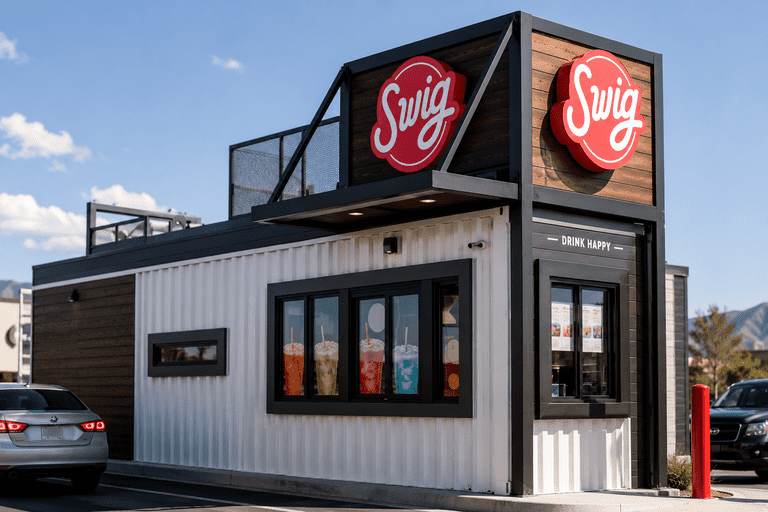
Dirty soda chain Swig is expanding into Colorado through a 10-unit franchise deal, riding a consumer beverage trend that's catching the attention of major QSR players nationwide.
May 15, 2026
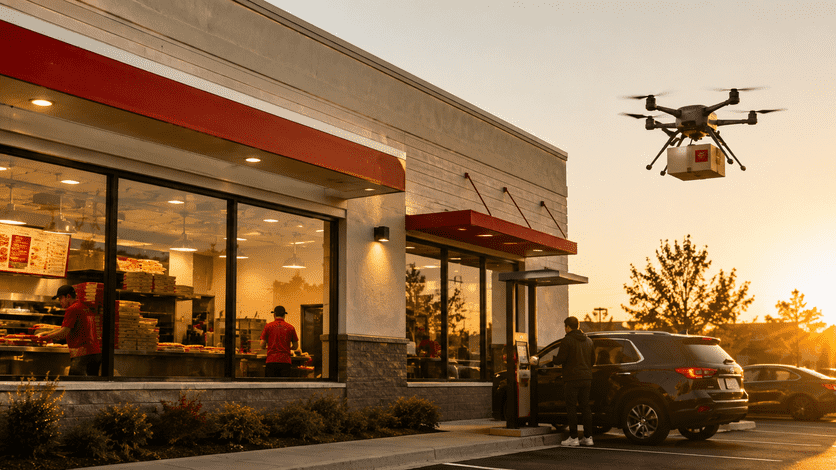
Papa Johns has teamed up with Alphabet's Wing for drone delivery of its new sandwich lineup in parts of Charlotte marking the first partnership of its kind between Wing and a national QSR brand.
May 15, 2026
A warm, expert-led look at McDonald’s Q1 results, menu makeover, and the refranchise question shaping its growth.
May 14, 2026
A reflective look at Habit Ranch, its immersive desert activation, and what it signals for brand loyalty and mindful, experiential dining.
May 14, 2026

Unlock Exclusive Access To Webinars, Events, And The Latest News For Free!
Potbelly leans into an everyday $7.99 value platform and franchise-led growth, weaving flavor, margins, and digital bridges into a gentler, more lasting rebound.
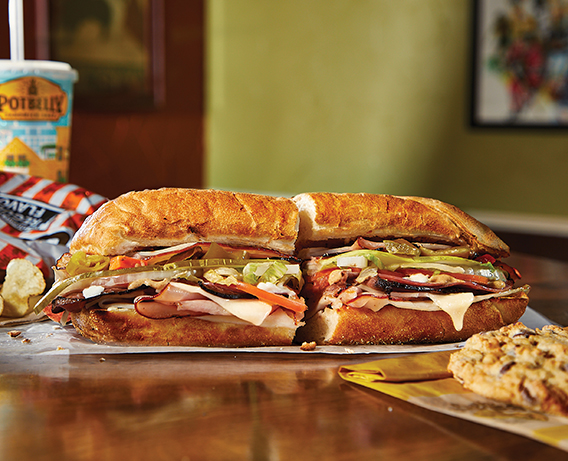
On a quiet corner where the café hums with soft chatter and the scent of baked bread lingers like a familiar lullaby, Potbelly is unfolding a plan that feels less like a sprint and more like a slow, comforting walk toward stability. The new everyday value push isn’t a momentary spectacle; it’s a poised invitation to linger, to choose predictability over impulse, and to trust that flavorful meals can come with a softer price tag. In a landscape that loves headlines, Potbelly’s mood is more about the quiet, generous rhythm of a lunch hour that feels earned and easy. So what exactly is this plan that’s creating momentum without rushing the clock?
7.99 platform – A $7.99 Skinny Turkey, Ham, or Chicken combo that includes chips and a drink, rolled out across most of the system in late July. The emphasis is everyday value rather than episodic discounts, aimed at sustaining traffic while protecting margins. Beyond the price, Potbelly signaled menu refreshes to close flavor gaps, including two new signature sandwiches and two proprietary sauces to debut the following week. In addition, the brand expanded beverage options with Craft Refreshers through a collaboration with Tractor Beverage Company, intended to raise beverage incidence rates and overall mix.
The mood is a patient invitation to return, not a rush to fill a chair. This approach aims to balance appetite with value, crafting a dining moment that feels both comforting and responsible.
From its outset, Potbelly’s leadership has framed value as a steady, long-run driver of traffic rather than a one-off price cut. The plan is crafted to attract in-store guests who are less engaged digitally while building a bridge to franchise and digital channels. CEO Bob Wright has explained that the value framework is designed to improve perceived value and return intent without compromising brand integrity or long-term profitability. In this light, the team pursues a careful balance between appealing prices and margin protection, steering clear of aggressive discounting on core items.
Long-run confidence comes from keeping value honest and brand-consistent. The strategy aims to deepen the customer journey without devaluing the core menu, recognizing that sustainable growth is built on trust as much as on price.
The North Star casts a light on margins as a companion to traffic, not a casualty of novelty. In this careful balance, Potbelly’s leadership frames value as a bridge—linking in-store experiences to franchise expansion and digital channels, so the brand can grow without losing its comforting, neighborhood-café feel.
The centerpiece remains the $7.99 Skinny combo, a deliberately affordable choice that anchors the broader vision: sustained traffic, measured menu innovations, and a more resilient margin profile. The company’s plan signals a careful cadence of flavor updates that closes gaps between what customers expect and what the menu delivers. The aim is a welcoming, repeatable dining moment that feels simple on the surface but thoughtful in the details beneath the crusty bread and warm cheese.
- Two new signature sandwiches – planned to debut the following week to broaden the flavor map.
- Two proprietary sauces – designed to close flavor gaps and reinforce brand identity.
- Craft Refreshers collaboration with Tractor Beverage Company – intended to raise beverage incidence and lift overall mix.
This triad of moves sits beneath the flagship price, creating a cohesive ecosystem where value, flavor, and beverage options reinforce each other—an inviting rhythm rather than an uneven sprint.
CEO Bob Wright has described the value program as a lever for value perception and repeat visits, noting that the 7.99 combo “did exactly what we intended – driving value perception, likelihood to return, and increased frequency.” His words anchor the effort in tangible behavioral goals while the team quietly nurtures margins through disciplined cost management and targeted menu moves. This is not a momentary fire drill but a patient push to shape customer habits and channel transitions.
Industry observers have framed the move as a measured response to discounting pressure in a cautious consumer environment, one that seeks to preserve brand value while expanding access. The value initiatives are also viewed as a way to convert in-store guests into digital channels, broadening the chain’s customer ecosystem and potential lifetime value.
In this balance sheet of sentiment and strategy, the emphasis remains on sustaining traffic while protecting margins—a dual aim that could shape how Potbelly navigates growth, franchise development, and the evolving dining landscape.
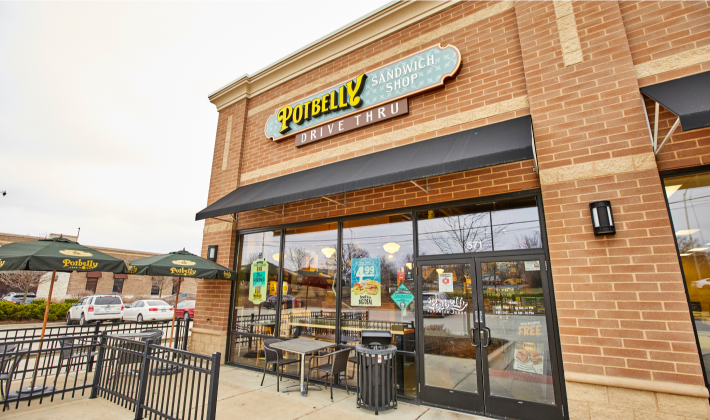
The latest quarter offered a mixed harvest: revenue declined 4.7% year over year, and company-operated same-store sales slipped 1.8%, yet margins expanded due to tighter cost control and operational refinements. Management highlighted a 70-basis-point year-over-year improvement in shop margins and noted eight new shops opened while six new multi-unit agreements would add 32 stores. As of Sept. 29, 2024, Potbelly reported 695 open and committed shops, up 28% versus the prior-year quarter. The long-term objective remains clear: reach 2,000 locations, with a franchise-heavy model aiming for at least 85% franchised locations.
Industry context places Potbelly within a broader fast-casual drift toward value-led offers paired with selective menu innovation and a structured franchising push. The Craft Refreshers initiative and signature-sandwich development illustrate a strategy to lift in-store appeal while leveraging partnerships to broaden beverage and flavor profiles. The trajectory points to growth through franchising without sacrificing profitability, even as the market tests new models and partnerships.
Yet even as the plan progresses, gaps and uncertainties linger. Questions about sustained traffic gains and the pace of unit expansion persist in a volatile consumer environment. Activist investors have urged consideration of strategic options, signaling external interests amid a valuation dynamic that could influence future capital decisions. In this evolving landscape, Potbelly’s blend of value-driven promotions, menu modernization, and franchise acceleration remains central—and timing, plus macro factors, will color the path ahead.
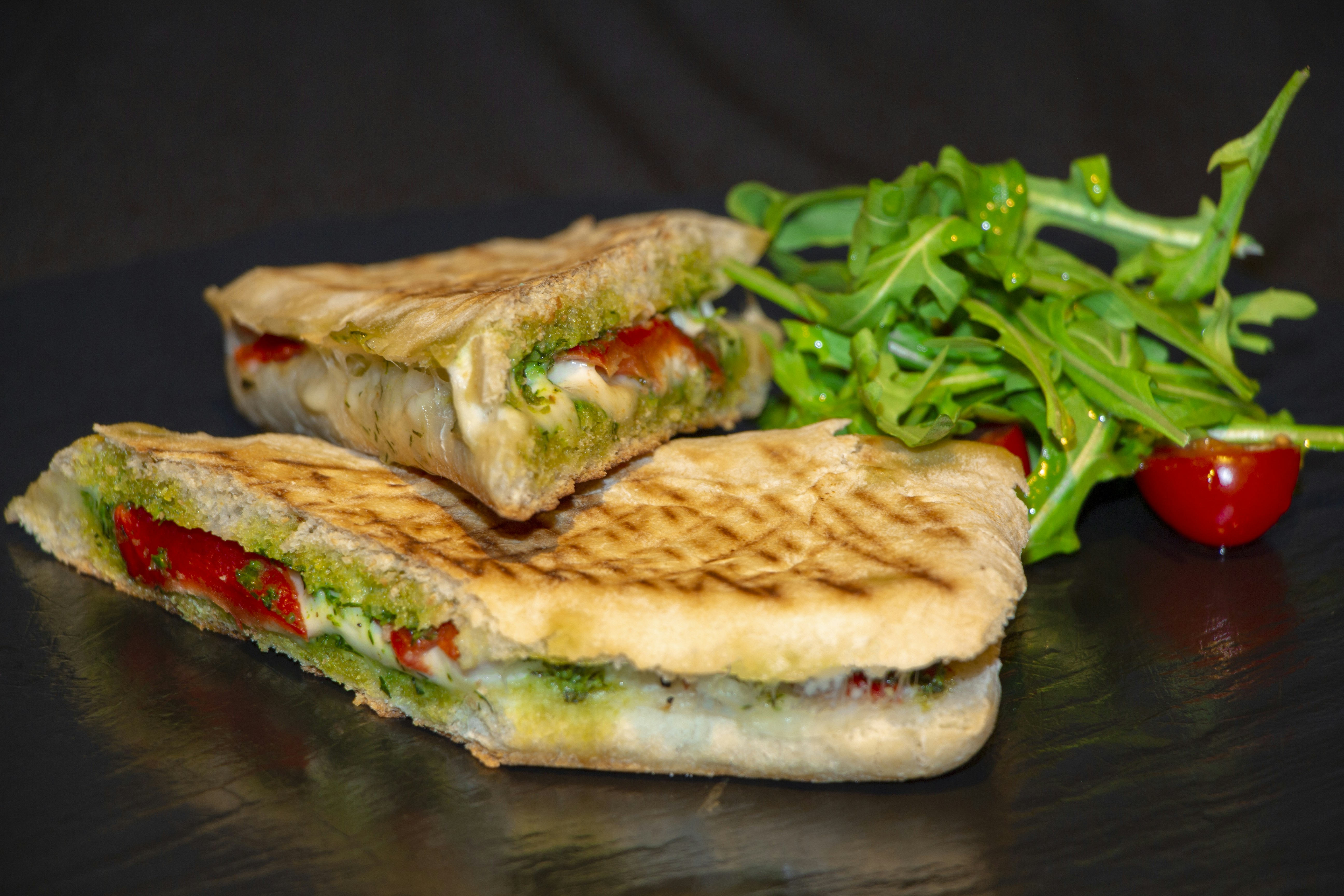
In a transformative development that redraws Potbelly’s horizon, RaceTrac Inc., a large private operator in the convenience-store space, announced in September 2025 an agreement to acquire Potbelly for approximately $566 million in an all-cash transaction. The deal envisions closing in the fourth quarter of 2025 and aligns Potbelly with a more resource-rich platform capable of accelerating its growth toward the long-standing goal of 2,000 locations. Analysts and industry observers noted that the acquisition could bolster the brand’s expansion, though integration and regulatory approvals remained considerations. This move reflects broader market activity around strategic alternatives for high-growth restaurant concepts.
As Potbelly enters this new ownership chapter, the care taken to balance value, flavor, and growth endures. The blend of a steady value narrative, franchise acceleration, and a robust platform for scaling invites a quieter, more hopeful mood: a café that feels designed to be a fixture in everyday routines, even as it expands its reach and capabilities.
In this gentle evolution, Potbelly’s warmth remains its anchor: comforting fare, mindful pricing, and a hospitality that makes guests feel welcomed back again and again, even as the map grows and the conversations around growth shift to a broader stage.