How Much Does It Cost to Open a Coffee Shop in 2026?
Opening a coffee shop in 2026 requires careful cost planning across rent, equipment, labor, technology, menu strategy, marketing, and sustainability.
operations
May 15, 2026
Opening a coffee shop in 2026 requires careful cost planning across rent, equipment, labor, technology, menu strategy, marketing, and sustainability.
May 15, 2026
This AI playbook covers restaurant tools for voice ordering, staffing, compliance, menu pricing, inventory, marketing, ChatGPT prompts, and SEO.
May 15, 2026
Hardee’s giant Boddie-Noell inks 31-unit Scooter’s Coffee deal for NC and VA, leveraging drive-thru growth and local roots with rollout over 12–18 months.
May 15, 2026
Wingstop turns match weeks into a multi-sensory festival, aligning bold pop-ups with World Cup energy to build brand affinity and measurable momentum.
May 15, 2026
The parent company behind Dunkin', Buffalo Wild Wings, and Arby's has filed for an IPO a move that could reshape how Wall Street views the restaurant sector.
May 15, 2026

Learn how to develop a memorable restaurant brand identity that stands out in a crowded market, attracts loyal customers, and drives repeat business with actionable strategies and affordable tools.
May 15, 2026
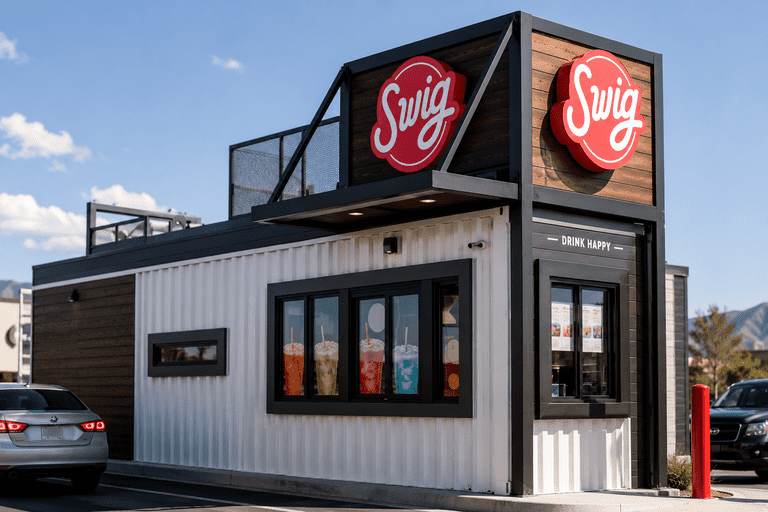
Dirty soda chain Swig is expanding into Colorado through a 10-unit franchise deal, riding a consumer beverage trend that's catching the attention of major QSR players nationwide.
May 15, 2026
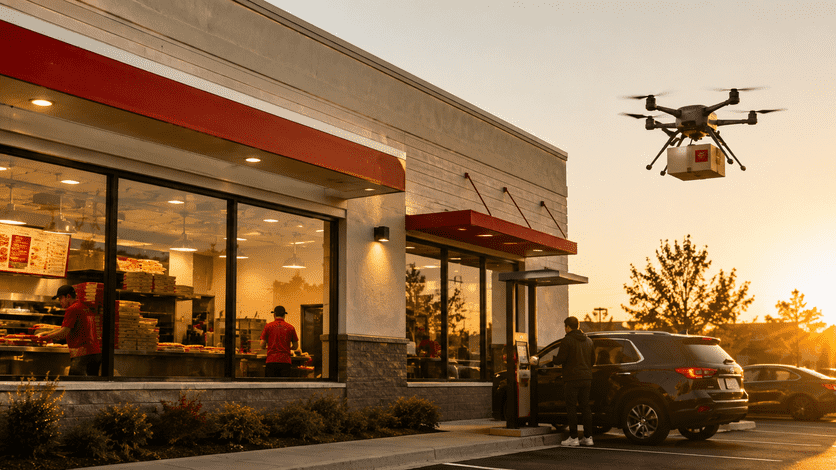
Papa Johns has teamed up with Alphabet's Wing for drone delivery of its new sandwich lineup in parts of Charlotte marking the first partnership of its kind between Wing and a national QSR brand.
May 15, 2026
A warm, expert-led look at McDonald’s Q1 results, menu makeover, and the refranchise question shaping its growth.
May 14, 2026
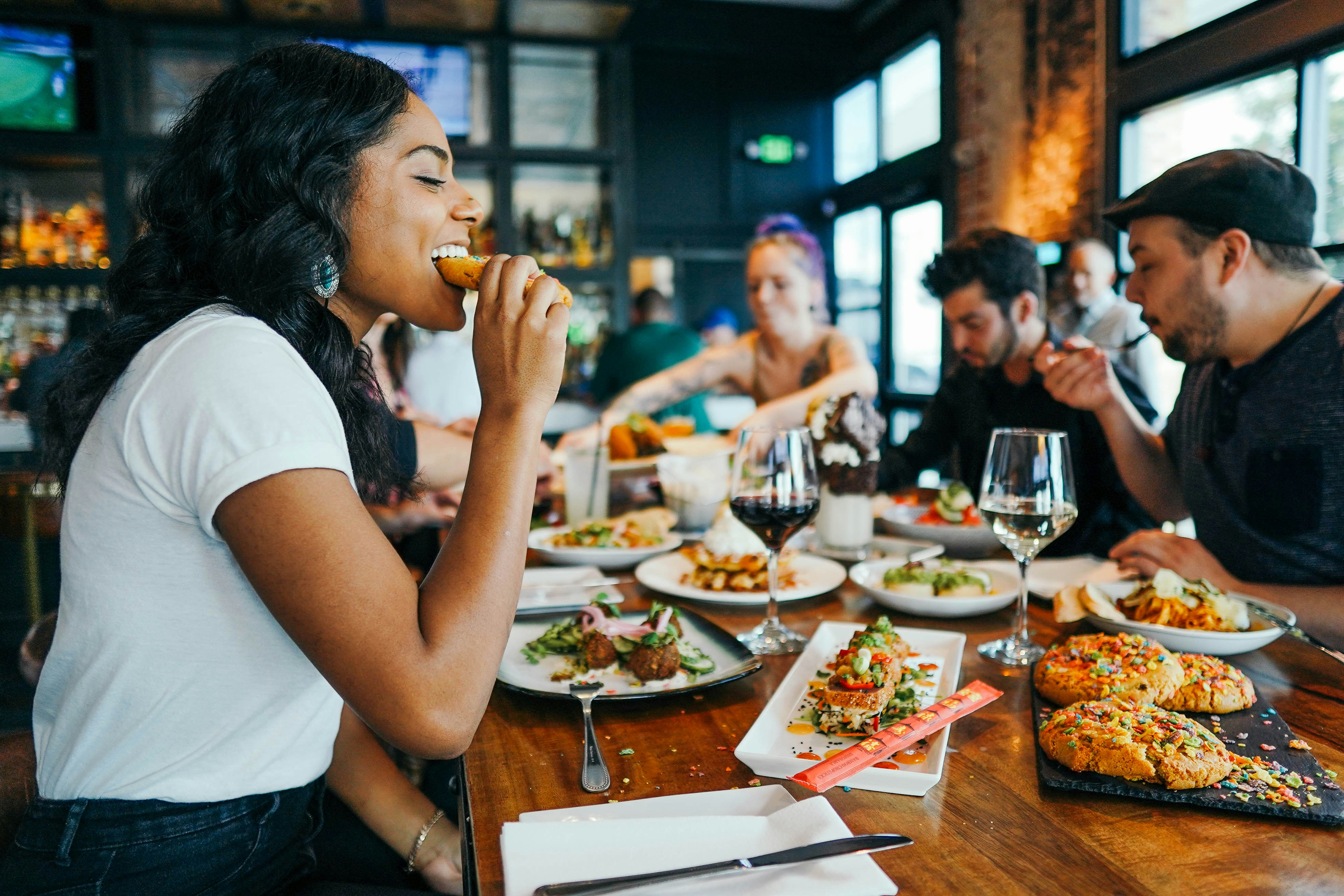
A reflective look at Habit Ranch, its immersive desert activation, and what it signals for brand loyalty and mindful, experiential dining.
May 14, 2026

Unlock Exclusive Access To Webinars, Events, And The Latest News For Free!
El Pollo Loco pursues a five-point plan, leadership-led modernization, and remodels to drive national expansion while protecting margins.
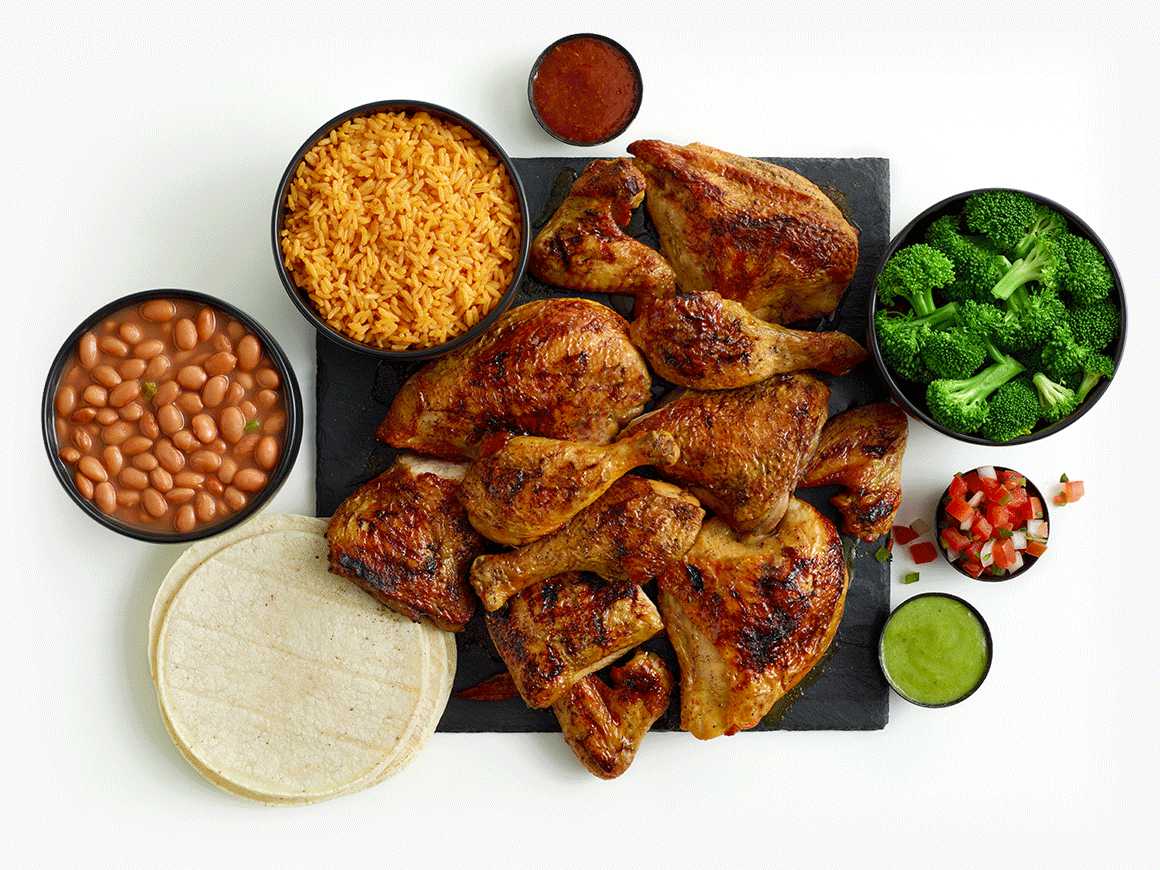
El Pollo Loco enters 2025 with momentum despite softer sales in the broader quick-service space. The leadership shift in 2024 set the tone: Liz Williams took the CEO chair in March, paired with Tim Welsh as chief development officer. The duo has steered a brand modernization program and a renewed unit-growth agenda centered on a hospitality-first guest experience and tighter operating discipline. The Iconic restaurant prototype unveiled in late 2024 anchors the push into new markets while remodels strengthen the existing footprint. As of June 25, 2025, the chain reports a 485-restaurant comparable base, illustrating scale yet underscoring the ongoing challenge of balancing value with demand.
The quarterly backdrop blends resilience with headwinds. In Q2 2025, total revenue reached $125.8 million, up from $122.2 million a year earlier, while company-operated revenue rose to $104.3 million and franchise revenue climbed 14.8% to $13.4 million. Net income was $7.1 million, or $0.24 per diluted share, versus $7.6 million a year ago, with adjusted net income at $8.2 million and adjusted EBITDA of $18.5 million. Restaurant contribution totaled $19.9 million, or 19.1% of company-operated revenue, up from 18.6% a year earlier. System-wide comps dipped 0.3%, while company-operated comps rose 1.5% on higher prices despite a 0.3% fall in transactions. The message: resilience, but a market that remains price-sensitive and promotional-led.
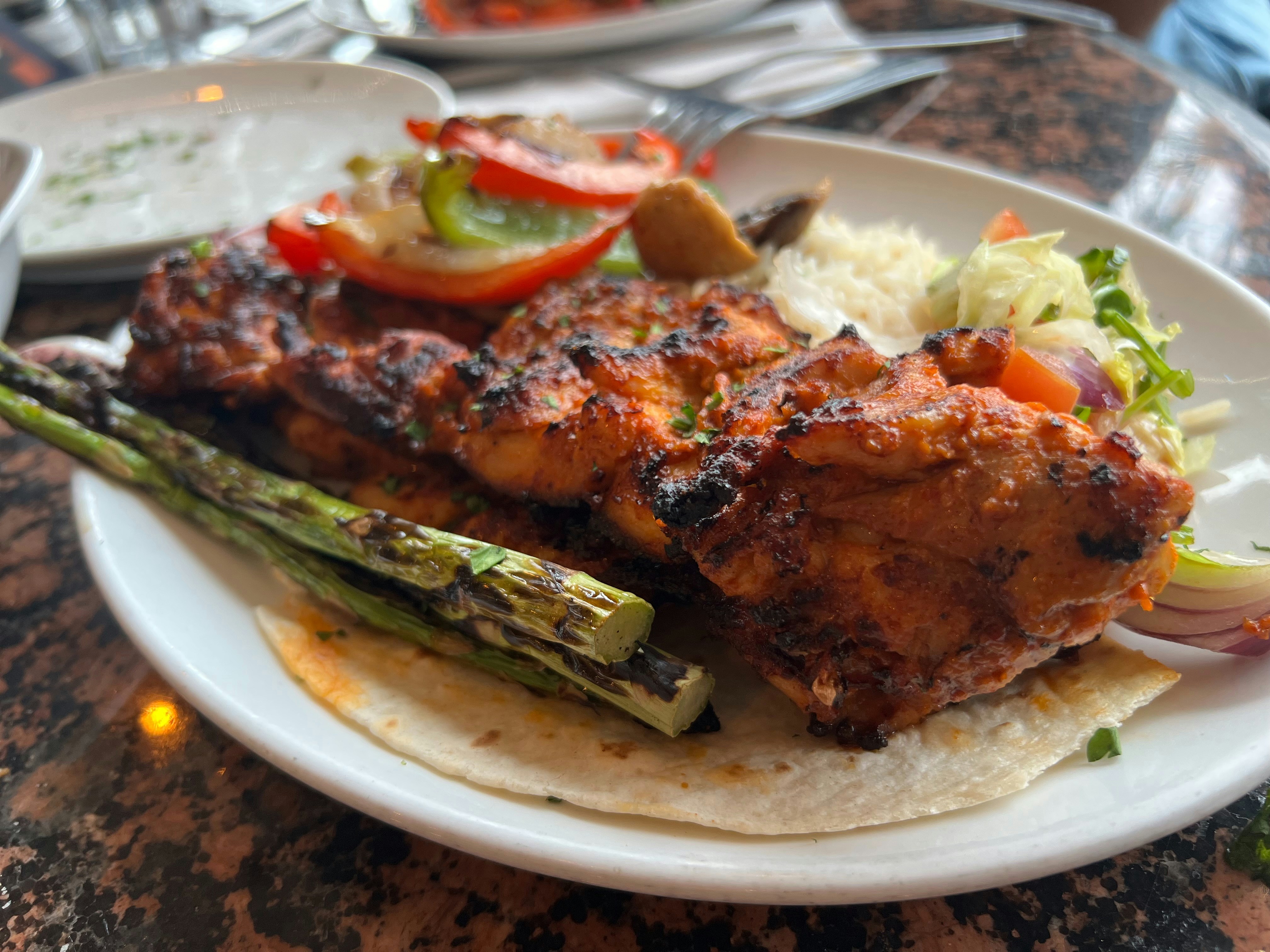
Williams and Welsh have steered a purposeful modernization that elevates the brand while sharpening growth. Williams stresses a balance of value, quality, and convenience, with a hospitality-forward guest journey. Welsh has sharpened the unit-growth engine, pushing remodel cadence and the Iconic prototype to accelerate capex efficiency and throughput. The plan sits on a clear mission: affordable, better-for-you Tex-Mex that travels across markets without surrendering flavor. The remodels and the streamlined footprint are not cosmetic; they are a practical toolkit to expand capacity and sustain margins as the brand eyes national expansion.
Mid-2025 signals show a disciplined realignment translating into tangible steps. The Iconic prototype debuted as a signal to remodels and a leaner footprint, while remodel activity anchors expansion and improved unit economics. The 485-restaurant base provides a substantial platform to scale into new markets with a value- and hospitality-focused proposition. If this leadership alignment holds, the chain could grow beyond its current footprint while preserving guest warmth, flavor integrity, and margin discipline.
Central to the growth push is a five-point plan that seeks to lift sales, cut costs, and accelerate openings while preserving food quality. The plan refines the brand as affordable, craveable Tex-Mex; reinstates value-forward items such as fire-grilled burritos; instills a hospitality mindset across locations; transforms the brand into a digital-first enterprise; and strengthens store economics through operational improvements and cost containment. In practice, the program includes value-engineering to reduce prototype buildout costs, tests of new value options in the $3–$7 range, and a data-driven approach to staffing and guest engagement via a refreshed app and loyalty tools. The aim: sustained mid-to-long-term margin expansion and a larger development pipeline.
- Brand identity as affordable Tex-Mex – sharpen the positioning to be price-smart without sacrificing flavor.
- Value-forward menu items – reintroduce items like fire-grilled burritos to anchor promotions and margins.
- Hospitality-first culture – train staff to deliver warmth and consistency across locations.
- Digital-first transformation – kiosks, a refreshed app, and loyalty to boost engagement and efficiency.
- Store economics and cost control – value engineering to reduce buildouts and optimize labor and materials.
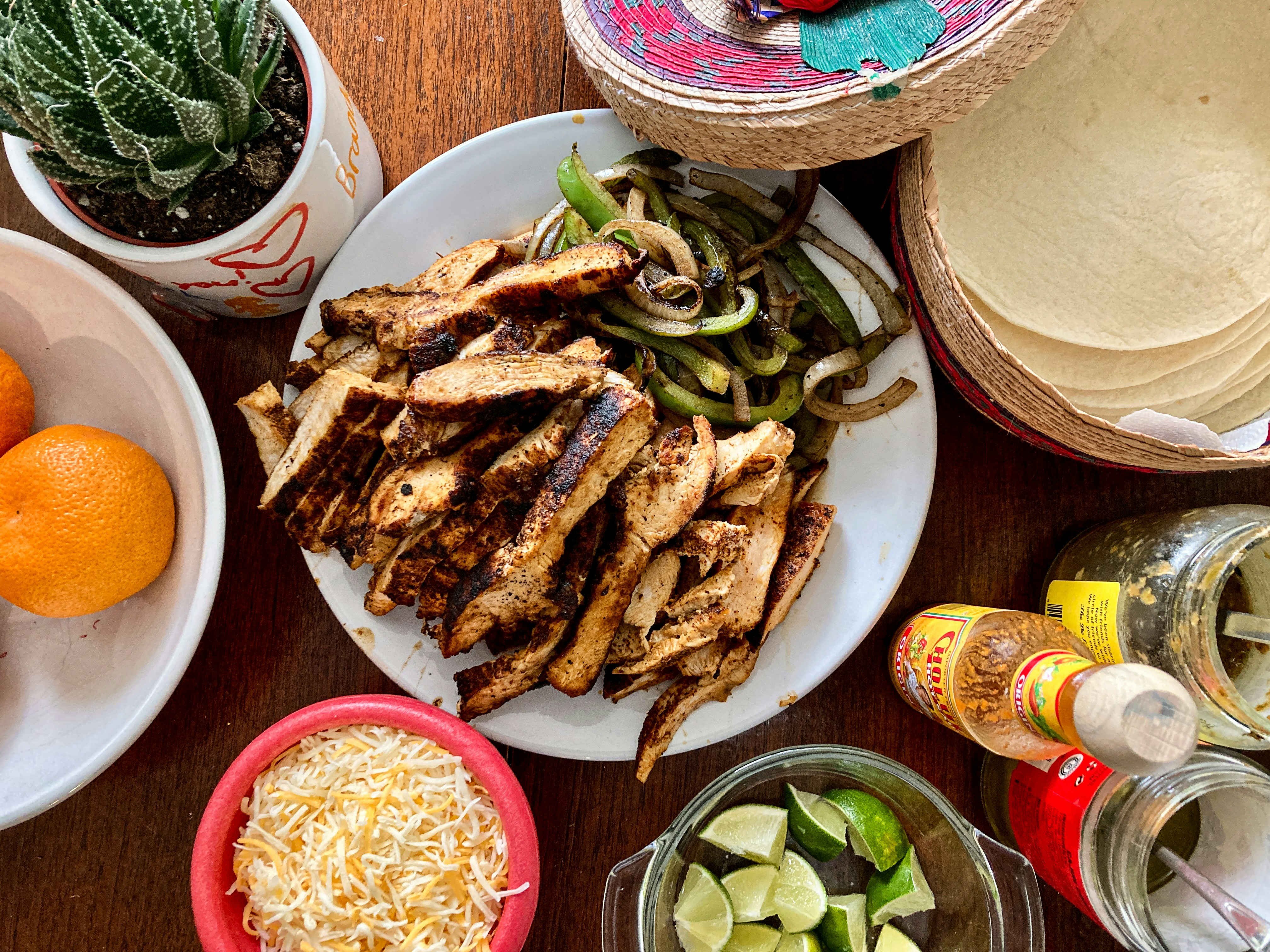
During earnings discussions, Williams underscored momentum and the brand’s longer-term growth trajectory. She stated that investments in brand relaunch and menu innovations were resonating with customers and positioned the company to return to system-wide traffic growth. CFO Ira Fils noted that kiosks and digital tools offer a way to manage wage pressures while preserving a strong guest experience. The conversations reflected a shift toward targeted promotions and a refined menu strategy rather than blanket discounting. Industry observers view everyday value and consistent operations as differentiators in a soft environment, reinforcing a plan that seeks durable margins.
Beyond the numbers, industry context shows El Pollo Loco’s emphasis on value, speed, and quality aligning with broader quick-service trends. The brand’s remodels and modern footprint are cited as essential levers for long-term franchise growth, with Tim Welsh driving the push to reduce unit-build costs and accelerate openings. Remodels are framed as a cornerstone for improving unit economics across the system, yet execution risk remains as the footprint expands. The balance between price discipline, value-led innovation, and a superior guest experience will determine how the growth narrative fares against macro headwinds.
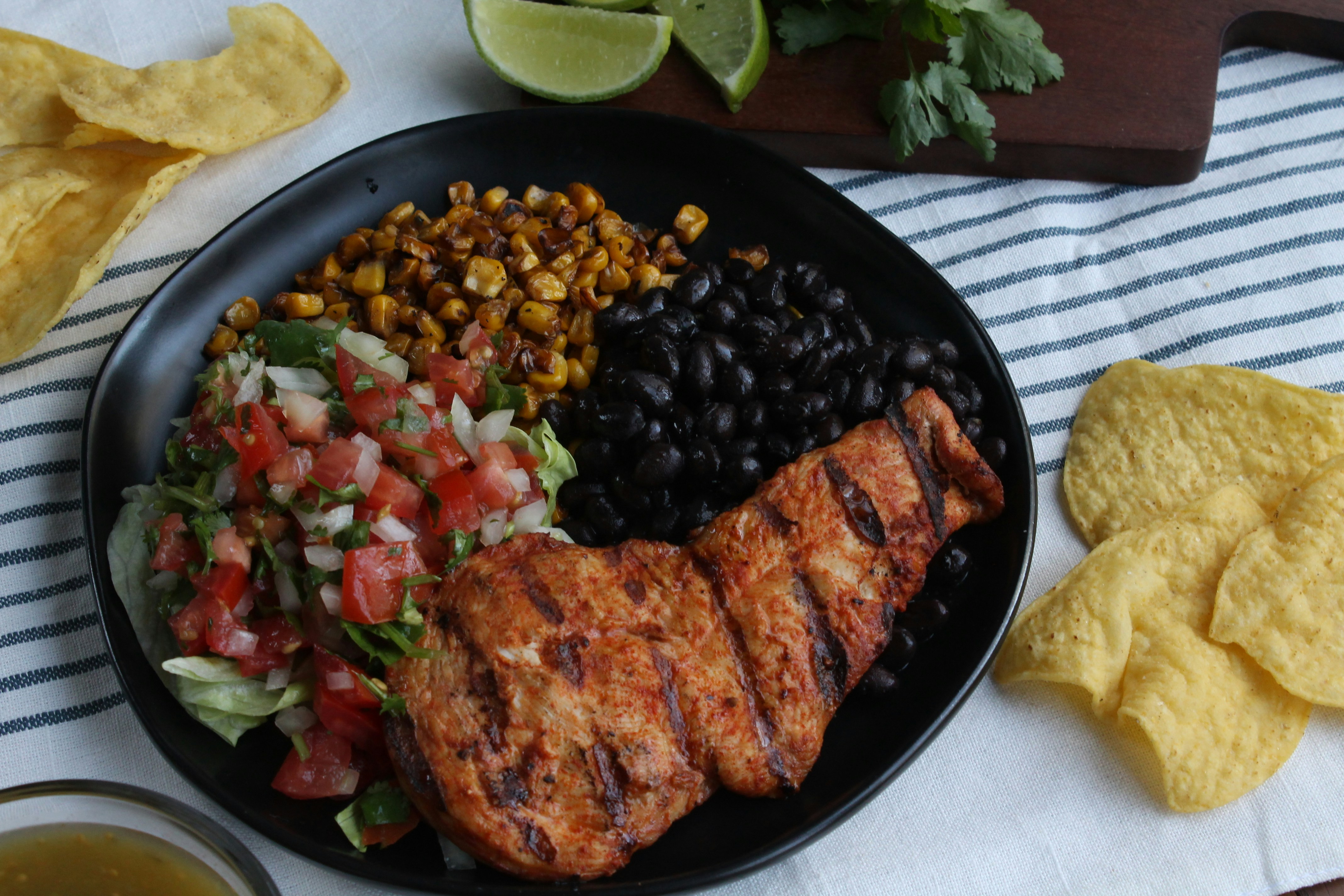
From a financial perspective, the Q2 results reinforce a profitability-at-the-unit mindset. Company-operated revenue rose modestly, while restaurant contribution margin reached 19.1% of revenue, aided by higher prices and efficiency gains. The 2025 outlook calls for ongoing net-new unit openings and capital spending in the low to mid-30s of millions, plus continued G&A efficiency. By mid-year El Pollo Loco projected ten to eleven system-wide openings, mostly franchised, with total capex guidance of $31 million to $34 million and an expected effective tax rate of 29%–30%.
This footprint strategy leans on remodels and a leaner prototype to lift unit economics. Remodel costs are set to fall from roughly $2.2 million to about $1.8 million, with dining spaces near 2,200 square feet. The goal is an 18% restaurant contribution margin in 2025 and sustained margins as openings accelerate. The 485-comparable base anchors the expansion, while remodels and disciplined pricing aim to unlock faster openings, higher average unit volumes, and stronger guest loyalty—critical in a market hungry for value, quality, and speed.