
How Much Does It Cost to Open a Coffee Shop in 2026?
Opening a coffee shop in 2026 requires careful cost planning across rent, equipment, labor, technology, menu strategy, marketing, and sustainability.
operations
May 15, 2026
Opening a coffee shop in 2026 requires careful cost planning across rent, equipment, labor, technology, menu strategy, marketing, and sustainability.
May 15, 2026

This AI playbook covers restaurant tools for voice ordering, staffing, compliance, menu pricing, inventory, marketing, ChatGPT prompts, and SEO.
May 15, 2026

Hardee’s giant Boddie-Noell inks 31-unit Scooter’s Coffee deal for NC and VA, leveraging drive-thru growth and local roots with rollout over 12–18 months.
May 15, 2026

Wingstop turns match weeks into a multi-sensory festival, aligning bold pop-ups with World Cup energy to build brand affinity and measurable momentum.
May 15, 2026

The parent company behind Dunkin', Buffalo Wild Wings, and Arby's has filed for an IPO a move that could reshape how Wall Street views the restaurant sector.
May 15, 2026

Learn how to develop a memorable restaurant brand identity that stands out in a crowded market, attracts loyal customers, and drives repeat business with actionable strategies and affordable tools.
May 15, 2026
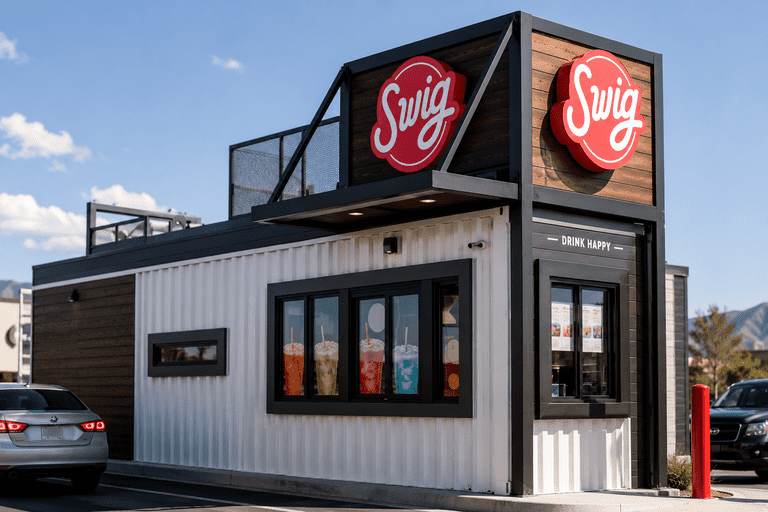
Dirty soda chain Swig is expanding into Colorado through a 10-unit franchise deal, riding a consumer beverage trend that's catching the attention of major QSR players nationwide.
May 15, 2026

Papa Johns has teamed up with Alphabet's Wing for drone delivery of its new sandwich lineup in parts of Charlotte marking the first partnership of its kind between Wing and a national QSR brand.
May 15, 2026

A warm, expert-led look at McDonald’s Q1 results, menu makeover, and the refranchise question shaping its growth.
May 14, 2026

A reflective look at Habit Ranch, its immersive desert activation, and what it signals for brand loyalty and mindful, experiential dining.
May 14, 2026

Unlock Exclusive Access To Webinars, Events, And The Latest News For Free!
Dragon fruit, or pitaya, moves from novelty to staple on US menus, blending color, wellness, and shareable appeal.

Photo by Pontus Ohlsson
Pitaya has moved from garnish to centerpiece, its soft pink glow turning menu pages into whispers of calm and curiosity. In cafés and fast-casual counters alike, the fruit carries a mood as much as a flavor—an invitation to slow down, dip a spoon, and linger. The color feels intentional, like a corner table set for conversation. Chefs speak of texture that photographs well and a sweetness that doesn't shout. This isn't just a garnish’s final bow; it’s a gentle invitation to savor a moment of stillness in a busy day:
2.3% of U.S. restaurant menus now feature Pitaya, up from four years ago by 111%. Datassential calls it one of the most dramatic cases of menu penetration growth, with estimates of roughly 368% growth in some measures. The momentum is strongest in multi-unit chains and fast-casual brands, where operators are leaning into pitaya-centered bowls, smoothies, and desserts to capture shareable moments and align with wellness storytelling.
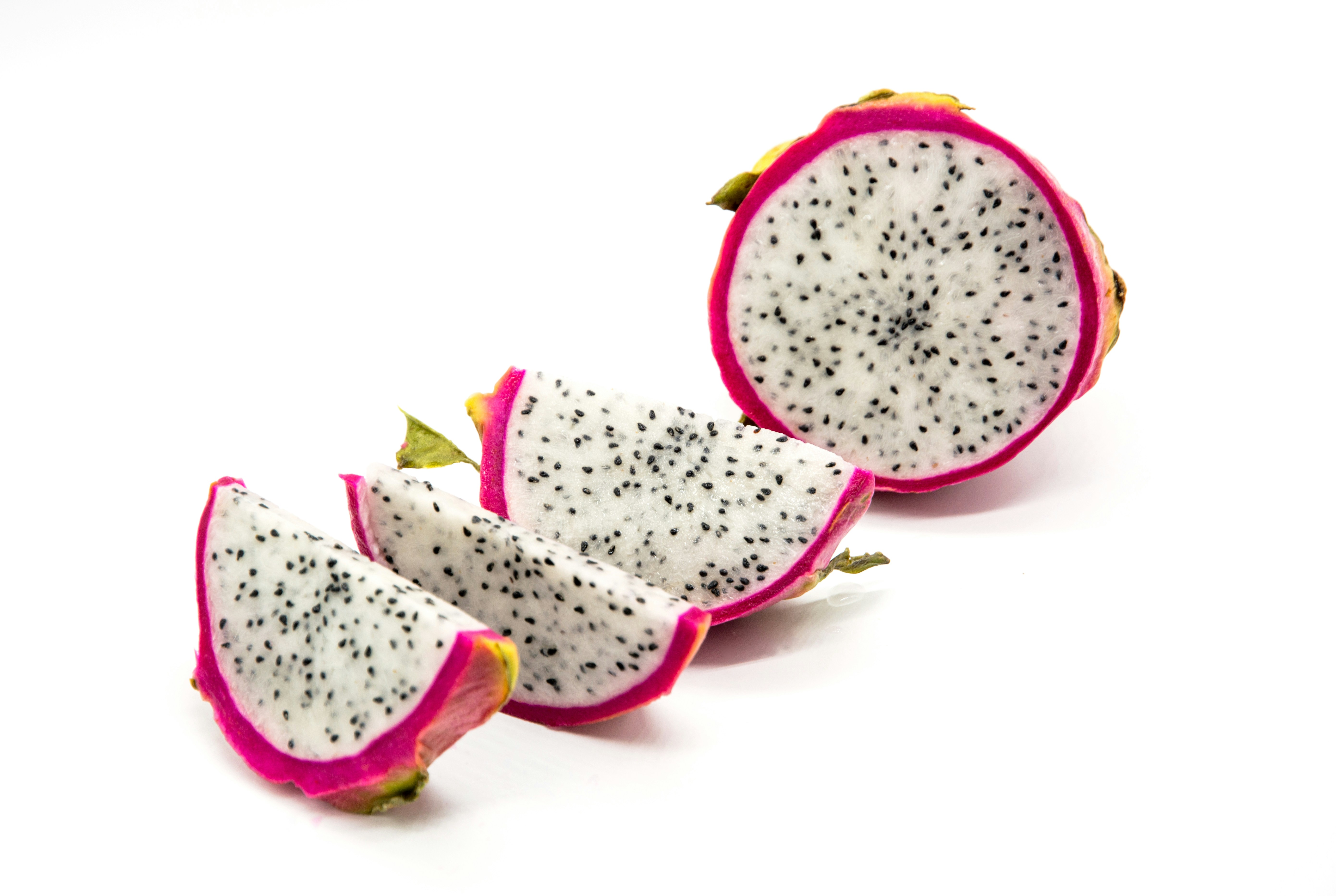
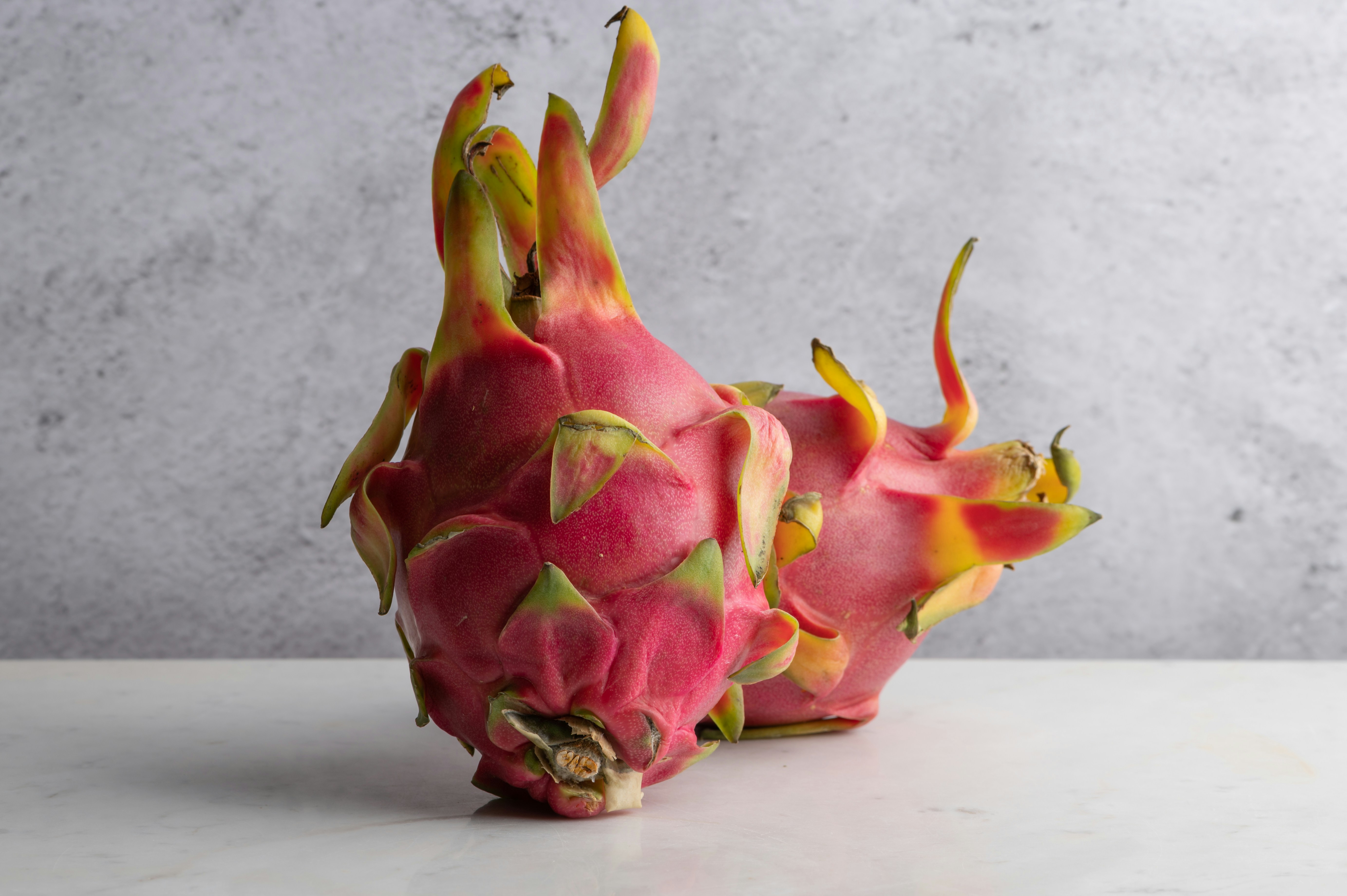
Pitaya, also known as dragon fruit, derives from several cactus species native to southern Mexico and Central America, and its skin flashes a vibrant pink while its seeds are speckled. The flesh can be white or pinkish red, offering striking contrast in bowls and plates that look sensational on social media. Nutrition-wise, Pitaya is celebrated for magnesium, iron, and fiber content, aligning with wellness-forward menus. These notes sit beside the practical truth that the fruit is low in calories yet rich in fiber and micronutrients—an appealing combination for health-conscious diners.
Health notes emphasize that while pitaya supports fiber, magnesium, and iron, solid clinical proof of broad metabolic benefits remains limited. Variation by variety, preparation, and portion size can influence outcomes—so the wellness message sits alongside cautious optimism.
In American menus, pitaya is increasingly integrated beyond simple garnishes. Operators feature Pitaya in smoothie bowls, colorful parfaits, and dessert items, sometimes as a centerpiece rather than a mere accent. This shift reflects a broader trend toward visually driven, Instagram-friendly dishes that also signal healthfulness. The trend is reinforced by industry context showing rapid growth in dragon fruit’s menu penetration, especially within fast casual and chain concepts that seek distinctive, shareable options. Be mindful of the heart this trend aims for: beauty that invites conversation, not just consumption.
1. Centerpiece status – Pitaya often takes the lead in bowls and desserts, not merely as a color pop.
2. Visual storytelling – The fruit’s color and texture drive social-media engagement.
3. Wellness signaling – Menus tie it to lighter, healthier dining choices.
such a stunner – it almost looks like a flower inside, said a US Foods chef, underscoring its sensory appeal in addition to flavor. The blend of aesthetics and wellness positioning pitaya as a focal point for menu innovation rather than a passing gimmick. Datassential frames dragon fruit as a high-growth ingredient, reinforcing the notion that its rise is sustained rather than ephemeral.
This confluence of visual impact and wellness storytelling aligns with broader trends in menu development: eye-catching ingredients that invite curiosity and social sharing, particularly in fast-casual concepts where experiential dining is valued.
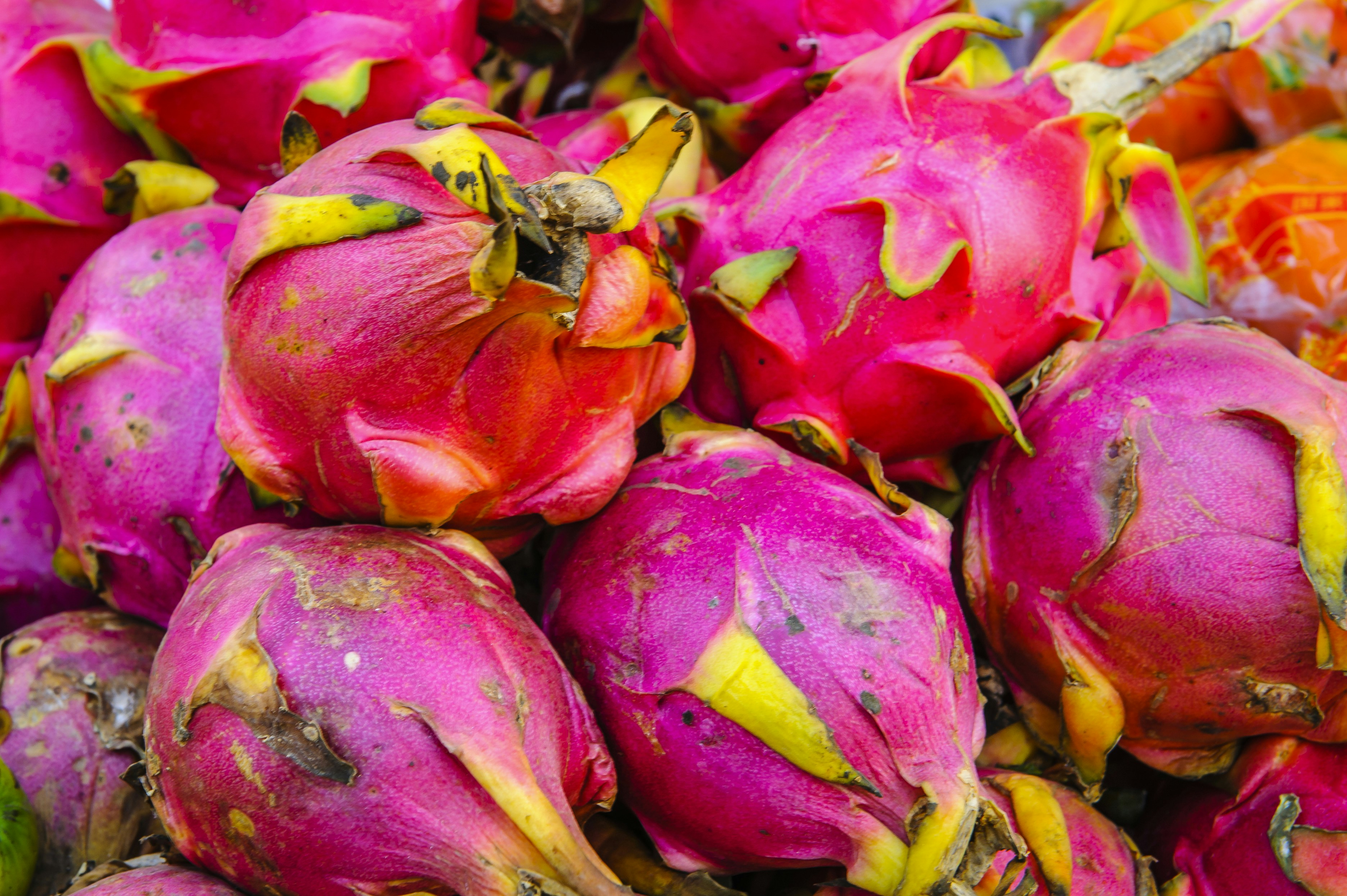
Market forecasts for pitaya align with a hopeful arc: the U.S. dragon fruit market could reach several billions in value as demand grows and supply chains adapt. As restaurants widen pitaya’s usage, producers and distributors are likely to invest more in sourcing capabilities and commodity logistics to meet rising demand, including imports from core growing regions in Latin America. The glow of the fruit thus mirrors a larger, patient expansion that tastes as good as it looks.
Industry context places dragon fruit beside other color-forward flavors like ube, with beverage data showing double-digit gains in dragon fruit usage. The shared story is one of vivid, shareable ingredients catalyzing curiosity and social engagement, especially in concepts aiming to stand out in crowded menus.
Health claims surrounding pitaya warrant careful interpretation. Nutrition resources acknowledge fiber, magnesium, and iron, but human studies proving broad metabolic benefits remain limited or inconsistent. As with many functional foods, more robust clinical evidence is needed to confirm long-term health impacts, and results may vary by variety, preparation, and portion size.
Implications for restaurants and producers: pitaya represents a relatively low-calorie, high-visual-value option that pairs well with wellness narratives and social-media engagement. Its growing menu penetration, supported by forecasts and trend data, suggests continued experimentation in bowls, beverages, and desserts. For producers, rising demand could justify investments in sourcing, quality control, and education at the point of sale—helping operators tell a compelling story about flavor, health benefits, and visual appeal.