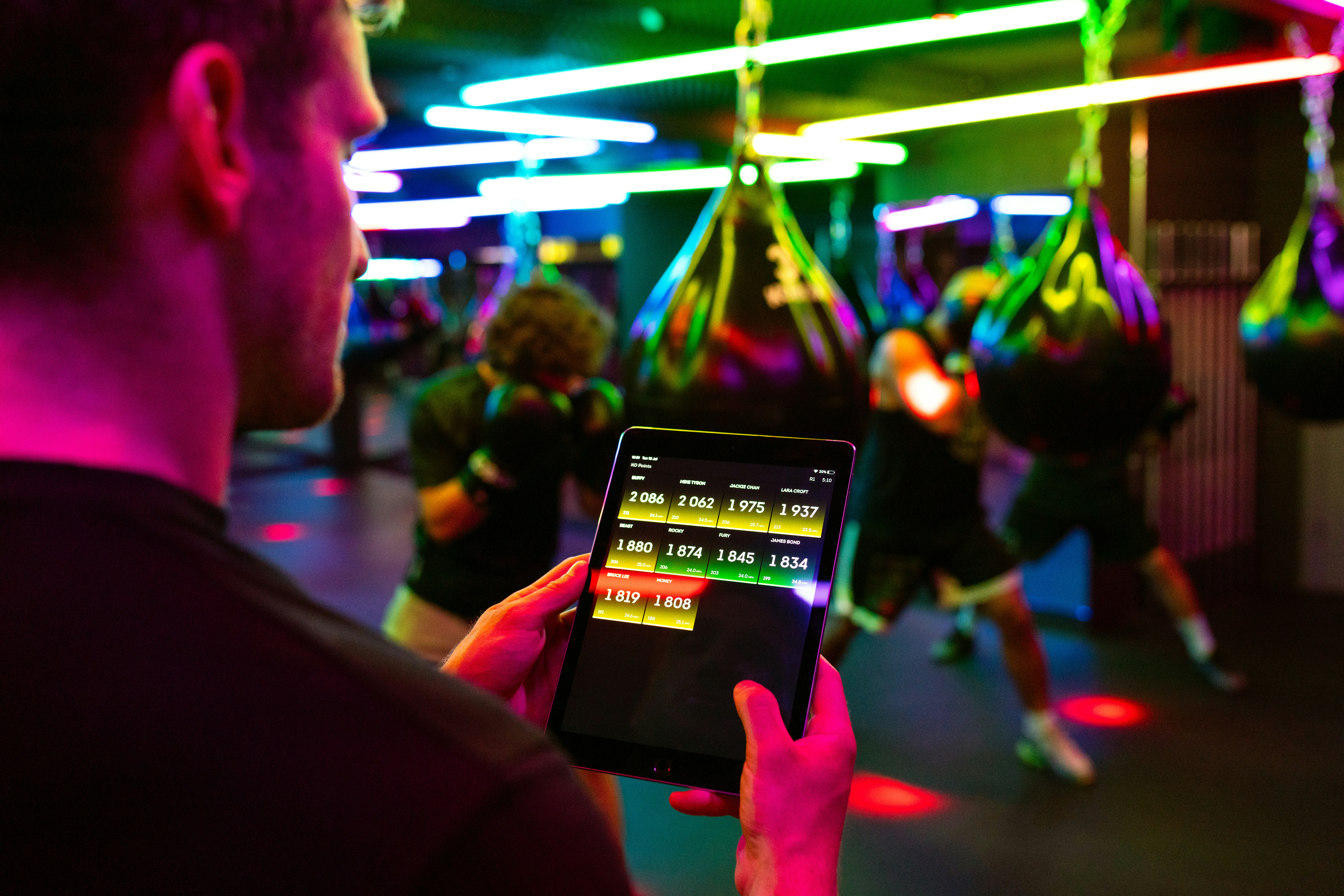
FT Undercover: Hotworx, YogaSix, Barre3 in Twin Cities
FT Undercover tests Hotworx, YogaSix and Barre3 in the Twin Cities, highlighting heat, coaching, pricing, and the FTC action involving Xponential Fitness.
franchising
Jun 4, 2026
FT Undercover tests Hotworx, YogaSix and Barre3 in the Twin Cities, highlighting heat, coaching, pricing, and the FTC action involving Xponential Fitness.
Jun 4, 2026
Qdoba secures $435M via whole business securitization to refinance debt, fund remodels and digital makelines, and fuel its push to ~2,000 units.
Jun 4, 2026
To file a clean, on-deadline restaurant trade piece, I need structured facts: names, dates, quotes, numbers, locations, timing, metrics, constraints, and verification.
Jun 4, 2026

Arts-first preschool chain Building Kidz continues U.S. expansion while facing a wrongful death suit and appealing a California penalty.
Jun 4, 2026

How to choose and configure equipment for consistent, scalable restaurant operations, with market data, AI trends, and energy-efficiency considerations.
Jun 4, 2026

Ice cream brand Salt & Straw explores a sale valuing it at $200M, tapping Piper Sandler as advisor while emphasizing culture, growth, and majority ownership.
Jun 4, 2026

Five Iron Golf launches cash simulator tournaments with a live app leaderboard, varied formats, and a $20,000 prize pool, backed by a Series E as national rollout accelerates.
Jun 4, 2026
Indoor golf franchises scale as Callaway trims Topgolf, automation boosts margins, and demand accelerates across U.S. simulator chains.
Jun 4, 2026
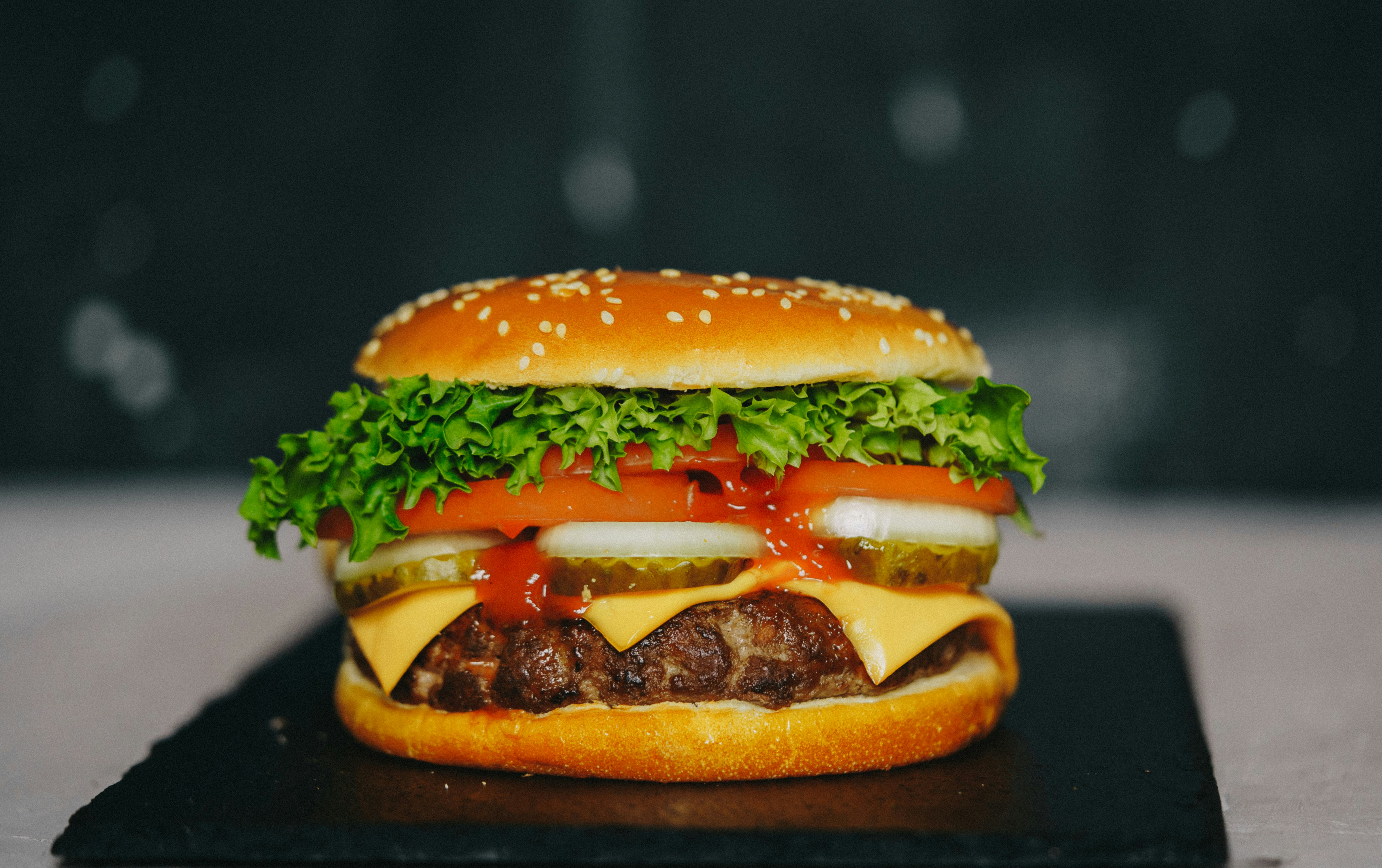
Big chains blend global flavors with familiar formats to drive traffic. Case studies from Shake Shack, Bobby’s, and Rōti, plus trend and performance data.
Jun 4, 2026
Shake Shack lowered Q2 and full-year guidance amid a value war and macro headwinds; shares fell 9% as analysts cut targets and the company tightened openings.
Jun 4, 2026

Unlock Exclusive Access To Webinars, Events, And The Latest News For Free!
GLP-1 meds, wearables and strength training are reshaping fitness franchises as brands blend digital, boutique and big-box strategies for growth.
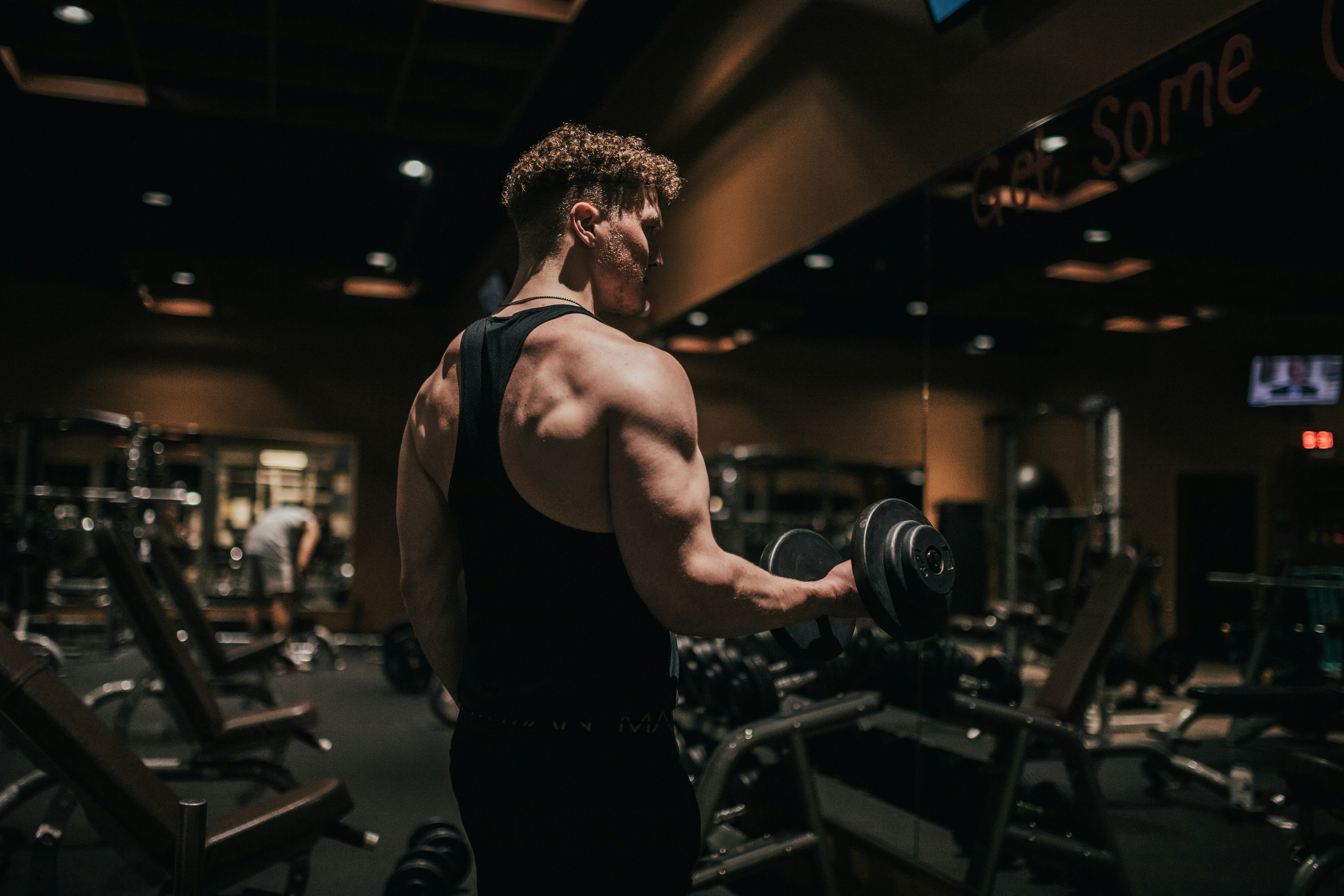
Photo by Luke Witter
Franchised fitness is being remixed around a sharper definition of value: weight-loss medications changing behavior, data-rich tech in every pocket, and strength training at the center. That convergence took center stage at Franchise Times’ inaugural Fitness Finance & Growth Conference, held May 20, 2026, at the Loews Hotel in Chicago. The boutique segment is projected to reach USD 39.78 billion in 2026, according to Global Growth Insights’ Global Boutique Fitness Market report, while the global GLP-1 receptor agonist market is expected to top USD 82.01 billion in 2026.
With wearable devices now owned by 71 percent of consumers, operators are being pushed to make digital tools, coaching, and community feel like one coherent experience. Consumers are setting the terms. The 2026 US Health & Fitness Consumer Report tallied 81 million Americans with a gym, studio, or fitness facility membership in 2025, equal to 26.1 percent of the population ages six and older.
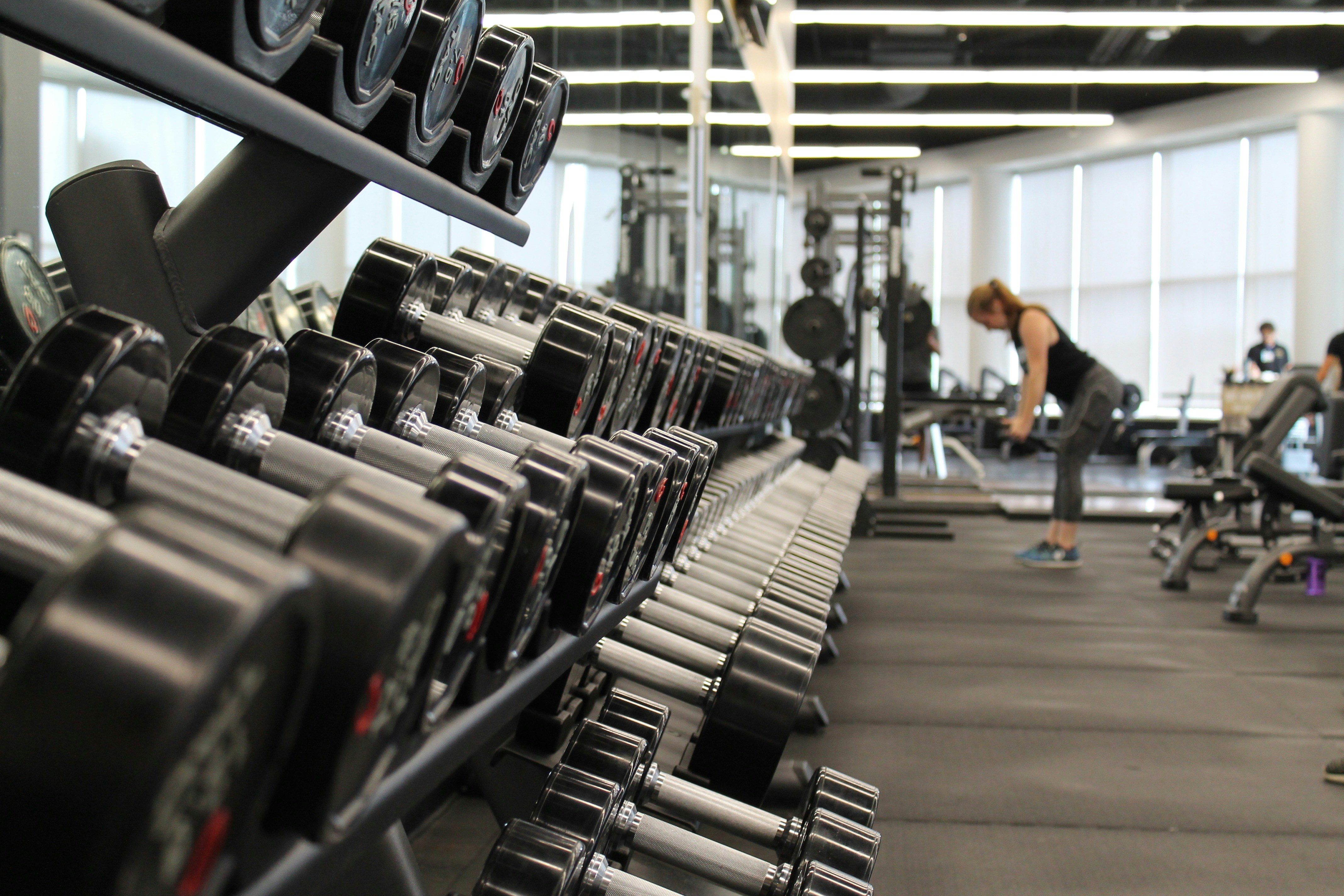
Access to equipment is table stakes. Members are seeking recovery modalities such as cryotherapy, cold plunges, and infrared saunas, plus preventive services including IV drip therapy and chiropractic care. Social wellness is the draw for studios, where HIIT, yoga, cycling, and Pilates classes deliver connection and accountability alongside sweat. Alex Evans, managing director of L.E.K. Consulting, put it plainly: “Consumers are bullish.
They’re engaged in fitness, they’re spending, they expect to continue to increase spending. But we can’t take it for granted.” He called boutique modalities “high-margin growth engines” scaling across demographics, and noted that about 70 percent of studio members also maintain commercial gym memberships, a sign that boutiques and big-box concepts can complement rather than cannibalize each other. Alex Evans, managing director of L.E.K. Consulting, put it plainly: Brands are reshaping portfolios to match this blended appetite.
Cost-effective chains like Planet Fitness and Crunch Fitness keep the door open with accessible pricing, while multi-brand franchisors stack premium amenities to lift revenue per member. Boutique systems double down on specialized classes and community, treating formats like HIIT, cycling, yoga, or Pilates as their core promise. Responding to the GLP-1 surge, Orangetheory Fitness announced its 2026 Transformation Challenge, an eight-week, strength- and metabolic-focused program debuting January 26, 2026, to align with weight-loss medication users’ needs.
The rollout includes Thorne-powered supplements and the OTconnect Beat wearable to track progress. Planet Fitness, in late 2025, piloted a Perks partnership with telehealth platform Ro to offer member discounts on GLP-1 medications. Digital is now standard issue: ZipDo Education reports that 92 percent of leading fitness brands employ AI-driven recommendations, and 68 percent of consumers engage with mobile apps monthly. Orangetheory Fitness announced its 2026 Transformation Challenge to align with weight-loss medication users’ needs.
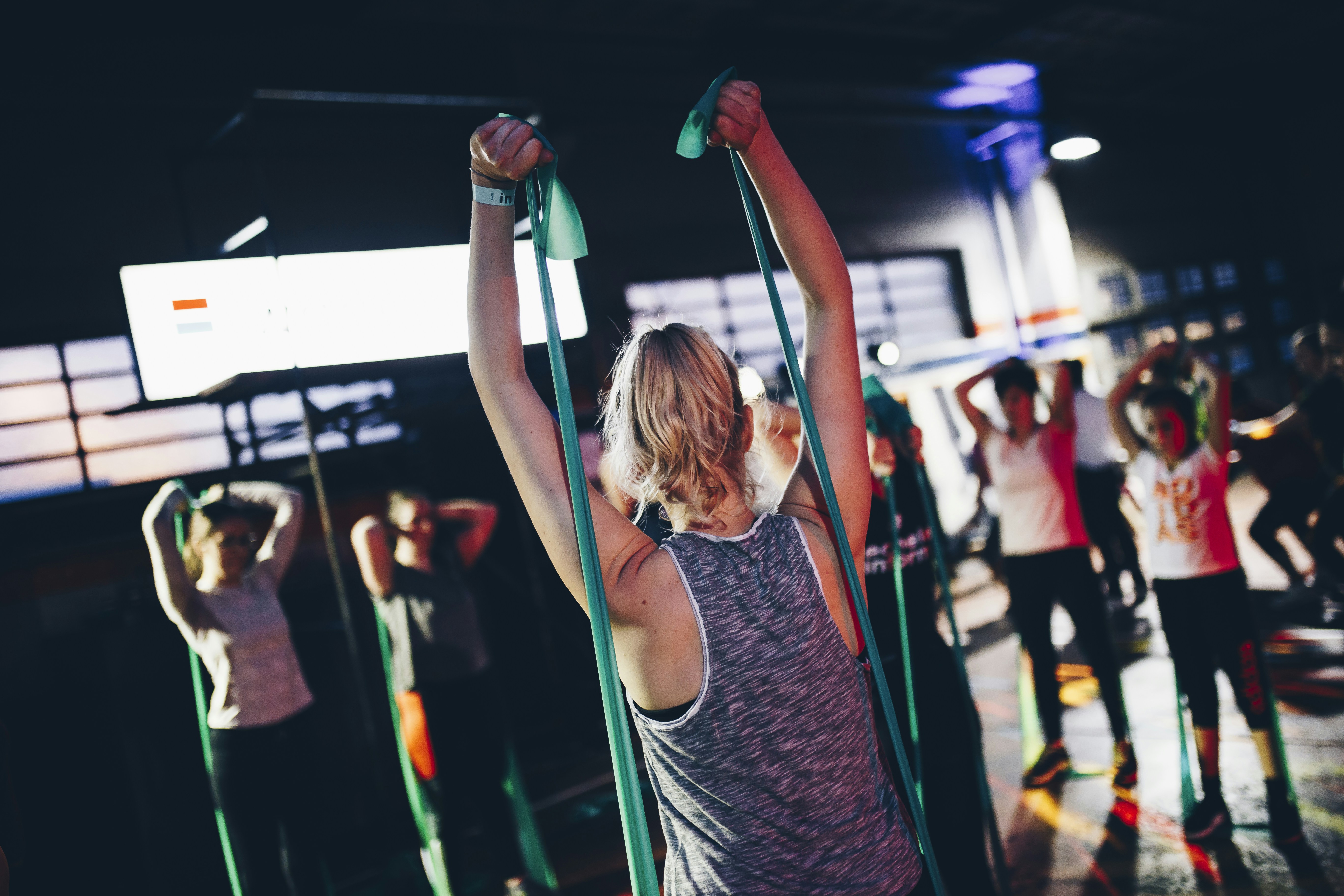
The GLP-1 story brings momentum and tradeoffs. “GLP-1s are not inexpensive, and consumers have a finite budget,” Evans said, highlighting a shared-wallet question between medication spend and studio or personal training fees. He predicted a segment of users will prioritize strength preservation and personalized coaching to augment pharmacological weight loss, while others may “just take the pill or the shots, and that’s going to be my solution.”
The data question looms large too. On technology, he observed that “there’s still some open questions on what we do with all of this data and how best to employ it into recommendations and solutions for consumers,” a reminder that integrating wearables and AI into core offerings remains unfinished work. Capital plans are shifting with these currents.
Franchise Times’ conference convened executives to assess portfolio approaches and investor appetites, while franchisors map capex to pharmaceutical growth forecasts. Morgan Stanley estimates the GLP-1 market could exceed USD 190 billion by 2035, more than doubling 2025 levels. Policy could widen access in the near term: Medicare’s GLP-1 Bridge demonstration program, running July 1 through December 31, 2026, will offer eligible beneficiaries Wegovy and Zepbound at a capped USD 50 monthly cost.
The broader market context points to steady demand across formats. The global boutique fitness market, valued at USD 38.05 billion in 2025, is poised to reach USD 39.78 billion in 2026, and ABI Research projects wearable device shipments rising from approximately 403 million units in 2026 to over 544 million by 2031. Engagement is not guaranteed, though. Early attrition rates for digital fitness apps range from 50 percent to 70 percent within two months of adoption, and data privacy remains top of mind.
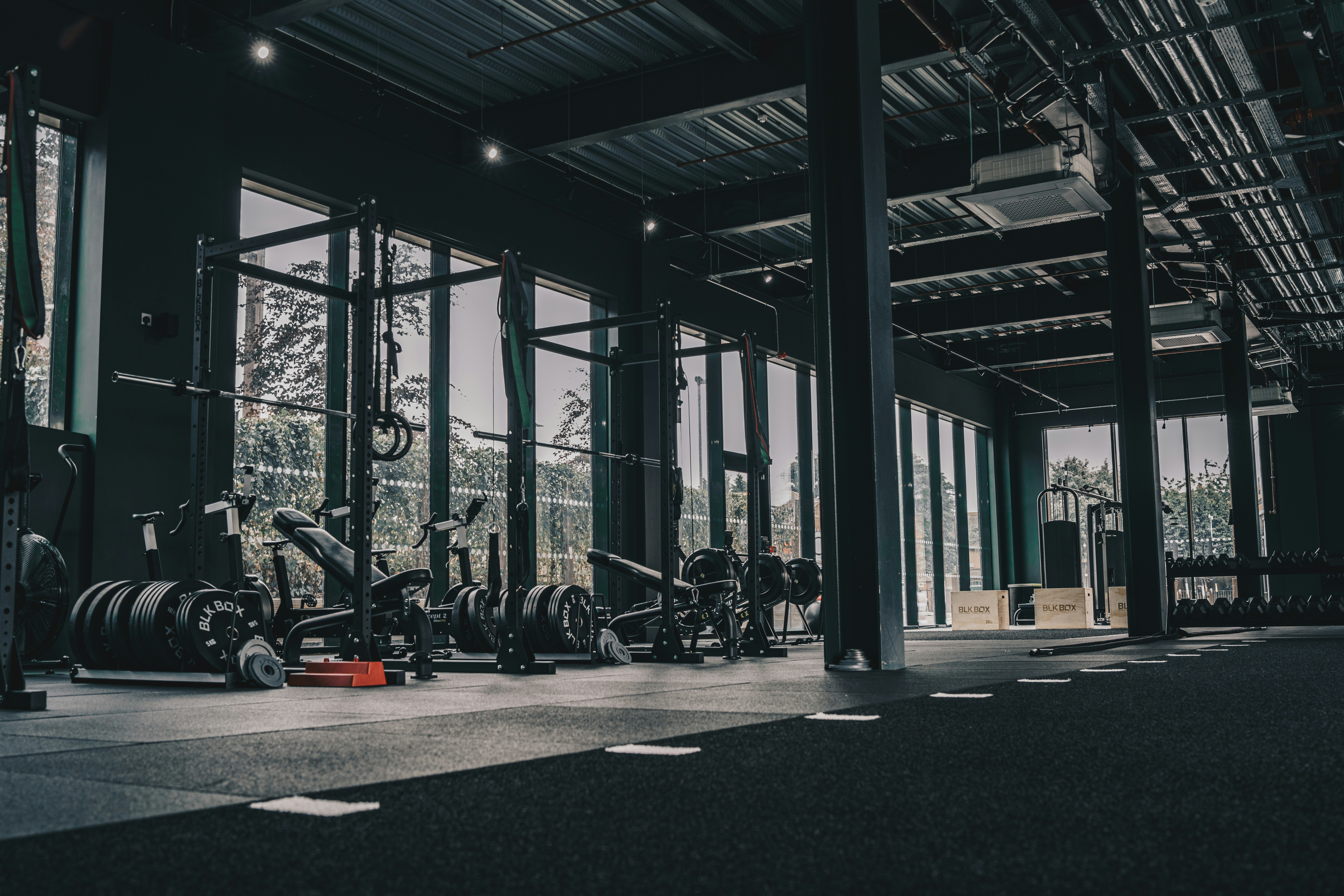
Resilient models are already visible. L.E.K. Consulting notes that multi-brand and hybrid structures can deliver higher revenue per member than single-format concepts, a case for disciplined, long-term investment rather than rapid footprint expansion. Brands that articulate a clear, differentiated proposition, balance accessible pricing with high-margin boutique experiences, integrate strength-focused programming for GLP-1 users, and deploy data-informed, privacy-sensitive technology are set up to hold share as consumer budgets and policies shift.
The next year will test how well franchisors stitch these elements together. Expect more programs tailored to medication users, deeper ties between wearables and coaching, and portfolio strategies that let members mix recovery, group training, and low-cost access without friction. The demand signals are strong. The winners will translate them into everyday experiences members want to keep paying for.