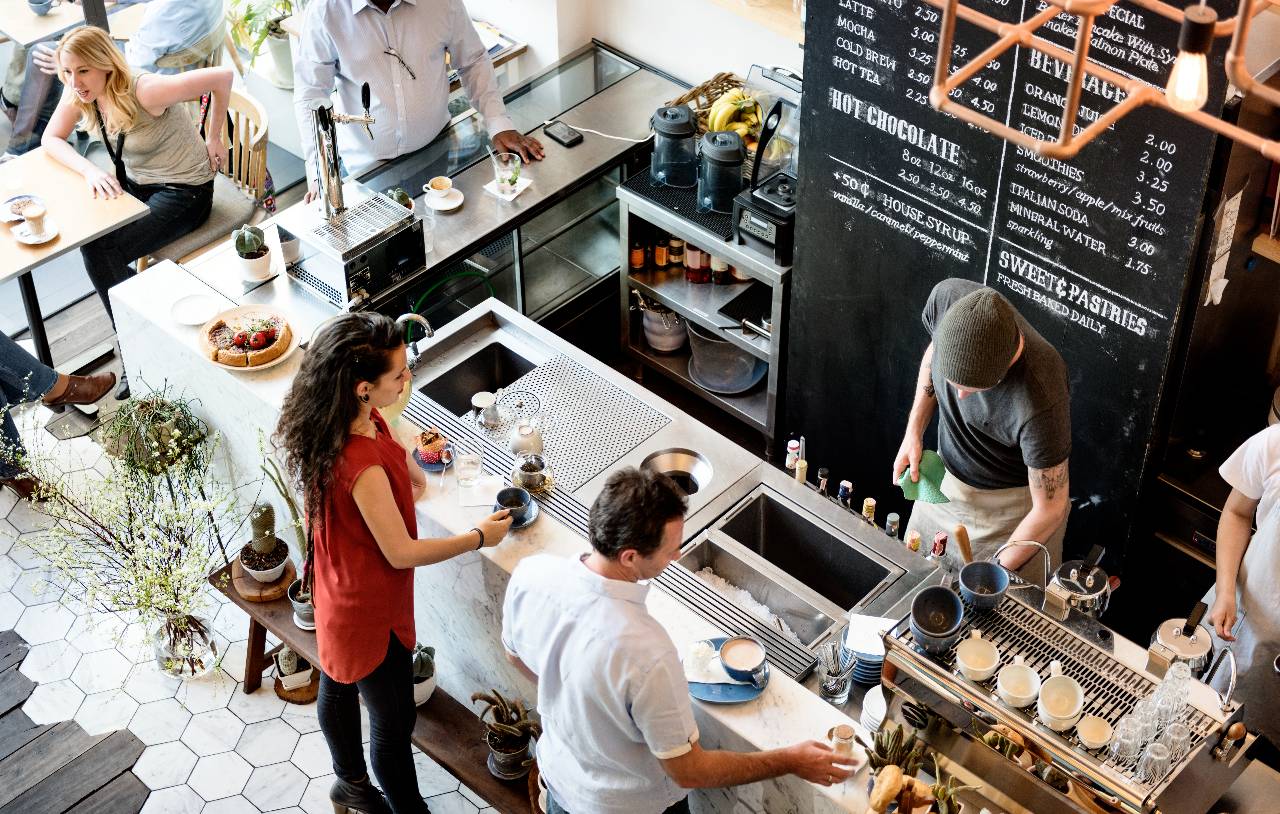
How Much Does It Cost to Open a Coffee Shop in 2026?
Opening a coffee shop in 2026 requires careful cost planning across rent, equipment, labor, technology, menu strategy, marketing, and sustainability.
operations
May 15, 2026
Opening a coffee shop in 2026 requires careful cost planning across rent, equipment, labor, technology, menu strategy, marketing, and sustainability.
May 15, 2026
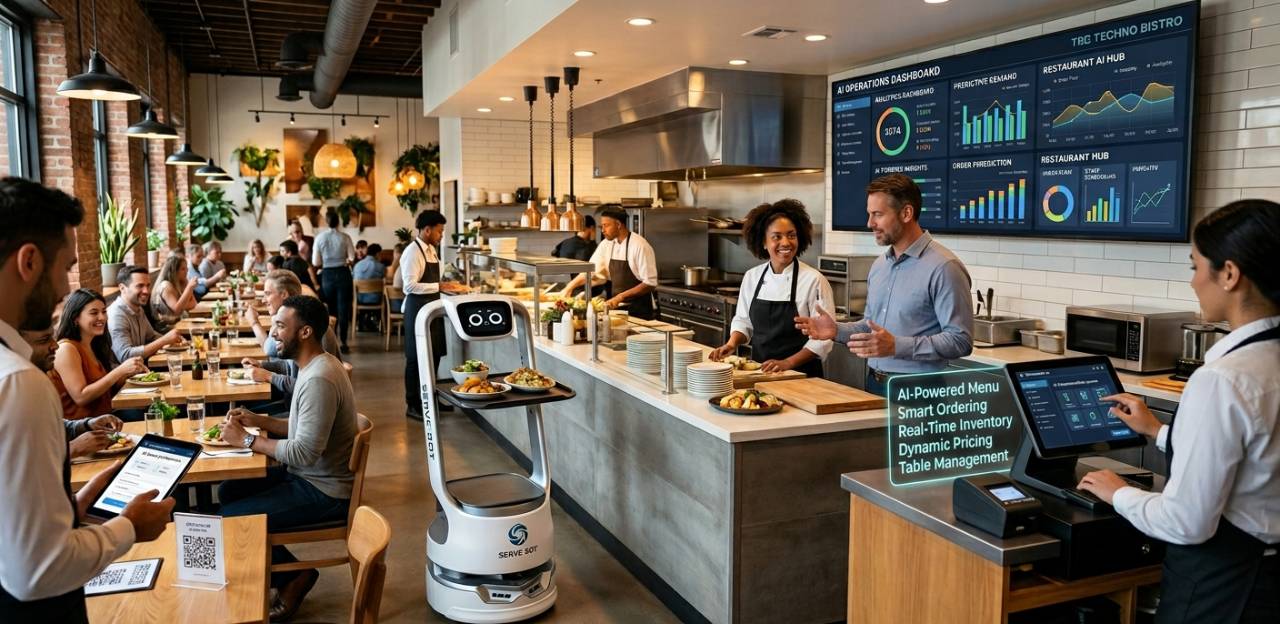
This AI playbook covers restaurant tools for voice ordering, staffing, compliance, menu pricing, inventory, marketing, ChatGPT prompts, and SEO.
May 15, 2026
Hardee’s giant Boddie-Noell inks 31-unit Scooter’s Coffee deal for NC and VA, leveraging drive-thru growth and local roots with rollout over 12–18 months.
May 15, 2026
Wingstop turns match weeks into a multi-sensory festival, aligning bold pop-ups with World Cup energy to build brand affinity and measurable momentum.
May 15, 2026
The parent company behind Dunkin', Buffalo Wild Wings, and Arby's has filed for an IPO a move that could reshape how Wall Street views the restaurant sector.
May 15, 2026
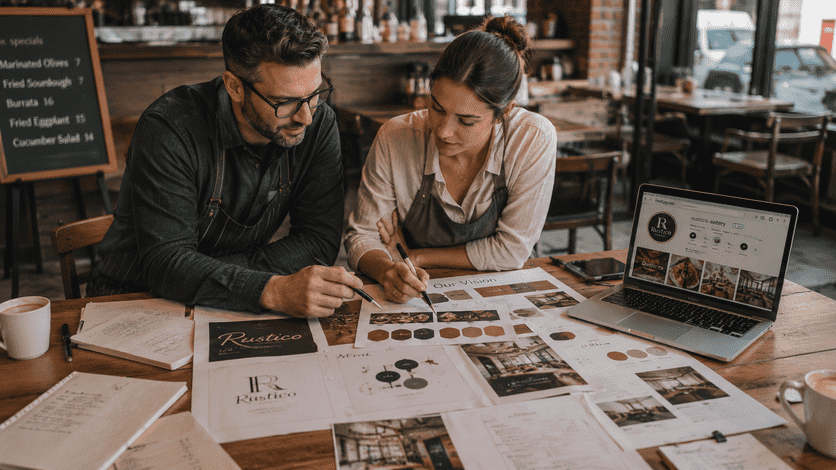
Learn how to develop a memorable restaurant brand identity that stands out in a crowded market, attracts loyal customers, and drives repeat business with actionable strategies and affordable tools.
May 15, 2026
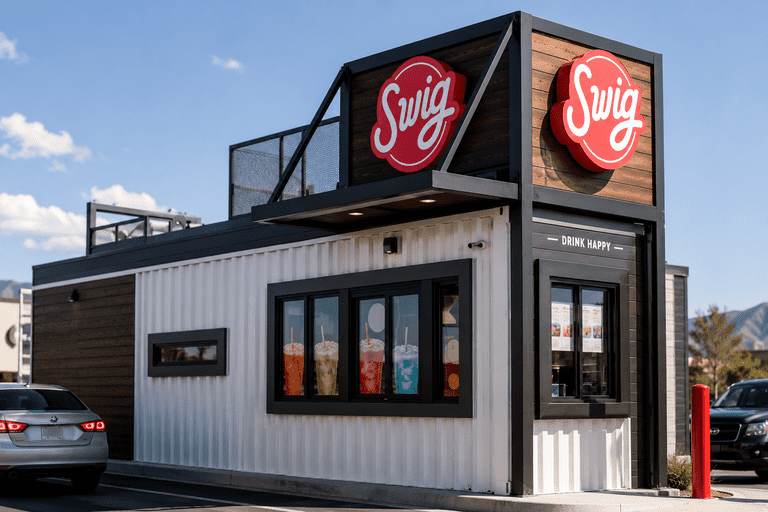
Dirty soda chain Swig is expanding into Colorado through a 10-unit franchise deal, riding a consumer beverage trend that's catching the attention of major QSR players nationwide.
May 15, 2026
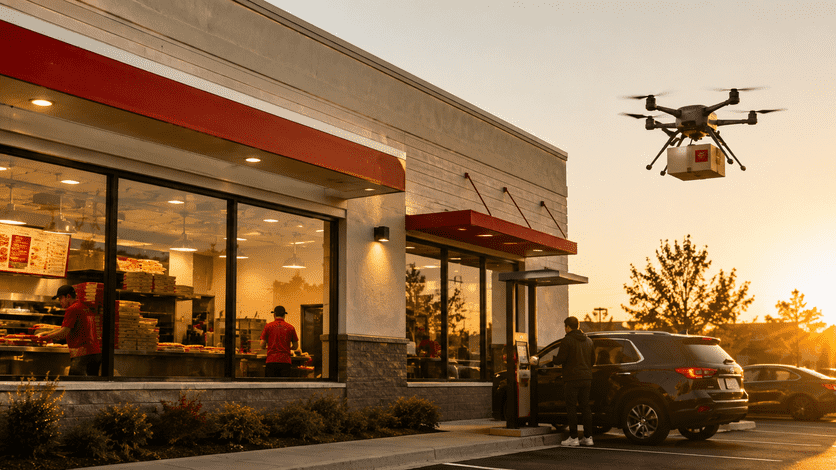
Papa Johns has teamed up with Alphabet's Wing for drone delivery of its new sandwich lineup in parts of Charlotte marking the first partnership of its kind between Wing and a national QSR brand.
May 15, 2026
A warm, expert-led look at McDonald’s Q1 results, menu makeover, and the refranchise question shaping its growth.
May 14, 2026
A reflective look at Habit Ranch, its immersive desert activation, and what it signals for brand loyalty and mindful, experiential dining.
May 14, 2026

Unlock Exclusive Access To Webinars, Events, And The Latest News For Free!
Brian Niccol’s first chapters at Starbucks prioritize reliability, pricing discipline, and menu relevance—blending coffeehouse ambiance with algorithmic order flow amid continued sales pressure.
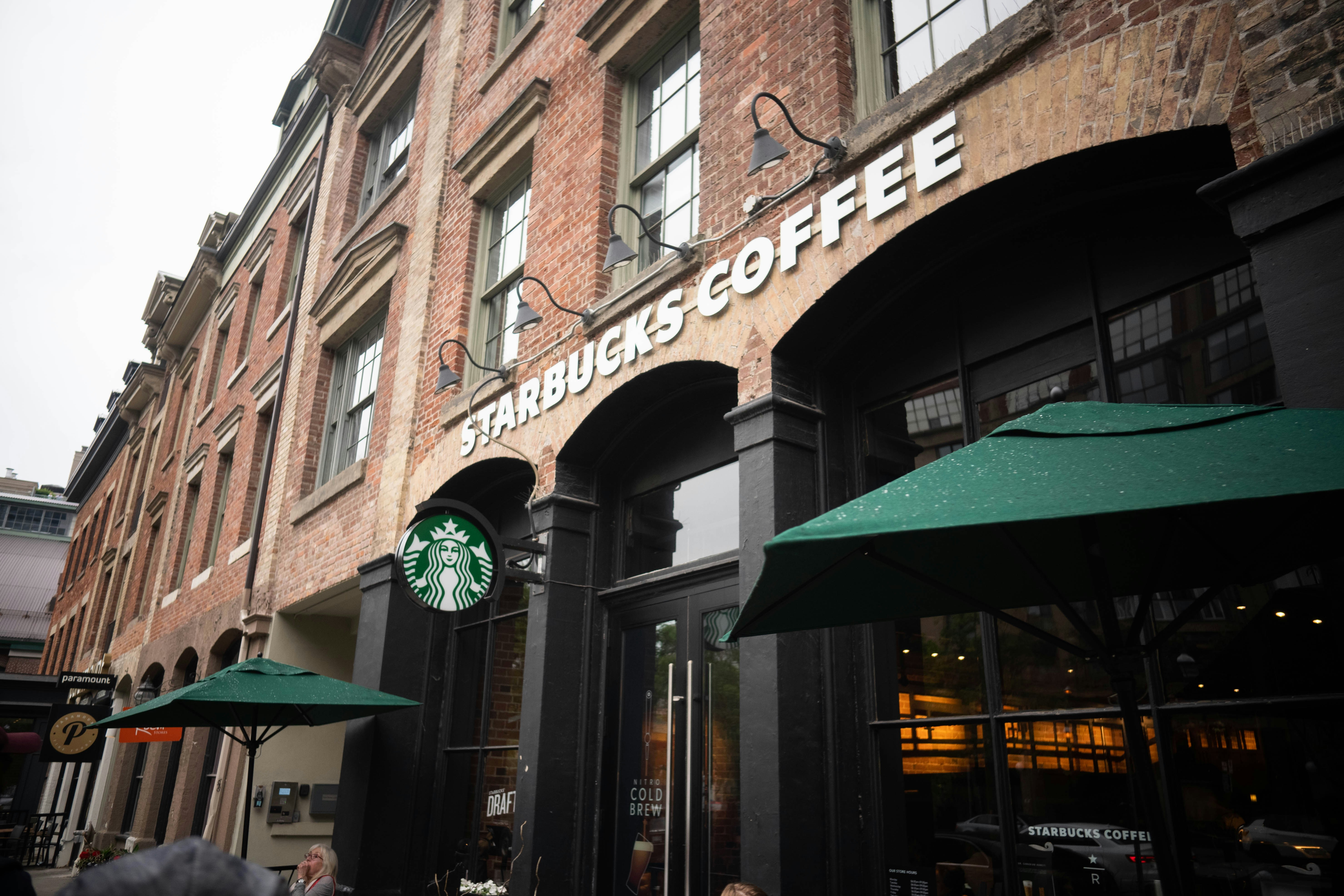
Photo by TR
The date "On Sept. 9, 2024" carried a quiet weight at Starbucks. Brian Niccol stepped into stewardship not as ceremony, but as a practical pivot after years when the brand’s rhythm had slipped off-beat. Same-store sales stagnation, ineffective menu innovation, labor strife, boycotts, and rising price sensitivity had layered friction atop a format that once felt soothingly predictable. The handoff mattered because it promised explicit priorities and execution, not just rhetoric. The mandate was closer to the counter than the boardroom: reconnect what happens in stores with how prices are set and whether offerings feel relevant to increasingly cautious consumers. The stakes were clear and gently unforgiving: "reverse stagnation through coherent changes that customers experience at the counter, on the app and in the cup." In other words, every latte, every line, every tap on the app would need to whisper the same message—reliability, value, and a refreshed sense of why the coffeehouse still feels like a welcoming pause in a hurried day.
The leadership shift sharpened the lens on three intertwined imperatives: "operational reliability, pricing discipline and menu relevance." These were not abstract corporate platitudes; they mapped neatly to the friction customers had been feeling. Service slowdowns and order bottlenecks had a way of unraveling trust with surprising speed. Price sensitivity, newly acute, recast every purchase as a value judgment. And innovation for its own sake had misfired, nudging the brand to reset toward updates that refresh taste and texture without discarding the coffeehouse identity. Execution became the organizing question. Could a comprehensive operational and brand renovation translate into dependable improvements, or would it register as cosmetic change that failed to shift traffic and check? The answer would live at the register and in the handoff—where small delays and tiny delights accumulate into memory. In a coffeehouse, cadence is a promise. Keeping it requires a gentle string of decisions that hold together in the rush as surely as they do in the slow hours.
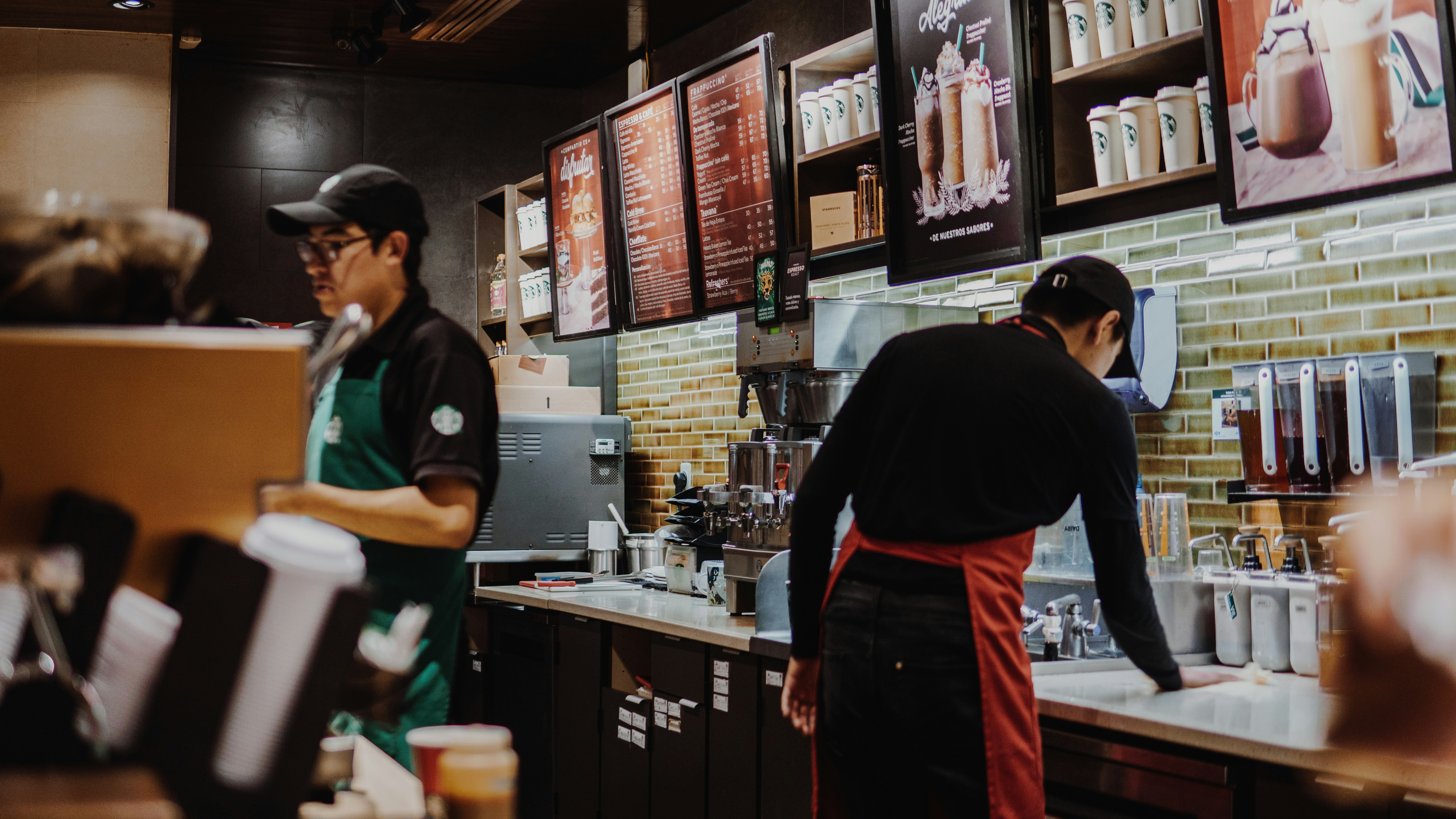
In the months that followed, the company sketched a new operating playbook—less a dramatic rewrite than a careful re-scoring of familiar notes. A renewed emphasis on the in-store environment and ritual—the "coffeehouse pivot"—sought to make ambiance and the cadence of service feel intentional rather than hurried. It’s the gentle difference between a space designed for lingering and a counter designed for throughput. Alongside that softer touch came a harder edge of systems thinking: a "mobile sequencing algorithm" to choreograph order flow more intelligently, managing peaks, reducing friction, and easing bottlenecks so service felt more predictable for customers and more sustainable for teams. On the product side, innovation took a measured step with "protein-rich Cold Foam," a textural and nutrition-forward accent meant to refresh cues without walking away from core coffee identity. The connective tissue across these elements was balance—ambiance with efficiency, novelty with familiarity, differentiation with disciplined pricing.
The new algorithm wasn’t about dazzling dashboards; it was built to change how digital orders appear and move through the system, especially when demand surges. By tuning order cadence, the approach aims to smooth peaks that create lags at the handoff plane and back up in-store lines. Make the flow predictable, the logic suggests, and teams can pace production while customers encounter fewer chokepoints. If the work behind the bar becomes steadier, the front-of-house rhythms can become recognizable again—cleaner handoffs, a more consistent tempo, and an environment that reminds guests why a coffeehouse feels different from purely transactional retail. And importantly, the product update—"protein-rich Cold Foam"—was positioned as a complement to operational fixes: a fresh texture and nutrition cue that enlivens the cup without complicating bar production or confusing the brand’s core proposition. In the language of service, this is hospitality shaped by systems: warm in effect, deliberate in design.
Headlines quickly multiplied around the changes—the coffeehouse pivot, the sequencing algorithm, the menu refresh—signaling speed and breadth. Visibility has its own gentle choreography: it reassures customers and employees that pain points are being handled while quietly tightening the expectations for results. Because labor strife, boycotts, and price sensitivity had shaped the narrative, the litmus test for any initiative narrowed to where pressure shows most clearly—same-store sales. Both skeptics and supporters watched for a coherent throughline. Would an elevated store experience, reduced operational friction, and a spark from "protein-rich Cold Foam" align to change behavior across formats and dayparts? This is the heart of turnarounds in hospitality: the details are many, but the verdict is simple. Guests either return more often and purchase more confidently, or they don’t. The promise lives in the feel of the place; the proof lives in the numbers.
One way to read the early outcomes is to align the most recent 10-Q with other publicly available information. In that snapshot, persisting same-store sales struggles anchor the analysis. The implication is gentle but firm: visible changes and process tweaks must translate into sustained traffic and check growth to claim success. Reported metrics and external signals help separate signaling from substance, and they set a disciplined cadence for judgment—"quarter by quarter, not headline by headline." Until the trajectory of same-store sales moves decisively, these initiatives sit as a turnaround thesis under examination rather than a settled win. That does not diminish the logic of focusing on reliability, pricing discipline, and menu relevance. It simply places the brand’s story in a cadence that matches its scale: patient, repeatable, and felt in daily cycles rather than singular announcements.
Scale reframes everything. As "the world’s largest coffee chain," the brand must repeat even small improvements across thousands of daily cycles. That intensity elevates the need for pricing discipline and operational reliability to complement menu relevance; a misstep in one area can overwhelm progress in another. In that light, the coffeehouse pivot, the mobile sequencing algorithm, and protein-rich Cold Foam each must pull their weight without overcomplicating execution. The strategic intent is soothingly straightforward: restore reliability and excitement in tandem—visible at the store level, reinforced by quieter back-end optimization. If the integration works, customer experiences should feel smoother, offerings more compelling, and value clearer, especially to consumers who are cautious about spending. This is hospitality as a sequence: welcoming environment, confident service, satisfying cup, and a price that feels thoughtful rather than sharp.
The first chapters of the overhaul are visible: store environments tuned with intention, operational tools rolled out with purpose, and a menu refreshed with careful restraint. Still, the core test remains unresolved. The renovation must manifest in the metrics that matter most to a turnaround narrative. This is not a single splashy launch; it’s a sequenced execution that binds store-level reliability to menu relevance and pricing discipline to brand equity. Headlines and rollouts will only be fully understood when the 10-Q and other public signals substantiate a measured cadence of improvement. Until then, the story remains in motion—a comprehensive plan designed to overcome entrenched headwinds and restore durable performance, with each quarter offering a clearer read on whether signaling is becoming substance. In a coffeehouse sense, the stage is set: the room feels welcoming, the line moves with grace, and the cup offers a refreshed texture. Now, the brand waits to see if guests return a little more often, and a little more happily.
There is a comforting lesson tucked inside this operational reset: hospitality thrives where ambiance, efficiency, and relevance touch the guest at the same time. The coffeehouse pivot affirms the power of a space that feels designed for lingering; the mobile sequencing algorithm respects the tempo teams need to serve warmly; and protein-rich Cold Foam refreshes the cup without drifting from identity. Each move acknowledges that value is felt as much as it is measured. The path forward is neither flashy nor fast. It is calmly iterative—quarterly proof points, steadier handoffs, offerings that make sense, and pricing that meets the moment. If the pieces continue to align, guests will feel the difference before they articulate it: a smoother visit, a clearer sense of worth, a brand that seems to remember why it matters. In a marketplace that has grown more cautious, that kind of gentle, coherent progress is not just strategy; it is the essence of a coffeehouse doing what it does best—welcoming people back, one careful cup at a time.