FT Undercover: Hotworx, YogaSix, Barre3 in Twin Cities
FT Undercover tests Hotworx, YogaSix and Barre3 in the Twin Cities, highlighting heat, coaching, pricing, and the FTC action involving Xponential Fitness.
franchising
Jun 4, 2026
FT Undercover tests Hotworx, YogaSix and Barre3 in the Twin Cities, highlighting heat, coaching, pricing, and the FTC action involving Xponential Fitness.
Jun 4, 2026
Qdoba secures $435M via whole business securitization to refinance debt, fund remodels and digital makelines, and fuel its push to ~2,000 units.
Jun 4, 2026
To file a clean, on-deadline restaurant trade piece, I need structured facts: names, dates, quotes, numbers, locations, timing, metrics, constraints, and verification.
Jun 4, 2026

Arts-first preschool chain Building Kidz continues U.S. expansion while facing a wrongful death suit and appealing a California penalty.
Jun 4, 2026

How to choose and configure equipment for consistent, scalable restaurant operations, with market data, AI trends, and energy-efficiency considerations.
Jun 4, 2026
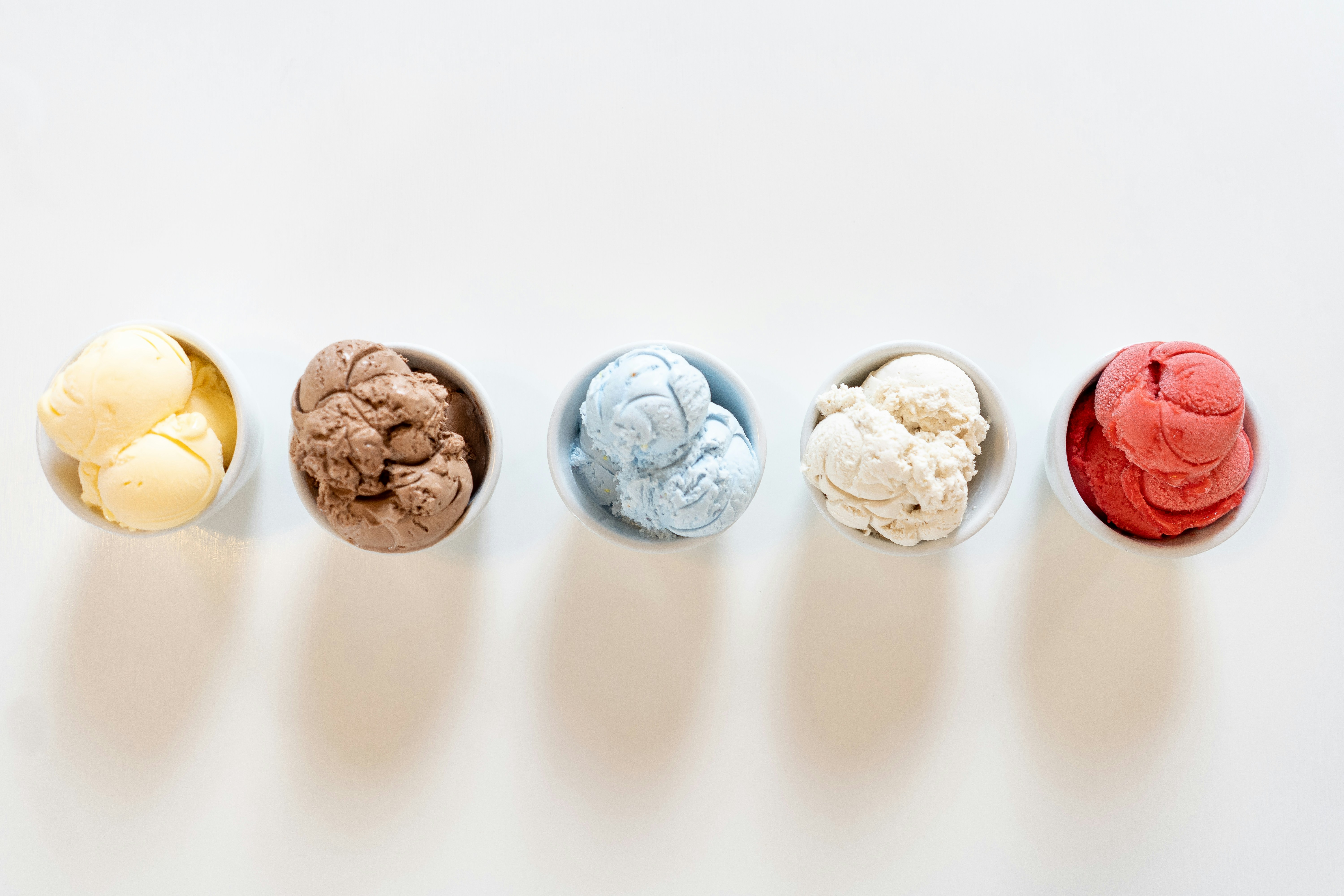
Ice cream brand Salt & Straw explores a sale valuing it at $200M, tapping Piper Sandler as advisor while emphasizing culture, growth, and majority ownership.
Jun 4, 2026

Five Iron Golf launches cash simulator tournaments with a live app leaderboard, varied formats, and a $20,000 prize pool, backed by a Series E as national rollout accelerates.
Jun 4, 2026
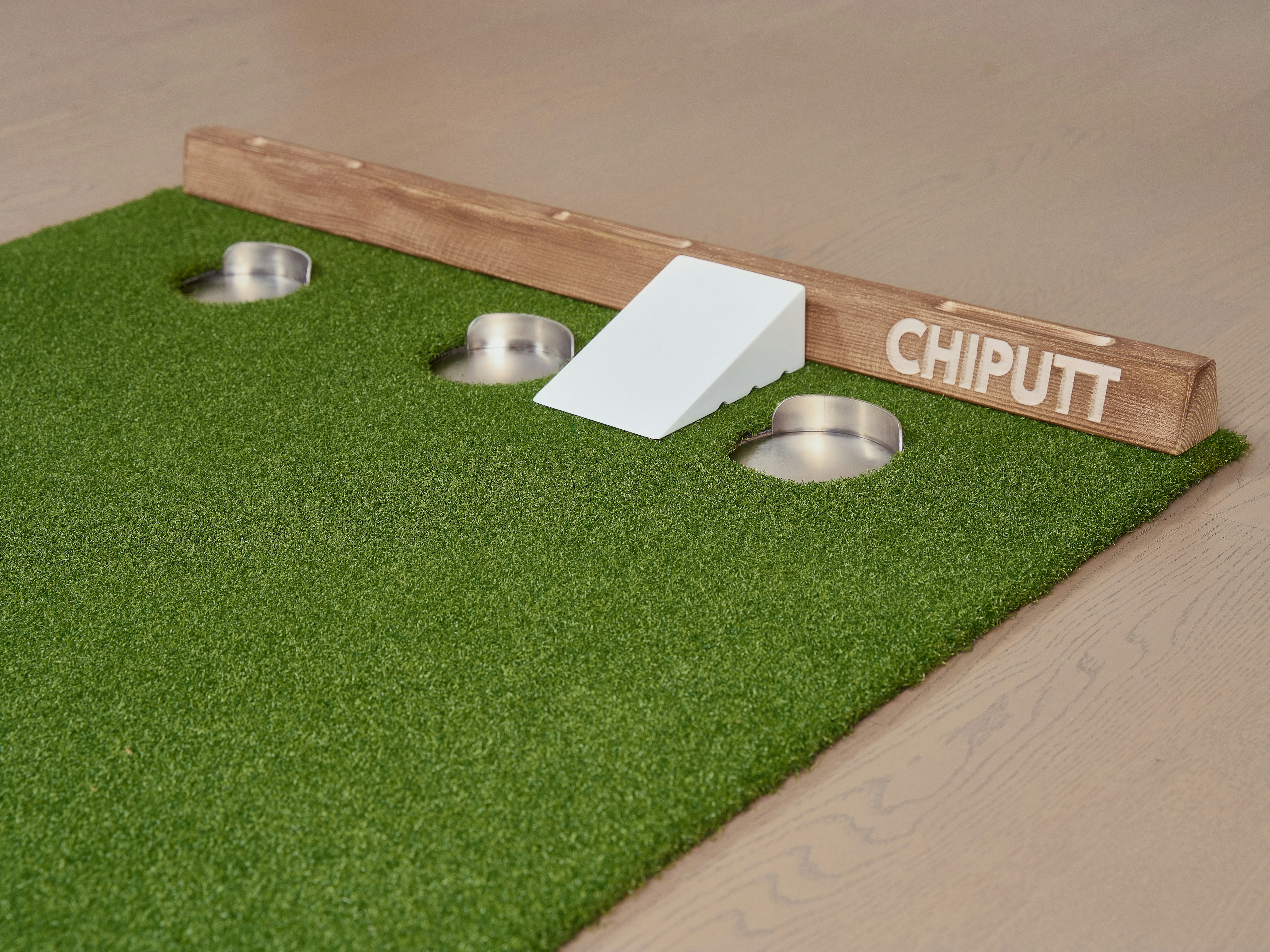
Indoor golf franchises scale as Callaway trims Topgolf, automation boosts margins, and demand accelerates across U.S. simulator chains.
Jun 4, 2026
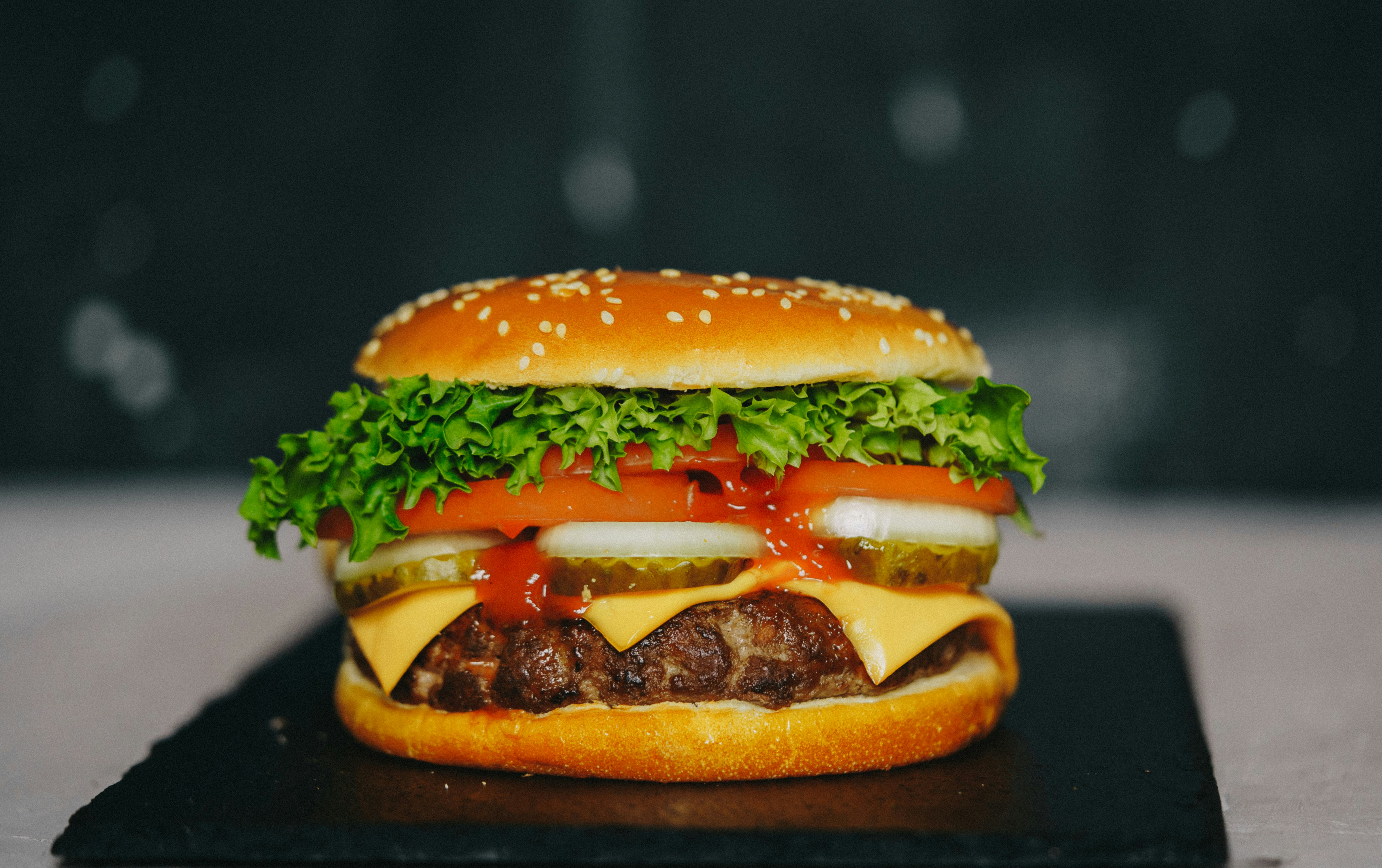
Big chains blend global flavors with familiar formats to drive traffic. Case studies from Shake Shack, Bobby’s, and Rōti, plus trend and performance data.
Jun 4, 2026
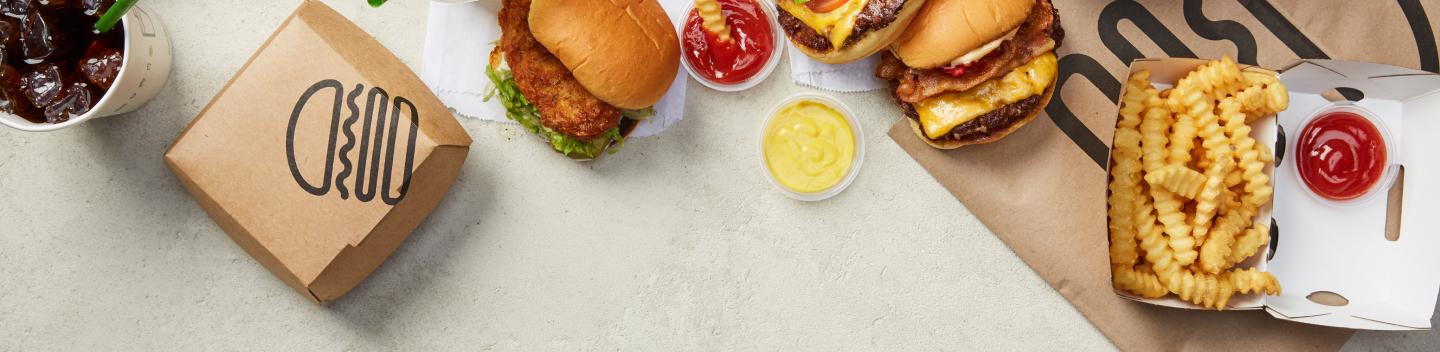
Shake Shack lowered Q2 and full-year guidance amid a value war and macro headwinds; shares fell 9% as analysts cut targets and the company tightened openings.
Jun 4, 2026

Unlock Exclusive Access To Webinars, Events, And The Latest News For Free!
Many people do not know how to properly handle food storage and storage temperatures. Here are some myths and tips about safe food handling temperatures that you should be aware of.
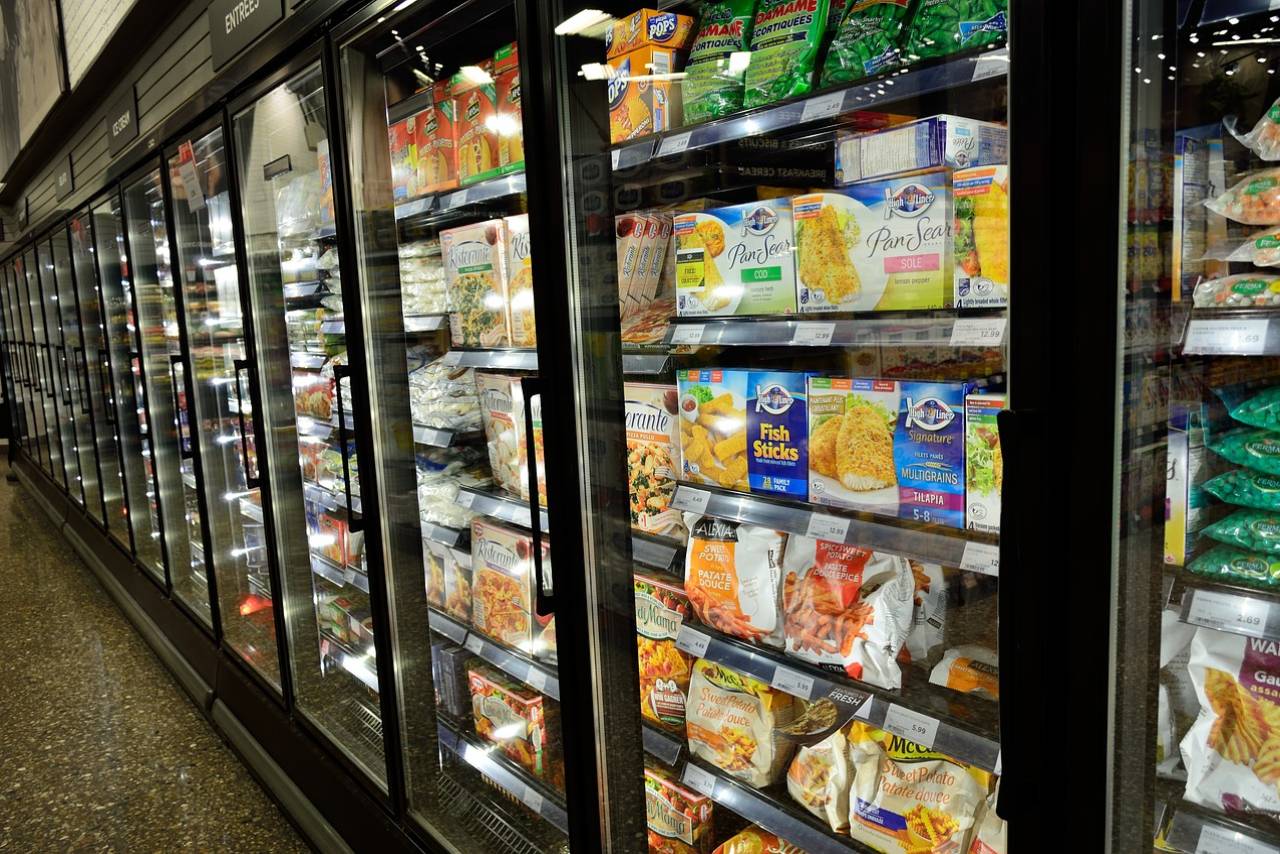
Did you know that there is more to those hot chicken wings you drooled over last night, than just a secret recipe? The correct storage and cooking temperature ! Temperature might seem an understatement, but it plays an important role in determining the freshness and taste of the food and keep food safe .
The slightest of carelessness in temperature control can take a toll on health. When the food is not properly stored or cooked, it can lead to growth of bacteria and pathogens. This may cause food poisoning and other foodborne illness like dysentery.
Let's start with the food temperature that should be completely avoided. That isthe danger zone! The US FDA has defined the range between 40 F to 140 degree F as temperature danger zone . If you keep foodwhether cooked food or raw, hot foods or cold food, in this temperature range, beyond a certain time, it may become unfit for consumption. The bacteria can grow at a double rate in just 20 minutes when the food is stored in the temperature danger zone.
Remember, the room temperature also comes in the danger zone, thus the food must be avoided here.
So, next time make sure you not forget to keep your home food in the refrigerator. Preserving in a refrigerator would not stop the bacteria growth, but will at least slow down its speed. And that's the reason, experts recommend to avoid eating cooked food or fruits vegetables that are stored in the refrigerator for more that 3 to 4 days.
If planning to serve hot dinner to your guests, then make sure to keep food above 140 degree F. This process is called hot handling .
As per an article published by US FDA, The Federal government estimates that there are about 48 million cases of foodborne illness annually the equivalent of sickening 1 in 6 Americans each year. And each year, the foodborne illness result in an estimated 128,000 hospitalizations and 3,000 deaths.
So we cannot undermine the importance of temperature control when it comes to food.
The US FDA has listed the safe cooking temperatures and storage temperatures for different foods to ensure it is fit for consumption.
1. Poultry-
Storage temperature 40 degree F (4.4 degree C) or below, or frozen at 0 degree F (-17.7 degree C)
Minimum internal cooking temperature 165 degree F (73.8 Degree C)
2. Ground Meat -
Storage temperature- 40F (4.4C) or below, or frozen at 0F (-17.7C) or below
Minimum temperature for cooking 160F (71.1 C)
3. Beef pork veal lamb , steaks chops -
Storage temperature- 40F (4.4C) or below, or frozen at 0F (-17.7C) or below
Minimum internal temperature for cooking 145F (62.8C) allowed to rest for atleast 3 minutes
4. Fruits Vegetables can be stored at 40F (4.4C) or below, or frozen at 0F (-17.7C) or below
5. Seafood -
Storage food temperature- 40F (4.4C) or below, or frozen at 0F (-17.7C) or below
Minimum internal temperature for cooking 145F (62.8C)
6. Leftover home food / stuffing (casseroles) -
Storage food temperature- 40F (4.4C) or below, or frozen at 0F (-17.7C) or below
Minimum internal temperature for cooking 165F (73.8C)
The US FDA suggests food handler /s to use an appliance thermometer to be 100% sure the temperature is always 40F or below and the freezer temperature is consistently 0 F or below.
Now, let's bust some common myths regarding food temperature and temperature control .
1. You can thaw food any way at any temperature-
It's big no. Food handler should remember that the outermost part of the frozen chicken turkey meat poultry seafood or any cold food gets thawed fast that the inside. This can prompt bacterial growth on the outside despite inside being still frozen. And if bacteria like staphylococcus attack the food, it can cause serious foodborne illness .
Therefore, food must be thawed safely. It's best to thaw frozen cold food in refrigerator itself as it keeps food in required temperature range.
2. Refrigeration stops bacterial growth-
This is the biggest believed myth. The US FDA suggests to refrigerate food at minimum temperature -- 41 F or below. Refrigerating food slows down the speed of bacterial growth, but doesn't stop it.
3. You can leave marinated food at the kitchen station
Irrespective of how acidic you marinate is, do not leave marinated chicken turkey or cheese outside at room temperature. Room temperature is a temperature danger zone , i.e bacteria grows at double rate when food is stored here. Therefore, always keep food including the marinated ones, in the refrigerator.
4. You can cool hot food at any temperature-
Not many people are aware that hot food cannot be kept to cool down however you want. That's because when you keep food to cool, its passes through the temperature danger zone temperature-- 41F to 135Fwhich provides favorable circumstance for bacterial growth. Food held above 135F or cooled at 41F is safe for consumption.
The United States FDA department health has shared some tips on temperature control to promote Food Safety
1. It is tricky to check temperature of food from its color or texture, even for the highly experienced restaurant chefs. It's better to use a food thermometer or Grill Thermometer when cooking beef pork chicken turkey etc in a microwave oven or griller.
2. Freeze meat poultry seafood and other perishable items within two hours of cooking.
3. For quick cooling in refrigerator, divide food into separate containers.
4. When reheating food like soup and sauces , make sure to bring them to a boil.
For more, read Food Safe , Hazard Analysis , Food Food