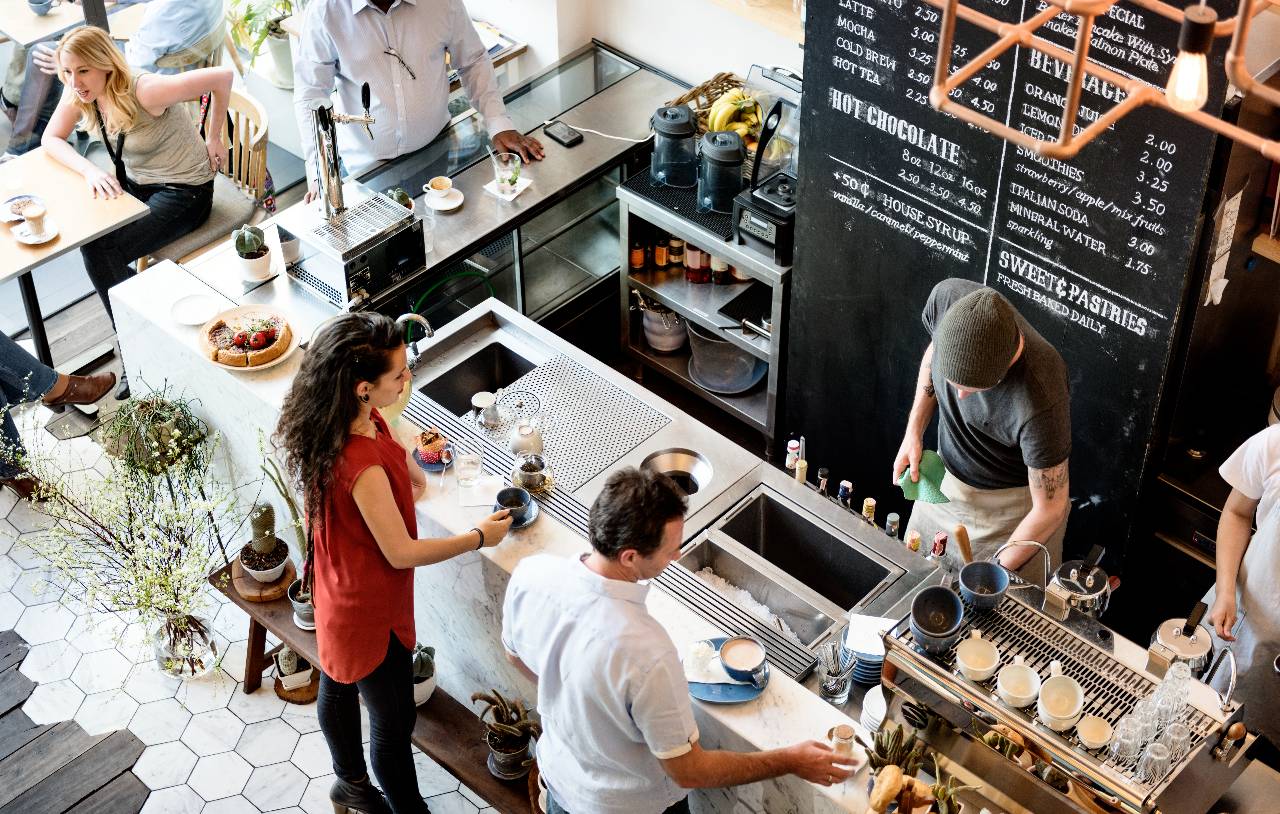
How Much Does It Cost to Open a Coffee Shop in 2026?
Opening a coffee shop in 2026 requires careful cost planning across rent, equipment, labor, technology, menu strategy, marketing, and sustainability.
operations
May 15, 2026
Opening a coffee shop in 2026 requires careful cost planning across rent, equipment, labor, technology, menu strategy, marketing, and sustainability.
May 15, 2026
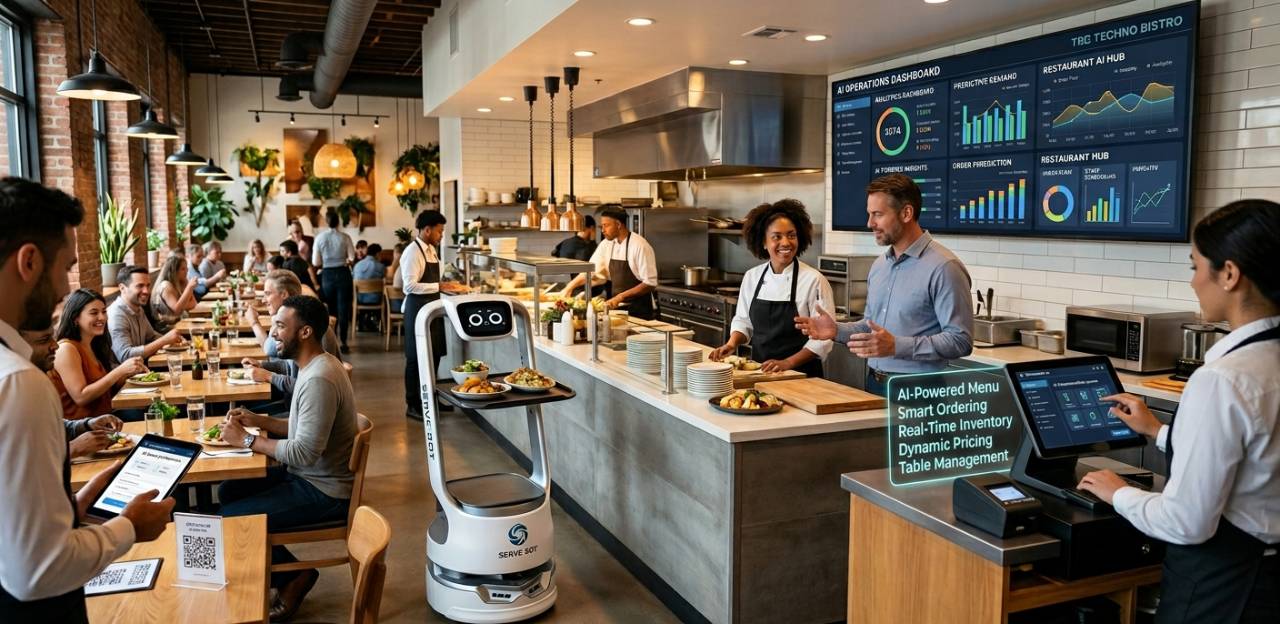
This AI playbook covers restaurant tools for voice ordering, staffing, compliance, menu pricing, inventory, marketing, ChatGPT prompts, and SEO.
May 15, 2026
Hardee’s giant Boddie-Noell inks 31-unit Scooter’s Coffee deal for NC and VA, leveraging drive-thru growth and local roots with rollout over 12–18 months.
May 15, 2026
Wingstop turns match weeks into a multi-sensory festival, aligning bold pop-ups with World Cup energy to build brand affinity and measurable momentum.
May 15, 2026
The parent company behind Dunkin', Buffalo Wild Wings, and Arby's has filed for an IPO a move that could reshape how Wall Street views the restaurant sector.
May 15, 2026

Learn how to develop a memorable restaurant brand identity that stands out in a crowded market, attracts loyal customers, and drives repeat business with actionable strategies and affordable tools.
May 15, 2026
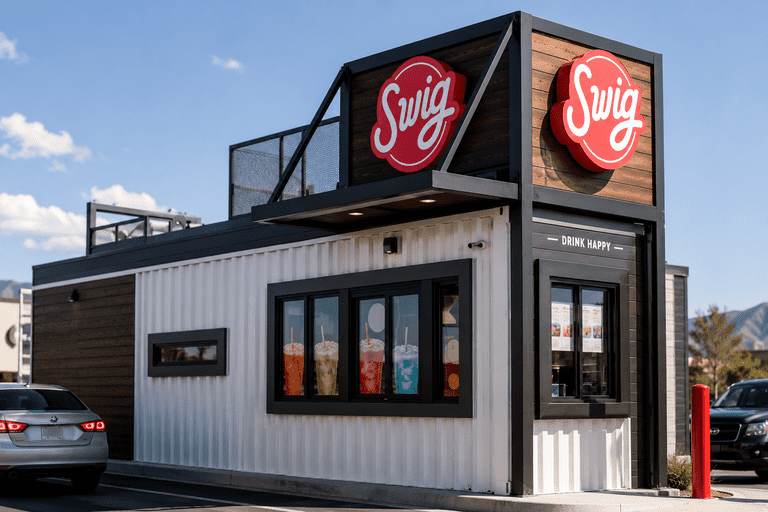
Dirty soda chain Swig is expanding into Colorado through a 10-unit franchise deal, riding a consumer beverage trend that's catching the attention of major QSR players nationwide.
May 15, 2026
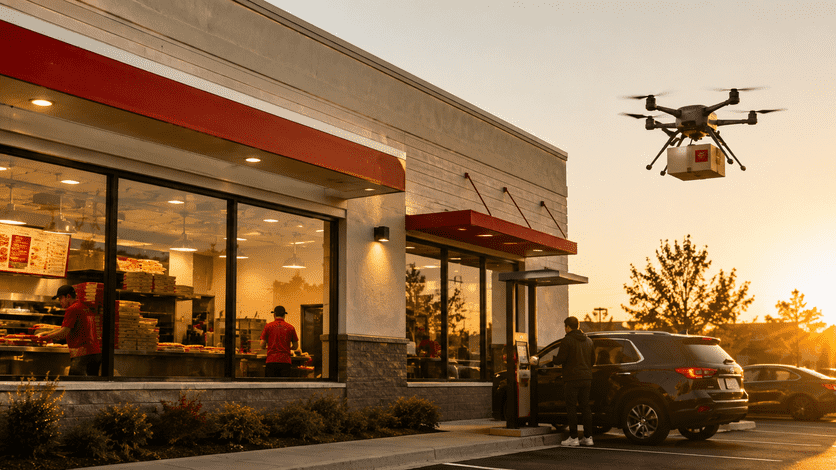
Papa Johns has teamed up with Alphabet's Wing for drone delivery of its new sandwich lineup in parts of Charlotte marking the first partnership of its kind between Wing and a national QSR brand.
May 15, 2026
A warm, expert-led look at McDonald’s Q1 results, menu makeover, and the refranchise question shaping its growth.
May 14, 2026
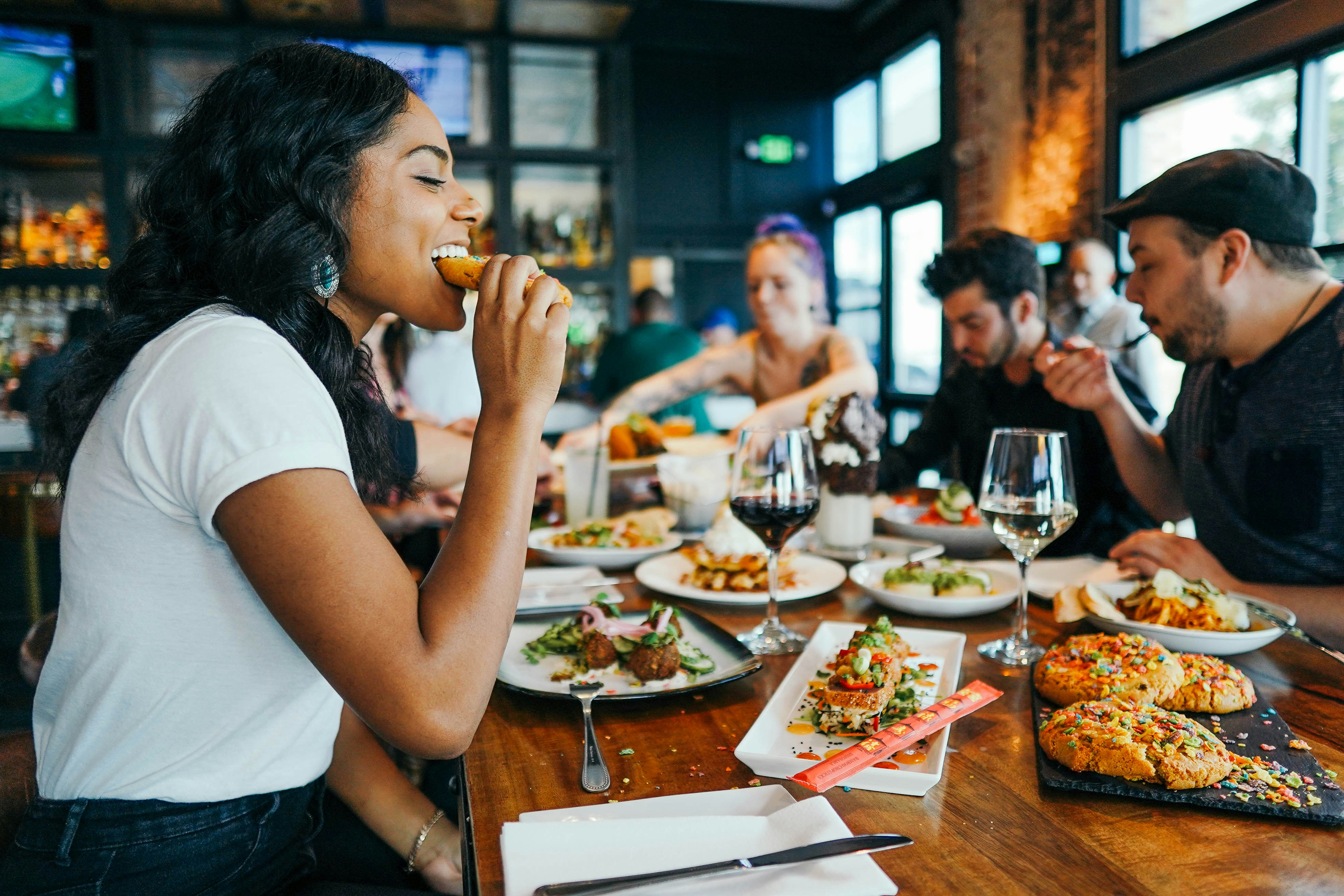
A reflective look at Habit Ranch, its immersive desert activation, and what it signals for brand loyalty and mindful, experiential dining.
May 14, 2026

Unlock Exclusive Access To Webinars, Events, And The Latest News For Free!
Domino’s reports strong U.S. sales while international growth slows, shaping a bifurcated growth path.
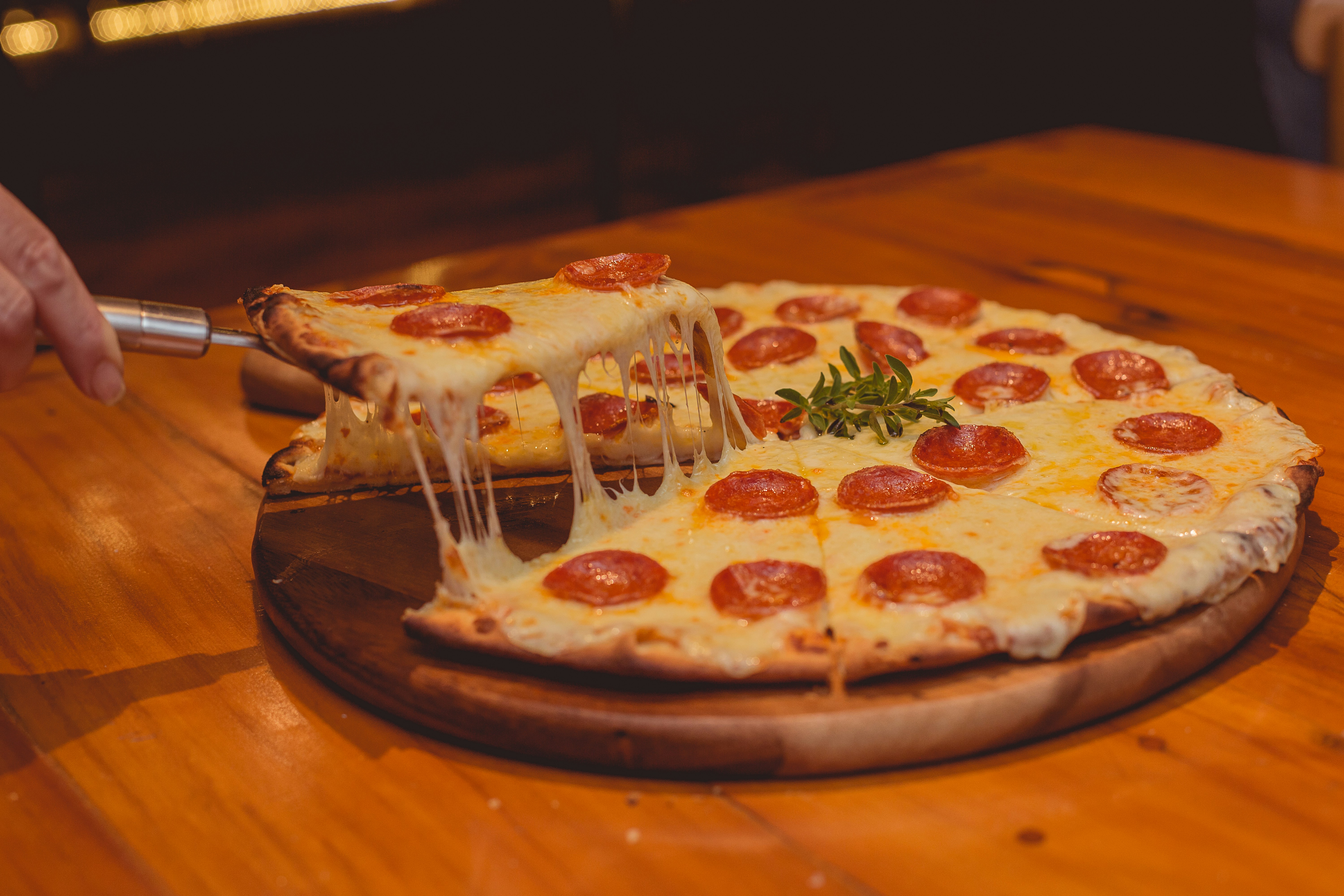
Photo by Getúlio Moraes
Domino’s recent quarterly narrative unfolds like two stories running in parallel: a robust American engine and a cautious international horizon. In the quarter ended June 16, 2024, U.S. same-store sales rose 4.8%, signaling durable demand across carryout and digital ordering. By contrast, global retail sales rose about 7.2% when currency effects are stripped away, yet the pace of international openings remained uncertain. In a fast-moving landscape that rewards balance, the domestic heartbeat anchors the brand even as the global path remains murky. The question now is what this bifurcation means for Domino’s future trajectory.
On the earnings call, “I want to reiterate that our U.S. pipeline is strong, and it continues to grow.” said CEO Russell Weiner, framing the domestic engine as the anchor while acknowledging that international growth would lag the previously set targets because of openings and closures at DPE. The quarter delivered 175 net new stores globally, lifting the tally to 20,930 stores, yet investors greeted the update with a pullback in share price as the company paused guidance for broader international net store growth. The numbers underline a cautious, deliberate growth path that keeps the core steady while watching the horizon.
At the heart of Domino’s growth plan is a thoughtful, nourishing approach that blends loyalty, pricing prudence, and menu discipline. The 2024 playbook leaned into a robust carryout channel, anchored by investments in loyalty and digital ordering. The cadence of boost weeks helped lift order counts, while a measured pricing action helped lift comparable performance. The narrative tied loyalty directly to incremental transactions, with orders tied to loyalty redemptions in carryout rising meaningfully. Beyond promotions, the menu strategy signaled staying power: New items are being introduced not as fleeting promos, but as permanent features that widen appeal.
Notably, the company highlighted New York-style pizza as a permanent addition—promising a thinner, foldable crust that caters to a subset of pizza lovers. Executives described the Domino’s Rewards program as a cornerstone of growth, while noting that loyalty-driven orders tie to higher transaction counts in a way that supports a healthier carryout mix. As leadership put it, the approach aims to extend the value proposition beyond price, creating a durable, nourishing loop of repeat visits and steady cash flow. “New items are introduced with the intent to stay on the menu rather than serve as fleeting promos.”
Value, for Domino’s, is not about the lowest price, but about a durable, remarkable proposition. The leadership has framed Domino’s Rewards as a durable source of value—part of a broader strategy called Renowned Value—that aims to develop lasting guest relationships rather than quick bursts of discounting. The 2023 loyalty refresh is repeatedly cited as foundational: it helped sustain carryout volumes and encouraged guests to return. In a marketplace crowded with promotions, this thoughtful framing positions Domino’s as a brand that nourishes loyalty with meaningful benefits.
On the earnings call, leadership reiterated the essence: ‘It’s not just about having the lowest price in the market. It’s about providing value that’s innovative and memorable. Domino’s Rewards is an example of that renowned value. It continues to perform well and was the key driver of our strong US comp performance in Q2.’ The message reinforces a longer arc: build repeat visits, deliver value through loyalty, and keep promotions intentional rather than pervasive. The approach also highlights how loyalty and data insights are guiding carryout growth as the brand expands its footprint.
Internationally, the frame grows more fragmented. The quarter underscored the fragility of international growth, with Domino’s Pizza Enterprises’ openings and closures clouding visibility and complicating the global trajectory. Russia’s market exit and evolving DPE performance added to the complexity of the global mix, reminding readers that a healthy domestic engine must contend with cross-border volatility. Against this backdrop, Domino’s doubled down on platform partnerships to extend reach while preserving its own delivery capabilities.
On the delivery front, third‑party partnerships became a focal point. In 2024, Uber Eats accounted for 1.9% of Domino’s sales mix, with management signaling a path to around 3% by year‑end. The quarter also highlighted how global scale can hinge on the performance of regional operators and the choices of master franchisers. The company framed 2024 guidance as tempered: global net store growth targeted at 825–925 stores, with international growth expected to fall short by 175–275 stores versus the plan. The bar for visibility remains high as Domino’s navigates a bridged global map. Looking ahead, a broader DoorDash rollout in North America—May 2025 in the U.S. and Canada later in 2025—aims to expand reach while preserving Domino’s driver-based delivery.
Looking ahead to 2025, Domino’s enters with a clearer bifurcation between its domestic growth engine and international uncertainties. The second‑quarter 2025 results showed continued domestic momentum with U.S. same-store sales growth of 3.4% and international same-store sales growth of 2.4%, alongside a global net store growth of 178 stores (including 30 net openings in the U.S. and 148 internationally). The year’s trajectory also featured a broader rollout of DoorDash marketplace delivery in the United States, with Canada following later in 2025, a move that could help sustain transaction growth as the brand leans into omnichannel dynamics. As Domino’s continues to invest in loyalty, value, and durable menu innovations—such as permanent additions like New York-style pizza—the plan is steadier revenue streams while guarding against international volatility.
Across markets, the strategy centers on a nourished, thoughtful hospitality toward guests and partners. The brand’s narrative moves away from price wars and toward a durable, nourishing growth path: loyalty-driven demand, disciplined openings, and a menu that stays relevant. The 2025 trajectory suggests a careful balance—velocity at home, measured progression abroad, and a delivery ecosystem that makes ordering simple, reliable, and timely for guests wherever they are.