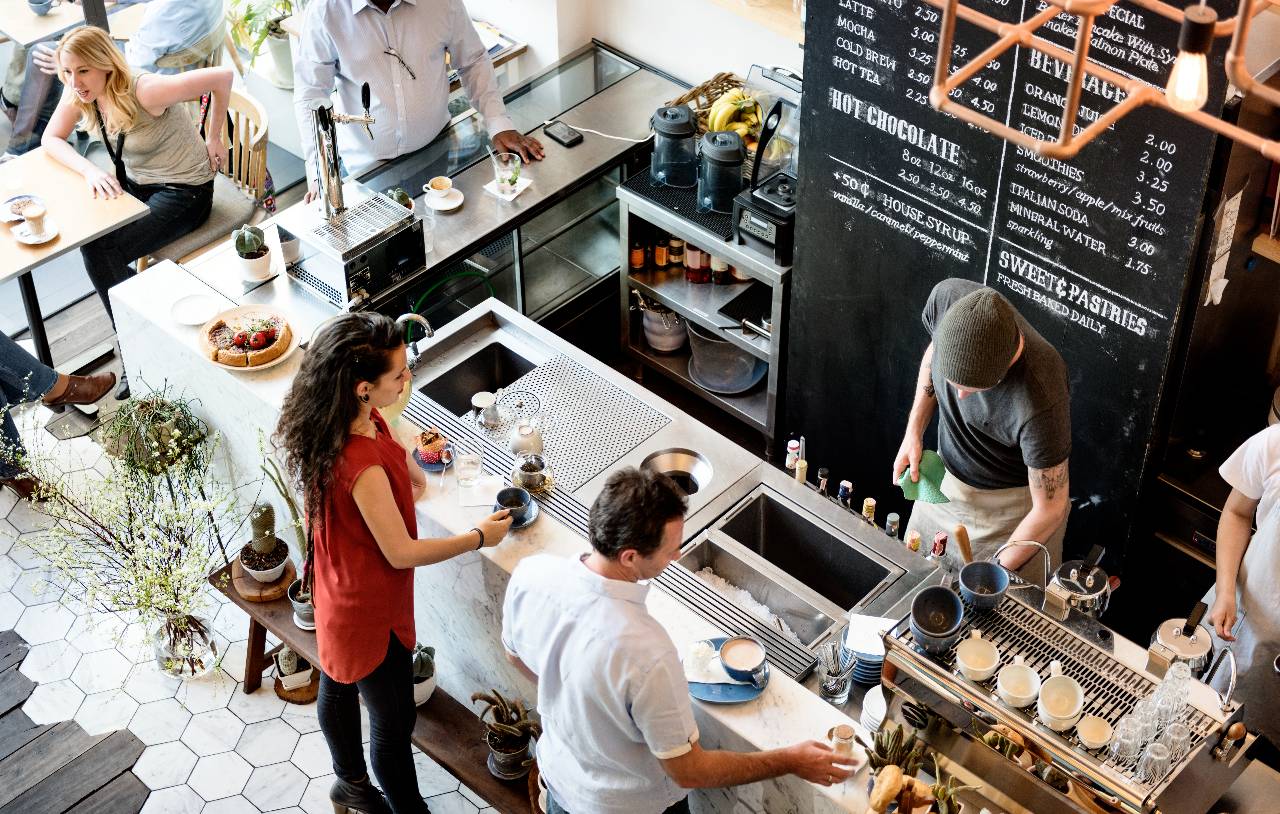
How Much Does It Cost to Open a Coffee Shop in 2026?
Opening a coffee shop in 2026 requires careful cost planning across rent, equipment, labor, technology, menu strategy, marketing, and sustainability.
operations
May 15, 2026
Opening a coffee shop in 2026 requires careful cost planning across rent, equipment, labor, technology, menu strategy, marketing, and sustainability.
May 15, 2026
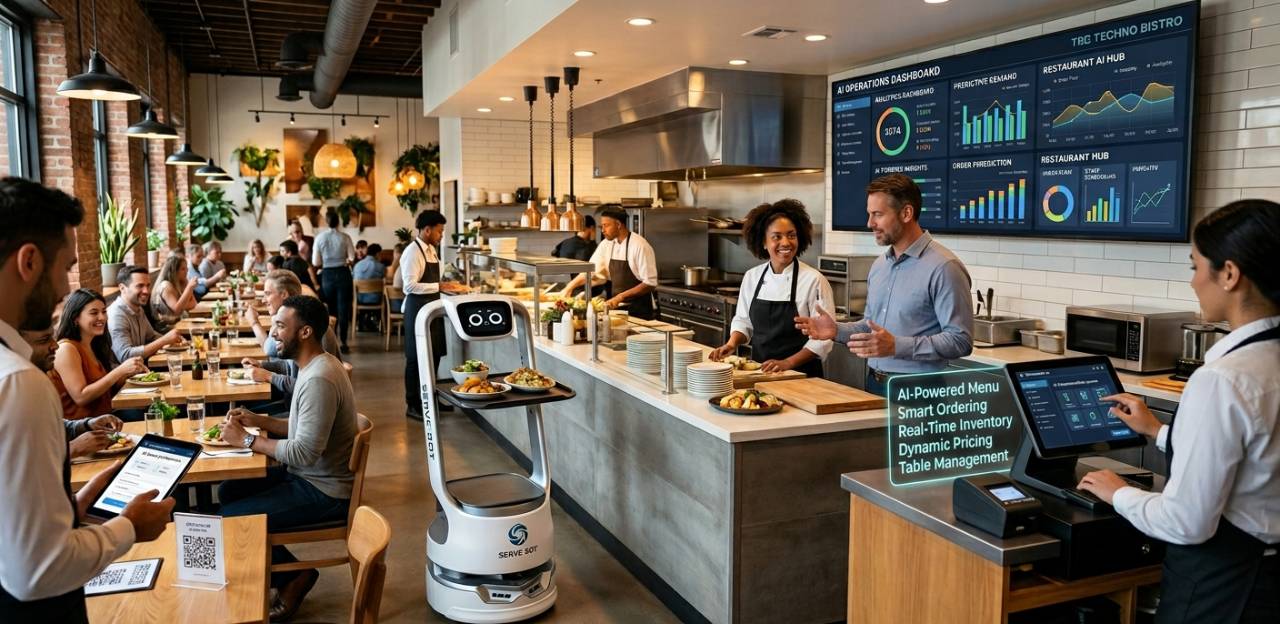
This AI playbook covers restaurant tools for voice ordering, staffing, compliance, menu pricing, inventory, marketing, ChatGPT prompts, and SEO.
May 15, 2026
Hardee’s giant Boddie-Noell inks 31-unit Scooter’s Coffee deal for NC and VA, leveraging drive-thru growth and local roots with rollout over 12–18 months.
May 15, 2026
Wingstop turns match weeks into a multi-sensory festival, aligning bold pop-ups with World Cup energy to build brand affinity and measurable momentum.
May 15, 2026
The parent company behind Dunkin', Buffalo Wild Wings, and Arby's has filed for an IPO a move that could reshape how Wall Street views the restaurant sector.
May 15, 2026

Learn how to develop a memorable restaurant brand identity that stands out in a crowded market, attracts loyal customers, and drives repeat business with actionable strategies and affordable tools.
May 15, 2026
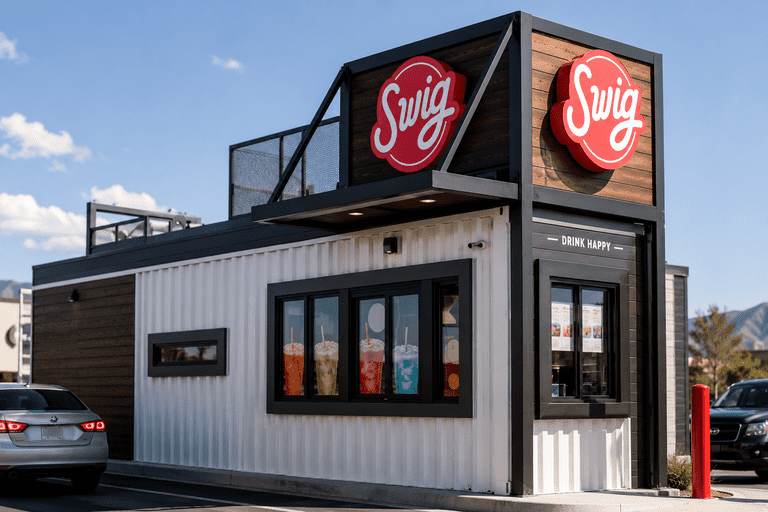
Dirty soda chain Swig is expanding into Colorado through a 10-unit franchise deal, riding a consumer beverage trend that's catching the attention of major QSR players nationwide.
May 15, 2026
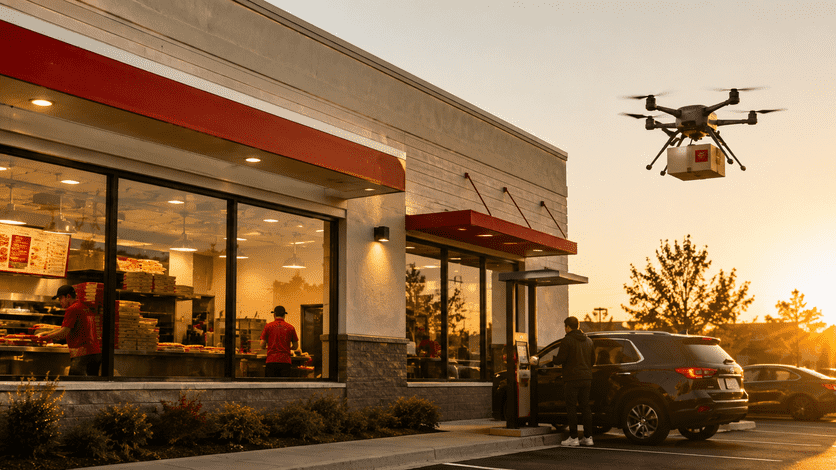
Papa Johns has teamed up with Alphabet's Wing for drone delivery of its new sandwich lineup in parts of Charlotte marking the first partnership of its kind between Wing and a national QSR brand.
May 15, 2026

A warm, expert-led look at McDonald’s Q1 results, menu makeover, and the refranchise question shaping its growth.
May 14, 2026
A reflective look at Habit Ranch, its immersive desert activation, and what it signals for brand loyalty and mindful, experiential dining.
May 14, 2026

Unlock Exclusive Access To Webinars, Events, And The Latest News For Free!
A Michigan Supreme Court ruling reinstates original wage measures with a phased path, ending the tipped minimum wage and shaping restaurant economics.

Photo by blackieshoot
July 2024 brought a watershed moment in Michigan’s wage policy as the Michigan Supreme Court voided the amended versions of two 2018 ballot initiatives and let the original measures stand. The decision reinstates higher minimum wages and expanded paid sick leave while progressively phasing out the tipped minimum wage. In a court-anchored frame, the justices wrote, Under the Michigan Constitution, the Legislature would not have been able to make these amendments by a simple majority vote if the initiatives had appeared on the ballot and had been approved by a majority of Michigan voters in the 2018 election, wrote the court. The Legislature cannot reject or alter an initiative without the voters’ approval. The lines crystallized a constitutional constraint on adopt-and-amend tactics and reframed the path forward for workers and employers alike.
In practical terms, the remedy did not erase the original measures; instead, it treats them as the governing baseline and charts a deliberate, calendar-based path to full implementation. Legal analysts describe a phased schedule that anchors wage increases to dates, inflation adjustments, and a gradual erosion of the tip credit, aligning the state’s labor framework with the original voters’ intent while acknowledging the passage of time.
Origins trace to 2018, when petition-driven reforms sought to raise the minimum wage, require paid sick leave, and end the tipped subminimum wage. The context notes that the 2018 measures surfaced through referendum petitions, were adopted by a Republican-controlled Legislature, and weakened two months later after a political shift. The court’s subsequent view highlighted that adopting and amending an initiative in a single session violated the Michigan Constitution’s protections for voters. Observers saw the episode as a study in how control of the Legislature and the timing of leadership can accelerate or stall worker protections, shaping Michigan’s labor reform narrative into the 2020s.
What emerges from that arc is a cautionary tale about the interplay of ballot-led reform and executive-legislative action. The 2018 episode remains central to how voices for workers and business argue over policy design, timing, and the path to durable change in Michigan’s labor landscape.
The remedy anchors the 2018 measures as the baseline, then uses a calendar-driven schedule to phase in changes. It preserves the original goals, but translates them into a series of concrete milestones, with wage floors rising over several years and the tipped wage gradually aligning with inflation-adjusted pay. The approach blends constitutional certainty with a practical horizon for employers and workers to adapt, setting a framework that can be read as a thoughtful, nourishing reform that respects both people and business.
1. February 21, 2025 – base minimum wage set at $10.00 per hour, with tipped employees at 48 percent of the minimum. This marks the first milestone in a gradual, inflation-aware evolution.
2. February 21, 2026 – base wage to $10.65, tipped at 60 percent.
3. February 21, 2027 – base wage $11.35, tipped at 70 percent.
4. February 21, 2028 – base wage $12.00, tipped at 80 percent.
5. 2029 onward – tipped wage tracks inflation and aligns with the regular wage rate thereafter, with annual adjustments by the state treasurer. This staged path preserves the spirit of voter-driven reform while providing a clear implementation horizon.

Labor advocates view the decision as a landmark toward wage justice, with One Fair Wage president Saru Jayaraman saying the ruling will accelerate a broader shift in labor standards: Today’s court decision not only ensures that all workers in Michigan receive a raise; it also makes Michigan the eighth state to end the subminimum wage for tipped workers, the first state East of the Mississippi to end the subminimum wage for tipped workers, and the first state anywhere in over 40 years to do so. The movement cites the 494,000 workers estimated to benefit from the original 2018 effort. Restaurateurs and hospitality groups, including MRLA and the National Restaurant Association, emphasize ongoing concerns about costs and labor hours as tipping structures evolve.
Industry voices caution that ending the tip credit could reshape hiring, hours, and dining economics. The MRLA and NRA frame wage progression within a broader debate about business viability, staffing, and price sensitivity in Michigan’s restaurant scene, underscoring how workers and operators navigate a policy path that remains in flux even as the policy aims to lift pay and expand benefits.
Beyond the court, practical implications depend on future policy and budget decisions. The 2024 remedy sets a base wage floor with inflation-linked adjustments and phase-out of the tipped credit, but reports note that a 2025 compromise legislation accelerated wage gains, potentially reaching as high as $15 per hour by 2027, with inflationary updates thereafter. This bipartisan response aimed to balance worker pay with business costs, illustrating how judicial action and legislative echo become a single policy beat in Michigan’s restaurant economy.
Analysts describe a dynamic where court rulings, legislative reactions, and industry lobbying continually shape the policy environment. Because these measures were not passed by voters, future amendments could proceed with a simpler majority in a subsequent session, introducing a layer of political risk even as the baseline wage agenda advances.
The Michigan episode stands as a landmark in how courts, legislatures, and advocacy groups shape labor policy within a constitutional framework that protects the people’s initiatives. With the tipped minimum wage on a path toward parity with the base wage, restaurateurs face a period of transition marked by wage adjustments, policy notices, and ongoing negotiation. For workers, the decision formalizes pay increases and expanded benefits, reinforcing a trend toward higher base wages and stronger sick-leave protections. For operators, the balancing act remains: managing labor costs while maintaining service levels in a highly price- and inflation-sensitive industry. The arc suggests continued scrutiny of wage progress, tipping norms, and the interplay between ballot-led reforms and executive-legislative action in Michigan’s evolving labor landscape.
In this moment, the lesson extends beyond policy texts: thoughtful, balanced reform connects workers’ dignity with responsible stewardship of hospitality economies. It’s a reminder to maintain a nourishing balance—between fair pay and sustainable dining—so Michigan’s restaurant scene can thrive with integrity, clarity, and a steady, inflation-informed horizon.