How Much Does It Cost to Open a Coffee Shop in 2026?
Opening a coffee shop in 2026 requires careful cost planning across rent, equipment, labor, technology, menu strategy, marketing, and sustainability.
operations
May 15, 2026
Opening a coffee shop in 2026 requires careful cost planning across rent, equipment, labor, technology, menu strategy, marketing, and sustainability.
May 15, 2026

This AI playbook covers restaurant tools for voice ordering, staffing, compliance, menu pricing, inventory, marketing, ChatGPT prompts, and SEO.
May 15, 2026

Hardee’s giant Boddie-Noell inks 31-unit Scooter’s Coffee deal for NC and VA, leveraging drive-thru growth and local roots with rollout over 12–18 months.
May 15, 2026

Wingstop turns match weeks into a multi-sensory festival, aligning bold pop-ups with World Cup energy to build brand affinity and measurable momentum.
May 15, 2026

The parent company behind Dunkin', Buffalo Wild Wings, and Arby's has filed for an IPO a move that could reshape how Wall Street views the restaurant sector.
May 15, 2026

Learn how to develop a memorable restaurant brand identity that stands out in a crowded market, attracts loyal customers, and drives repeat business with actionable strategies and affordable tools.
May 15, 2026

Dirty soda chain Swig is expanding into Colorado through a 10-unit franchise deal, riding a consumer beverage trend that's catching the attention of major QSR players nationwide.
May 15, 2026

Papa Johns has teamed up with Alphabet's Wing for drone delivery of its new sandwich lineup in parts of Charlotte marking the first partnership of its kind between Wing and a national QSR brand.
May 15, 2026

A warm, expert-led look at McDonald’s Q1 results, menu makeover, and the refranchise question shaping its growth.
May 14, 2026

A reflective look at Habit Ranch, its immersive desert activation, and what it signals for brand loyalty and mindful, experiential dining.
May 14, 2026

Unlock Exclusive Access To Webinars, Events, And The Latest News For Free!
A warm, expert look at how Marco’s fuels growth through in-house tech, a refreshed brand, and disciplined store rollout.
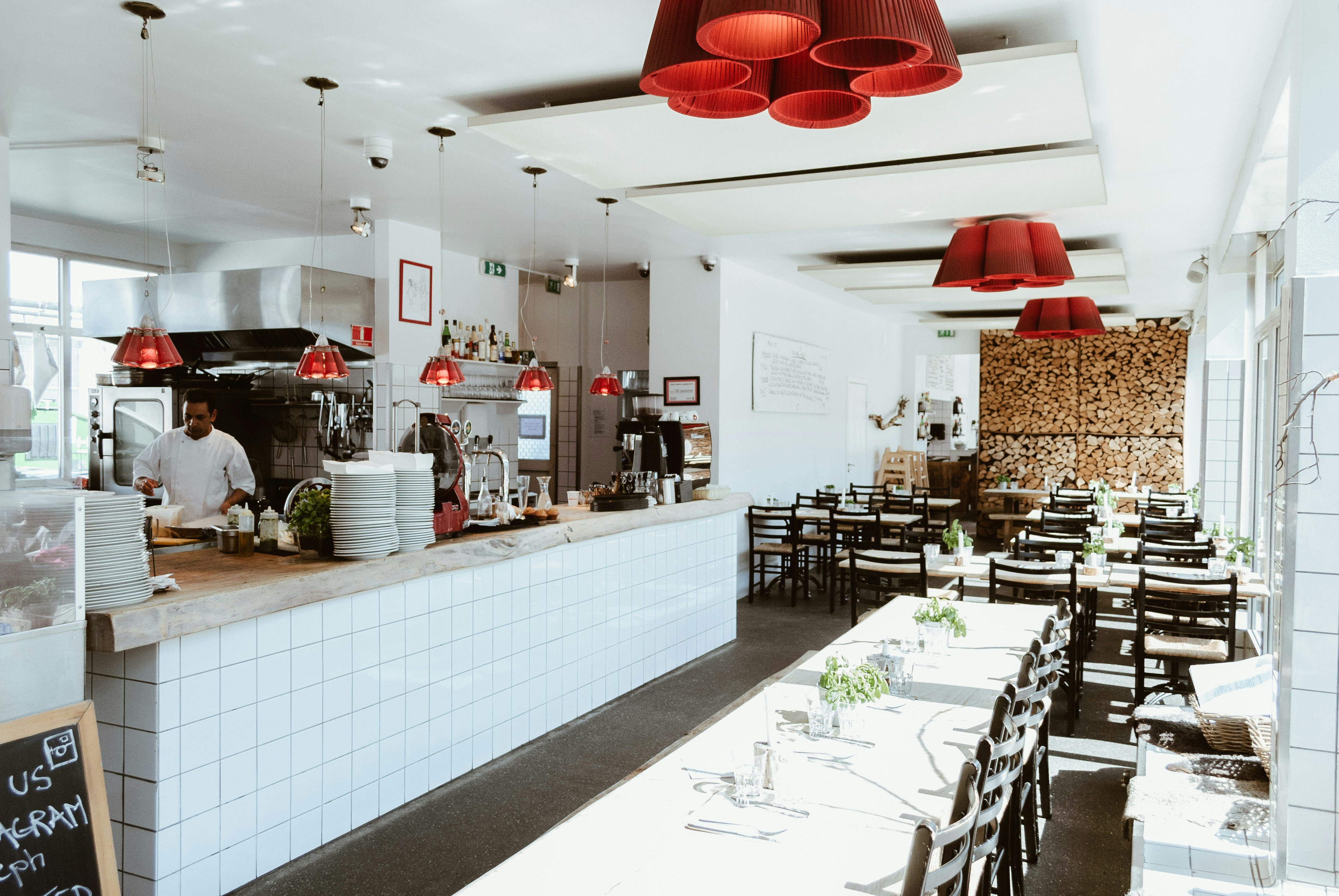
Photo by Raoul Croes
Marco’s Pizza felt like a soft, steady flame in a cozy kitchen. In 2023, the brand posted 7.6% sales growth and a 7.2% increase in unit counts, figures that outpaced many peers and set the tone for a breakout year. By year’s end, the network surpassed 1,200 stores across 35 states, with a presence in Puerto Rico, the Bahamas, and Mexico and a development pipeline of roughly 200 stores. It’s a story of patient, disciplined expansion—a gentle ascent that invites a closer listen: how did Marco’s do it, and what does it reveal about growth with soul?
What’s behind the momentum is a deliberate blend of in-house technology, thoughtful store development, targeted advertising, and selective partnerships. The approach keeps the high-quality product front and center while pairing it with a robust business model and a willingness to invest in technology and partnerships. A key piece is the cloud-based Marco’s Order Management System (MOMS), designed to forecast sales, schedule dough preparation, and optimize staffing. The result is a disciplined, scalable narrative that respects the brand while widening its doors toward new markets.
Central to Marco’s expansion is a multi-pronged approach that blends in-house technology with deliberate store development, advertising, and partnerships. The company emphasizes keeping the MOMS stack in-house to forecast sales, schedule dough, and optimize staffing, ensuring a consistent guest experience as it grows. In parallel, branding has been refreshed, and delivery channels have broadened through third-party partnerships to widen access. The pipeline remains robust—roughly 200 stores in development—a signal of disciplined ambition paired with ongoing investments in digital tools and advertising.
What this enables is a scalable engine that can translate momentum into more frequent, reliable visits across varied markets. The mix of brand refresh and an expanded delivery ecosystem helps Marco’s reach new guests while keeping the core offering recognizable and comforting.
Industry observers have begun to see Marco’s as a challenger in a mature category, blending product quality with a scalable, tech-enabled operating model. The approach has softened the line between novelty and steadiness, inviting guests to linger over the scent of a hot pie while the newsroom of growth stories hums in the background. The result is a brand that feels both comforting and current—an invitation to believe that good pizza can be a quiet engine of change.
"Our strategy continues to put our renowned high-quality product front and center. It has provided us the basic foundation to scale. Pair this with a strong business model, strategic partnerships, multi-channel national advertising, and a commitment to new technology and innovation, and we’re able to meet the needs of today’s modern customer." said a Marco’s representative. This sentiment captures how quality and tech-enabled growth are being stitched together to defend against a crowded market, where Domino’s remains the volume leader while challengers press for smarter experiences.
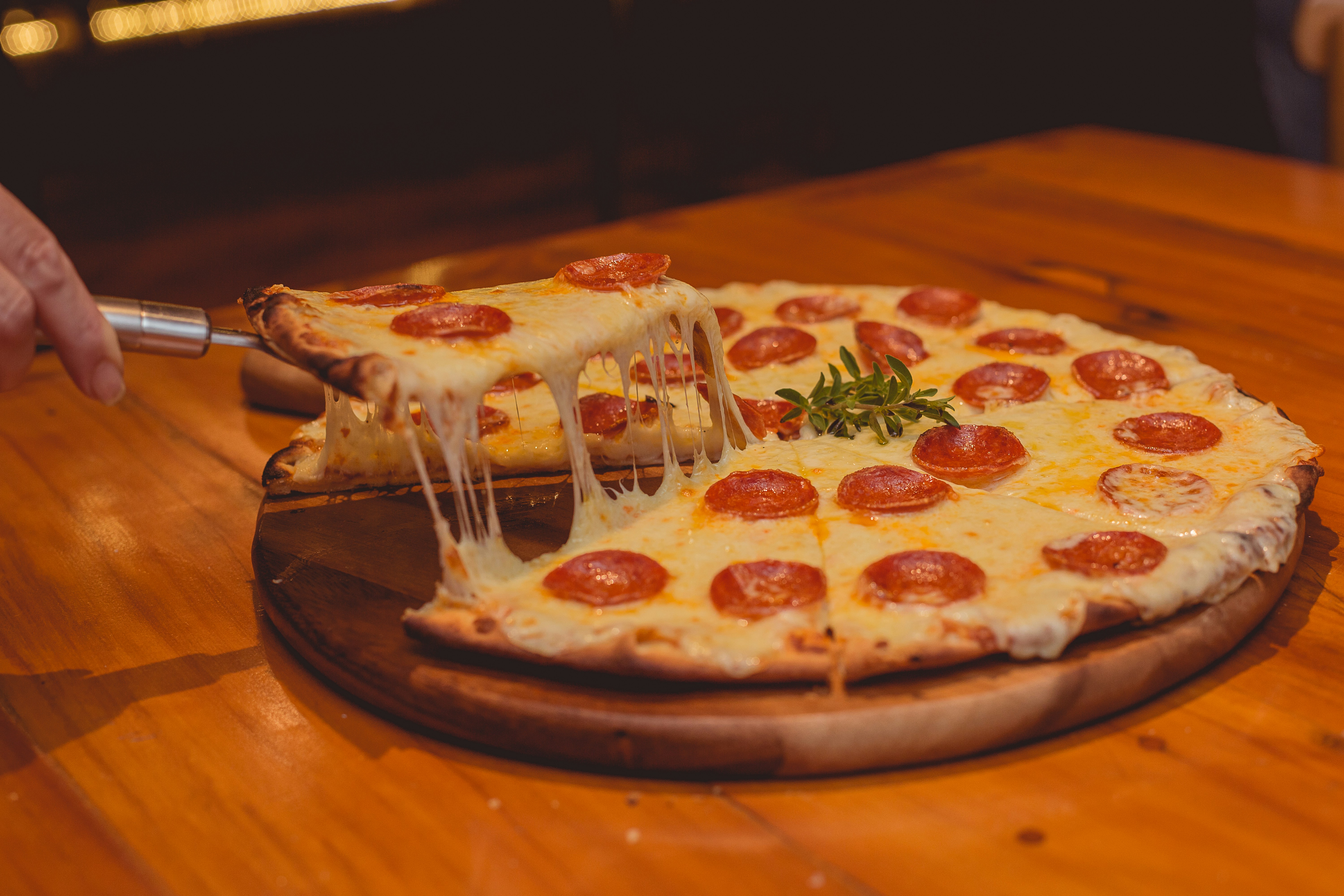
Marco’s translates momentum into clear timelines. In 2025, the company opened more than 60 new stores and awarded a substantial number of franchises, moving toward surpassing 80 new store openings in 2026 as part of disciplined growth across domestic and international markets. The network has grown to over 1,200 stores, with continued expansion into additional states and nontraditional venues. The 2026 plan frames a continuing arc of new-store development paired with investments in digital capabilities and brand-building initiatives to support store profitability at the unit level.
What it means is a long-run narrative: growth that balances scale with hospitality, and a demand that stores can be profitable while keeping guests feeling seen and heard in a warm, welcoming space.
Industry context places Marco’s within a landscape where major brands chase delivery investments, digital platforms, and refreshed branding to defend share. Domino’s continues to invest in its e-commerce platform, illustrating that the market rewards both scale and digital sophistication. Across 2024 and 2025, openings and franchise awards abound, with Marco’s emerging as a clear accelerant in mid-tier growth. The mix of in-house technology, delivery expansion, and distinctive branding is becoming essential to sustain momentum in a shifting, competitive market.
Looking ahead, the story hinges on store-level profitability, MOMS’ cross-market rollout, and the ability to translate early momentum into multi-year growth. If Marco’s can sustain guest satisfaction while expanding, it could recalibrate how regional players pursue scale without compromising core quality.