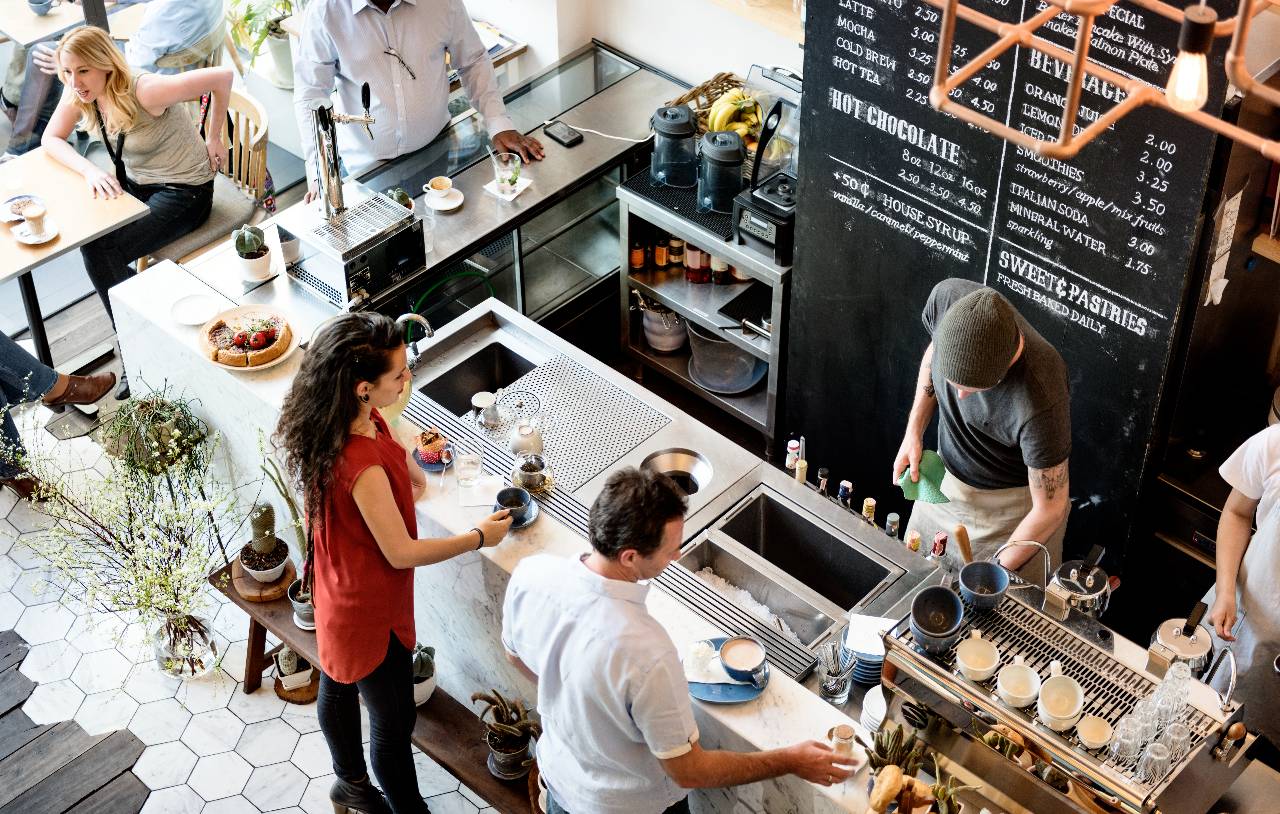
How Much Does It Cost to Open a Coffee Shop in 2026?
Opening a coffee shop in 2026 requires careful cost planning across rent, equipment, labor, technology, menu strategy, marketing, and sustainability.
operations
May 15, 2026
Opening a coffee shop in 2026 requires careful cost planning across rent, equipment, labor, technology, menu strategy, marketing, and sustainability.
May 15, 2026
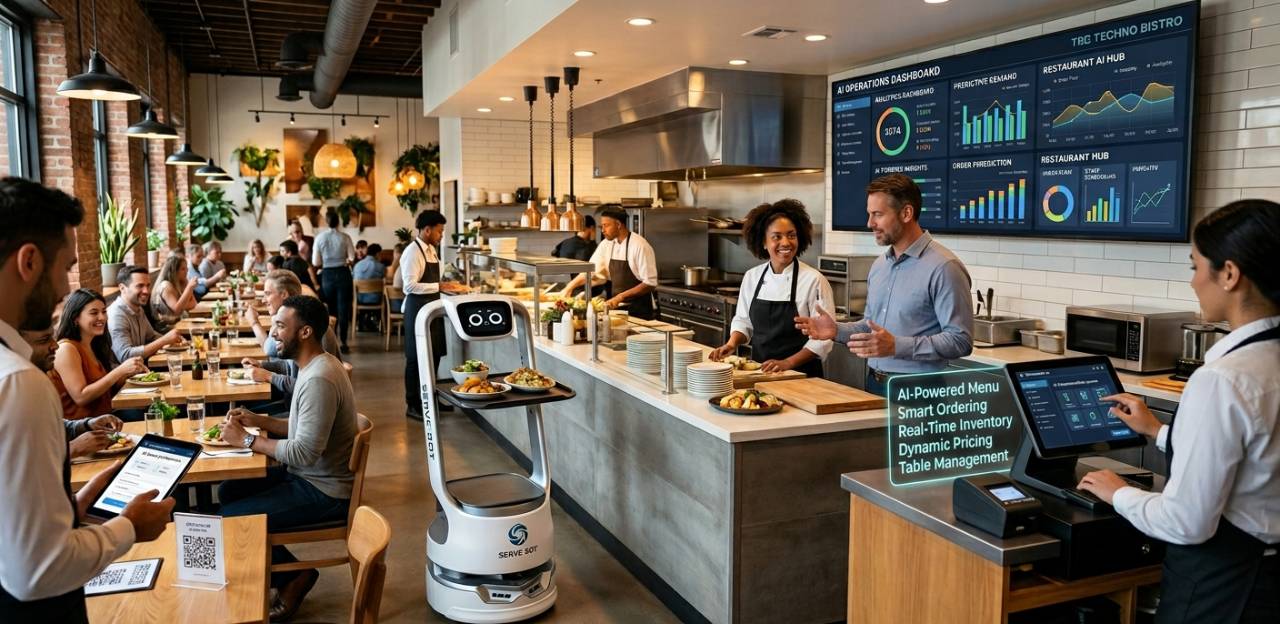
This AI playbook covers restaurant tools for voice ordering, staffing, compliance, menu pricing, inventory, marketing, ChatGPT prompts, and SEO.
May 15, 2026
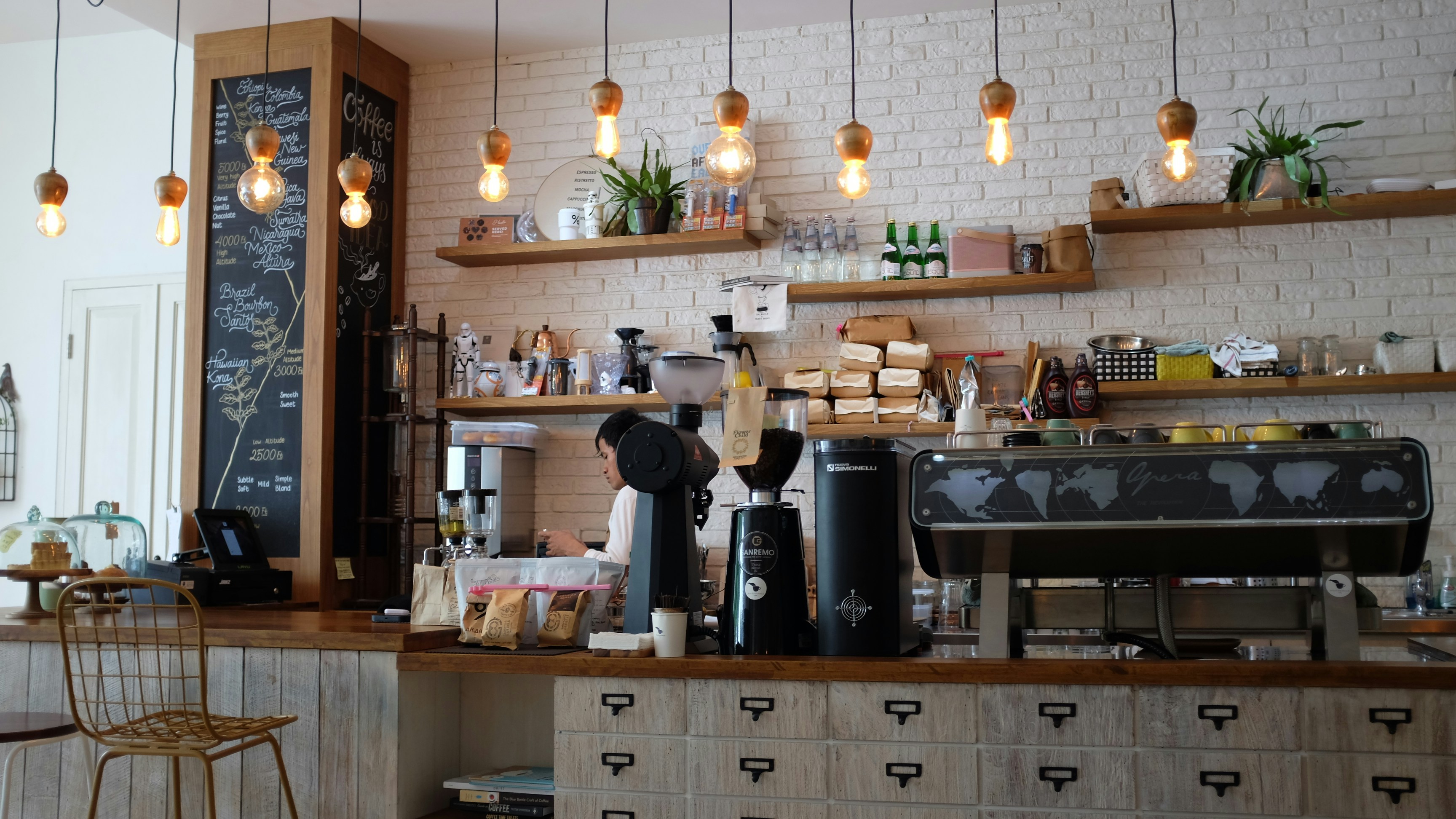
Hardee’s giant Boddie-Noell inks 31-unit Scooter’s Coffee deal for NC and VA, leveraging drive-thru growth and local roots with rollout over 12–18 months.
May 15, 2026
Wingstop turns match weeks into a multi-sensory festival, aligning bold pop-ups with World Cup energy to build brand affinity and measurable momentum.
May 15, 2026
The parent company behind Dunkin', Buffalo Wild Wings, and Arby's has filed for an IPO a move that could reshape how Wall Street views the restaurant sector.
May 15, 2026
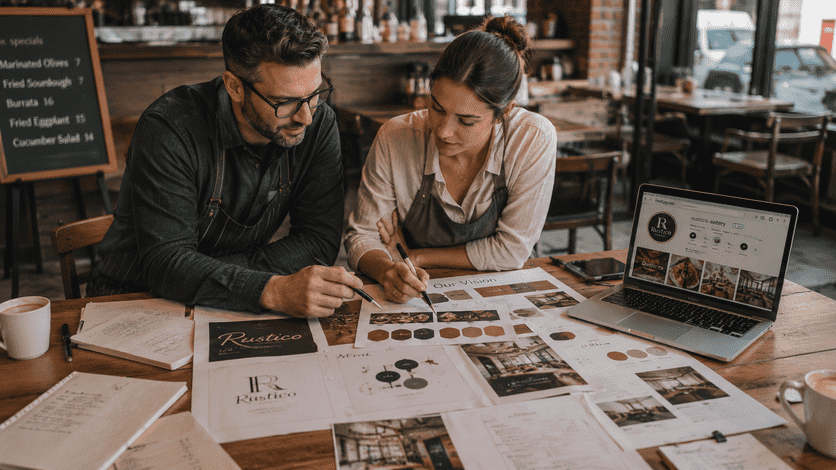
Learn how to develop a memorable restaurant brand identity that stands out in a crowded market, attracts loyal customers, and drives repeat business with actionable strategies and affordable tools.
May 15, 2026
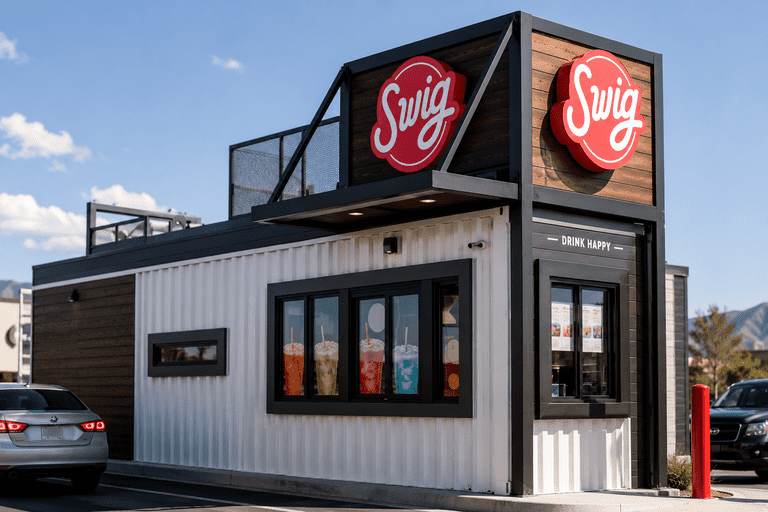
Dirty soda chain Swig is expanding into Colorado through a 10-unit franchise deal, riding a consumer beverage trend that's catching the attention of major QSR players nationwide.
May 15, 2026
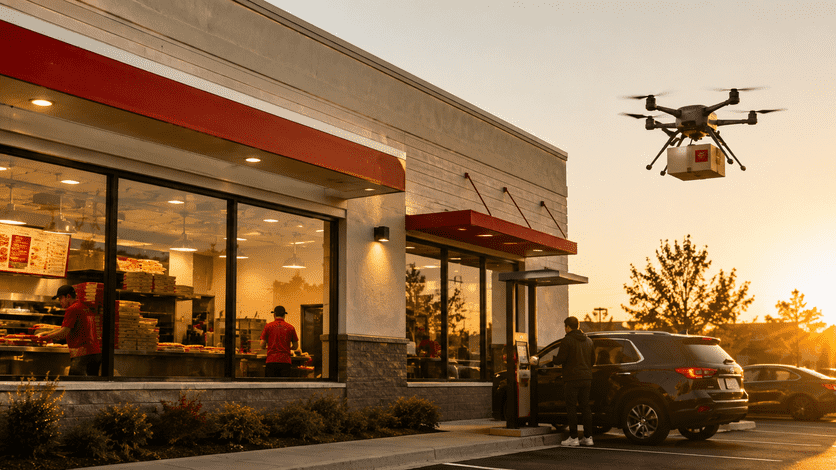
Papa Johns has teamed up with Alphabet's Wing for drone delivery of its new sandwich lineup in parts of Charlotte marking the first partnership of its kind between Wing and a national QSR brand.
May 15, 2026
A warm, expert-led look at McDonald’s Q1 results, menu makeover, and the refranchise question shaping its growth.
May 14, 2026
A reflective look at Habit Ranch, its immersive desert activation, and what it signals for brand loyalty and mindful, experiential dining.
May 14, 2026

Unlock Exclusive Access To Webinars, Events, And The Latest News For Free!
Legacy brands overhaul tech with cloud platforms, frontline-led change, and data-driven guest experiences at FSTEC, signaling a practical path for franchisees.

Photo by Andy Wang
Legacy dining brands are rewriting their playbooks from the inside out. At FSTEC in Grapevine, Texas, a cohort of long-standing names—Golden Corral, Captain D’s, The Habit Burger & Grill, and friends— stepped onto the stage to talk about digital makeovers that aren’t cosmetic but essential. The mission was clear: modernize without erasing what guests love about family meals and shared moments. The room felt practical, not flashy, as operators, tech leaders, and franchisees considered how a smarter tech stack could sharpen every encounter—from drive-thru speed to in-store service. The question on every mouth: where does this begin? With people, always with people.
Beyond the buzz, the panel framed a hard truth: a successful update is anchored in frontline realities. 'The front of house technology was about 15 years old, and the back of house technology is about 25 years old and didn’t exist anymore except for Microsoft.' Dawn Gillis, Golden Corral's senior vice president and chief information officer, explained during the session. The leadership team scrapped the old stack and built a unified, cloud-based engine that now underpins online ordering, drive-thru, and the countertop POS. It wasn’t a cosmetic upgrade; it was a wholesale redesign aimed at reliability, cross-channel sales, and smarter staffing. The takeaway was simple: tech must serve the people on the floor, not complicate their day.

Change at scale begins with communication. The rollout plan put people first from day one. Four months before pilots, representatives from every restaurant formed a change-group and fed insights back to the designers. The idea was to turn operators and staff into co-owners of the tools, not bystanders. That approach kept the rollout grounded in day-to-day problems: faster checkouts, clearer duties, less friction across a multi-brand portfolio. The tactic resembled a kitchen prep: you taste, adjust, and train before service starts. The aim was not to chase novelty but to ensure tools actually lift performance and morale.
Gillis and Sherif Mityas of Brix Holdings framed the rollout as a business decision, not a gadget. 'At the end of the day, these are business owners, and so I'm asking them to spend $1, I need to show them a return,' Mityas said. Gillis echoed the point: this was not a shiny new ball; it needed a clear business case tied to daily operations. The framing mattered for franchisees who would shoulder capital and training loads. The Habit Burger & Grill, leveraging the advantages of being part of Yum Brands while preserving nimbleness in product and go-to-market decisions, anchored the logic: a scalable framework that can bridge every restaurant into one coherent system.
Franchisee buy-in remains the acid test. The conversation stayed fixed on tangible value: education and practical benefits. Gillis and Mityas argued technology must make owners’ and operators’ lives easier, from streamlined pay-at-the-table experiences to faster, more reliable service. The panel noted that different brand scales require different implementation cadences, with The Habit Burger & Grill again cited for its nimble adjustments within the Yum Brands ecosystem. Agility, paired with a scalable architecture, would determine whether the tech stack can support thousands of restaurants as the brands grow.
On the business side, the emphasis was the return. The team stressed that investments must solve real problems for operators and customers alike. The message was consistent: better data, smoother operations, clearer channels. Those promises are what franchisees weigh as rollouts advance, and the panel framed the path as a long-term partnership rather than a one-off upgrade.

Digital tools are already reshaping guest behavior. Captain D’s has built an integrated digital ordering hub spanning first-party and third-party delivery, loyalty programs, and a mobile app. Bindi Menon, Chief Marketing Officer, emphasized the impact: 'Our digital sales have taken off. Now, you know your customer better than you ever did before. Before, we could never tell who a person was coming in through the drive-thru. Now they order online, on the app, and we know exactly who they are and how often they come in.' Menon also noted demographic shifts: younger customers drive third-party delivery even as older guests experiment with first-party delivery. The broader lesson is that richer data enables more personalized marketing, better product decisions, and smarter service design.
Beyond marketing, the data-rich approach translates into operations. The integrated stack ties together marketing, loyalty, and store performance—creating a feedback loop that informs menu tweaks, staffing, and even store layout. The team argues that as insights compound, the guest experience becomes consistently better, and the brand earns more loyalty without chasing discounts.

Early signals and industry chatter point to real gains from the tech overhauls. Hospitality Technology recounted Golden Corral's cloud-first push, with a unified platform that supports online ordering, drive-thru, and kitchen workflows under a broader 'Cloud Corral' initiative. The company completed a full brand rollout on a single platform in 2024, described as seven months. The leadership also cites training gains since the switch and an aim to broaden off-premise sales. CIO Dive quotes Gillis predicting a doubling of off-premise sales in the year ahead. Hospitality Technology tallies a 31% increase in AUV since 2019, underscoring the upside of thoughtful digital shifts for legacy brands.
Taken together, those data points illuminate a path from modernization to measurable growth. A unified platform creates resilience, simplifies franchise operations, and unlocks a data-rich playbook for guest engagement. The core takeaway: digital tools are not a side bet but a central asset in a legacy brand’s strategy.

Despite momentum, leaders acknowledge uncertainties inherent in large-scale tech transformations. The most visible risk is franchisee buy-in, which must be earned with clear, demonstrable returns and practical benefits. Another area of ongoing work is balancing agility with scale: The Habit Burger & Grill’s leadership argues nimbleness is an asset but must be paired with a technology stack capable of supporting thousands of restaurants as growth accelerates. As brands push deeper into data-driven marketing and guest personalization, questions remain about harmonizing front- and back-of-house operations across diverse franchise networks, and how to maintain the human hospitality edge as digital tools expand.
The message from leaders across Golden Corral, Captain D’s, Friendly’s/Red Mango, and The Habit Burger & Grill is clear: modernization is not optional, and technology belongs at the center of strategy and culture as much as the register. The guest experience remains the north star, but it now travels on a cloud, backed by data, and staffed by teams trained to navigate change with confidence.